


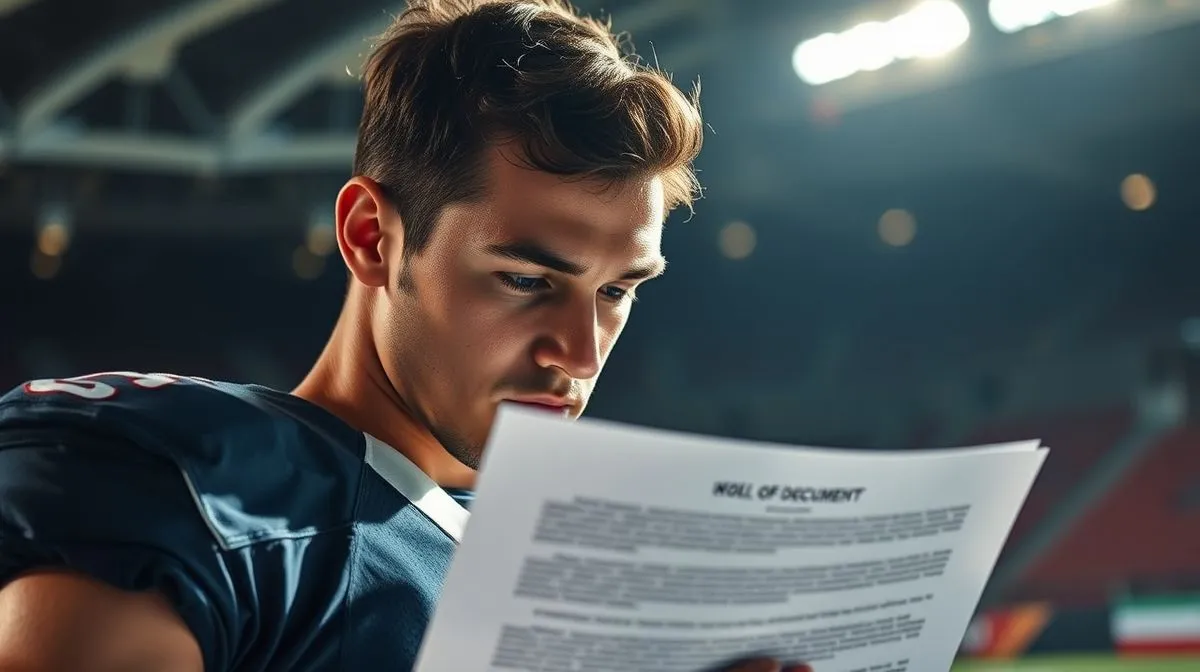
Navigating the System: How Athletes Can Appeal League Suspension Rules
Imagine the roar of the crowd, the thrill of competition, the culmination of years of dedication – suddenly replaced by the chilling silence of a disciplinary letter. For professional athletes, a league suspension isn't just a temporary setback; it can be a career-ending judgment, impacting their livelihood, reputation, and future prospects. It’s a moment where their entire world can feel like it’s crumbling.
This harsh reality is a common, yet often misunderstood, aspect of professional sports. While leagues must maintain integrity and enforce rules, the disciplinary process can sometimes feel opaque, arbitrary, or even unjust to the athlete involved. Many players, blindsided by a suspension, feel a profound sense of powerlessness, unsure of their rights or the avenues available to challenge such a critical decision.
This comprehensive guide is designed to empower athletes, agents, and legal professionals by demystifying the complex landscape of sports disciplinary actions. We will meticulously break down the essential steps, legal frameworks, and strategic considerations involved in how athletes can appeal league suspension rules, providing a clear roadmap to navigate this challenging terrain and fight for their careers.
Understanding the Landscape of Sports Suspensions
Before diving into the appeal process, it's crucial to grasp the common grounds for suspensions and the immediate aftermath for an athlete. Suspensions are not handed out lightly, but they are a fundamental tool for leagues to uphold their standards.
Common Grounds for Suspension
Leagues impose suspensions for a myriad of reasons, ranging from on-field conduct to off-field transgressions. The most frequent causes include:
- Performance-enhancing drug (PED) violations: Often governed by strict anti-doping policies, these carry severe penalties.
- Violations of player conduct policies: This can encompass anything from domestic violence and assault to public intoxication or gambling.
- On-field fouls or unsportsmanlike conduct: Excessive aggression, dangerous plays, or altercations often lead to game suspensions.
- Breach of contract: Less common for immediate suspension, but can lead to disciplinary action.
- Failure to adhere to league health and safety protocols: A more recent concern, especially with global health crises.
Each league and sport has its own specific rulebook, and understanding the precise rule an athlete is accused of violating is the first critical step.
The Immediate Aftermath: What Happens Post-Suspension
Once a suspension is announced, the athlete typically faces immediate consequences:
- Loss of pay: Most suspensions are unpaid, leading to significant financial hardship.
- Exclusion from team activities: Athletes are often barred from practices, games, and team facilities.
- Reputational damage: Public perception can quickly turn negative, impacting endorsements and future opportunities.
- Isolation: The athlete may feel cut off from their team and support network.
The initial shock and emotional distress can be overwhelming, but it is precisely at this moment that strategic thinking and prompt action become paramount.
Why an Appeal Matters
An appeal is not merely about overturning a decision; it's about:
- Protecting one's career: A lengthy suspension can derail or prematurely end a promising career.
- Safeguarding financial stability: Recovering lost wages and preventing future income loss.
- Restoring reputation: Clearing one's name and maintaining credibility with fans, teammates, and sponsors.
- Upholding due process: Ensuring that established rules and fair procedures were followed by the league.
Successfully appealing a suspension can mean the difference between a temporary setback and a permanent stain on an athlete's professional journey.
The Foundation of a Strong Appeal: Knowing Your Rights and the Rules
The bedrock of any successful appeal lies in a deep understanding of the governing rules and the athlete's inherent rights. This is where the legal framework of professional sports comes into play.
League Constitutions and Collective Bargaining Agreements (CBAs)
Professional sports leagues operate under complex legal documents. The league's constitution and bylaws outline its operational rules, while Collective Bargaining Agreements (CBAs) are negotiated between the league and the players' association. These CBAs are critical as they often detail the disciplinary process, appeal procedures, and player rights. For instance, the NFL's Collective Bargaining Agreement is a prime example of a document that lays out player disciplinary procedures in detail.
Athletes and their representatives must meticulously review these documents to identify:
- The specific disciplinary authority.
- The grounds for appeal.
- The applicable timelines and deadlines.
- The standard of proof required by the league.
- The composition of the appeal panel or arbitrator.
Missing a deadline or failing to follow a procedural step outlined in the CBA can lead to an automatic dismissal of the appeal, regardless of its merits.
Due Process and Fair Hearing Principles
Even if not explicitly stated in every league's rules, the principles of due process are fundamental. These generally include:
- Notice: The athlete must be informed of the charges against them and the potential penalties.
- Opportunity to be heard: The athlete has the right to present their case, offer evidence, and question witnesses.
- Impartiality: The hearing body or arbitrator should be unbiased.
- Right to representation: The ability to have legal counsel or a player representative present.
Any perceived violation of these principles can form a strong basis for an appeal, arguing a procedural flaw rather than just a factual dispute.
The Importance of Timelines and Deadlines
Time is of the essence in disciplinary matters. Leagues typically impose very strict windows for athletes to respond to notices of suspension, file an intent to appeal, and submit supporting documentation. These deadlines are often non-negotiable. Failure to meet them almost invariably results in the forfeiture of the right to appeal. Upon receiving a suspension notice, the immediate priority must be to identify and adhere to all stipulated timelines.
Building Your Case: Gathering Evidence and Crafting Your Argument
A successful appeal hinges on a meticulously prepared and compelling argument, backed by irrefutable evidence. This is where strategy and thoroughness become paramount.
Documenting Everything: Communication, Evidence, Witness Statements
From the moment a disciplinary inquiry begins, every interaction, document, and piece of information becomes potential evidence. Athletes should:
- Keep detailed records: Log all communications with league officials, team management, and legal counsel, including dates, times, and summaries of discussions.
- Gather all relevant documents: This includes contracts, league policies, medical records, financial statements, and any prior disciplinary records.
- Collect physical and digital evidence: Photos, videos, text messages, emails, social media posts – anything that supports your narrative or refutes the league's claims.
- Identify and secure witness statements: People who can corroborate your story or provide context. These statements should be signed and dated, ideally notarized.
The more comprehensive and organized your evidence, the stronger your position will be.
Identifying Procedural Flaws vs. Factual Disputes
An appeal can generally proceed on two main grounds:
- Factual Dispute: Arguing that the league's interpretation of the facts is incorrect, or that the athlete did not commit the alleged offense. This often involves presenting counter-evidence or alternative explanations.
- Procedural Flaw: Arguing that the league failed to follow its own rules or the principles of due process during the investigation or disciplinary hearing. This could include issues like insufficient notice, bias of decision-makers, or denial of the right to present evidence.
Often, a strong appeal leverages both types of arguments. A procedural flaw can sometimes lead to a complete dismissal or a rehearing, regardless of the underlying facts.
Expert Witnesses and Character References
Depending on the nature of the suspension, expert testimony can be invaluable:
- Medical experts: For doping cases or injuries.
- Forensic experts: For digital evidence or physical evidence analysis.
- Sports governance experts: To interpret league rules or precedents.
Additionally, character references from coaches, teammates, community leaders, or reputable figures can provide context about the athlete's integrity and conduct, influencing the appeal panel's perception.
The Appeal Process: Step-by-Step
While specific procedures vary by league, the general framework for appealing a suspension follows a predictable path.
Initial Notice and Intent to Appeal
Upon receiving a disciplinary notice, the athlete will typically have a very short window (e.g., 24-72 hours) to file an official "intent to appeal." This is a formal declaration that they wish to challenge the decision. This initial step is critical and must be done promptly and correctly, often in writing.
The Hearing: Presentation and Cross-Examination
The appeal hearing is the athlete's opportunity to present their case. This is usually a formal proceeding, often resembling a court hearing, where:
- The league presents its evidence and arguments for the suspension.
- The athlete (or their legal counsel) presents their defense, including evidence, witness testimony, and legal arguments.
- Both sides have the opportunity to cross-examine witnesses presented by the opposing party.
The hearing requires meticulous preparation, including opening statements, direct examination questions, and anticipated cross-examination strategies. The goal is to present a clear, coherent narrative that undermines the league's case or highlights procedural irregularities.
Arbitration and Independent Review Panels
Many major sports leagues, particularly those with strong player associations, incorporate independent arbitration into their appeal processes. This means that instead of the league itself being the final arbiter, an impartial third-party arbitrator or panel hears the appeal and makes a binding decision. This mechanism ensures a greater degree of fairness and impartiality.
For international disputes or issues crossing multiple jurisdictions, bodies like the Court of Arbitration for Sport (CAS) play a crucial role, offering a final avenue for appeal in many high-profile cases.
Potential Outcomes and Further Recourse
An appeal can result in several outcomes:
- Suspension upheld: The original decision stands.
- Suspension reduced: The length or severity of the suspension is lessened.
- Suspension overturned: The suspension is completely rescinded.
- Remand: The case is sent back for further investigation or a new hearing due to procedural errors.
If the appeal is unsuccessful at the league level or through arbitration, further legal recourse might be available through civil courts, though this is often a lengthy and expensive process, usually pursued only in cases of clear legal error or egregious violations of rights.
The Role of Legal and Professional Representation
While an athlete can attempt to appeal independently, professional representation is almost always indispensable. The complexities of league rules, legal precedents, and hearing procedures demand expert knowledge.
Why a Sports Lawyer is Crucial
A seasoned sports lawyer brings invaluable expertise:
- Understanding of sports law: They specialize in the unique legal landscape of professional athletics, including CBAs and league constitutions.
- Strategic counsel: They can identify the strongest arguments, anticipate challenges, and develop a robust defense strategy.
- Procedural expertise: They ensure all deadlines are met and procedures are followed correctly.
- Advocacy: They can effectively present the athlete's case, cross-examine witnesses, and negotiate on the athlete's behalf.
- Emotional detachment: They can navigate the process objectively, preventing emotional responses from undermining the case.
According to sports legal experts, athletes represented by counsel have a significantly higher chance of a favorable outcome in disciplinary proceedings due to their ability to navigate the intricacies of the legal system.
Player Associations and Agent Involvement
Player associations (e.g., NFLPA, NBPA) are vital resources. They often provide legal assistance, guidance on disciplinary matters, and ensure that player rights under the CBA are protected. Agents also play a crucial role in coordinating legal efforts, managing public relations, and supporting the athlete through the process.
Building a Dream Team for Your Defense
For complex cases, a comprehensive defense team might include:
- Lead sports attorney
- Forensic or medical experts
- Public relations specialist
- Financial advisor (to manage lost income)
- Player agent
This multi-faceted approach ensures all angles are covered, from legal strategy to public perception.
Common Pitfalls and How to Avoid Them
Even with strong merits, an appeal can fail due to avoidable errors. Awareness of these common pitfalls can significantly increase an athlete's chances of success when considering how athletes can appeal league suspension rules.
Missing Deadlines
As emphasized, this is arguably the most common and fatal mistake. Leagues are unforgiving with their timelines. A missed deadline, even by an hour, can lead to the appeal being rejected outright. Always mark deadlines clearly and submit documents well in advance.
Lack of Preparation
Walking into an appeal hearing unprepared is akin to stepping onto the field without practice. Failure to gather all relevant evidence, anticipate the league's arguments, or rehearse testimony can severely weaken the case. Thorough preparation is non-negotiable.
Emotional Responses Over Factual Arguments
It's natural for athletes to feel anger, frustration, or injustice. However, allowing these emotions to dictate the appeal strategy or presentation can be detrimental. Appeals are about presenting facts, legal arguments, and evidence, not emotional pleas. A professional demeanor, guided by legal counsel, is always more effective.
Underestimating the League's Resources
Leagues have substantial legal and investigative resources at their disposal. Athletes must not underestimate the quality of the case the league will present. This necessitates an equally robust and well-resourced defense.
Life After Suspension: Reintegration and Moving Forward
Whether an appeal is successful or not, the period following a suspension requires careful management to ensure a smooth reintegration into the sport and to protect the athlete's long-term career.
Managing Public Perception
In the age of social media, public perception can be as damaging as the suspension itself. Working with a PR specialist can help craft a narrative that focuses on accountability, learning, and future positive contributions, rather than dwelling on the past. Strategic communication can help rebuild trust with fans and sponsors.
Rebuilding Trust with Teammates and Fans
Returning to the team requires humility and a commitment to earning back the trust of teammates and coaching staff. Open communication and demonstrating a renewed focus on performance and team values are crucial. Engaging positively with fans, where appropriate, can also aid in the rehabilitation of one's image.
Lessons Learned and Future Conduct
Regardless of the appeal outcome, a suspension is a profound learning experience. Athletes should reflect on the circumstances that led to the disciplinary action and commit to avoiding similar situations in the future. This might involve seeking counseling, adjusting lifestyle choices, or simply being more vigilant about adhering to league rules. Proactive steps to demonstrate changed behavior can also be beneficial in future interactions with the league.
Frequently Asked Questions (FAQ)
Can I appeal a suspension if I admitted guilt? It depends on the league's rules and the nature of the admission. While an admission of guilt makes an appeal more challenging, you might still appeal based on the severity of the penalty, procedural errors in the disciplinary process, or new evidence that mitigates your culpability.
How long does a typical appeal process take? The duration varies significantly by league and the complexity of the case. It can range from a few days for minor on-field infractions to several weeks or even months for complex cases involving extensive investigations and multiple hearings. CBAs often set limits on how long the process can take.
What are the costs associated with appealing a suspension? Appealing a suspension can be very expensive, primarily due to legal fees for experienced sports attorneys and potential costs for expert witnesses, investigations, and arbitration fees. These costs can range from tens of thousands to hundreds of thousands of dollars, depending on the case's complexity and duration.
Can a league increase my suspension if I appeal? While rare, some league rules or CBAs may allow for the possibility of an increased penalty upon appeal, especially if new, more severe evidence comes to light during the appeal process, or if the appeal is deemed frivolous. However, most appeal processes are designed to either uphold, reduce, or overturn the original decision.
What if my league doesn't have a formal appeal process? Smaller leagues or organizations might have less formalized appeal structures. In such cases, an athlete's recourse might involve direct negotiation, internal grievance procedures, or, as a last resort, legal action in civil court based on contract law or due process violations, though this is often a more challenging path.
Recommended Reading
- The Grave Truth: What Are the Consequences of Overstaying a US Visa?
- EIA Process: What Happens After Public Comment? The Ultimate Guide
- CAA Citizen Suits: Your Right to Sue for Clean Air Explained
- Unlock Financial Freedom: How to Avoid Personal Insolvency Without Bankruptcy?
- Stateless Children: What Human Rights Protect Them? Find Out!
Conclusion
Facing a league suspension is undoubtedly one of the most daunting challenges an athlete can encounter. However, understanding the intricacies of how athletes can appeal league suspension rules is not just about legal maneuvering; it's about reclaiming agency, protecting a career built on passion and sacrifice, and upholding the principles of fairness. By meticulously preparing, leveraging expert legal counsel, and adhering strictly to procedural requirements, athletes can significantly improve their chances of a favorable outcome.
The path to overturning or reducing a suspension is arduous, demanding resilience, strategic thinking, and unwavering commitment. Yet, for those willing to fight for their rights and their future, the appeal process offers a legitimate and often successful avenue for justice, allowing them to return to the field, court, or arena they call home.




Comments
Leave a comment below. Your email will not be published. Required fields marked with *