


How to Effectively Suppress Illegally Obtained Felony Evidence?
For over 15 years as a criminal defense attorney specializing in felony cases, I've witnessed firsthand how crucial the legality of evidence can be. A client's entire future, their freedom, and their reputation often hinge on whether the evidence presented against them was obtained lawfully. It's a fundamental pillar of our justice system, yet it's often challenged by overzealous investigations or simple mistakes.
The problem is profound: illegally obtained evidence, if unchallenged, can lead to wrongful convictions, erode public trust in law enforcement, and undermine the constitutional protections afforded to every individual. Many defendants, unaware of their rights or the procedural nuances, inadvertently allow tainted evidence to be used against them, jeopardizing their cases from the outset.
This article aims to demystify the complex process of challenging and suppressing such evidence. I will guide you through the legal frameworks, actionable strategies, and expert insights necessary to effectively suppress illegally obtained felony evidence, empowering you to protect your constitutional rights and build a stronger defense.
Understanding the Foundation: The Fourth Amendment and the Exclusionary Rule
To effectively challenge illegally obtained evidence, one must first grasp the bedrock principles upon which such challenges are built. In the United States, these principles are primarily rooted in the Fourth Amendment to the Constitution and the legal doctrines that flow from it.
What is the Fourth Amendment?
The Fourth Amendment is a cornerstone of individual liberty, protecting citizens from unreasonable searches and seizures by the government. It mandates that law enforcement must generally obtain a warrant, based on probable cause, before conducting a search or seizure. This protection is not absolute, but it sets a high bar for government intrusion into private lives.
The Exclusionary Rule Explained
The primary mechanism for enforcing the Fourth Amendment is the Exclusionary Rule. This judicial doctrine dictates that evidence obtained in violation of a defendant's constitutional rights—most commonly Fourth Amendment rights—cannot be used against them in a criminal trial. Its purpose is to deter police misconduct and uphold the integrity of the judicial process. The U.S. Supreme Court applied this rule to state courts in the landmark case of Mapp v. Ohio (1961).
The "Fruit of the Poisonous Tree" Doctrine
An extension of the Exclusionary Rule, the "Fruit of the Poisonous Tree" doctrine, further strengthens these protections. It holds that not only is illegally obtained evidence inadmissible, but any subsequent evidence derived from that initial illegality—the "fruit"—is also tainted and must be excluded. This was established in Wong Sun v. United States (1963). It means that if police illegally search a home and find a map leading them to a stash of drugs, both the map and the drugs could be suppressed.
"The Exclusionary Rule and its 'Fruit of the Poisonous Tree' extension are not mere technicalities; they are vital safeguards ensuring that law enforcement operates within constitutional boundaries, protecting the fundamental rights of every individual accused of a crime."
Identifying Illegally Obtained Evidence: Common Scenarios
Recognizing when evidence might be illegally obtained is the first critical step toward its suppression. As an experienced attorney, I've seen a variety of scenarios where police actions cross constitutional lines. Understanding these common pitfalls can help you, or your attorney, build a strong case for suppression.
- Warrantless Searches Without Exception: Police generally need a warrant to search private property. If they search your home, car, or person without a warrant, and no recognized exception (like consent, plain view, exigent circumstances, or search incident to arrest) applies, the evidence found is likely inadmissible.
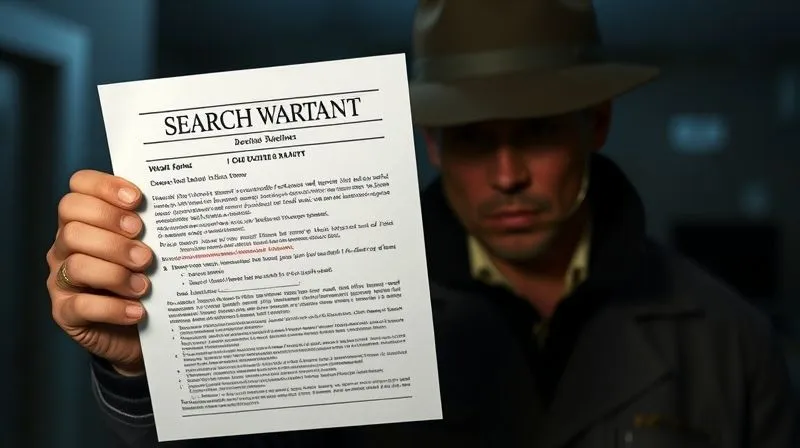
- Lack of Probable Cause: Even with a warrant, if it wasn't based on probable cause—a reasonable belief that a crime has been committed or evidence will be found—the warrant itself can be challenged, and any evidence obtained under it suppressed.
- Coerced Confessions and Miranda Violations: If a confession is obtained through physical force, threats, or deceptive tactics, it's involuntary and inadmissible. Similarly, if police interrogate a suspect in custody without first advising them of their Miranda rights (right to remain silent, right to an attorney), any statements made are generally suppressible.
- Unlawful Arrests: An arrest without probable cause or a valid warrant can lead to the suppression of evidence found during a search incident to that arrest, as well as any statements made subsequent to the unlawful detention.
- Unlawful Wiretaps or Electronic Surveillance: The government must adhere to strict legal requirements, including obtaining a warrant, to intercept private communications. Violations here can lead to suppression of all intercepted data.
The Motion to Suppress: Your Primary Legal Weapon
Once you've identified potential instances of illegally obtained evidence, the next step is to formally challenge it in court. This is done through a Motion to Suppress—a critical legal filing that seeks to exclude specific evidence from being used against you at trial.
What is a Motion to Suppress?
A Motion to Suppress is a formal request made by the defense to the court, asking that certain evidence be deemed inadmissible because it was obtained in violation of the defendant's constitutional rights. It's a pre-trial motion, meaning it's filed and argued before the trial actually begins. Winning a motion to suppress can be a game-changer, often leading to dismissal of charges or a much more favorable plea bargain.
Key Elements of a Strong Motion
Crafting an effective motion to suppress requires meticulous attention to detail and a deep understanding of criminal procedure and constitutional law. It's not merely stating that evidence was illegal; it's about proving it.
- Factual Allegations: The motion must clearly and precisely detail the specific facts surrounding how the evidence was obtained, highlighting the alleged constitutional violation. This includes dates, times, locations, and the actions of law enforcement officers.
- Legal Arguments: This is where the motion connects the facts to the law. It cites relevant statutes, constitutional amendments (primarily the Fourth, Fifth, and Sixth), and controlling case law (like Mapp v. Ohio or Wong Sun v. United States) to argue why the evidence should be excluded.
- Supporting Affidavits: Often, the motion will be accompanied by sworn affidavits from the defendant or other witnesses who have personal knowledge of the events, corroborating the factual allegations.
| Ground for Suppression | Legal Basis | Key Argument |
|---|---|---|
| Warrantless Search | Fourth Amendment | No valid exception to warrant requirement (e.g., no consent, no exigency) |
| Lack of Probable Cause | Fourth Amendment | Officer lacked reasonable belief for search/seizure or warrant issuance |
| Miranda Violation | Fifth Amendment | Statements made during custodial interrogation without Miranda warnings |
| Coerced Confession | Fifth Amendment, Due Process | Confession obtained through force, threats, or psychological pressure |
| Unlawful Arrest | Fourth Amendment | Arrest made without probable cause or valid warrant |
Navigating the Suppression Hearing: What to Expect
Filing a motion to suppress is only the beginning. The court will then schedule a suppression hearing, which is essentially a mini-trial focused solely on the admissibility of the evidence. This is where the legal arguments come to life, and the defense attorney's skill truly shines.
The Burden of Proof
Generally, the prosecution bears the initial burden of proving that the evidence was obtained lawfully, especially if a warrantless search or seizure occurred. The defense must then present evidence and arguments to show that a constitutional violation indeed took place. This dynamic is crucial; if the prosecution cannot meet its burden, the evidence will be suppressed.
Witness Testimony
Suppression hearings often involve testimony from law enforcement officers involved in the arrest, search, or interrogation. The defense may also call the defendant or other witnesses to testify about what happened. Expert witnesses may be called to challenge police procedures or forensic methods.
Cross-Examination Strategies
One of the most powerful tools at a suppression hearing is cross-examination. A skilled attorney will meticulously question officers about their actions, looking for inconsistencies, departures from policy, or admissions that undermine the legality of the evidence. This can include challenging their probable cause, the validity of consent, or the circumstances surrounding a confession.
Case Study: The Unwarranted Search of Ms. Davies' Vehicle
Ms. Davies was pulled over for a minor traffic infraction. During the stop, the officer claimed to smell marijuana and searched her vehicle without her consent or a warrant, finding a small amount of an illegal substance. In my experience, this is a common scenario.
At the suppression hearing, the officer testified that the smell was “overwhelming.” However, through careful cross-examination, it was revealed that the officer had no specialized training in drug detection, the substance found was minimal, and the windows of the car were down, making the “overwhelming” claim less credible. Furthermore, no visual evidence (e.g., smoke) was noted. We argued that the “plain smell” exception for a warrantless search was not adequately established by the officer’s testimony alone, especially given the lack of corroborating factors.
The judge agreed, finding that the officer lacked sufficient probable cause to justify the warrantless search, and suppressed the evidence. This resulted in the charges against Ms. Davies being dismissed, illustrating the profound impact of a successful motion to suppress.
Crucial Exceptions and Limitations to the Exclusionary Rule
While the Exclusionary Rule is a powerful defense tool, it's not without its exceptions. It's vital for a criminal defense specialist to understand these limitations, as the prosecution will often attempt to invoke them to argue for the admissibility of evidence. Knowing these exceptions allows for preemptive counter-arguments.
Inevitable Discovery Doctrine
This exception allows illegally obtained evidence to be admitted if the prosecution can prove, by a preponderance of the evidence, that the evidence would have been inevitably discovered through lawful means, even without the constitutional violation. For example, if an illegal search uncovers a body, but a lawful search party was already closing in on the same location, the body might still be admissible.
Independent Source Doctrine
Similar to inevitable discovery, this doctrine permits the admission of evidence that was initially discovered during an illegal search but was later obtained independently through a separate, lawful source. If police illegally search a house, but then a valid search warrant is obtained based on information unrelated to the illegal search, evidence found during the warrant-based search could be admissible.
Good Faith Exception
This exception applies when law enforcement officers act in an objectively reasonable reliance on a search warrant that is later found to be invalid. If officers genuinely believed they were acting lawfully based on a warrant issued by a magistrate, the evidence may be admissible, even if the warrant itself was flawed. However, this exception does not apply if the warrant was based on false information, was facially deficient, or if the issuing magistrate was not neutral.

The Role of a Skilled Criminal Defense Attorney
While understanding these concepts is empowering, the actual execution of a successful suppression strategy demands the expertise of a seasoned criminal defense attorney. This is not a task for the faint of heart or the inexperienced; the stakes are simply too high.
- Legal Expertise: An attorney possesses an in-depth understanding of the Fourth Amendment, relevant state and federal statutes, and the ever-evolving body of case law. They know which precedents apply to your specific situation and how to leverage them.
- Thorough Investigation: A good attorney will conduct their own independent investigation, reviewing police reports, body camera footage, witness statements, and any other evidence to uncover constitutional violations that might not be immediately obvious.
- Strategic Drafting: Crafting a compelling motion to suppress requires precise legal language, clear factual allegations, and persuasive legal arguments. It's an art form honed through years of practice.
- Courtroom Advocacy: The suppression hearing is where the attorney truly earns their keep. Their ability to cross-examine officers, present evidence, and argue complex legal points effectively before a judge is paramount to success.
- Negotiation Leverage: Even if a motion to suppress isn't fully successful, the mere filing of a strong motion can create significant leverage in plea negotiations, often leading to reduced charges or more lenient sentences.
"Never underestimate the power of early legal intervention. The moment you suspect your rights have been violated, securing a skilled criminal defense attorney is your strongest defense against illegally obtained evidence and the pursuit of justice."
Documenting and Preserving Evidence of Illegality
Beyond legal knowledge and courtroom strategy, the practical aspect of documenting and preserving evidence of police misconduct or constitutional violations is absolutely critical. Without a robust record, even the most compelling legal arguments can fall flat.
- Secure All Police Reports: Obtain every official document related to your arrest, search, and seizure of evidence. These reports often contain crucial details, inconsistencies, or omissions that can be exploited.
- Request Body Camera and Dash Camera Footage: In many jurisdictions, law enforcement officers wear body cameras. This footage is invaluable for corroborating your account, revealing officer behavior, and identifying discrepancies in their written reports. Timely requests are essential as footage may be purged.
- Gather Witness Statements: If there were any witnesses to the police actions (friends, family, bystanders), obtain their detailed statements as soon as possible. Memories fade, and witnesses can become unavailable.
- Document Your Own Account: Immediately after the incident, write down everything you remember: who, what, when, where, and how. Include details about what officers said, what they did, and any perceived coercion or lack of consent.
- Preserve Physical Evidence: If any physical evidence was seized, note its condition, location, and the manner in which it was handled. Chain of custody issues can sometimes be a ground for challenging evidence.
| Document Type | Purpose |
|---|---|
| Police Report (Arrest/Incident) | Official record of events, officer statements, probable cause narrative |
| Body/Dash Cam Footage | Visual/audio record of interaction, officer conduct, consent issues |
| Search Warrant (if any) | Review for validity, scope, probable cause, execution details |
| Witness Statements | Independent accounts of police actions, corroborating defense claims |
| Booking/Arrest Records | Official timestamps, charges, initial processing details |
| Interrogation Transcripts/Recordings | Review for Miranda violations, coercion, voluntariness of statements |

Strategic Considerations Beyond Suppression
While suppressing illegally obtained evidence is a primary objective, the impact of a strong suppression argument extends far beyond simply excluding evidence. It can fundamentally alter the entire trajectory of a felony case, creating opportunities that might not otherwise exist. This strategic leverage is a testament to the power of a well-executed defense.
Plea Bargaining Leverage
If the prosecution's case relies heavily on evidence that is successfully suppressed, their ability to secure a conviction is severely weakened. This often translates into significant leverage for the defense during plea negotiations. The prosecution may be more inclined to offer a reduced charge, a lighter sentence, or even dismiss the case altogether rather than proceed to trial with a compromised evidentiary foundation. In my experience, a credible threat of suppression often leads to the best outcomes for clients.
Impact on Trial Strategy
Even if some evidence remains admissible, the suppression of key pieces can force the prosecution to rethink their entire trial strategy. They may have to rely on weaker evidence, which can make their case less compelling to a jury. For the defense, a successful suppression motion can streamline the trial, allowing the focus to shift to other aspects of the case or to highlight remaining weaknesses in the prosecution's argument. It simplifies the narrative and can make the defense's position much stronger.

Frequently Asked Questions (FAQ)
Q: What if I consented to a search but felt coerced? Can I still suppress the evidence? A: Yes, consent must be voluntary and unequivocal. If your consent was obtained through duress, threats, or misrepresentation by law enforcement, it may be deemed involuntary. Your attorney can argue that the “consent” was not truly free and knowing, leading to suppression of any evidence found during that search. This often requires a detailed account of the interaction and potentially challenging officer credibility.
Q: How quickly do I need to act to file a motion to suppress? A: Time is of the essence. Most jurisdictions have specific deadlines for filing pre-trial motions, including motions to suppress. These deadlines are often tied to your arraignment or other early court appearances. Delaying can mean forfeiting your right to challenge the evidence. It's crucial to consult with a criminal defense attorney immediately after an arrest or charges are filed.
Q: Does the Exclusionary Rule apply to all types of evidence and all legal proceedings? A: No, the Exclusionary Rule primarily applies to evidence used in criminal trials. It generally does not apply to civil cases, deportation hearings, or parole revocation hearings. Furthermore, while it applies to physical evidence and confessions, there are nuances regarding its application to grand jury proceedings or impeachment purposes during trial. The scope can be complex and jurisdiction-dependent.
Q: Can a judge deny a motion to suppress even if there was a clear constitutional violation? A: While less common for clear violations, a judge might deny a motion if they believe one of the exceptions to the Exclusionary Rule applies (e.g., inevitable discovery, independent source, or good faith exception). They might also deny it if they find the defense's factual claims lack credibility or if the constitutional violation was deemed a minor technicality without substantial impact on the defendant's rights. However, a well-argued motion with strong factual support is difficult to dismiss lightly.
Q: What happens if my motion to suppress is granted? A: If your motion to suppress is granted, the court will rule that the specific evidence in question cannot be used by the prosecution in your criminal trial. This can significantly weaken the prosecution's case, potentially leading to a dismissal of charges, a more favorable plea bargain, or a stronger position for the defense if the case proceeds to trial. It's often a pivotal moment in a criminal defense.
Key Takeaways and Final Thoughts
Navigating felony charges is an intimidating experience, and the prospect of facing illegally obtained evidence can feel overwhelming. However, as an experienced criminal defense specialist, I want to emphasize that you are not without powerful legal recourse. Understanding your constitutional rights and knowing how to effectively suppress illegally obtained felony evidence is a critical component of a robust defense.
- Know Your Rights: The Fourth Amendment and the Exclusionary Rule are your fundamental shields against unlawful government intrusion.
- Identify Illegality: Be vigilant in recognizing common scenarios where evidence might have been obtained unlawfully, from warrantless searches to Miranda violations.
- Utilize the Motion to Suppress: This legal tool is your primary mechanism to challenge tainted evidence and is often the most impactful strategy in your defense.
- Understand Exceptions: Be aware of the limitations to the Exclusionary Rule, as the prosecution will likely try to invoke them.
- Retain Expert Counsel: The complexities of suppression hearings and constitutional law demand the expertise of a skilled criminal defense attorney. Their strategic insight and courtroom advocacy are invaluable.
- Document Everything: Meticulous record-keeping and evidence preservation are crucial to substantiating your claims of illegality.
Remember, the justice system is designed to protect your rights, but it requires active engagement and expert guidance to ensure those protections are upheld. Don't let illegally obtained evidence dictate your future. Equip yourself with knowledge, secure experienced legal representation, and fight for the justice you deserve. Your constitutional rights are worth defending with every available legal tool.
Recommended Reading
- Business Trips & US Citizenship: 7 Steps to Avoid N-400 Delays
- The Unseen Fallout: What Happens If You Don't Reaffirm Your Car Loan?
- Enforce Non-Compete: 7 Steps to Protect Your Business & IP
- 7 Cyber Law Steps: Countering False Online Accusations from Competitors
- 7 Critical Steps for Uncovering Hidden M&A Liabilities in Due Diligence

Comments
Leave a comment below. Your email will not be published. Required fields marked with *