


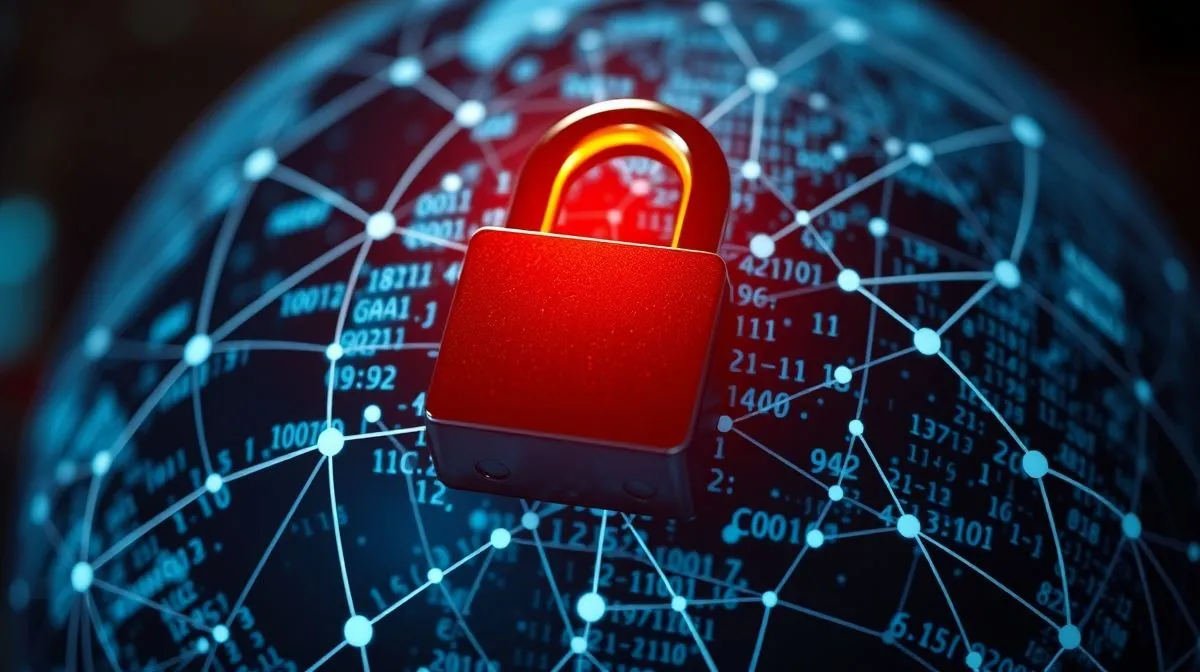
How to Enforce Digital Content Rights Online: A Comprehensive Guide
Imagine pouring your heart and soul into creating a masterpiece – a compelling e-book, a groundbreaking software, a captivating song, or stunning photography. You publish it online, only to discover it's been stolen, copied, or used without your permission, spreading across the internet like wildfire. The feeling of violation is immense, and the financial implications can be devastating. This isn't just a hypothetical scenario; it's a daily reality for countless creators in the digital age.
In the vast, interconnected digital realm, content creators face an unprecedented challenge: protecting their intellectual property from infringement. The ease with which digital content can be copied and distributed makes piracy a constant threat, eroding potential revenue and diminishing the value of original work. So, how do you fight back? How do you ensure your hard work isn't exploited, and your creative legacy remains intact?
This definitive guide will equip you with the knowledge and strategies necessary to effectively enforce digital content rights online. We'll delve into the foundational principles of digital rights, explore proactive measures to build a strong defense, detail reactive solutions for when infringement occurs, and navigate the complex legal pathways available. By the end of this reading, you'll be empowered to safeguard your creative assets in the digital age, understanding both the preventative steps and the decisive actions required.
Understanding Digital Content Rights: The Foundation
Before diving into enforcement, it's crucial to grasp what digital content rights entail. These are the legal protections afforded to creators of original works, granting them exclusive control over how their creations are used, distributed, and reproduced.
What Constitutes Digital Content?
Digital content is a broad category encompassing virtually any creative work that exists in a digital format. This includes, but is not limited to:
- Textual works: E-books, articles, blog posts, software code, research papers.
- Visual works: Photographs, illustrations, graphic designs, digital art, videos, animations.
- Audio works: Music, podcasts, audiobooks, sound effects.
- Software and databases: Applications, games, proprietary algorithms, compiled datasets.
Each of these forms of content, when original, typically qualifies for some form of legal protection, primarily copyright.
Key Types of Digital Rights
While various intellectual property rights exist, copyright is the most pertinent for digital content creators:
- Copyright: This is the fundamental right that protects original works of authorship fixed in a tangible medium of expression, including digital formats. In many countries, copyright protection is automatic upon creation, meaning you don't need to register it for it to exist. However, registration offers significant advantages, as we'll discuss later. Copyright grants the creator exclusive rights to reproduce, distribute, perform, display, and create derivative works from their content.
- Moral Rights: Often accompanying copyright, moral rights protect the creator's personal and reputational connection to their work. These typically include the right of attribution (to be identified as the author) and the right of integrity (to object to distortion, mutilation, or other modification of the work that would be prejudicial to the author's honor or reputation).
- Trademarks: While less common for the content itself, trademarks protect brand names, logos, and slogans associated with your digital products or services. For example, a software company's logo would be trademarked, even if the software code is copyrighted.
Why Protecting Your Digital Assets Matters More Than Ever
The digital landscape, while offering unprecedented reach, also presents unparalleled opportunities for infringement. Neglecting to protect your digital assets can lead to severe consequences:
- Financial Loss: Unauthorized use directly impacts your potential revenue from sales, licensing, or advertising. Piracy can devalue your content, making it harder to monetize legitimately.
- Reputational Damage: Stolen content, especially if modified or attributed incorrectly, can harm your professional reputation and credibility.
- Loss of Control: Without effective enforcement, you lose control over how your work is presented, distributed, and perceived, undermining your creative vision.
- Stifled Innovation: If creators cannot protect their work, the incentive to produce new, original content diminishes, leading to a less vibrant and innovative digital ecosystem.
Understanding these stakes underscores the critical importance of mastering how to enforce digital content rights online.
Proactive Measures: Building a Strong Defense
The best defense against infringement is a strong offense. Implementing proactive strategies can significantly reduce your vulnerability and strengthen your position should a dispute arise.
Copyright Registration: Your First Line of Defense
While copyright often exists automatically, registering your work with the relevant copyright office offers substantial benefits:
- Public Record: It creates a public record of your ownership, providing undeniable evidence in case of a dispute.
- Right to Sue: In many jurisdictions, including the United States, you must register your copyright before you can file an infringement lawsuit.
- Statutory Damages and Attorney's Fees: For registered works, you may be eligible for statutory damages (fixed monetary awards, regardless of actual loss) and recovery of legal fees, making litigation more feasible.
For U.S. creators, the U.S. Copyright Office provides comprehensive resources and online registration processes. Timely registration, ideally before publication or shortly thereafter, maximizes these benefits.
Implementing Digital Rights Management (DRM)
DRM refers to technologies used to control access to copyrighted material. While controversial among some users, DRM can be an effective barrier against casual infringement:
- Access Control: Limiting who can view, copy, print, or share content (e.g., encrypted e-books, streaming video with anti-piracy measures).
- Usage Control: Defining how content can be used (e.g., limiting the number of devices, prohibiting commercial use).
Examples include Adobe's DRM for PDFs, Apple's FairPlay for iTunes content (historically), and various proprietary systems used by streaming services. While not foolproof, DRM raises the bar for unauthorized access and redistribution.
Effective Licensing Strategies
Licensing your content clearly defines how others can use your work. A well-crafted license agreement is a powerful tool for protection and monetization:
- Clear Terms: Specify permitted uses, duration, geographic scope, and any associated fees.
- Types of Licenses: Consider exclusive licenses (granting sole rights), non-exclusive licenses (allowing multiple parties to use), or Creative Commons licenses (standardized public licenses that allow for various levels of use, from free sharing to commercial restriction).
Always ensure your licensing agreements are in writing and reviewed by legal counsel if the stakes are high.
Watermarking and Metadata Embedding
These techniques provide subtle yet effective ways to assert ownership and deter casual infringement:
- Watermarking: Visible (e.g., a semi-transparent logo on an image) or invisible (digital watermarks embedded in audio/video that are imperceptible to the human senses but detectable by software).
- Metadata Embedding: Including copyright information, creator details, and usage rights within the file's metadata (e.g., EXIF data in photos, ID3 tags in MP3s). This information travels with the file and can serve as proof of origin.
Reactive Strategies: When Infringement Occurs
Despite proactive measures, infringement can still happen. Knowing how to react swiftly and effectively is crucial to minimizing damage and reclaiming your rights.
Monitoring for Infringement: Tools and Techniques
Vigilance is key. Regularly monitor the internet for unauthorized use of your content:
- Search Engines: Use specific search queries (e.g., your content title + 'free download', or reverse image search).
- Specialized Services: Tools like Copyscape for text, ImageRights for images, or various content ID systems for audio/video can automate monitoring and detect matches.
- Social Listening Tools: Monitor mentions of your brand or content across social media platforms.
Early detection allows for a quicker response, often preventing widespread dissemination.
The Power of the DMCA Takedown Notice
The Digital Millennium Copyright Act (DMCA) is a U.S. copyright law that provides a powerful mechanism for content owners to request the removal of infringing material from websites or online services hosted in the U.S. or by U.S. companies. Many international platforms also adhere to DMCA principles.
A DMCA Takedown Notice is a formal request sent to the Online Service Provider (OSP) hosting the infringing content. Key elements of a valid notice include:
- Identification of the copyrighted work.
- Identification of the infringing material and its location.
- A statement that the complaining party has a good-faith belief that the use is not authorized.
- A statement that the information in the notice is accurate, and under penalty of perjury, that the complaining party is authorized to act on behalf of the copyright owner.
- Your contact information and signature.
Upon receiving a valid DMCA notice, the OSP is typically obligated to remove the content promptly to qualify for 'safe harbor' protection from liability. This is often the quickest and most cost-effective way to get infringing content offline. Resources like DMCA.com offer services and information for sending these notices, though you can also send them directly.
Cease and Desist Letters: A Formal Warning
A cease and desist letter is a formal document sent to the infringer, demanding that they stop the unauthorized activity. While not legally binding like a court order, it serves several purposes:
- Formal Notification: It clearly informs the infringer of their violation and your intent to protect your rights.
- Deterrent: Many infringers, especially casual ones, will comply upon receiving a formal letter from an attorney.
- Foundation for Litigation: It establishes a record of your efforts to resolve the issue amicably before resorting to legal action.
It's often advisable to have an attorney draft this letter to ensure its legal efficacy and proper tone.
Navigating Social Media and Platform Policies
Most major social media platforms (YouTube, Facebook, Instagram, TikTok, etc.) and online marketplaces have their own robust copyright infringement reporting mechanisms. These are often streamlined processes designed to handle large volumes of complaints. Familiarize yourself with the specific reporting tools for each platform where your content might be infringed. While these systems are efficient, they typically only remove content from their specific platform, not from the broader internet.
Legal Pathways: Seeking Redress and Damages
When proactive and reactive measures fall short, legal action may be necessary. This is where understanding the judicial process becomes vital.
Understanding Copyright Infringement Litigation
Filing a copyright infringement lawsuit is a serious step, typically reserved for significant or repeated infringements, or when substantial damages are sought. The process involves:
- Filing a Complaint: Initiating the lawsuit in federal court (in the U.S.).
- Discovery: Exchanging information and evidence with the opposing party.
- Negotiation/Settlement: Many cases settle before trial.
- Trial: If no settlement is reached, the case proceeds to trial.
Successful litigation can result in various remedies, including injunctions (court orders to stop infringement), actual damages (your proven financial losses), statutory damages (predetermined amounts per infringement, available for registered works), and recovery of attorney's fees.
International Considerations in Digital Rights Enforcement
The internet knows no borders, but copyright laws do. Enforcing digital rights internationally can be complex due to varying national laws. However, international treaties like the Berne Convention for the Protection of Literary and Artistic Works (administered by WIPO) simplify matters by ensuring that works copyrighted in one member country are recognized in others. Despite this, pursuing legal action across borders often requires navigating different legal systems and can be costly. This is where DMCA notices and platform-specific takedowns often provide a more practical global solution.
Alternative Dispute Resolution (ADR)
Before or instead of litigation, consider ADR methods:
- Mediation: A neutral third party facilitates discussions to help both sides reach a mutually agreeable settlement.
- Arbitration: A neutral third party hears both sides and makes a binding decision.
ADR can be faster, less expensive, and more private than traditional litigation, making it an attractive option for resolving disputes efficiently.
Common Mistakes to Avoid in Digital Rights Enforcement
Even with the right intentions, missteps in enforcing your digital rights can undermine your efforts or even backfire. Be aware of these common pitfalls:
Ignoring the Problem
Allowing infringement to go unchecked can set a dangerous precedent. It signals to infringers that your content is fair game, potentially encouraging more widespread piracy. Furthermore, prolonged inaction can sometimes weaken your legal standing, suggesting you don't actively defend your rights.
Lack of Documentation
Proof is paramount in any dispute. Failing to maintain meticulous records of your creative process, dates of creation, publication, and evidence of infringement (screenshots, URLs, communication logs) can severely hinder your ability to prove ownership or the extent of the infringement.
Over-Aggressive or Misdirected Actions
Sending frivolous DMCA notices or making unsubstantiated legal threats can lead to counter-notices, legal challenges, or even reputational damage. Ensure your claims are legitimate and well-researched before taking action. Targeting the wrong party (e.g., a user instead of the hosting provider) also wastes valuable time and resources.
Neglecting Professional Legal Counsel
While DIY solutions exist for basic takedowns, complex or high-stakes infringements warrant professional legal advice. An experienced intellectual property attorney can assess your situation, advise on the best course of action, draft legally sound documents, and represent your interests effectively. Attempting to navigate intricate copyright law without expertise can lead to costly errors.
Case Studies and Practical Examples
Numerous creators and companies have successfully protected their digital content. For instance, independent photographers regularly use services that monitor image usage online, leading to licensing agreements or takedown notices for unauthorized uses. Similarly, authors leverage DMCA notices to remove pirated copies of their e-books from file-sharing sites. In the music industry, major labels and artists constantly employ sophisticated content ID systems to identify and monetize (or block) unauthorized uses of their tracks on platforms like YouTube, demonstrating how proactive technology combined with reactive legal frameworks can effectively enforce digital content rights online on a massive scale.
Conversely, high-profile cases like the various lawsuits against peer-to-peer file-sharing services (e.g., Napster, Grokster) illustrate the persistent battle between content owners and widespread infringement. These cases, while costly and lengthy, have been instrumental in shaping digital copyright law and establishing precedents for online responsibility, reinforcing the necessity of robust enforcement strategies.
The Future of Digital Content Protection
The digital landscape is constantly evolving, and so too are the challenges and solutions for content protection.
Emerging Technologies and Their Impact
- Blockchain for IP: Distributed ledger technology offers immutable timestamps and records of creation, potentially simplifying proof of ownership and tracking content usage.
- AI in Monitoring and Enforcement: Artificial intelligence is increasingly used to automatically detect infringement, identify patterns of piracy, and even assist in drafting legal documents.
- Deepfakes and AI-Generated Content: The rise of sophisticated AI that can mimic human voice, image, and video poses new challenges regarding authenticity and potential infringement, requiring new legal and technological countermeasures.
Evolving Legal Frameworks
Legislators worldwide are continually adapting copyright laws to keep pace with technological advancements. Discussions around platform liability, fair use in the age of AI, and global harmonization of digital rights are ongoing. Staying informed about these developments will be crucial for creators and rights holders.
Frequently Asked Questions (FAQ)
Is copyright automatic for digital content? Yes, in most countries that are signatories to the Berne Convention, copyright protection is automatic upon the creation and fixation of an original work in a tangible form, including digital files. However, registering your copyright (e.g., with the U.S. Copyright Office) offers significant additional legal benefits for enforcement.
What is a DMCA Takedown Notice and how does it work? A DMCA Takedown Notice is a formal request sent to an online service provider (OSP) to remove infringing copyrighted material hosted on their servers. It requires specific information about the copyrighted work and the infringing material. Upon receiving a valid notice, the OSP typically removes the content to avoid liability under the DMCA's 'safe harbor' provisions.
Can I enforce my digital rights internationally? While international treaties like the Berne Convention provide a baseline for recognition of rights across borders, actual enforcement can be complex due to varying national laws and judicial systems. DMCA notices and platform-specific takedowns are often the most practical global tools for content removal, but full legal action usually requires navigating local laws.
What's the difference between copyright and a trademark for digital content? Copyright protects original creative works (like your e-book, song, or software code). A trademark protects brand elements like names, logos, and slogans that identify the source of goods or services. So, your e-book's content is copyrighted, but its title or your author's logo might be trademarked.
When should I hire a lawyer for digital content infringement? You should consider hiring a lawyer when the infringement is significant, causing substantial financial loss, or if the infringer is uncooperative. A lawyer is also essential for drafting cease and desist letters, navigating complex legal issues, or pursuing litigation, especially if you seek damages or an injunction.
Recommended Reading
- The Unseen Fallout: What Happens If You Don't Reaffirm Your Car Loan?
- Ship Collision at Sea: What Happens After Impact? Your Guide
- Denied License? How to Appeal and Win (Ultimate Guide)
- Unlock Online Brand Protection: Essential Legal Strategies Revealed!
- Unmasking Hidden Dangers: How to Identify Antitrust Issues in Corporate Deals?
Conclusion
Protecting your digital content in an increasingly interconnected world is no longer optional; it's a fundamental necessity for creators and businesses alike. From establishing clear ownership through copyright registration and robust licensing to deploying proactive DRM solutions and diligently monitoring for unauthorized use, a multi-faceted approach is key. When infringement inevitably occurs, understanding how to effectively issue DMCA takedown notices, send formal cease and desist letters, and, if necessary, pursue legal remedies, empowers you to reclaim control over your intellectual property. By combining vigilance with strategic action, you can confidently navigate the complexities of the digital landscape, ensuring your creative works are protected and your rights are upheld.

Comments
Leave a comment below. Your email will not be published. Required fields marked with *