



How to Legally Challenge Executive Overreach on Individual Liberties?
For over two decades in Constitutional Law, I've witnessed firsthand the delicate dance between governmental power and individual freedoms. There's a palpable tension that arises when executive actions appear to stretch beyond their constitutional bounds, often leaving citizens feeling disempowered and uncertain of their rights.
The problem is clear: unchecked executive power can incrementally erode the bedrock of our individual liberties, from speech and assembly to due process and privacy. This erosion isn't always overt; sometimes it's a subtle shift in regulatory authority or an expansive interpretation of emergency powers, creating a chilling effect that stifles dissent and curtails personal autonomy. The feeling of helplessness in the face of such power is a common and understandable pain point for many.
But I'm here to tell you that this feeling is not the end of the story. This article will not only define what constitutes executive overreach but, more importantly, will empower you with a comprehensive understanding of the legal frameworks, actionable strategies, and expert insights necessary to effectively challenge it. We'll explore the foundational principles, primary legal avenues, and strategic considerations that can turn a sense of powerlessness into a pathway for redress and the protection of fundamental rights.
Understanding the Landscape: What Constitutes Executive Overreach?
Before we can discuss challenging executive overreach, it's crucial to understand what it actually means. In essence, executive overreach occurs when the executive branch, typically the President or a governor, acts beyond the powers granted to it by the Constitution or by statute. Our system of government is built on the principle of the separation of powers, dividing authority among the legislative, executive, and judicial branches to prevent any single branch from becoming too powerful.
Executive overreach can manifest in various forms. It could be an executive order that appears to legislate rather than merely administer existing laws, or the invocation of emergency powers in situations that don't meet constitutional thresholds. It might involve regulatory actions by executive agencies that exceed their delegated authority, or even the use of executive privilege to obstruct legitimate oversight. These actions, when they infringe upon individual liberties, become ripe for legal challenge.
The framers of the Constitution understood the human tendency towards accumulating power, which is why they meticulously crafted a system of checks and balances. When the executive branch oversteps, it disrupts this delicate balance, potentially jeopardizing the very liberties the Constitution was designed to protect. Recognizing these boundaries is the first step in defending them.
"True liberty exists not in the absence of government, but in the constitutional limits placed upon it."

The Foundational Principle: Standing to Sue
One of the most critical initial hurdles in challenging executive overreach is establishing "standing to sue." In the American legal system, you can't simply sue the government because you disapprove of a policy. You must demonstrate that you have a sufficient connection to and harm from the law or action challenged.
What is Standing?
Standing requires three core elements, as articulated by the Supreme Court: First, an injury-in-fact – this means you must have suffered an actual or imminent, concrete, and particularized harm. It cannot be a hypothetical or generalized grievance. Second, causation – the injury must be fairly traceable to the challenged action of the defendant, in this case, the executive branch. Third, redressability – it must be likely, not merely speculative, that a favorable judicial decision will remedy the injury.
Navigating Procedural Hurdles
Beyond the core elements of standing, litigants must also contend with other procedural doctrines that can limit judicial review. These include ripeness, which requires that a case be sufficiently developed for judicial resolution, meaning the injury must have occurred or be imminent, not just speculative. Mootness, on the other hand, means that if the controversy has already been resolved or conditions have changed such that a court's decision would no longer have practical effect, the case may be dismissed. Finally, the political question doctrine may prevent courts from hearing cases that involve issues best left to the political branches, though this doctrine is applied narrowly, especially when individual rights are at stake.
Case Study: The Green Valley Preservation League v. Governor Thorne
The Green Valley Preservation League, a non-profit environmental advocacy group, faced a significant challenge when Governor Thorne issued an executive order permitting rapid, unregulated industrial development in a protected wetland area, citing economic stimulus. Initially, their standing was questioned by the state's Attorney General, who argued that the League's grievance was too generalized.
However, the League meticulously documented 'injury-in-fact' by presenting affidavits from members who regularly used the wetlands for birdwatching, scientific research, and recreational activities, detailing how the proposed development would directly destroy their unique interests and experiences. They established 'causation' by linking the imminent destruction of the wetlands directly to Governor Thorne's executive order, which bypassed existing environmental review processes. Finally, they proved 'redressability' by demonstrating that an injunctive order from the court, halting the development, would directly prevent the irreparable harm. The court agreed, granting them standing and ultimately issuing a temporary injunction, highlighting the importance of concrete evidence of harm tied directly to the executive action. This case served as a crucial precedent, emphasizing that even non-economic interests can form the basis of a legitimate injury-in-fact when challenging executive overreach.
| Type of Injury | Description | Example |
|---|---|---|
| Economic Harm | Direct financial loss, increased costs, loss of business opportunity. | A business losing contracts due to an executive order. |
| Environmental Harm | Damage to natural resources, loss of recreational access, health impacts from pollution. | Destruction of a natural habitat by government-approved development. |
| Reputational Harm | Damage to professional standing or public image due to government action. | A professional sanctioned under a questionable executive directive. |
| Privacy Violation | Unlawful surveillance, data collection, or disclosure of personal information. | Government collection of personal data without due process. |
| First Amendment Harm | Suppression of speech, assembly, religion, or press. | A protest permit denied without legitimate constitutional grounds. |
Primary Legal Avenues for Challenge
Once standing is established, several powerful legal avenues exist to challenge executive overreach. These pathways leverage different constitutional principles and statutory requirements to hold the executive accountable.
1. Declaratory Judgments and Injunctive Relief
These are common and often immediate forms of judicial intervention. A declaratory judgment is a court order that defines the legal rights and obligations of the parties involved. For instance, a court might declare an executive order unconstitutional or beyond the scope of presidential authority. An injunction is a court order requiring a party to do or refrain from doing a specific act. A preliminary injunction, often sought early in a case, can temporarily halt an executive action while the case proceeds, preventing irreparable harm. To obtain an injunction, plaintiffs typically must show a likelihood of success on the merits, irreparable harm without the injunction, that the balance of equities favors an injunction, and that an injunction is in the public interest.
- File a Complaint: Initiate a lawsuit in the appropriate federal or state court, clearly outlining the executive action challenged and the legal grounds for the challenge.
- Seek Preliminary Injunction: Simultaneously file a motion for a preliminary injunction to halt the executive action while the case is litigated.
- Present Evidence: Provide affidavits, expert testimony, and legal arguments demonstrating the unconstitutionality or illegality of the executive action and the irreparable harm it causes.
- Argue the Merits: Present full legal arguments for a permanent injunction or declaratory judgment, proving the executive overreach.
2. Statutory Challenges: Exceeding Delegated Authority
Many executive actions are taken under authority delegated by Congress through statutes. A common challenge arises when the executive branch interprets or applies these statutes in a way that exceeds the authority Congress intended to grant. This is often litigated under the Administrative Procedure Act (APA), which allows courts to review agency actions to determine if they are "arbitrary, capricious, an abuse of discretion, or otherwise not in accordance with law," or if they are "in excess of statutory jurisdiction, authority, or limitations, or short of statutory right." This avenue asserts that the executive has overstepped its statutory, not necessarily constitutional, bounds.
3. Constitutional Challenges: Due Process & Fundamental Rights
This is where the core of individual liberties often comes into play. Challenges can be brought under various constitutional provisions, most notably the Fifth and Fourteenth Amendments' Due Process Clauses. These clauses guarantee both procedural due process (fair procedures when the government deprives someone of life, liberty, or property) and substantive due process (protecting certain fundamental rights from government interference, regardless of the procedures used). Specific fundamental rights, such as freedom of speech, religion, assembly (First Amendment), or protection against unreasonable searches and seizures (Fourth Amendment), are also frequently invoked. Executive actions that curtail these rights without a compelling government interest and narrowly tailored means are highly susceptible to challenge. According to a study by the American Civil Liberties Union (ACLU), constitutional challenges to executive actions have seen a significant rise in recent decades, with a notable success rate in cases involving violations of the First Amendment, demonstrating the judiciary's vital role in safeguarding these fundamental freedoms.
For a deeper dive into judicial review of executive actions, consider resources like the Legal Information Institute at Cornell Law School.
4. Habeas Corpus Petitions: Challenging Unlawful Detention
The "Great Writ" of habeas corpus, enshrined in Article I, Section 9 of the Constitution, allows individuals to challenge their unlawful detention. While often associated with criminal proceedings, it can be a vital tool against executive overreach in cases of arbitrary or unconstitutional executive detention, particularly in contexts like immigration or national security. It forces the government to justify the legal basis for a person's confinement, acting as a crucial check on executive power to detain individuals.
5. Mandamus Actions: Compelling Official Duty
A writ of mandamus is a court order compelling a government official to perform a specific duty that they are legally required to do. This is typically used when an executive official fails to perform a non-discretionary, ministerial duty imposed by law. While less common for broad policy challenges, it can be effective in forcing an executive agency to comply with a clear statutory mandate that impacts individual rights, for example, processing applications or releasing information as required by law.
The Role of Advocacy Groups and Public Opinion
While individual legal challenges are crucial, the collective power of advocacy groups and the influence of public opinion cannot be overstated in the fight against executive overreach. These elements often provide the necessary infrastructure, resources, and momentum for successful legal and political challenges.
Leveraging Collective Power
Organizations like the American Civil Liberties Union (ACLU), the Electronic Frontier Foundation (EFF), and various specialized legal aid societies play an indispensable role. They often have the expertise, financial resources, and network of lawyers to take on complex, high-stakes cases that individuals might not be able to pursue alone. These groups frequently file amicus curiae (friend of the court) briefs in significant cases, offering additional legal arguments and data to support challenges to executive actions. Their ability to identify patterns of overreach across different jurisdictions or affecting various populations makes their involvement particularly impactful.
Shaping the Narrative
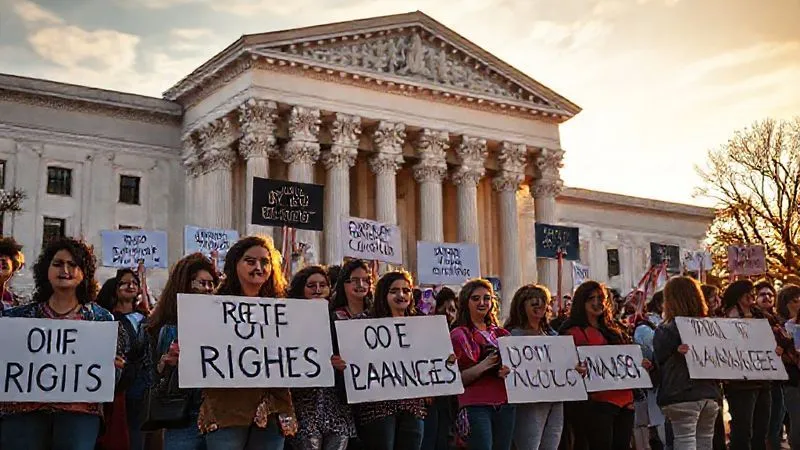
Beyond the courtroom, public opinion can exert significant pressure on the executive branch and even influence judicial outcomes. Advocacy groups are skilled at raising public awareness, educating citizens about their rights, and mobilizing support through media campaigns, protests, and grassroots organizing. When a large segment of the population understands and opposes an executive action, it creates a political environment that can compel legislative action, encourage judicial scrutiny, or even prompt the executive to reconsider its stance. A well-informed public, empowered by clear communication from trusted sources, is a powerful check on governmental power.
Strategic Considerations for Litigants
Challenging executive overreach is rarely a straightforward endeavor. It requires careful strategic planning, a deep understanding of legal procedures, and often, significant fortitude. As an experienced constitutional lawyer, I've learned that success hinges not just on the merits of the case but also on the strategic choices made along the way.
Choosing the Right Forum
One of the first strategic decisions is determining whether to file suit in state or federal court. This depends heavily on the nature of the executive action and the specific legal grounds for the challenge. Federal courts are typically appropriate for challenges based on the U.S. Constitution or federal statutes, while state courts handle challenges to state executive actions based on state constitutions or statutes. Sometimes, an action might have both state and federal implications, requiring a careful jurisdictional analysis. Understanding the precedents, judicial philosophy, and procedural rules of a particular court can significantly impact the likelihood of success.
Assembling Your Legal Team
These cases are complex and often involve intricate constitutional questions, administrative law, and procedural nuances. It is imperative to assemble a legal team with specialized expertise in constitutional law, administrative law, and appellate litigation. An experienced lawyer can help navigate the complexities of standing, ripeness, and mootness, craft compelling legal arguments, and anticipate the government's defenses. Many civil liberties organizations offer pro bono or reduced-fee legal assistance for meritorious cases, which can be invaluable.
The Long Game: Persistence and Appeals
Challenging governmental power is almost always a marathon, not a sprint. Executive agencies and government attorneys are well-resourced and often prepared for prolonged litigation. Cases involving executive overreach frequently involve multiple stages, from initial motions to dismiss, through discovery, summary judgment, trial, and often, appeals to higher courts. Litigants must be prepared for a long and potentially costly battle, requiring persistence, resilience, and a steadfast commitment to the principles at stake. The willingness to appeal an unfavorable ruling is often critical, as higher courts can set important precedents.
"Challenging government power is not for the faint of heart; it requires conviction, strategy, and an unwavering commitment to principle."
For insights into the strategic complexities of constitutional litigation, exploring resources like the Yale Law Journal can provide valuable academic perspectives.
Preventing Future Overreach: A Proactive Approach
While legal challenges are vital reactive measures, a truly robust defense of individual liberties also requires proactive engagement to prevent executive overreach from occurring in the first place. As citizens, we have a collective responsibility to uphold the checks and balances designed to protect our freedoms.
Active Civic Engagement
The most fundamental proactive step is active civic engagement. This includes exercising your right to vote in all elections – federal, state, and local – and carefully considering candidates' stances on constitutional principles and the separation of powers. Beyond voting, it means contacting your elected representatives to express concerns about potential executive actions, participating in public hearings, and supporting organizations that monitor governmental power. An informed and engaged citizenry is the strongest bulwark against overreach.
Supporting Constitutional Education
A well-educated populace is better equipped to recognize and resist encroachments on liberty. Supporting initiatives that promote constitutional literacy – in schools, communities, and through public discourse – is crucial. When citizens understand their rights and the limitations of government power, they are more likely to demand accountability and challenge abuses. Ignorance of constitutional principles creates fertile ground for overreach.
Checks and Balances Reinforcement
We must advocate for the strengthening of institutional checks and balances. This includes supporting legislative oversight of the executive branch, demanding transparency from government agencies, and advocating for an independent judiciary free from political pressure. A strong, independent press also plays a critical role in holding power accountable by investigating and reporting on executive actions that might otherwise go unnoticed. The health of our democracy depends on these interconnected systems functioning effectively.
| Proactive Strategy | Description | Impact |
|---|---|---|
| Vote Consciously | Research candidates' constitutional views and track records on executive power. | Elects representatives who respect constitutional limits. |
| Contact Representatives | Communicate concerns about specific executive actions or proposed policies. | Influences legislative oversight and policy decisions. |
| Support Advocacy Groups | Donate, volunteer, or follow organizations dedicated to civil liberties. | Provides resources for legal challenges and public education. |
| Promote Constitutional Literacy | Engage in discussions, share educational resources, support civics education. | Empowers citizens to recognize and challenge overreach. |
| Demand Transparency | Advocate for open government, FOIA requests, and public access to information. | Shines a light on executive actions, reducing hidden overreach. |
Frequently Asked Questions (FAQ)
Question? Can I challenge an executive order if I'm not directly affected?
Answer: Generally, no. The principle of "standing to sue" requires that you demonstrate a direct, concrete, and particularized injury-in-fact caused by the executive order. A generalized grievance shared with the public at large is usually insufficient. However, if you are a member of an organization that has demonstrated such an injury to its members, you might be able to participate through that organization.
Question? What's the typical timeline for a constitutional challenge?
Answer: Constitutional challenges to executive overreach are rarely quick. They often involve extensive discovery, motions, and potentially multiple levels of appeal. A case could take anywhere from several months to several years to reach a definitive resolution, especially if it involves complex legal questions or significant policy implications. Preliminary injunctions can provide quicker temporary relief, but the full merits of the case take time.
Question? Are there pro bono legal resources for these types of cases?
Answer: Yes, absolutely. Many non-profit organizations specialize in civil liberties and constitutional law, such as the American Civil Liberties Union (ACLU), the Electronic Frontier Foundation (EFF), and various legal aid societies. They often provide pro bono or low-cost legal assistance for cases that align with their mission and have significant public interest implications. It's highly recommended to reach out to such organizations if you believe you have a strong case.
Question? What is the 'political question doctrine' and how does it limit challenges?
Answer: The political question doctrine is a principle that directs courts to avoid ruling on issues that are more appropriately resolved by the political branches (the legislative or executive). It limits judicial review to prevent courts from intruding into areas of policy or discretion that the Constitution assigns to other branches. However, courts apply this doctrine narrowly, especially when individual constitutional rights are at stake, to ensure that fundamental liberties receive judicial protection.
Question? Does the current Supreme Court composition affect my chances of success?
Answer: The composition of the Supreme Court, or any court, can certainly influence the outcome of a case. Justices have different judicial philosophies and interpretations of constitutional provisions, which can lead to varying outcomes on issues of executive power and individual liberties. While the legal merits of a case remain paramount, the ideological leanings of the court are a practical consideration for litigants and their legal teams when assessing the potential for success, particularly in novel or highly contested areas of law.
Key Takeaways and Final Thoughts
- Understand "Standing": You must demonstrate a direct, concrete injury to legally challenge executive overreach.
- Know Your Avenues: Utilize declaratory judgments, injunctions, statutory challenges (e.g., APA), constitutional challenges (Due Process, Bill of Rights), habeas corpus, or mandamus actions.
- Strategic Litigation is Key: Choose the right court, assemble an expert legal team, and prepare for a potentially long battle.
- Leverage Collective Power: Advocacy groups provide invaluable resources, expertise, and public support.
- Be Proactive: Active civic engagement, constitutional education, and supporting institutional checks and balances are crucial for preventing future overreach.
The struggle to safeguard individual liberties against the potential for executive overreach is an enduring one, woven into the fabric of our constitutional democracy. While the challenges can be daunting, a deep understanding of your legal rights and the available avenues for recourse empowers you to act. As an experienced constitutional lawyer, I've seen that the defense of liberty often begins with a single, informed voice. By understanding how to legally challenge executive overreach on individual liberties, you not only protect your own rights but contribute to the enduring strength and resilience of our constitutional order. Your vigilance and willingness to engage are the ultimate guardians of freedom.
To explore the broader context of constitutional resilience and the role of legal challenges, refer to academic works such as those found in the JSTOR database for legal scholarship.
Recommended Reading
- Proving Deceptive Intent: 7 Keys to Unmasking Online Consumer Fraud
- Unmasking Online Defamers: 7 Legal Steps to Compel Platforms
- Navigating Off-Campus Speech: 7 Legal Steps for School Discipline
- Discovered Design Patent Infringement? 7 Urgent Steps to Act
- 5 Critical Steps When an Employee Refuses Reasonable ADA Accommodation





Comments
Leave a comment below. Your email will not be published. Required fields marked with *