



How to Legally Mitigate Corporate Carbon Emission Liability Risk?
For over two decades in environmental law, I've witnessed a dramatic shift in how corporate carbon emissions are perceived – from a distant environmental concern to an immediate, tangible legal and financial liability. I've seen companies, both large and small, grapple with the complexities of emerging climate regulations, often making costly missteps that expose them to significant risks. The era of 'greenwashing' without consequence is rapidly ending, replaced by an increasingly litigious and transparent landscape where accountability is paramount.
The pain point for many organizations is real and growing. You're not just facing evolving regulatory frameworks; you're contending with activist shareholders, consumer demands for sustainability, and a media landscape quick to highlight any perceived environmental transgression. The financial implications of legal challenges, fines, and reputational damage can be catastrophic, impacting everything from investor confidence to market valuation. It’s a multi-faceted challenge that demands a sophisticated, proactive legal strategy.
In this comprehensive guide, I'll draw upon my extensive experience to provide you with a robust framework for legally mitigating your corporate carbon emission liability risk. We’ll delve into actionable strategies, real-world analogies, and expert insights, moving beyond theoretical concepts to practical implementation. My goal is to equip you with the knowledge and tools to not only navigate this complex terrain but to transform potential liabilities into opportunities for sustainable growth and enhanced corporate resilience.
Understanding the Evolving Landscape of Carbon Liability
Before we can mitigate risk, we must understand its source. The legal landscape surrounding carbon emissions is a dynamic tapestry woven from international agreements, national legislation, and burgeoning common law claims. Ignoring these developments is akin to sailing without a compass in a gathering storm.
Global Regulatory Frameworks and National Implementation
The Paris Agreement set the stage, committing nations to ambitious decarbonization targets. This global accord trickles down into national and regional policies, manifesting as carbon pricing mechanisms (like the EU's Emissions Trading System), sector-specific emission limits, and mandatory reporting requirements. In the United States, while a federal cap-and-trade system hasn't materialized, states and agencies are enacting their own robust climate regulations, creating a patchwork of compliance obligations that businesses must meticulously navigate. For instance, California's AB 32 and its cap-and-trade program offer a glimpse into the future of state-level carbon regulation.
Emerging Litigation Trends: A New Frontier of Legal Challenge
Beyond direct regulatory fines, companies now face an unprecedented wave of climate-related litigation. This includes: shareholder derivative suits alleging board negligence in managing climate risks; climate torts seeking damages for climate change impacts; and a surge in greenwashing claims, where companies are sued for misleading environmental claims. The legal theories are innovative, and the plaintiffs are increasingly sophisticated, backed by NGOs and well-funded legal teams. For example, recent cases have challenged fossil fuel companies for their historical contributions to climate change, while others have targeted corporations for inadequate climate disclosures.
Expert Insight: "The shift from voluntary corporate climate action to mandatory compliance and increasing litigation is the defining characteristic of today's environmental law. Proactive engagement with legal counsel is no longer optional; it's a strategic imperative for survival."
Pillar 1: Robust GHG Emissions Measurement and Reporting
You cannot manage what you do not measure. Accurate, verifiable Greenhouse Gas (GHG) emissions data forms the bedrock of any credible carbon liability mitigation strategy. Without it, your decarbonization efforts are guesswork, and your legal defenses are paper-thin.
Establishing Baselines and Defining Scope (1, 2, & 3)
The first step is to establish a comprehensive baseline of your organization's GHG emissions. This involves meticulously accounting for: Scope 1 emissions (direct emissions from owned or controlled sources, e.g., company vehicles, industrial processes); Scope 2 emissions (indirect emissions from the generation of purchased electricity, heating, or cooling); and critically, Scope 3 emissions (all other indirect emissions that occur in a company's value chain, both upstream and downstream). Scope 3, often the largest component, includes emissions from purchased goods and services, business travel, employee commuting, and the use of sold products. My experience shows that overlooking Scope 3 is a common and dangerous oversight, as it represents significant hidden liabilities.
Verification, Assurance, and Transparency
Once measured, your emissions data must be rigorously verified. Engaging independent third-party auditors provides crucial assurance, lending credibility to your reports and bolstering your defense against accusations of greenwashing or data manipulation. Transparency is key here; public disclosure of verified data, often following frameworks like the GHG Protocol or ISO 14064, demonstrates commitment and builds trust with stakeholders. This level of diligence can significantly reduce legal exposure by proving good faith and diligent effort.
- Identify Reporting Standards: Choose a recognized framework (e.g., GHG Protocol, TCFD) that aligns with your industry and regulatory obligations.
- Map Emission Sources: Systematically identify all operational activities contributing to Scope 1, 2, and 3 emissions.
- Collect Granular Data: Implement systems for continuous, accurate data collection from energy consumption, supply chain, waste, and transport.
- Calculate and Aggregate: Use appropriate emission factors to convert activity data into CO2e (carbon dioxide equivalent).
- Engage Third-Party Verification: Have an independent auditor review your data and methodology for accuracy and completeness.
- Disclose Publicly: Publish your verified emissions report in a clear, accessible format, demonstrating transparency.
The rigor applied here directly correlates with the strength of your legal position.

Pillar 2: Proactive Compliance and Policy Integration
Compliance isn't merely about avoiding penalties; it's about embedding environmental responsibility into your corporate DNA. A proactive approach means anticipating regulatory changes and integrating carbon management into your core business strategy, rather than treating it as an afterthought.
Internal Policy Development and ESG Integration
Developing robust internal policies that set clear carbon reduction targets and define responsibilities across departments is essential. This includes integrating Environmental, Social, and Governance (ESG) principles into your corporate governance structures. For example, linking executive compensation to decarbonization targets or establishing an internal carbon price can drive behavioral change. These internal policies serve as evidence of your commitment and due diligence, which can be crucial in a legal defense. I've observed that companies with strong internal ESG frameworks are far better equipped to respond to legal challenges and regulatory inquiries.
Continuous Legal Counsel Engagement and Regulatory Scanning
The regulatory landscape is a moving target. Engaging specialized environmental legal counsel on an ongoing basis is non-negotiable. They can provide timely updates on emerging legislation, interpret complex compliance requirements, and advise on best practices for avoiding legal pitfalls. Regular regulatory scanning, often facilitated by your legal team, ensures that your internal policies and operational practices remain aligned with the latest legal mandates. This proactive engagement helps identify potential non-compliance before it escalates into a formal investigation or lawsuit.
- Enhanced Legal Protection: Reduces the likelihood of fines, penalties, and litigation.
- Improved Reputation: Positions your company as a responsible corporate citizen, enhancing brand value.
- Access to Capital: Increasingly, investors prioritize companies with strong ESG performance and compliance.
- Operational Efficiency: Decarbonization efforts often lead to energy savings and operational improvements.
- Competitive Advantage: Early adopters of sustainable practices can gain a market edge.
For more detailed insights into global environmental regulations, I often direct clients to resources like the United Nations Environment Programme (UNEP), which offers comprehensive data on international environmental law.
Pillar 3: Strategic Decarbonization and Investment
The most effective way to mitigate carbon emission liability is to reduce emissions at their source. This requires strategic investment in decarbonization initiatives, moving beyond incremental changes to transformative shifts in energy consumption and operational processes.
Renewable Energy Transition: Direct Investment and PPAs
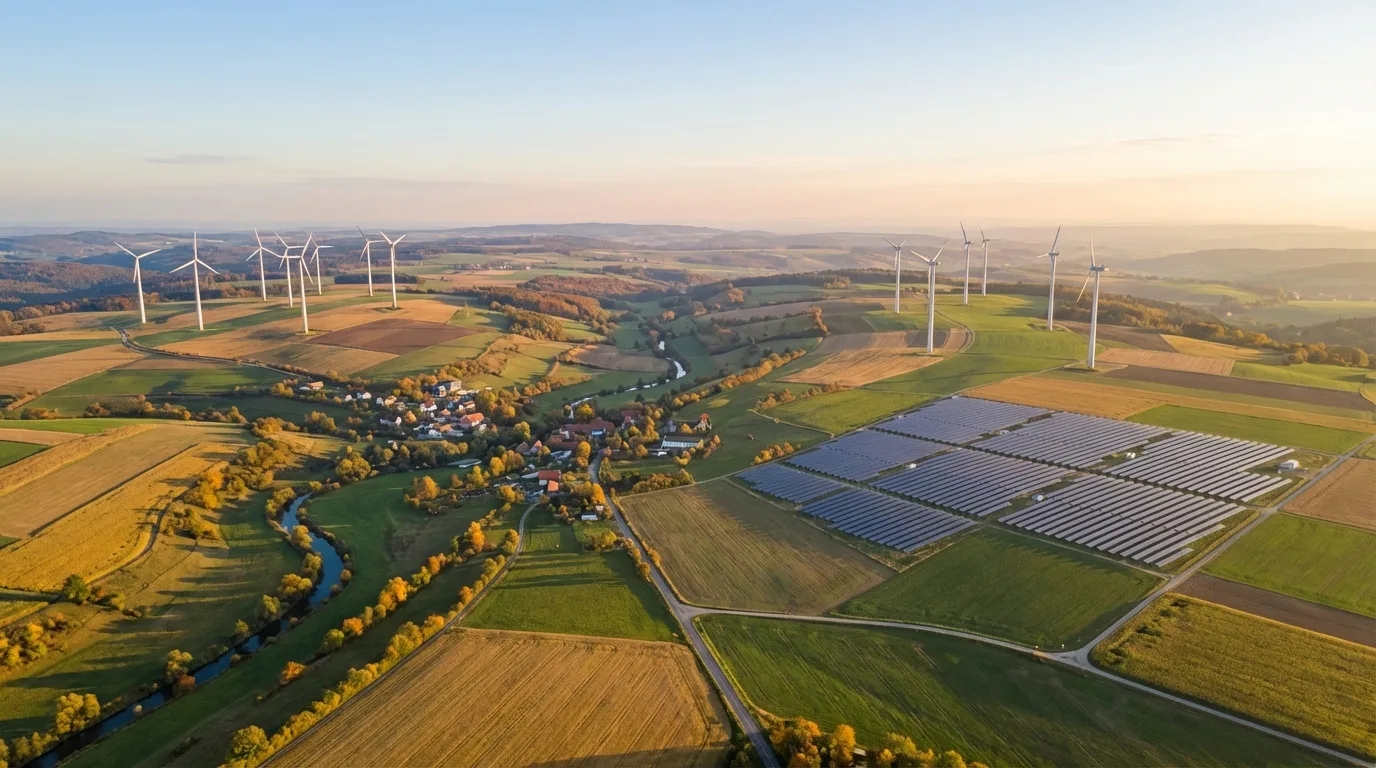
Transitioning to renewable energy sources is a cornerstone of decarbonization. This can involve direct investment in on-site solar or wind generation, or entering into Power Purchase Agreements (PPAs) for off-site renewable energy. PPAs, whether physical or virtual, allow companies to procure renewable electricity directly from developers, often at a fixed price, thereby hedging against energy price volatility and reducing Scope 2 emissions. Legally, these agreements need careful drafting to ensure the additionality of the renewable energy and proper allocation of Renewable Energy Certificates (RECs) to avoid double-counting or greenwashing claims.
Supply Chain Decarbonization: Engaging Suppliers and Scope 3 Reduction
Addressing Scope 3 emissions is perhaps the most challenging, yet crucial, aspect of decarbonization. This involves actively engaging your supply chain partners to reduce their own emissions. Strategies include: setting carbon performance requirements for suppliers, offering incentives for sustainable practices, collaborating on low-carbon innovation, and tracking supplier emissions data. From a legal perspective, contractual clauses can be incorporated into supplier agreements to mandate adherence to certain environmental standards and reporting. This not only mitigates your Scope 3 liability but also fosters a more resilient and sustainable supply chain.
| Strategy | Legal Benefit | Implementation Challenge |
|---|---|---|
| Direct Renewable Investment | Clear Scope 2 reduction, long-term energy cost stability | High upfront capital, site availability |
| Power Purchase Agreements (PPAs) | Scope 2 reduction, fixed energy costs, less capital expenditure | Complex contract negotiation, market volatility for virtual PPAs |
| Supply Chain Engagement | Scope 3 reduction, improved supplier relationships, reduced reputational risk | Data collection from multiple sources, supplier buy-in |
| Process Optimization | Scope 1 & 2 reduction, operational efficiency gains | Requires R&D, potential production disruption |
Pillar 4: Effective Carbon Offsetting and Insetting Strategies
While direct emission reduction is paramount, there may be residual emissions that are currently unavoidable. Here, carbon offsetting and insetting can play a role, but they come with significant legal and reputational risks if not managed meticulously.
Navigating Carbon Markets: Voluntary vs. Compliance and Quality of Offsets
Carbon offsetting involves purchasing carbon credits that represent a verified reduction or removal of GHG emissions elsewhere. There are two main markets: compliance markets (e.g., EU ETS, California Cap-and-Trade), where credits are legally mandated for compliance, and voluntary markets, where companies purchase credits to meet internal sustainability goals. The legal risk in voluntary markets lies in the quality of the offset. Companies must ensure credits are from projects that are: additional (wouldn't have happened without the offset funding), permanent (emissions reductions are lasting), verifiable, and avoid leakage (emissions reduction in one area doesn't cause an increase elsewhere). Poor-quality offsets can lead to accusations of greenwashing and severe reputational damage, as well as legal challenges.
Insetting for Value Chain Impact
Insetting refers to carbon reduction activities undertaken within a company's own value chain. Unlike traditional offsetting, which often involves external projects, insetting focuses on improving environmental performance directly within the supply chain or operational footprint. Examples include investing in sustainable agriculture practices for a food company's suppliers or funding reforestation projects on land owned by a timber company. Legally, insetting offers a more direct and verifiable link to your corporate impact, making claims of emission reduction more defensible and reducing the risk of greenwashing allegations. It demonstrates a deeper commitment to sustainability beyond simply buying credits.
Expert Insight: "When considering offsets, always prioritize quality over quantity. A handful of truly additional, permanent, and verifiable credits are infinitely more valuable, and legally defensible, than a vast portfolio of questionable ones. The legal and reputational costs of a 'bad' offset can far outweigh any perceived benefit."

Pillar 5: Climate-Related Financial Disclosures and Transparency
The financial world is increasingly demanding transparency on climate risks and opportunities. Failure to provide adequate disclosures can lead to significant legal and financial repercussions, particularly from investors and regulators.
TCFD Recommendations and Beyond: SEC, ISSB
The Task Force on Climate-related Financial Disclosures (TCFD) has become the gold standard for voluntary climate disclosure, guiding companies to report on governance, strategy, risk management, and metrics/targets related to climate change. Increasingly, these voluntary recommendations are becoming mandatory. The U.S. Securities and Exchange Commission (SEC) has proposed rules for mandatory climate disclosures, and the International Sustainability Standards Board (ISSB) is developing global baseline standards. Companies must understand these evolving requirements and prepare to disclose not just their emissions, but also the physical and transition risks climate change poses to their business models, as well as their mitigation strategies. This is a critical area where inadequate disclosure can directly lead to legal action for misrepresentation or omission.
Greenwashing Risk Mitigation: Ensuring Claims are Verifiable
The line between legitimate sustainability claims and greenwashing is becoming increasingly fine, and legal scrutiny is intensifying. Companies must ensure that all public statements, marketing materials, and financial disclosures related to carbon emissions are accurate, verifiable, and not misleading. This means backing up every claim with robust data, avoiding vague terminology, and being transparent about methodologies and limitations. I've seen countless instances where well-intentioned but poorly articulated green claims have backfired, leading to costly litigation and severe reputational damage. Legal review of all climate-related communications is absolutely essential.
Case Study: How EcoSolutions Inc. Mastered TCFD Reporting
EcoSolutions Inc., a mid-sized renewable energy developer, initially struggled with the complexity of TCFD reporting. Their first attempts were generic, focusing heavily on positive impacts without adequately addressing risks or governance. After engaging specialized legal and financial advisors, they undertook a rigorous internal review, identifying key climate-related risks (e.g., supply chain disruptions from extreme weather, policy changes affecting incentives) and opportunities (e.g., new market demand for battery storage). They then integrated these findings into their enterprise risk management framework and developed specific metrics and targets. Their subsequent TCFD report was highly detailed, transparent, and legally defensible, clearly outlining their governance, strategy, risk management processes, and performance metrics. This proactive approach not only satisfied investor demands but also positioned them as a leader in climate transparency, enhancing their market credibility and attracting more sustainable investment capital, thereby mitigating potential legal challenges related to disclosure inadequacies.
Staying abreast of disclosure requirements is vital. The TCFD website offers excellent resources and guidance on best practices.
Pillar 6: Environmental Due Diligence and M&A Considerations
Mergers and acquisitions (M&A) represent a significant flashpoint for inheriting or creating carbon emission liabilities. Thorough environmental due diligence is paramount to avoid acquiring unforeseen risks.
Pre-Acquisition Carbon Risk Assessment: Identifying Liabilities
Before any acquisition, a comprehensive carbon risk assessment must be part of your environmental due diligence. This goes beyond traditional environmental audits to specifically evaluate the target company's GHG emissions profile, compliance history with climate regulations, exposure to climate litigation, and the robustness of its decarbonization strategies. I advise clients to scrutinize the target's Scope 1, 2, and 3 emissions data, their adherence to reporting standards, any past or pending environmental enforcement actions related to carbon, and their projections for future climate-related capital expenditures. Failure to identify these liabilities upfront can lead to significant post-acquisition financial burdens and legal disputes.
Post-Acquisition Integration: Aligning Targets and Practices
Once an acquisition is complete, the work isn't over. The acquired entity's carbon management practices and targets must be swiftly integrated into the acquiring company's overarching ESG framework. This involves aligning reporting methodologies, harmonizing decarbonization goals, and ensuring compliance with all relevant regulations across the newly expanded portfolio. Legal teams play a critical role in drafting indemnities, warranties, and representations within M&A agreements to protect the acquiring company from undisclosed or underestimated climate liabilities. Proper integration not only mitigates inherited risks but also ensures that the combined entity presents a unified, legally defensible approach to carbon management.

Pillar 7: Litigation Preparedness and Risk Management
Despite best efforts, the risk of climate-related litigation remains. Being prepared is half the battle; having a robust risk management strategy and a skilled legal defense team can significantly influence outcomes.
Building a Robust Legal Counsel & Expert Network
Proactive engagement with specialized environmental legal counsel is crucial, not just for compliance but for litigation preparedness. This involves identifying and establishing relationships with law firms experienced in climate litigation, as well as building a network of technical experts (e.g., climate scientists, economists, engineers) who can provide expert testimony or analysis. This team can assist in developing a robust litigation strategy, assessing potential claims, and preparing necessary documentation. In my experience, the companies that fare best in litigation are those that have anticipated challenges and assembled their defense team long before a lawsuit is filed.
Scenario Planning & Stress Testing: Anticipating Legal Challenges
A key component of risk management is scenario planning. This involves identifying potential climate-related legal scenarios (e.g., a greenwashing lawsuit, a shareholder derivative action, regulatory enforcement for missed targets) and stress-testing your organization's ability to respond. What if a key supplier faces climate-related operational disruptions? What if a new regulation drastically alters your cost of carbon? By modeling these scenarios, companies can identify vulnerabilities in their legal and operational frameworks and develop contingency plans. This foresight allows for the strengthening of policies, disclosures, and operational practices to better withstand future legal challenges.
| Risk Category | Potential Impact | Mitigation Strategy |
|---|---|---|
| Regulatory Enforcement | Fines, operational restrictions, reputational damage | Proactive compliance, continuous legal scanning, internal audits |
| Climate Tort Litigation | Large damage awards, injunctions, reputational damage | Robust emissions reduction, transparent disclosures, expert legal defense team |
| Greenwashing Claims | Reputational harm, consumer boycotts, legal penalties | Verifiable claims, legal review of all communications, third-party assurance |
| Shareholder Activism/Litigation | Board challenges, shareholder resolutions, financial penalties | Strong ESG governance, TCFD disclosures, proactive investor engagement |
For further reading on the trends in climate litigation, a valuable resource is the Grantham Research Institute on Climate Change and the Environment, which regularly publishes reports on global climate litigation.

Frequently Asked Questions (FAQ)
Q: What's the biggest mistake companies make regarding carbon liability? The most significant error I've observed is treating carbon emissions as solely an environmental issue, disconnected from financial, legal, and operational strategy. This siloed approach leads to reactive, rather than proactive, measures, leaving companies vulnerable to unforeseen regulatory changes, investor scrutiny, and litigation. Integrating carbon management into core business strategy and risk management is crucial.
Q: How do Scope 3 emissions factor into legal liability, and are they as critical as Scope 1 and 2? Absolutely. While Scope 1 and 2 are direct liabilities, Scope 3 emissions, which often constitute the vast majority of a company's carbon footprint, are increasingly becoming a source of indirect legal and reputational risk. Regulators and investors are starting to demand Scope 3 disclosure, and activist groups are targeting companies for their entire value chain emissions. Neglecting Scope 3 can lead to greenwashing claims if a company claims sustainability without addressing its full footprint, and it can also expose them to supply chain disruptions due to climate impacts on suppliers.
Q: Are carbon credits a reliable way to avoid liability? Carbon credits can be part of a broader mitigation strategy, but they are not a silver bullet for avoiding liability. Their reliability depends entirely on their quality, additionality, permanence, and verifiability. Poor-quality credits can exacerbate greenwashing risks and lead to legal challenges. Companies should prioritize direct emission reductions and use high-quality, verified offsets only for truly unavoidable residual emissions, ensuring full transparency about their offsetting strategy.
Q: What's the role of the board in mitigating this risk? The board plays a pivotal role. They are ultimately responsible for overseeing the company's risk management strategy, including climate-related risks. This involves ensuring robust governance structures for climate oversight, approving climate-related strategies and targets, reviewing disclosures, and ensuring the company has the necessary resources and expertise to manage carbon liability. Boards that fail to adequately address climate risk can face shareholder derivative suits for breach of fiduciary duty.
Q: How does international law impact national corporate carbon liability? While international environmental law (like the Paris Agreement) doesn't directly impose liability on individual corporations, it creates the framework for national legislation. As countries commit to international targets, they enact domestic laws and regulations to achieve them. Therefore, changes in international climate policy often foreshadow and drive changes in national laws, which then directly impact corporate compliance obligations and potential liabilities. Furthermore, international human rights law is increasingly being invoked in climate litigation against corporations, suggesting a growing intersection of legal frameworks.
Key Takeaways and Final Thoughts
- Measure and Report Accurately: Foundational to any strategy is robust, third-party verified GHG emissions measurement across all scopes.
- Proactive Compliance is Key: Integrate carbon management into core business strategy and engage legal counsel continuously to navigate evolving regulations.
- Invest in Decarbonization: Prioritize direct emission reductions through renewable energy transition and supply chain engagement.
- Strategic Offsetting: Use high-quality carbon offsets judiciously for unavoidable emissions, ensuring transparency.
- Transparent Disclosures: Adhere to TCFD and emerging mandatory disclosure frameworks to build trust and mitigate greenwashing risks.
- Due Diligence in M&A: Thoroughly assess carbon liabilities in acquisitions to avoid inheriting unforeseen risks.
- Prepare for Litigation: Build a strong legal and expert network and conduct scenario planning to anticipate and respond to legal challenges.
The journey to legally mitigate corporate carbon emission liability risk is complex, demanding vigilance, strategic foresight, and unwavering commitment. However, by embracing these pillars, you not only protect your organization from escalating legal and financial threats but also position it as a resilient, responsible leader in the transition to a low-carbon economy. This isn't just about compliance; it's about building a sustainable future, and I am confident that with these strategies, your organization can thrive in this new era of environmental accountability.
Recommended Reading
- Win Your FCRA Case: Top 7 Legal Arguments Against Credit Bureaus
- 7 Strategies: Mitigating Legal Liability from State-Sponsored Cyber Attacks
- 7 Urgent Steps: Invoking Material Breach of an International Treaty?
- 5 Steps: Master Cross-Border Data Breach Notification Crisis?
- Safeguard Your Future: How to Protect Non-Exempt Assets in Bankruptcy




Comments
Leave a comment below. Your email will not be published. Required fields marked with *