



How to Legally Transition 1099 Contractors to W2 Employees?
For over 15 years in employment law, I've seen countless businesses, from startups to established enterprises, grapple with the intricate dance of worker classification. It’s a landscape fraught with potential missteps, where a seemingly minor oversight can lead to significant financial penalties, legal battles, and reputational damage. The distinction between an independent contractor and a W2 employee isn't just about paperwork; it’s about control, responsibility, and legal compliance.
Many well-intentioned companies initially rely on 1099 contractors for flexibility and cost savings. However, as business needs evolve, or as regulatory scrutiny intensifies, the true nature of these working relationships often shifts, quietly pushing them into the W2 employee territory. Ignoring this evolution is akin to driving with a ticking time bomb – the IRS, Department of Labor, and various state agencies are increasingly vigilant, and their audits are becoming more sophisticated.
This definitive guide is born from my direct experience navigating these complex transitions. I will walk you through the essential legal frameworks, strategic considerations, and practical, step-by-step processes required to legally transition 1099 contractors to W2 employees. You’ll gain actionable insights, learn from real-world scenarios, and discover how to execute this critical shift with confidence and full compliance, safeguarding your business for the long haul.
Understanding the Shifting Sands: Why Reclassify Now?
The employment landscape is dynamic, and what was acceptable a decade ago might now be a significant liability. Regulatory bodies, both federal and state, are increasingly focused on worker misclassification, driven by concerns over lost tax revenue and worker protections. High-profile cases and legislative changes, like California's AB5, serve as stark reminders that the 'gig economy' doesn't negate fundamental employment law principles.
Proactive compliance isn't just a best practice; it's a necessity for survival in today's business environment. The costs of misclassification can be astronomical, encompassing back taxes, penalties, interest, and even potential lawsuits for unpaid overtime, benefits, and workers' compensation. Beyond the financial implications, there's the invaluable cost of reputational damage, which can deter future talent and business opportunities.
"In my experience, the cost of proactive legal counsel and compliant reclassification is always a fraction of the cost of defending against a misclassification lawsuit or an IRS audit. Prevention is not just better than cure; it's often the only cure."
Furthermore, there are compelling strategic reasons to embrace the W2 model for core roles. Converting contractors to employees can foster greater team cohesion, loyalty, and commitment, leading to improved productivity and reduced turnover. Employees often feel more invested when they receive benefits, career development opportunities, and a clear path within the organization. This is a key part of how to legally transition 1099 contractors to W2 employees effectively.
- Increased Risk of Audits: Government agencies are actively pursuing misclassification cases.
- Significant Financial Penalties: Back taxes, interest, fines, and potential legal fees.
- Reputational Damage: Negative press and loss of trust in your brand.
- Talent Retention: Employees often have higher loyalty and engagement than contractors.
- Access to Benefits: Offering benefits can be a powerful recruitment and retention tool.

The Critical First Step: Reassessing Worker Classification
Before you even consider the transition, the absolute first step is a thorough and honest reassessment of your current worker classifications. This isn't about what you *want* them to be, but what they *legally are* based on the realities of the working relationship. Both federal and state agencies have tests they apply, and understanding them is paramount.
IRS 20-Factor Test: Key Indicators
While the IRS no longer uses a rigid 20-factor test, the underlying principles are still highly relevant and guide their audits. These factors generally fall into three categories: behavioral control, financial control, and the type of relationship. The more control you exert, the more likely the worker is an employee.
- Behavioral Control: Does the company control or have the right to control what the worker does and how the worker does their job? This includes instructions, training, and evaluation systems.
- Financial Control: Does the company control the business aspects of the worker’s job? This includes how the worker is paid, whether expenses are reimbursed, and who provides tools/supplies.
- Type of Relationship: Are there written contracts describing the relationship? Do you provide employee benefits? Is the relationship expected to continue indefinitely? Is the service the worker provides a key activity of the business?
As an expert, I always advise clients to focus on the 'right to control' – even if you don't exercise it, if you have the right, it weighs heavily towards an employer-employee relationship.
State-Specific Tests (e.g., ABC Test)
Many states, most notably California with its AB5 legislation (codified in Dynamex and subsequently codified by AB5), have adopted stricter 'ABC Tests' for worker classification. These tests often presume a worker is an employee unless the hiring entity can prove all three conditions:
- The worker is free from the control and direction of the hiring entity in connection with the performance of the work, both under the contract for the performance of the work and in fact.
- The worker performs work that is outside the usual course of the hiring entity’s business.
- The worker is customarily engaged in an independently established trade, occupation, or business of the same nature as the work performed for the hiring entity.
Failing just one prong of the ABC test typically means the worker must be classified as an employee. Understanding these state-specific nuances is crucial when you legally transition 1099 contractors to W2 employees. For more detailed federal guidance, consult the IRS's official guidance on independent contractor vs. employee.
Strategic Planning: Before You Make the Leap
Once you've identified workers who are likely misclassified or those you strategically wish to convert, the next phase involves meticulous planning. This isn't just a legal exercise; it's a significant business decision that impacts your finances, operations, and company culture.
Financial Implications: Payroll, Taxes, Benefits
Converting contractors to employees comes with increased costs, primarily due to employer-side taxes and the obligation to provide benefits. You'll be responsible for:
- Employer Payroll Taxes: FICA (Social Security and Medicare), FUTA (Federal Unemployment Tax Act), and SUTA (State Unemployment Tax Act).
- Workers' Compensation Insurance: Required for employees in most states.
- Employee Benefits: Health insurance, paid time off, retirement plans, etc. While not always legally mandated for small businesses, offering competitive benefits is essential for attracting and retaining talent.
It's critical to run detailed financial projections to understand the true cost implications. This will help you budget effectively and assess the long-term viability of the conversion for each role.
| Category | 1099 Contractor | W2 Employee |
|---|---|---|
| Employer Taxes | None (Worker pays self-employment tax) | FICA, FUTA, SUTA (Approx. 7.65% + State) |
| Benefits | None (Worker responsible) | Health insurance, PTO, 401k (Optional but expected) |
| Workers' Comp | None (Worker responsible) | Required (Employer cost) |
| Liability Risk | High (Misclassification penalties) | Lower (Compliance established) |
| Administrative Burden | Low (1099-NEC form) | High (Payroll, tax filings, HR) |
Operational Considerations and Employee Handbook Updates
Beyond finances, consider the operational shifts. How will these new employees integrate into your existing team? Will their roles require new management oversight, performance review processes, or training? Your existing employee handbook will need to be updated, or a new one created, to reflect policies relevant to all employees, covering everything from dress code and work hours to harassment policies and grievance procedures.
This is also an opportune moment to review job descriptions, ensuring they accurately reflect the duties and responsibilities of the newly classified employees, aligning with their W2 status. A clear job description is a key piece of evidence in supporting an employee classification.

The Legal Transition Process: Step-by-Step Implementation
Once you’ve completed your assessment and strategic planning, it's time to execute the conversion. This phase requires precision and careful communication to ensure a smooth, compliant transition.
- Consult Legal Counsel: This is non-negotiable. Engage an experienced employment law attorney to review your classification decisions, advise on state-specific requirements, and help draft necessary legal documents. They can guide you through how to legally transition 1099 contractors to W2 employees without missteps.
- Communicate with Contractors: Transparency is key. Schedule individual meetings with each contractor to explain the company's decision, the reasons behind it (e.g., regulatory changes, strategic shift), and the benefits of becoming a W2 employee. Be prepared to address concerns about changes in pay structure, benefits, and flexibility.
- Terminate Independent Contractor Agreements: Formally terminate existing 1099 agreements. Ensure all contractual obligations (e.g., final payments, return of company property) are met.
- Draft New W2 Employment Agreements: Create comprehensive employment contracts for the new W2 employees. These agreements should clearly define their role, responsibilities, compensation (salary/hourly), benefits, intellectual property assignments, confidentiality clauses, and at-will employment status (if applicable).
- Set Up Payroll and Benefits: Integrate the new employees into your payroll system. Ensure all necessary tax withholding information (W-4s) is collected. Enroll them in your company's benefit plans (health insurance, 401k, PTO accrual, etc.) according to your policies and legal requirements.
- Onboard and Train: Conduct a formal onboarding process. This should go beyond paperwork to integrate them into the company culture, provide necessary training, and clearly define their new roles, expectations, and reporting structures.
Case Study: Navigating Reclassification at TechInnovate Solutions
TechInnovate Solutions, a rapidly growing software development firm, initially relied heavily on 1099 contractors for specialized programming tasks. As the company matured, these 'contractors' became integral to daily operations, working full-time hours, using company equipment, and reporting directly to project managers. After an internal audit flagged potential misclassification risks, I advised TechInnovate to proactively transition 15 key contractors to W2 status.
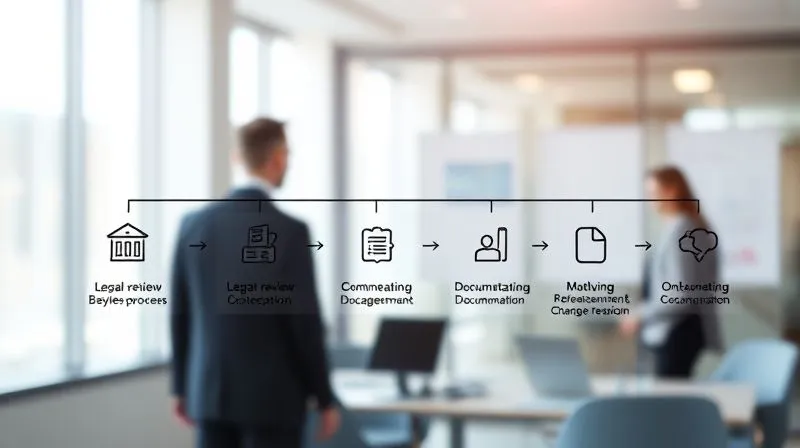
The process involved careful legal review, a series of transparent meetings with the affected individuals explaining the benefits (health insurance, 401k matching, paid leave), and a structured onboarding program. Despite initial concerns about the loss of 'independent' status, the comprehensive benefits package and clear career paths offered by TechInnovate helped ease the transition. Within six months, employee retention in these roles improved by 20%, and overall team collaboration significantly increased, demonstrating the long-term value of doing it right.
Mitigating Risks and Addressing Challenges
Even with meticulous planning, the transition from 1099 to W2 can present challenges. Being prepared for these potential hurdles is crucial for a smooth and successful outcome.
Addressing Potential Back Tax Liabilities
One of the most significant risks of misclassification is the potential for back taxes, penalties, and interest. If the IRS or state agencies determine that workers were misclassified, the employer could be liable for unpaid FICA, FUTA, and SUTA taxes, plus penalties. The IRS Voluntary Classification Settlement Program (VCSP) offers an avenue for eligible taxpayers to reclassify their workers prospectively with partial relief from federal employment taxes, providing a potential lifeline for businesses that identify misclassification proactively.
State agencies also have their own look-back periods and penalties, which can vary widely. Legal counsel is indispensable here to assess your specific exposure and strategize the best approach for remediation, including whether programs like the VCSP are appropriate for your situation.
Managing Contractor Reactions and Morale
Not all contractors will welcome the change to W2 status. Some value the flexibility, tax deductions, and perceived autonomy of independent contractor work. They might be concerned about changes to their take-home pay due to new tax withholdings or the loss of certain business deductions. Clear, empathetic communication is vital to explain the 'why' behind the change and highlight the benefits of employment (e.g., job security, benefits, career development, employer-paid taxes).
In some cases, a contractor might refuse the conversion. You must then decide whether to continue the relationship as a truly independent contractor (if their role genuinely fits the criteria after reassessment) or to terminate the engagement. This decision should always be made with legal advice to avoid wrongful termination claims or further misclassification risks.
For a deeper dive into the potential penalties of misclassification, consider reviewing resources from the Department of Labor on misclassification.
Post-Transition Compliance and Ongoing Monitoring
The work doesn't end once your contractors are officially W2 employees. Ongoing compliance is essential to maintain your legal standing and prevent future misclassification issues. This proactive stance is a hallmark of a well-managed organization that knows how to legally transition 1099 contractors to W2 employees and sustain that compliance.
Regular Audits and Documentation
I always recommend establishing a routine schedule for internal audits of worker classifications, perhaps annually or whenever a new role is created. This involves reviewing job descriptions, actual duties performed, and the level of control exercised over workers. Maintain meticulous records of all classification decisions, including the rationale and supporting documentation. This documentation will be invaluable if you ever face an audit.
Ensure that all new hires, whether initially classified as employees or contractors, undergo the same rigorous classification review process. Consistency across your workforce is a strong indicator of compliance.
Staying Updated with Employment Law Changes
Employment laws are not static. New legislation, court rulings, and regulatory guidance emerge regularly at both federal and state levels. What is compliant today might not be tomorrow. Subscribing to legal updates, attending industry webinars, and maintaining a relationship with your employment law counsel are critical steps to staying informed and agile.
For example, changes to minimum wage laws, overtime regulations, or independent contractor tests can directly impact your workforce. Being proactive in adapting to these changes demonstrates due diligence and protects your business from unforeseen liabilities.

Frequently Asked Questions (FAQ)
Q: Can I transition some 1099 contractors to W2 employees while keeping others as 1099s? A: Yes, absolutely, provided the remaining 1099 contractors genuinely meet the legal criteria for independent contractor status. The key is to ensure that the roles and working relationships are distinct enough to justify the different classifications. You cannot have two workers performing essentially the same job under the same conditions, with one being a 1099 and the other a W2. Each classification must stand up to scrutiny based on the specific facts and circumstances of that individual's work.
Q: What if a contractor refuses to become a W2 employee? A: If a contractor's role clearly dictates employee status, and they refuse the transition, you generally have two primary options: either terminate the relationship (with appropriate legal guidance to avoid wrongful termination claims) or genuinely restructure their role to fit true independent contractor criteria, which often means significantly reducing your control and involvement in their work. Attempting to force an employee-like relationship into a 1099 framework against their will, especially when legal tests indicate otherwise, is a recipe for misclassification risk.
Q: What are the biggest financial risks associated with misclassification? A: The biggest financial risks include significant back taxes (unpaid FICA, FUTA, SUTA), interest on those taxes, substantial penalties from the IRS and state tax authorities, and potential lawsuits for unpaid overtime, minimum wage violations, missed benefits (e.g., health insurance, 401k contributions), and workers' compensation claims. These costs can quickly escalate into hundreds of thousands or even millions of dollars, depending on the number of misclassified workers and the duration of misclassification.
Q: How long does the process to legally transition 1099 contractors to W2 employees typically take? A: The timeline can vary significantly based on the number of contractors, the complexity of their roles, your internal HR and legal resources, and the state-specific requirements. A thorough process, including legal review, financial analysis, communication, and administrative setup, can take anywhere from a few weeks for a small number of straightforward conversions to several months for larger, more complex transitions. Rushing the process is often where mistakes are made.
Q: Are there any tax benefits for a business when converting contractors to W2 employees? A: While the direct costs for employer-side taxes and benefits increase, there can be indirect tax benefits. For instance, employer contributions to employee health insurance premiums or qualified retirement plans are generally tax-deductible business expenses. Moreover, by ensuring compliance, you avoid the potentially massive financial penalties and legal fees associated with misclassification, which can be viewed as a significant 'tax saving' in the long run compared to the alternative.
Key Takeaways and Final Thoughts
Navigating the transition from 1099 contractors to W2 employees is undoubtedly complex, but it's a vital step for any business committed to compliance, risk mitigation, and sustainable growth. My years in employment law have shown me that proactive management of worker classification is not just a legal obligation; it's a strategic advantage that fosters a more stable, engaged, and legally secure workforce.
- Proactive Assessment is Paramount: Regularly review your worker classifications against federal and state tests. Don't wait for an audit.
- Legal Counsel is Non-Negotiable: Engage an experienced employment attorney to guide you through every step, ensuring compliance and minimizing risk.
- Transparency Builds Trust: Communicate openly and honestly with your contractors about the reasons for the transition and the benefits of employment.
- Budget for the Shift: Understand the financial implications of increased payroll taxes and benefits before you begin the conversion.
- Ongoing Vigilance is Key: Employment laws evolve. Stay informed and conduct regular internal audits to maintain compliance.
By following these guidelines and embracing a proactive, compliant approach, you can successfully manage how to legally transition 1099 contractors to W2 employees, transforming potential liabilities into valuable assets. This isn't just about avoiding penalties; it's about building a stronger, more resilient foundation for your business's future. The investment in getting it right today will pay dividends for years to come.
Recommended Reading
- The Ultimate Guide: How to Legally Protect an Invention Without a Patent?
- Ransomware Attack? 7 Legal Steps to Slash Your Liability Risks
- US Visa Denial? Your Ultimate Guide to Overcoming Refusal & Reapplying!
- Mastering Complex Consumer Disputes: 7 Steps for Multi-Party Resolution
- Abandoned at Sea? Your Legal Rights as a Seafarer Revealed





Comments
Leave a comment below. Your email will not be published. Required fields marked with *