


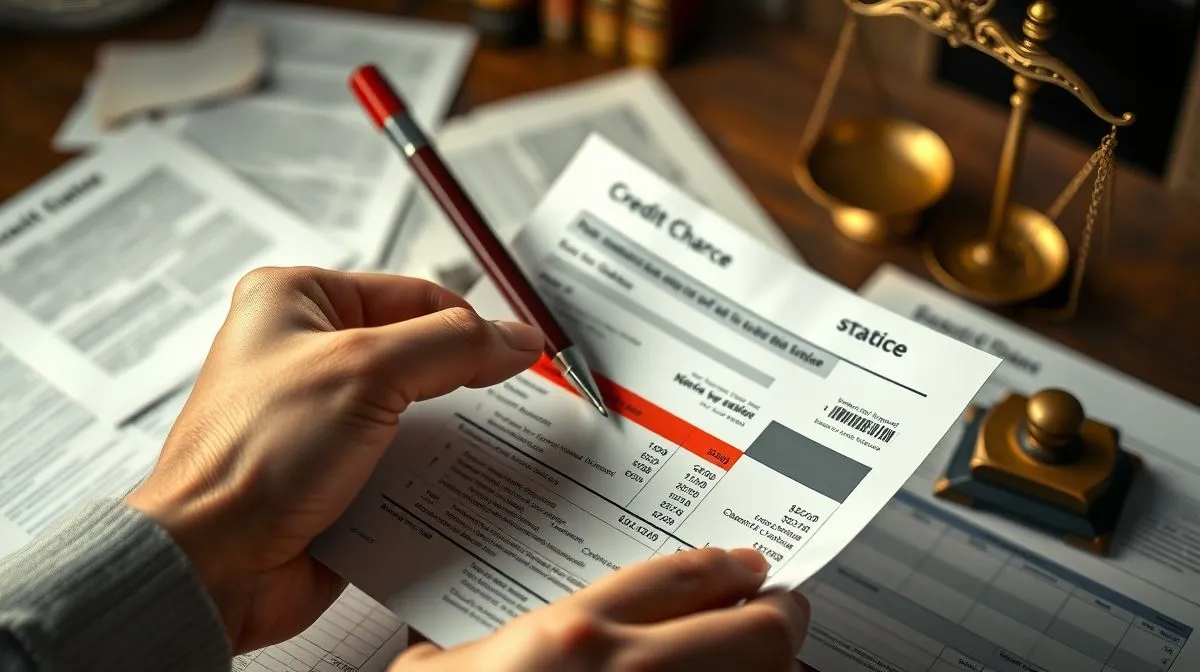
How to Minimize Legal Risk from Consumer Credit Billing Errors?
For over two decades in the consumer law landscape, I've witnessed firsthand the profound distress and financial fallout that seemingly minor credit billing errors can cause. It’s a silent threat, often overlooked until it balloons into a significant legal and credit nightmare. I've guided countless individuals through these murky waters, and the common thread is always a lack of understanding about their rights and the proper steps to take.
The pain points are palpable: a mysterious charge on your statement, an incorrect interest rate, or a payment not credited. These aren't just inconveniences; they can damage your credit score, lead to unwarranted late fees, and in the worst cases, trigger debt collection efforts that erode your financial stability and peace of mind. Many consumers feel powerless against large financial institutions, unsure where to turn or how to effectively advocate for themselves.
In this definitive guide, I will share the actionable frameworks, real-world insights, and expert strategies I've honed over years of practice. You will learn not just what to do, but *why* each step is critical, empowering you to effectively minimize legal risk from consumer credit billing errors and safeguard your financial future. Consider this your essential playbook for navigating billing disputes with confidence and authority.
Understanding the Fair Credit Billing Act (FCBA): Your Legal Shield
Before diving into the practical steps, it's absolutely crucial to understand the bedrock of your consumer protection: the Fair Credit Billing Act (FCBA). Enacted in 1974, this federal law provides specific protections for consumers and outlines a clear procedure for resolving billing disputes. It's not just a guideline; it's a legal framework that dictates how creditors must handle errors.
What Constitutes a Billing Error?
The FCBA defines a 'billing error' quite broadly, which is excellent news for consumers. It's not just about charges you didn't make. According to the Act, a billing error can include:
- Charges for purchases that you, or anyone authorized to use your account, did not make.
- Charges that are incorrectly identified, such as wrong date or amount.
- Charges for goods or services you didn't accept or that were not delivered as agreed.
- Failure to properly credit payments or other credits to your account.
- Computational errors, like incorrect arithmetic or late payment calculations.
- Failure to send billing statements to your last known address (if you sent an address change notice).
- Charges for which you request clarification or proof of purchase.
Understanding these categories is your first line of defense. Many consumers wrongly assume only fraudulent charges count, missing opportunities to dispute other significant errors. Recognizing these types of errors is fundamental to know how to minimize legal risk from consumer credit billing errors effectively.
The Critical 60-Day Window
The FCBA is powerful, but it comes with a strict time limit. You must send your written dispute to the creditor within 60 days after the first bill containing the error was mailed to you. This 60-day window is non-negotiable and strictly enforced. Miss it, and your legal protections under the FCBA significantly diminish, making your dispute much harder to win.
I've seen countless cases where clients realized an error months after the fact. While other avenues might exist, the robust protections of the FCBA—like the creditor's inability to report the disputed amount as delinquent to credit bureaus—are tied to this strict timeline. Always review your statements immediately upon receipt.
Step-by-Step Guide to Disputing a Billing Error Effectively
This is where theory meets practice. Following these steps meticulously is paramount to minimizing your legal risk and ensuring your dispute is handled fairly. I cannot overstate the importance of precision and documentation here.
Step 1: Gather Your Documentation Meticulously
Before you even think about contacting your creditor, compile every piece of relevant information. This includes:
- Copies of the credit card statements showing the error.
- Sales slips, receipts, or contracts related to the disputed charge.
- Any correspondence (emails, letters) you've had with the merchant or creditor regarding the issue.
- Your own records, such as bank statements showing payments made, or calendars noting service dates.
Why this is crucial: A well-documented dispute is a strong dispute. It provides undeniable evidence and demonstrates your diligence. According to a study published by the Consumer Financial Protection Bureau (CFPB), disputes with clear, supporting documentation have a significantly higher success rate. You're building your case, piece by piece.
Expert Insight: "Think of yourself as a legal investigator. Every email, every receipt, every note you've taken is a piece of evidence. The more compelling your evidence, the less room there is for the creditor to deny your claim."
Step 2: Crafting Your Formal Dispute Letter (and Why It's Crucial)
This is arguably the most critical step. While calling your creditor might seem faster, the FCBA specifically requires a *written* notice. A phone call does not trigger your FCBA rights, and it leaves no paper trail. Your letter must include:
- Your Name and Account Number: Clearly stated at the top.
- The Dollar Amount of the Error: Specify the exact charge(s) you are disputing.
- A Clear Explanation of Why You Believe It's an Error: Be concise, factual, and avoid emotional language. Refer to your documentation.
- The Date the Error Appeared on Your Statement: This ties directly to the 60-day window.
- Your Desired Resolution: Do you want the charge removed, a payment credited, or clarification?
Keep a copy of this letter for your records. I've seen clients make the mistake of sending a vague email or a handwritten note without sufficient detail. This often leads to delays or outright rejections because the creditor doesn't have the clear information needed to investigate.
Step 3: Sending Your Dispute Letter (Certified Mail is Non-Negotiable)
Once your letter is drafted, send it via certified mail, return receipt requested. This provides undeniable proof that you sent the letter, when you sent it, and that the creditor received it. Do not send it to the payment address; send it to the 'billing error inquiry' address, which is usually separate and listed on your statement.
Why this is crucial: Without proof of mailing and receipt, the creditor can claim they never received your dispute, effectively denying your FCBA protections. This simple step is your insurance policy. I've had cases where the certified mail receipt was the single piece of evidence that saved a client from an unjust collection action.
Step 4: Monitoring Your Account During the Investigation
Once the creditor receives your dispute letter, they have 30 days to acknowledge it in writing and 90 days to investigate and resolve the issue. During this period, they cannot:
- Attempt to collect the disputed amount (though you must continue paying the undisputed portions of your bill).
- Close your account or restrict its use solely because of the dispute (though they can restrict the disputed amount).
- Report the disputed amount as delinquent to credit bureaus.
Continue to monitor your statements and credit report during this time. If the creditor fails to follow these rules, they forfeit the right to collect the disputed amount, and you could be entitled to damages. This diligence is key to how to minimize legal risk from consumer credit billing errors.
Beyond the FCBA: Advanced Strategies for Risk Mitigation
While the FCBA provides a robust framework for resolving existing errors, true risk minimization involves proactive measures. As a seasoned expert, I always advise clients to implement these habits into their financial routines.
Proactive Account Monitoring: The First Line of Defense
Don't wait for your monthly statement to arrive. Regularly log into your online accounts to review recent transactions. Many banks offer real-time alerts for transactions above a certain threshold, or for international purchases. Enable these. Catching an error within days, rather than weeks, gives you a significant advantage in the dispute process.
This habit allows you to identify suspicious activity, whether it's a genuine error or potential fraud, much faster. Early detection means you're well within the 60-day FCBA window and can act swiftly.
Maintaining Impeccable Records: Your Legal Backbone
Create a systematic way to store all your financial documents. This includes credit card statements, receipts for major purchases, payment confirmations, and any correspondence with creditors or merchants. Whether it's a digital folder on your computer or a physical filing cabinet, consistency is key.
In my experience, clients who have organized records are always in a stronger position when a dispute arises. It eliminates the frantic search for a specific receipt from six months ago and provides immediate, verifiable evidence for your claims. This proactive record-keeping is a cornerstone of effective legal risk management.
Understanding Your Credit Report's Role in Billing Errors
Your credit report is a reflection of your financial health, and billing errors can severely impact it. Even if a creditor cannot report a disputed amount as delinquent while investigating, an unresolved error can eventually appear. Regularly obtain your free credit reports from AnnualCreditReport.com. Check for inaccuracies, especially those related to accounts you've disputed.
Errors on your credit report can impact your ability to secure loans, rent an apartment, or even get certain jobs. Disputing these errors with the credit bureaus (Experian, Equifax, TransUnion) is a separate but equally important process that runs parallel to disputing with the creditor. It’s another layer of protection in your strategy to how to minimize legal risk from consumer credit billing errors.
When Things Go Wrong: Escalation and Legal Recourse
Despite your best efforts, sometimes creditors don't resolve disputes satisfactorily. When this happens, it's time to escalate.
Engaging Regulatory Bodies: CFPB and FTC
The Consumer Financial Protection Bureau (CFPB) is a federal agency dedicated to protecting consumers in the financial marketplace. If your dispute isn't resolved, you can file a complaint with the CFPB. They act as an intermediary, forwarding your complaint to the company and generally expecting a response within 15 days. While they don't resolve individual disputes, their involvement often prompts companies to take your complaint more seriously.
Similarly, the Federal Trade Commission (FTC) also has a role in consumer protection, particularly regarding unfair or deceptive practices. While the CFPB is more specific to financial products, the FTC can be another avenue if you suspect broader deceptive practices by the creditor. Both are powerful tools in your arsenal, showing the creditor you're serious about protecting your rights. You can find more information on consumer rights and billing practices on the CFPB website and the FTC's consumer credit section.
Considering Legal Action: When to Consult an Attorney
If all other avenues fail, and the disputed amount is significant, or the creditor's actions are egregious (e.g., reporting false information to credit bureaus, aggressive debt collection for a disputed amount), it might be time to consult an attorney specializing in consumer law. An attorney can:
- Review your case and advise on the strength of your claim.
- Send a demand letter to the creditor, often prompting a resolution.
- File a lawsuit on your behalf, potentially seeking damages.
Many consumer protection laws, including the FCBA, have fee-shifting provisions, meaning if you win, the creditor may have to pay your attorney's fees. This makes legal action more accessible. Don't hesitate to seek professional legal advice if you feel overwhelmed or believe your rights have been violated. As Forbes Advisor notes, understanding your rights is crucial for effective dispute resolution, and legal counsel can be a powerful ally. (Source: Forbes Advisor)
Case Study: Sarah's Battle with an Erroneous Charge
How Sarah Successfully Disputed a Persistent Billing Error
Sarah, a client of mine, noticed a recurring charge of $49.99 from an unknown online service on her credit card statement for three consecutive months. She had no recollection of subscribing to such a service. Initially, she called the credit card company, and they said they'd look into it, but the charge reappeared.
Frustrated, Sarah came to me. Following my guidance, she first gathered all her statements highlighting the charges. She then drafted a formal dispute letter, clearly stating the dates and amounts, explaining she never authorized the service, and requesting a full credit. Crucially, she sent this letter via certified mail, return receipt requested, to the correct billing error address, all within the 60-day FCBA window from the first appearance of the charge.
Within two weeks, the credit card company acknowledged her dispute. During the 90-day investigation period, Sarah continued to pay the undisputed portion of her bill. The company investigated and found no record of Sarah's authorization for the service. They removed all three $49.99 charges, totaling $149.97, and issued a credit. Because Sarah followed the FCBA steps meticulously, the credit card company was legally obligated to investigate and could not report the disputed amount to credit bureaus, protecting her credit score. This experience solidified her understanding of how to minimize legal risk from consumer credit billing errors through diligent action.
Common Pitfalls and How to Avoid Them
Even with the best intentions, consumers often make mistakes that can jeopardize their dispute. Learn from these common pitfalls:
Don't Stop Paying the Undisputed Portion
A frequent error I see is consumers withholding the entire payment after disputing a charge. The FCBA only protects you from paying the *disputed* amount. You are still legally obligated to pay the undisputed charges on your bill. Failure to do so can lead to late fees, interest charges, and negative marks on your credit report for the undisputed portion, significantly increasing your legal risk.
Beware of Verbal Disputes Alone
As emphasized earlier, a phone call is not enough. While it might be a good first step to gather information, always follow up with a formal, written dispute sent via certified mail. Relying solely on a phone call means you have no proof of your dispute, and the creditor is not legally required to follow FCBA procedures.
The Perils of Procrastination
That 60-day window is unforgiving. Delaying your dispute can mean losing significant legal protections. Review your statements promptly and act immediately if you spot an error. Procrastination is the single biggest enemy of a successful billing error dispute.
Frequently Asked Questions (FAQ)
Question: What if the creditor claims they never received my certified mail dispute letter? If you sent your letter via certified mail with a return receipt requested, you will have proof of delivery. This receipt is your undeniable evidence. If they still claim non-receipt, present your proof. This is precisely why certified mail is non-negotiable for these critical communications.
Question: Can a billing error affect my credit score even if I dispute it? Under the FCBA, if you dispute an error correctly and within the 60-day window, the creditor cannot report the disputed amount as delinquent to credit bureaus while it’s under investigation. However, if the dispute is ultimately resolved against you, or if you fail to follow the FCBA procedures, it could potentially impact your score. This underscores the importance of proper dispute protocol.
Question: How long does a credit card billing error investigation typically take? The FCBA mandates that creditors acknowledge your dispute in writing within 30 days of receiving it. They then have a maximum of two billing cycles, but no more than 90 days, to investigate and resolve the error. If they exceed this timeframe or fail to follow procedures, they may forfeit the right to collect the disputed amount.
Question: What happens if the credit card company rules against me in the dispute? If the creditor concludes there was no error, they must send you a written explanation and provide copies of relevant documents. At this point, you may still owe the disputed amount, along with any accrued finance charges. You have the right to request documentation from them. If you still believe they are wrong, you can consider filing a complaint with the CFPB or seeking legal counsel, especially if the amount is substantial.
Question: Is there a difference between disputing a fraudulent charge and a billing error? While both are 'errors,' fraudulent charges (e.g., someone else used your card) are often covered by different laws and card issuer policies (like $0 liability for fraud). Billing errors, as defined by the FCBA, are specific to incorrect charges, calculations, or processing issues. The dispute process for FCBA errors is more structured and legally defined. Always specify if it's fraud or a billing error when contacting your creditor.
Recommended Reading
- Contested Divorce Trial: How to Prepare and Win Your Case
- IRS Notice of Deficiency? Your Urgent Guide to Responding Effectively
- Unraveling the Legal Maze: What Are Legal Challenges to Global AI Governance?
- Can I Legally Rehabilitate Injured Wild Animals? Your Essential Guide
- 7 Legal Safeguards: Mitigating Faculty Research Misconduct Risks
Key Takeaways and Final Thoughts
- Act Swiftly: The 60-day FCBA window is your golden ticket; don't miss it.
- Document Everything: Your records are your most powerful defense.
- Communicate in Writing: Certified mail is your proof; verbal disputes don't trigger FCBA protections.
- Understand Your Rights: The FCBA and regulatory bodies like the CFPB are there to protect you.
- Be Proactive: Regular account monitoring and record-keeping minimize future risks.
Navigating consumer credit billing errors doesn't have to be a daunting ordeal. By understanding your rights under the Fair Credit Billing Act and diligently following the steps I’ve outlined, you empower yourself to effectively minimize legal risk from consumer credit billing errors. My experience tells me that an informed consumer is a powerful consumer. Take these insights, apply them with precision, and you’ll be well-equipped to protect your financial health and peace of mind for years to come.


Comments
Leave a comment below. Your email will not be published. Required fields marked with *