



How to Minimize Property Tax Penalties for Multi-State Portfolios?
For over 20 years in the intricate world of tax law, particularly within property taxation, I've witnessed firsthand the often-crippling impact of property tax penalties on multi-state portfolios. It's a common misconception that once you've paid your initial assessment, your obligations are over. However, the complexities of varying state regulations, assessment methodologies, and filing deadlines create a minefield for even the most diligent property owners.
The pain point is palpable: unexpected penalties erode profitability, complicate financial planning, and divert valuable resources. Many portfolio managers struggle with disparate data, a lack of centralized oversight, and an underestimation of the unique nuances each jurisdiction presents. This often leads to missed deadlines, incorrect filings, and ultimately, avoidable financial setbacks.
In this definitive guide, I will share the actionable frameworks, expert insights, and battle-tested strategies I've developed over two decades to help you not just avoid, but actively minimize property tax penalties across your multi-state portfolio. We'll delve into proactive measures, robust compliance systems, and strategic appeals that will safeguard your assets and enhance your bottom line.
1. Centralize Your Data Management and Compliance Calendar
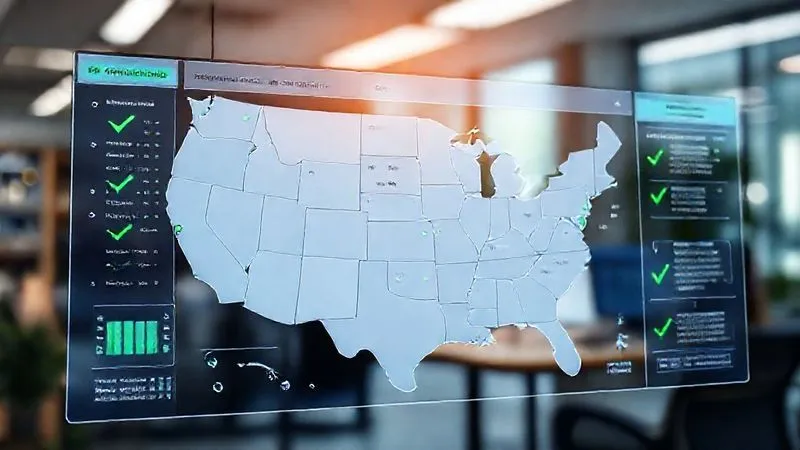
One of the most fundamental errors I see clients make is treating each property's tax obligations as an isolated event. This decentralized approach is a recipe for missed deadlines and inconsistent data. A multi-state portfolio demands a centralized, robust system.
The Power of a Unified System
Imagine trying to conduct an orchestra where each musician has their own score and schedule. Chaos, right? Your property tax portfolio is no different. Implementing a single, comprehensive database for all property tax-related information is non-negotiable. This includes assessment notices, valuation reports, appeal deadlines, payment schedules, and historical tax bills.
- Choose the Right Software: Invest in property tax management software that can handle multi-jurisdictional data. Look for features like automated alerts for deadlines, document management, and reporting capabilities.
- Standardize Data Entry: Develop strict protocols for how data is entered and maintained. Consistency across all properties, regardless of state, is crucial for accurate analysis and reporting.
- Assign Clear Responsibilities: Designate a central team or individual responsible for overseeing the entire multi-state property tax compliance calendar. This minimizes confusion and ensures accountability.
- Regular Audits: Conduct quarterly internal audits of your data to catch errors or omissions before they lead to penalties.
"In my experience, 80% of property tax penalties stem from administrative oversight rather than deliberate evasion. A strong centralized system is your first line of defense."
2. Proactive Property Valuation Review and Assessment Challenges
Ignoring assessment notices until a penalty arrives is a costly mistake. Many property owners simply pay the tax bill without scrutinizing the underlying valuation. This is where significant savings, and penalty avoidance, can begin.
Understanding Assessment Methodologies Across States
Property tax assessments are not uniform. States employ various methods, from market value appraisals to income capitalization approaches. Understanding the specific methodology used in each jurisdiction where you own property is paramount.
- Market Value Approach: Common in many states, this method assesses your property based on what comparable properties have recently sold for.
- Income Approach: Often used for commercial properties, this method values a property based on the income it is expected to generate.
- Cost Approach: Less common for existing properties, this method estimates the cost to replace the property new, minus depreciation.
Strategies for Challenging Assessments
If you believe an assessment is too high, you have the right to appeal. This proactive step can significantly reduce your tax burden and prevent future penalties associated with overpayment or incorrect valuations.
- Gather Evidence: Collect data on comparable sales (comps) that are lower than your property's assessed value. Obtain income and expense statements for income-producing properties. Document any physical or economic obsolescence affecting your property.
- Understand Deadlines: Each state and often each county has strict deadlines for filing appeals. Missing these deadlines can waive your right to appeal for the year, leading to another year of potential overpayment. Your centralized calendar (from section 1) is vital here.
- Engage Local Expertise: While you might have in-house tax professionals, local appraisers or tax attorneys often have invaluable insights into specific jurisdictional nuances and relationships with assessors.
Case Study: How Global Holdings Inc. Slashed Their Bill
Global Holdings Inc., a real estate investment trust with properties in 12 states, consistently faced high property tax liabilities. By implementing a proactive valuation review process, they identified that three of their commercial properties in Texas and Florida were assessed significantly above market value due to outdated comparable sales data used by the assessors. Engaging local appraisers, they presented compelling evidence of lower market values and successfully appealed the assessments, resulting in a 15% reduction in their total property tax bill across those properties and avoiding any potential underpayment penalties in subsequent years due to more accurate valuations.
3. Leverage State-Specific Exemptions and Incentives
Many states and local jurisdictions offer various property tax exemptions, abatements, or incentives that multi-state portfolio owners often overlook. These can range from economic development incentives to specific use-based exemptions.
Identifying and Applying for Relevant Programs
The key here is diligent research and timely application. What applies in one state may not exist in another, and eligibility criteria can be highly specific.
- Economic Development Zones: Properties located in designated enterprise zones or opportunity zones may qualify for significant tax abatements over several years.
- Green Building Incentives: Some states offer property tax reductions for properties that meet certain environmental sustainability standards.
- Historic Preservation: If your portfolio includes historic properties, there might be tax credits or exemptions for maintaining or restoring them.
- Agricultural or Conservation Easements: Properties with agricultural use or those under conservation easements often receive preferential tax treatment.
According to a study by the Lincoln Institute of Land Policy, the average commercial property tax burden can vary by as much as 300% between cities in different states, largely due to varying assessment practices and available exemptions. Understanding and utilizing these can be a game-changer.
| State | Common Exemption Type | Key Requirement |
|---|---|---|
| Texas | Freeport Exemption (Inventory) | Goods in transit out of state within 175 days |
| Florida | Homestead Exemption (Primary Residence) | Primary residence, owner-occupied |
| New York | ICAP (Industrial and Commercial Abatement Program) | New construction or renovation in eligible areas |
| California | Proposition 13 (Acquisition Value) | Annual increase limited to 2% unless change of ownership |
4. Master the Art of Penalty Abatement Requests
Despite best efforts, sometimes penalties are incurred. This doesn't mean you're out of options. Many jurisdictions offer mechanisms for penalty abatement, especially if you have a legitimate reason for the late filing or payment.
Building a Strong Case for Abatement
The success of a penalty abatement request hinges on compelling argumentation and supporting documentation. It's not about making excuses; it's about presenting a justifiable narrative.
- Demonstrate Reasonable Cause: This is the cornerstone. Was there an unavoidable circumstance? A natural disaster, severe illness of a key staff member, or a documented system failure (not due to negligence) can qualify.
- Show Good Faith: Prove that you generally have a strong compliance record. Highlight timely payments and filings in other jurisdictions or previous years.
- Act Promptly: Do not delay. File your abatement request as soon as you become aware of the penalty. Waiting can be interpreted as a lack of seriousness.
- Provide Thorough Documentation: Include all relevant correspondence, internal records, and any evidence supporting your claim of reasonable cause.
"I've successfully argued for penalty abatement even in seemingly open-and-shut cases. The key is to be proactive, transparent, and to present a clear, documented narrative of unforeseen circumstances, not just an oversight."
5. Implement Robust Internal Controls and Regular Audits
Preventing penalties is far more cost-effective than dealing with them after the fact. Strong internal controls are your best defense against administrative errors, which are a leading cause of multi-state property tax penalties.
Designing a Bulletproof Compliance Framework
A well-designed internal control system ensures that all property tax processes are consistently followed and regularly reviewed.
- Segregation of Duties: Ensure that no single person has control over all aspects of property tax management, from valuation review to payment. This reduces the risk of errors and fraud.
- Checklists and Workflows: Develop detailed checklists for each property tax task, including assessment review, appeal filing, and payment processing. Implement standardized workflows that every team member must follow.
- Managerial Review: All significant property tax actions, such as appeal filings or large payments, should require review and approval by a senior manager.
- Software Integration: Integrate your property tax software with your general ledger or accounting system to minimize manual data entry and ensure consistency across financial records.
- External Audits: Consider periodic external audits of your property tax compliance processes. An objective third party can often identify weaknesses that internal teams might overlook.

6. Engage Specialized Multi-State Property Tax Consultants
While in-house expertise is valuable, the sheer complexity and constant evolution of multi-state property tax laws often necessitate external specialization. Trying to be a master of all state-specific nuances yourself can lead to costly errors.
When to Bring in the Experts
A specialized consultant or firm focusing on multi-state property tax can offer unparalleled value, particularly for large or geographically diverse portfolios. They bring a depth of knowledge that is difficult to maintain internally across dozens of jurisdictions.
- Complex Valuations: For properties with unique characteristics (e.g., specialized industrial facilities, complex hospitality assets), external appraisers with specific industry experience are crucial.
- Aggressive Appeal Strategies: Experienced property tax attorneys or consultants often have established relationships with assessors and a deep understanding of local appeal processes, which can significantly increase the success rate of appeals.
- Jurisdictional Changes: When you acquire new properties in states where you have no prior presence, a consultant can quickly onboard you to local regulations and deadlines.
- Penalty Abatement Advocacy: They can present your case for penalty abatement with greater authority and a more nuanced understanding of legal precedents.
As Forbes contributor Robert W. Wood often highlights, navigating complex tax codes requires specialized knowledge, and property tax, particularly across states, is no exception. Expert advice can save far more than its cost.
7. Continuous Education and Monitoring of Legislative Changes
The landscape of property tax law is not static. Legislative changes, new court rulings, and evolving assessment practices can introduce new compliance challenges or, conversely, new opportunities for tax savings. Staying informed is a continuous process.
Strategies for Staying Ahead of the Curve
Proactive monitoring of legislative and regulatory changes is essential to avoid unforeseen penalties and to capitalize on new advantages.
- Subscribe to Industry Alerts: Sign up for newsletters and alerts from reputable property tax associations, legal firms, and tax consulting groups that track legislative changes across states.
- Participate in Webinars and Conferences: Regularly attend webinars and industry conferences focused on property tax. These often provide early insights into upcoming changes and best practices.
- Network with Peers: Engage with other multi-state portfolio owners or managers. Peer-to-peer knowledge sharing can be incredibly valuable for understanding practical implications of new laws.
- Regular Legal Reviews: Schedule annual or bi-annual reviews with your tax attorney or consultant to discuss any significant legislative updates that might impact your portfolio.
The dynamic nature of tax law means that what was compliant last year might not be this year. A commitment to continuous learning and adaptation is a hallmark of successful multi-state property tax management.
Frequently Asked Questions (FAQ)
Q: What is the most common reason for property tax penalties in multi-state portfolios? The most common reason, in my experience, is a failure to manage disparate deadlines across different jurisdictions. Each state, and often each county, has unique assessment, appeal, and payment deadlines. Without a centralized, robust system, these are easily missed, leading to late filing or payment penalties.
Q: Can I appeal a property tax assessment even if I've already paid the tax bill? Yes, in most jurisdictions, paying your tax bill does not waive your right to appeal the underlying assessment. However, you must still adhere to the strict appeal deadlines set by the local assessor's office. It's often advisable to pay the bill to avoid late payment penalties while simultaneously pursuing your appeal. If successful, you will receive a refund.
Q: How much can I realistically save by proactively managing property taxes in a multi-state portfolio? The potential savings can be substantial, often ranging from 5% to 20% or even more on your total property tax liability, especially for larger portfolios. This comes from correcting over-assessments, utilizing exemptions, and avoiding costly penalties. It's not just about saving money; it's about optimizing asset value and cash flow.
Q: What's the biggest mistake property owners make when trying to minimize penalties? The biggest mistake is a reactive approach. Waiting until an assessment notice arrives or a penalty is issued puts you on the defensive. A proactive strategy involving continuous monitoring, regular valuation reviews, and diligent compliance calendar management is essential. Don't wait for problems to emerge; prevent them.
Q: Should I use in-house staff or outsource property tax management for multi-state portfolios? For multi-state portfolios, a hybrid approach often works best. In-house staff can manage the day-to-day data entry, payment processing, and initial review. However, for complex appeals, specialized valuations, or navigating new state regulations, engaging external experts (consultants, attorneys, appraisers) is highly recommended. They provide specialized knowledge and relationships that are difficult to replicate internally across many jurisdictions.
Key Takeaways and Final Thoughts
Navigating the complex currents of multi-state property tax can feel daunting, but it doesn't have to lead to a cascade of penalties. By adopting a strategic, proactive, and informed approach, you can transform a potential liability into a well-managed aspect of your portfolio.
- Centralization is King: A unified data management system is the bedrock of multi-state compliance.
- Challenge Assessments Proactively: Don't just pay; scrutinize and appeal when warranted.
- Leverage All Avenues: Seek out and apply for every eligible exemption and incentive.
- Prepare for the Worst, Hope for the Best: Master penalty abatement, but focus on prevention with robust controls.
- Embrace Expertise: Don't hesitate to engage specialized consultants for complex scenarios.
- Stay Informed: Property tax laws are dynamic; continuous education is non-negotiable.
Remember, minimizing property tax penalties isn't merely about avoiding fines; it's about optimizing the financial health of your entire multi-state portfolio. By implementing these strategies, you're not just complying with the law; you're actively safeguarding your investments and enhancing your long-term profitability. Take these insights, apply them diligently, and watch your tax efficiency soar. For further reading on property tax administration, I highly recommend exploring resources from the Lincoln Institute of Land Policy and articles from reputable legal publications like Forbes Tax section.
Recommended Reading
- Student Protests: 7 Legal Strategies for Safe, Rights-Respecting Management
- 7 Steps to Overturn an Agency Decision: Your Guide to Effective Challenges
- 7 Pillars: How to Limit Shipowner Liability After Maritime Collision
- Is Credit Counseling Required Before Filing Bankruptcy? The Crucial Truth
- Legal Blueprint: How Businesses Can Challenge Discriminatory ISP Practices






Comments
Leave a comment below. Your email will not be published. Required fields marked with *