



Navigating the Impasse: How to Mitigate Legal Risks When Collective Bargaining Stalls?
For over two decades in employment law, I've seen organizations, both large and small, face the daunting challenge of collective bargaining. It’s a delicate dance of negotiation, compromise, and strategic positioning. But what happens when that dance grinds to a halt? When the table goes cold, and progress stalls, the air fills with legal peril, often silently accumulating until it erupts into costly disputes.
This isn't merely about failing to reach an agreement; it's about the profound legal ramifications that can arise from missteps during an impasse. Unfair Labor Practice (ULP) charges, industrial actions, and significant reputational damage are just some of the storm clouds that gather. The anxiety among management can be palpable, wondering if every decision made in this limbo state is a potential legal landmine.
In this definitive guide, I will share my accumulated experience and expertise to equip you with actionable frameworks and proactive strategies. We’ll delve into the legal intricacies, explore real-world scenarios through mini case studies, and provide expert insights to help you confidently mitigate legal risks when collective bargaining stalls. My goal is to transform your apprehension into strategic clarity.
Understanding the Landscape: The Perils of a Stalled Bargaining Table
When collective bargaining stalls, it's not just a temporary inconvenience; it's a critical juncture fraught with significant legal and operational risks. The National Labor Relations Act (NLRA) and its interpretations by the National Labor Relations Board (NLRB) govern these processes, and any deviation can lead to severe consequences. Ignorance of these nuances is not a defense; it's an invitation for trouble.
Unfair Labor Practice (ULP) Charges
The most immediate and pervasive risk when negotiations stall is the potential for Unfair Labor Practice charges. These charges, filed by the union or individual employees, allege that the employer has violated the NLRA. Common ULPs in a stalled bargaining context include:
- Bad-Faith Bargaining: The employer failing to bargain with a genuine desire to reach an agreement. This can include surface bargaining (going through the motions without intent), making regressive proposals, or refusing to provide necessary information.
- Unilateral Changes: Implementing changes to terms and conditions of employment (wages, hours, working conditions) without bargaining to a lawful impasse or agreement. This is a particularly common and dangerous pitfall.
- Interference, Restraint, or Coercion: Actions that chill employees’ Section 7 rights, such as threatening employees for union activities or promising benefits to discourage union support during a bargaining dispute.
Industrial Action Risks
A breakdown in negotiations often precipitates industrial action, which carries its own set of legal complexities and operational disruptions. Unions may call for strikes, picketing, or boycotts, each with specific legal protections and limitations. Employers must understand the distinction between economic strikes and ULP strikes, as the reinstatement rights of employees can differ significantly, impacting the legality of hiring permanent replacements.

Strategy 1: Re-establishing Communication and Defining Impasse Legally
The first, and often most overlooked, strategy when collective bargaining stalls is to re-evaluate and, if necessary, re-establish clear lines of communication. A true legal impasse is not simply a feeling of frustration; it is a specific legal concept. It means that, after good-faith bargaining, the parties have reached a point where further negotiations would be futile because they are deadlocked on a mandatory subject of bargaining.
In my experience, many employers mistakenly believe they've reached an impasse when they've merely hit a rough patch. The NLRB requires clear evidence that both parties have exhausted all reasonable efforts to reach an agreement. This is where meticulous documentation becomes your best friend.
- Review Bargaining History: Before declaring an impasse, review all proposals, counter-proposals, and discussions. Are there any outstanding information requests? Have you genuinely explored all avenues?
- Communicate Your Position Clearly: If you believe an impasse has been reached, communicate this clearly and in writing to the union. State the issues on which you believe the parties are deadlocked and the reasons supporting your position.
- Solicit Union's Perspective: Ask the union if they agree an impasse has been reached and on what issues. Their response (or lack thereof) is crucial documentation.
- Maintain Openness to Resume: Even if an impasse is declared, you must remain ready and willing to resume bargaining if circumstances change or new proposals emerge. The door should never be slammed shut permanently.
Key Insight: An impasse isn't just a feeling; it's a legally recognized deadlock after good-faith bargaining. Document everything. Prematurely declaring an impasse or failing to bargain in good faith leading up to it can result in a ULP charge for surface bargaining.
Strategy 2: Leveraging Mediation and Conciliation Services
When collective bargaining stalls, bringing in a neutral third party can often break the deadlock without resorting to more drastic measures. Mediation and conciliation services offer a confidential and structured environment for parties to explore new solutions and find common ground. This isn't a sign of weakness; it's a strategic move to demonstrate good faith and a commitment to resolution.
Federal Mediation and Conciliation Service (FMCS)
The Federal Mediation and Conciliation Service (FMCS) is an independent agency of the U.S. government that provides mediation services to employers and labor organizations in collective bargaining disputes. Their services are free, and mediators are highly experienced professionals trained to facilitate dialogue and help parties find mutually acceptable solutions. Engaging the FMCS not only provides a valuable resource but also serves as strong evidence of an employer's good-faith bargaining efforts, which is critical in mitigating ULP risks.
I've seen countless situations where a skilled FMCS mediator, with their neutral perspective, has helped parties articulate their true interests beyond their stated positions, leading to breakthroughs that seemed impossible. You can learn more about their services and how to request assistance on their official website.
Private Mediators
In some cases, particularly for highly complex or sensitive disputes, engaging a private mediator might be a suitable option. Private mediators often bring specialized industry knowledge or unique dispute resolution techniques. While fee-based, the investment can be well worth it if it prevents costly litigation or prolonged industrial action. The key is to select a mediator with a proven track record of success in labor relations and a reputation for impartiality.
| Service | Cost | Independence | Scope | Perceived Neutrality |
|---|---|---|---|---|
| FMCS | Free (federal) | Government agency | National, broad labor disputes | High |
| Private Mediator | Fee-based | Independent professional | Customizable, specialized expertise | High (if well-chosen) |
Strategy 3: Navigating Unilateral Changes Post-Impasse
One of the most legally perilous areas when collective bargaining stalls is the implementation of unilateral changes to terms and conditions of employment. While an employer generally has the right to implement its last, best, and final offer after a lawful impasse has been reached, the conditions for doing so are stringent and often misunderstood. A misstep here almost guarantees a ULP charge.
To lawfully implement unilateral changes, several prerequisites must be met:
- Genuine Impasse: A true, legally recognized impasse must exist. This means both parties have bargained in good faith to a deadlock, and further negotiations would be futile.
- Last, Best, and Final Offer: The implemented changes must be consistent with the employer's last, best, and final offer made to the union before the impasse. You cannot implement terms that were not part of that offer.
- Notice to Union: The union must have received adequate notice of the employer's intent to implement the changes.
- No Revival of Bargaining: The employer must not have engaged in any conduct that would indicate a willingness to resume bargaining on the issues after the impasse, as this could 'break' the impasse.
The 'Waiver' Doctrine
It's also crucial to understand the 'waiver' doctrine. A union can waive its right to bargain over certain changes, either explicitly (through contract language) or implicitly (by failing to demand bargaining after notice of a proposed change). However, proving implicit waiver is difficult and usually not a reliable strategy. Always assume the union retains its bargaining rights unless explicitly stated otherwise.
Status Quo and Past Practice
When considering unilateral changes, employers must be mindful of the 'status quo' – the existing terms and conditions of employment. Generally, the employer cannot unilaterally change the status quo unless it has bargained to impasse over the specific change or the union has waived its right to bargain. Past practice also plays a significant role; if certain practices have been consistently applied, they may be considered terms and conditions of employment that require bargaining.
Key Insight: Unilateral changes are a high-risk maneuver. Proceed only with meticulous legal counsel and a clear understanding of your bargaining history. The NLRB scrutinizes these actions closely, and the burden of proof is squarely on the employer to demonstrate a lawful impasse and adherence to all legal requirements.
Strategy 4: Preparing for Potential Industrial Action and Contingency Planning
When collective bargaining stalls, the risk of industrial action—such as strikes, picketing, or boycotts—escalates significantly. Proactive, legally compliant contingency planning is not about provoking a strike; it's about safeguarding your operations, fulfilling customer commitments, and protecting your legal standing should a strike occur. This foresight is a hallmark of an experienced industry specialist.
Legal Strikes vs. Unprotected Strikes
It's vital to differentiate between legally protected strikes and unprotected strikes, as the employer's rights and obligations differ dramatically:
- Economic Strikes: These are strikes aimed at gaining concessions from the employer on wages, hours, or other terms and conditions of employment. Employers may permanently replace economic strikers, though they must be placed on a preferential hiring list if their positions are filled.
- Unfair Labor Practice (ULP) Strikes: These strikes are caused or prolonged by an employer's ULP. ULP strikers generally have a right to immediate reinstatement upon their unconditional offer to return to work, even if permanent replacements have been hired. This distinction underscores why avoiding ULPs during bargaining is paramount.
Contingency Operations and Replacement Workers
Should a strike occur, having a well-developed contingency plan is essential. This includes identifying critical operations, cross-training non-bargaining unit employees, and, if necessary, planning for the hiring of temporary or permanent replacement workers. The legal parameters around using replacement workers are strict:
- Notice Requirements: Ensure all communications regarding replacements are legally compliant and do not interfere with employees' rights.
- Non-Discriminatory Hiring: Replacement workers must be hired without discriminatory intent against strikers.
- Safety and Training: Ensure replacement workers are adequately trained and that safety standards are maintained.
The National Labor Relations Board (NLRB) provides extensive guidance on these matters, and consulting their resources and legal counsel is non-negotiable before taking any action related to replacement workers. Remember, the goal is to operate legally while minimizing disruption.
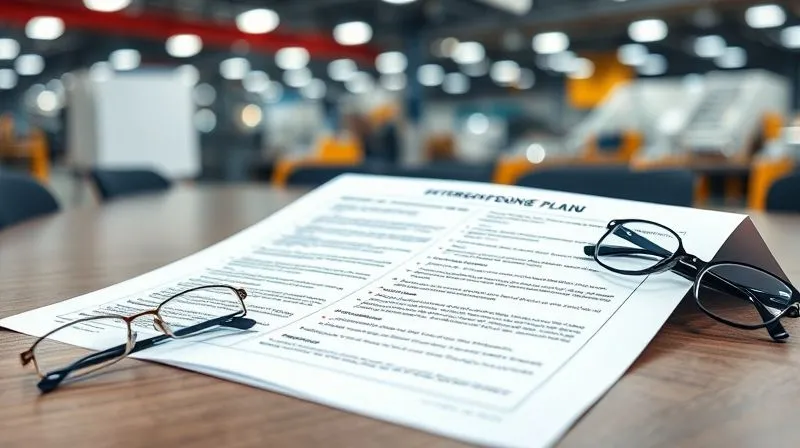
Strategy 5: Documenting Everything: Your Best Defense
If there's one piece of advice I could engrave on every employer's desk when collective bargaining stalls, it's this: **document everything.** In the high-stakes world of labor law, your word against the union's, or an employee's, often comes down to the paper trail. Comprehensive, contemporaneous documentation is not just good practice; it is your single most potent defense against ULP charges and costly litigation. It demonstrates good faith, proves your positions, and provides a factual record of events.
What exactly should you be documenting?
- Bargaining Proposals and Counter-Proposals: Keep dated copies of every offer and response, from both sides.
- Meeting Minutes: Detailed, factual records of all bargaining sessions, including who attended, what was discussed, specific proposals made, and any agreements or disagreements.
- Correspondence: All written communications (emails, letters, memos) between the employer and the union or employees related to bargaining.
- Impasse Declarations: Formal written notices declaring an impasse, including the specific issues involved and the rationale.
- Information Requests: Records of all information requested by either party and the responses provided.
- Unilateral Change Justifications: If you implement changes post-impasse, document the last, best, and final offer and the legal basis for the implementation.
Case Study: How Vanguard Logistics Avoided a ULP
Vanguard Logistics, a mid-sized warehousing company, found itself in a prolonged bargaining impasse with its union. Months of negotiations yielded no agreement, and the union threatened ULP charges, alleging bad-faith bargaining and unilateral changes. However, Vanguard's legal team had meticulously documented every single bargaining session, every proposal, every counter-proposal, and every communication. They even had records of their attempts to engage an FMCS mediator, which the union had declined.
When the ULP charge was filed, Vanguard presented a comprehensive binder of evidence to the NLRB. This detailed documentation clearly demonstrated their consistent good-faith efforts, the legitimate reasons for the impasse, and that any post-impasse actions were consistent with their last offer. The NLRB regional office, after reviewing the overwhelming evidence, dismissed the ULP charge. This real-world (though fictionalized) example underscores that the investment in documentation pays dividends in legal protection.
As experts at the Harvard Business Review often highlight, effective labor relations hinge on transparency and clear communication, which documentation unequivocally supports.
| Document Type | Purpose | Retention Period | Key Detail |
|---|---|---|---|
| Bargaining Proposals | Demonstrates good faith, establishes bargaining history | Permanent (indefinite) | Date and time-stamped |
| Meeting Minutes | Records discussions, agreements, disagreements | Permanent (indefinite) | Attendees, specific topics, actions |
| Impasse Declarations | Legal justification for subsequent actions | Permanent (indefinite) | Issues of deadlock, rationale |
| Communication Logs | Proves attempts at dialogue, transparency | Permanent (indefinite) | Dates, recipients, subject matter |
| Unilateral Change Justifications | Defends against ULP charges | Permanent (indefinite) | Ties changes to last offer, impasse |
Beyond the Impasse: Maintaining Long-Term Labor Harmony
While the immediate focus when collective bargaining stalls is on mitigating legal risks, an experienced specialist knows that the ultimate goal extends beyond the current dispute. It's about maintaining a productive, respectful labor relationship that can weather future challenges. A stalled negotiation can strain trust, but it doesn't have to break it permanently. The aftermath of an impasse is a critical period for rebuilding and demonstrating a continued commitment to your employees and their representatives.
- Post-Agreement Review: Once an agreement is reached (or an impasse is truly settled), conduct a lessons-learned review. What went well? What could be improved in future negotiations?
- Consistent Communication: Even outside of formal bargaining, maintain open lines of communication with union representatives. Regular, informal meetings can help address minor issues before they escalate.
- Focus on Implementation: Diligently implement the terms of any new agreement. Demonstrate your commitment to upholding the collective bargaining agreement.
- Employee Engagement: Continue to foster a positive workplace culture and engage with employees directly, ensuring their voices are heard through appropriate channels, without bypassing the union.
Remember, labor relations are a marathon, not a sprint. The legal risks of a stalled negotiation are real and significant, but so are the opportunities to emerge stronger, with a more resilient and compliant labor strategy. By adopting a proactive, legally informed, and relationship-focused approach, you not only mitigate immediate dangers but also lay the groundwork for long-term industrial peace.

Frequently Asked Questions (FAQ)
What constitutes "good faith bargaining" in the eyes of the NLRB? Good faith bargaining requires both parties to approach negotiations with a sincere desire to reach an agreement. It involves a willingness to meet at reasonable times and places, to make concessions, to respond to proposals, and to provide necessary information. It does not require either party to agree to a proposal or make a concession, but rather to engage in meaningful dialogue. The NLRB looks at the totality of the circumstances to determine if good faith was present, considering factors like surface bargaining, dilatory tactics, or unilateral changes without prior notice and bargaining.
Can an employer legally implement its last offer if an impasse is reached? Yes, an employer can legally implement its last, best, and final offer on mandatory subjects of bargaining, but only if a genuine, lawful impasse has been reached after good-faith negotiations. The implemented terms must be consistent with that final offer, and the employer must remain ready to resume bargaining if the union signals a willingness to make concessions or if circumstances change. Implementing terms that were not part of the last offer, or doing so without a true impasse, is a ULP.
What are the risks of withdrawing from negotiations prematurely? Prematurely withdrawing from negotiations is a significant risk and can constitute a ULP for refusing to bargain in good faith. An employer has a legal obligation to bargain until a contract is reached or a lawful impasse is achieved. Withdrawing without a genuine impasse, or without adequate notice, can lead to NLRB charges, orders to resume bargaining, and potential back pay liability if employees were harmed by unilateral changes made after the unlawful withdrawal.
How do strikes and lockouts differ legally, and what are the employer's rights in each? A strike is an employee-initiated cessation of work, while a lockout is an employer-initiated temporary layoff or closing of a plant to pressure the union to accept bargaining terms. In an economic strike, employers can permanently replace strikers, but must place them on a preferential hiring list. In a ULP strike, strikers have a right to immediate reinstatement. For lockouts, employers can use temporary replacements during a lawful lockout. Both actions are highly regulated by the NLRA, and the legality hinges on the intent and circumstances surrounding the action.
Is it ever advisable to initiate a ULP charge against a union? While less common, an employer can file ULP charges against a union, for example, if the union refuses to bargain in good faith, engages in unlawful secondary boycotts, or unlawfully restrains or coerces employees. It can be advisable if the union's conduct is clearly unlawful and impacting the employer's operations or employees' rights. However, like any legal action, it should be done strategically and with solid evidence, as it can further escalate tensions in the labor relationship.
Key Takeaways and Final Thoughts
- Proactive Documentation is Paramount: Every interaction, proposal, and decision during stalled bargaining must be meticulously documented to serve as your primary defense against legal challenges.
- Understand Legal Impasse: A genuine impasse is a legal threshold, not just a feeling. Ensure all prerequisites are met before declaring one or taking actions based on it.
- Leverage Neutral Third Parties: Services like the FMCS are invaluable for breaking deadlocks and demonstrating your good-faith efforts.
- Exercise Extreme Caution with Unilateral Changes: Implementing changes post-impasse is fraught with risk; ensure strict adherence to legal requirements and consistency with your last, best, and final offer.
- Prepare for Industrial Action: Develop robust contingency plans for potential strikes or lockouts, understanding the legal distinctions between different types of actions and replacement worker rights.
Navigating stalled collective bargaining is undeniably complex, demanding a blend of legal acumen, strategic foresight, and a steady hand. The risks are substantial, but with the right preparation and adherence to the principles outlined above, you can confidently mitigate legal exposure, protect your organization's interests, and even, in time, rebuild trust. Remember, every challenge is an opportunity to refine your approach and strengthen your labor relations strategy for the long haul. Be diligent, be informed, and always seek expert counsel when in doubt.
Recommended Reading
- 5 Urgent Strategies: Retain Foreign Talent Before Visa Expiration?
- Unlock Justice: Your Ultimate Guide to Filing an Environmental Lawsuit
- Tenant Rights During Eviction: Your Ultimate Protection Guide
- Unlock Financial Freedom: How to Structure Personal Debt to Avoid Bankruptcy
- IRS Business Audit Appeal: 7 Steps to Overturn an Unfavorable Decision



Comments
Leave a comment below. Your email will not be published. Required fields marked with *