

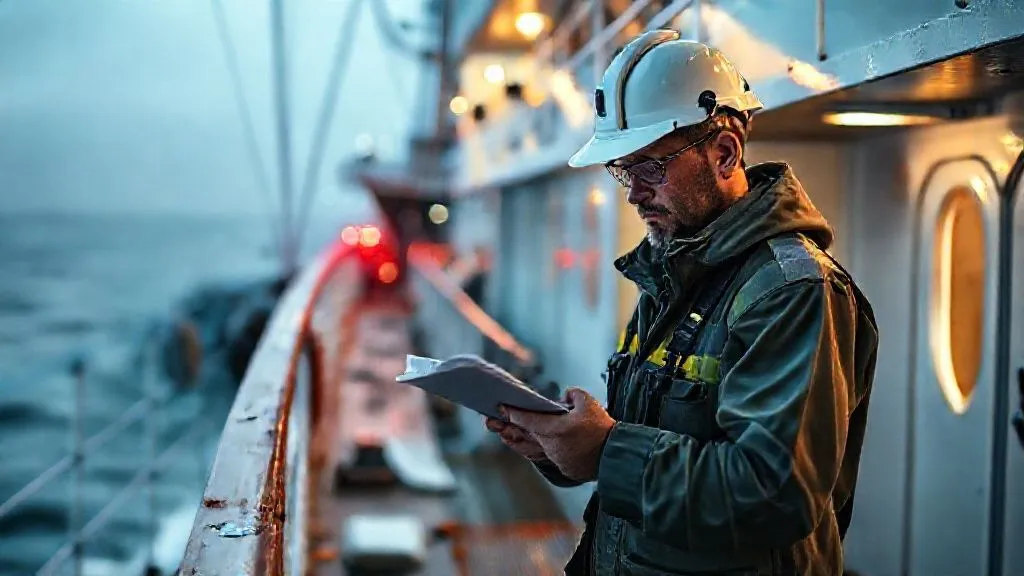
How to Preserve Evidence Immediately After Maritime Collision?
For over two decades in maritime law, I've witnessed firsthand the devastating consequences of poorly managed post-collision evidence. It's not just about proving fault; it's about safeguarding reputations, managing liabilities, and ensuring justice. A seemingly minor oversight in the chaotic immediate aftermath can unravel years of meticulous legal work down the line, costing millions and eroding trust.
The immediate post-collision period is a maelstrom of adrenaline, damage assessment, and safety protocols. Amidst this urgency, the critical task of evidence preservation often gets relegated, sometimes unintentionally, to a secondary concern. This oversight is a common and costly mistake, turning what could be a defensible position into a precarious legal quagmire.
This comprehensive guide will walk you through the essential, actionable steps for how to preserve evidence immediately after maritime collision. I will share insights gleaned from countless cases, providing you with a robust framework, practical checklists, and expert advice to ensure every piece of crucial evidence is secured, documented, and ready for scrutiny. You’ll learn not just what to do, but why it’s imperative, and how to do it effectively.
The Unforgiving Nature of Maritime Collisions: Why Evidence is Paramount
In the vast, dynamic environment of the open sea or congested waterways, maritime collisions are complex events. Unlike land-based accidents, the evidence can literally sink, wash away, or be irrevocably altered by the elements and ongoing operations. The legal ramifications are immense, involving international conventions, national laws, and often multiple jurisdictions.
I've seen too many promising cases falter because key pieces of evidence were lost, contaminated, or simply never collected. The burden of proof in maritime collision cases is stringent, and without robust, credible evidence, even a clear-cut case of negligence can become a protracted, expensive battle. Preserving evidence isn't merely a procedural step; it’s the bedrock of any successful claim or defense.
"In maritime law, the tide waits for no one, especially when it comes to evidence. What's present one moment can be gone the next, making immediate, systematic preservation the ultimate legal anchor."
Immediate On-Scene Actions: Securing the Foundation
The very first moments after impact are critical. While safety of life and vessel integrity are paramount, initiating evidence preservation concurrently is non-negotiable. This isn't just about collecting; it's about preventing further loss or alteration.
1. Secure the Scene and Prevent Further Contamination
Once immediate safety concerns (fire, flooding, personnel injury) are addressed, the next priority is to secure the collision scene. This means minimizing movement of the vessel, isolating damaged areas, and preventing any unauthorized personnel from entering or altering the scene. Think of it as a crime scene – every detail matters.
- Isolate Damaged Areas: Use tape or barriers to demarcate areas directly affected by the collision. This prevents accidental disturbance.
- Cease Non-Essential Operations: Limit vessel maneuvers and machinery operations that could alter evidence, such as engine room logs or navigation data.
- Control Access: Only essential personnel should be allowed into critical areas. Maintain a log of who enters and exits.
- Protect from Elements: If possible, shield exposed evidence from rain, wind, or sea spray that could degrade it.
2. Initial Documentation: The Visual and Written Record
This is where the bulk of immediate evidence preservation begins. Comprehensive visual and written documentation forms the backbone of your case.
- Photography and Videography:
- Overall Views: Start with wide-angle shots showing the general scene, weather conditions, and position of vessels.
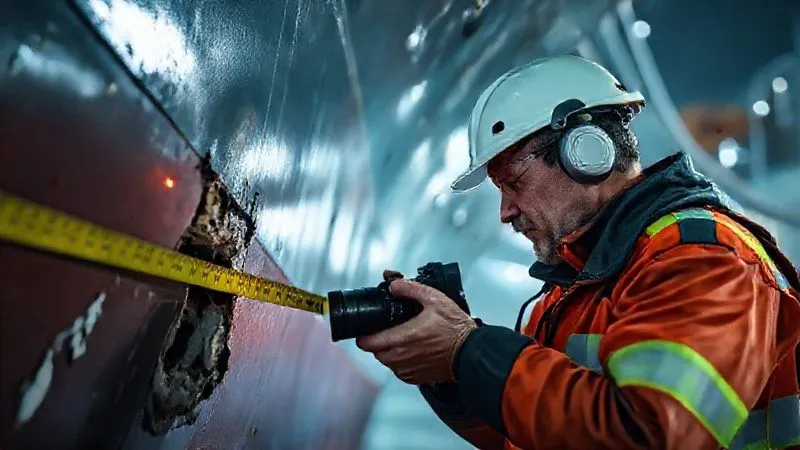
- Detailed Damage: Systematically photograph and video every angle of the damage to your vessel and, if safe and possible, the other vessel involved. Focus on points of impact, scrapes, paint transfers, and structural deformation.
- Contextual Photos: Document the vessel’s name, flag, port of registry, and any identifying marks of the other vessel.
- Surrounding Environment: Capture images of aids to navigation, shorelines, or other relevant features.
- Time-Stamped Evidence: Ensure cameras are set to record date and time. Use a ruler or common object for scale in close-up shots.
- Written Log and Sketch:
- Collision Log: Start a detailed, chronological log of events, observations, and actions taken immediately after the collision. Include times, locations, names of personnel involved, and any communication with other vessels or authorities.
- Sketches: Create clear, annotated sketches of the collision impact points, vessel relative positions, and any debris field. Include compass bearings and distances if measurable.
- Weather Conditions: Record wind speed and direction, sea state, visibility, and any precipitation at the time of the collision and during the immediate aftermath.
Technological Goldmine: VDR, AIS, and Electronic Data
Modern vessels are digital data repositories. The Voyage Data Recorder (VDR) and Automatic Identification System (AIS) are particularly crucial, acting as the maritime equivalent of an aircraft's black box. Failure to secure this data immediately is a cardinal sin in evidence preservation.
1. Securing the Voyage Data Recorder (VDR)
The VDR records a continuous stream of information, including bridge audio, radar images, ECDIS data, engine telegraph settings, helm and propeller orders, and more. This provides an invaluable, objective narrative of the events leading up to, during, and after a collision.
- Preserve Data Immediately: The VDR typically records on a 12-hour or 30-day loop. It is absolutely critical to download or "save" the data immediately after the incident to prevent it from being overwritten.
- Follow Manufacturer Guidelines: Each VDR system has specific procedures for data extraction. Ensure qualified personnel follow these to the letter.
- Chain of Custody: Document who extracted the data, when, and how it was stored. This ensures the integrity and admissibility of the evidence.
2. Automatic Identification System (AIS) Data
AIS transmits and receives vessel identification, position, course, speed, and other static and dynamic information. It provides a real-time picture of vessel movements and interactions.
- Log AIS Transmissions: Record your vessel's AIS data and, if possible, the AIS data of the other vessel involved, immediately after the collision.
- Shore-Based AIS: Note that shore-based stations often record AIS data, which can be invaluable for independent verification.
3. Other Electronic Navigation and Communication Records
Beyond VDR and AIS, a wealth of electronic data exists that can corroborate or contradict narratives.
- Electronic Chart Display and Information System (ECDIS): Save chart data, routes, and alarms.
- Radar Records: Preserve radar plots and recordings.
- GPS/GNSS Logs: Maintain precise position logs.
- Engine Room Data: Log engine parameters, alarms, and performance data.
- Communication Logs: Radio logs, email exchanges, and satellite phone records with shore-based management or other vessels.
Physical Evidence: Damage, Debris, and Samples
Physical evidence provides tangible proof of what occurred. It requires meticulous collection and preservation to maintain its integrity.
1. Detailed Damage Assessment
Beyond initial photos, a thorough, professional damage assessment is vital. This often requires the input of classification society surveyors or independent marine experts.
- Measure and Sketch: Accurately measure the dimensions of damage, impact angles, and locations.
- Paint Transfer Analysis: Collect samples of paint transferred between vessels. This can be crucial in identifying the point of contact and relative motion.
- Structural Integrity: Document any deformation, cracks, or breaches in the hull.
Case Study: The Paint Chip That Proved Fault
I recall a complex case involving a fishing trawler and a merchant vessel in a congested channel. Both masters claimed the other was at fault, creating conflicting narratives. Initial damage assessments were inconclusive, as both vessels had superficial scrapes. However, one astute crew member on the trawler, following our guidance, carefully scraped and preserved a small paint chip from their bow, which was a distinct color not used on their own vessel. Forensic analysis later matched this paint to the specific anti-fouling coating used on the merchant vessel's stern. This tiny, meticulously preserved piece of evidence, collected immediately after the collision, unequivocally established the point of contact and the relative angle of impact, turning a deadlocked case into a clear finding of fault against the merchant vessel for improper lookout.
2. Debris and Samples
Any objects found floating in the water near the collision site, or within the damaged areas of the vessel, can be important.
- Collect Debris: Secure any floating debris, especially if it appears to be from the other vessel or is related to the collision.
- Fluid Samples: If there's a spill (oil, chemicals), collect samples immediately according to environmental protocols. This is critical for assessing environmental damage and potential liabilities.
- Packaging and Labeling: All physical evidence must be carefully packaged, labeled with date, time, location, and collector's name, and stored securely to prevent contamination or loss.
| Evidence Type | Collection Method | Storage Location | Chain of Custody |
|---|---|---|---|
| VDR Data | Download/Save | Secure Server/External Drive | Digital Log/Signed Form |
| Physical Damage Photos | High-Res Camera | Secure Digital Archive | Metadata/Photo Log |
| Paint Samples | Scraping/Swabbing | Sealed Container/Lab | Physical Log/Witness |
| Witness Statements | Written/Recorded Interview | Confidential File | Signed/Dated Document |
The Human Element: Witness Statements and Crew Accounts
While technology provides objective data, human testimony offers crucial context and perspective. The memories of those involved are perishable, making immediate collection essential.
1. Witness Statements from Crew Members
Every crew member who witnessed the event or was involved in the immediate aftermath should provide a statement. These should be taken as soon as possible, while memories are fresh.
- Individual Interviews: Conduct interviews individually and privately to avoid collusion or influence.
- Focus on Facts: Encourage witnesses to describe what they saw, heard, and did, focusing on factual observations rather than speculation.
- Signed and Dated: All statements should be written, signed by the witness, and dated.
- Key Information: Ask about their position, duties at the time, observations of the other vessel, communication attempts, and any alarms or warnings.
2. Master's Statement and Logbook Entries
The Master's statement is paramount. The official logbook entries are also critical legal documents.
- Master's Detailed Account: The Master should provide a comprehensive account of the incident, including decisions made, orders given, and observations.
- Official Logbook: Ensure all collision details, including date, time, position, actions taken, and damage sustained, are accurately and promptly entered into the official logbook. Any erasures or alterations can severely damage credibility.
Expert Involvement and Legal Counsel: Your Strategic Allies
Beyond the immediate actions of the crew, external experts and legal professionals are indispensable for effective evidence preservation and case building. Engaging them early is a strategic imperative.
1. Appointing Marine Surveyors and Technical Experts
Marine surveyors, naval architects, and other technical experts provide independent, professional assessments of damage, causation, and repair costs. Their expertise is invaluable in interpreting complex technical evidence.
- Early Appointment: Appoint them as soon as possible to allow them to attend the scene, if feasible, or inspect the vessel before repairs commence.
- Scope of Work: Clearly define their scope, which may include damage assessment, forensic analysis of VDR data, or accident reconstruction.
2. Engaging Legal Counsel
A specialized maritime lawyer should be contacted immediately. They will guide the entire evidence preservation process, ensuring compliance with legal requirements and protecting your interests.
- Privilege: Legal counsel ensures that sensitive communications and documents related to the incident are protected by legal professional privilege.
- Strategy: They will advise on what evidence is most critical, how it should be collected, and what legal obligations you have.
According to maritime legal experts, the window for effective evidence collection is often measured in hours, not days, making immediate legal consultation a non-negotiable step. The International Maritime Organization (IMO) also emphasizes the importance of thorough investigation and documentation for safety and prevention.
Post-Incident Reporting and Compliance
Beyond internal evidence preservation, there are often strict reporting requirements to national and international authorities. Compliance is not just a legal obligation but also an opportunity to establish a clear, consistent narrative.
1. Reporting to Flag State and Coastal Authorities
Depending on the jurisdiction and severity, reporting may be required to the vessel's flag state, the coastal state in whose waters the collision occurred, and other relevant bodies like the Port State Control.
- Timeliness: Adhere strictly to reporting deadlines. Delays can lead to penalties and raise suspicions.
- Accuracy: Ensure all reported information is consistent with the evidence collected and internal logs.
2. Notifying P&I Clubs and Insurers
Your Protection & Indemnity (P&I) Club and hull & machinery insurers must be notified promptly. They are crucial partners in managing liability and claims.
- Early Notification: Inform them as soon as practicable. They can provide immediate guidance and often have their own network of surveyors and legal correspondents.
- Cooperation: Work closely with your insurers, providing them with all requested documentation and evidence.
As Admiralty Law Guide frequently highlights, the interplay between insurance, regulatory compliance, and evidence is complex and requires diligent management.
The Role of Maritime Surveyors and Expert Witnesses
While your crew initiates the process, the long-term integrity and interpretation of evidence often rest with specialized professionals. These individuals translate raw data into compelling narratives for courts and arbitration panels.
1. Independent Marine Surveyors
These are crucial for objective damage assessment and causation analysis. They act as independent eyes and ears, often appointed by P&I Clubs or directly by legal counsel.
- Damage Assessment: Detailed reports on the nature, extent, and cause of physical damage.
- Repair Supervision: Overseeing repairs to ensure they are done correctly and cost-effectively, while preserving any further evidence.
- Salvage Operations: If salvage is required, surveyors ensure evidence is not lost or contaminated during the process.
2. Expert Witnesses
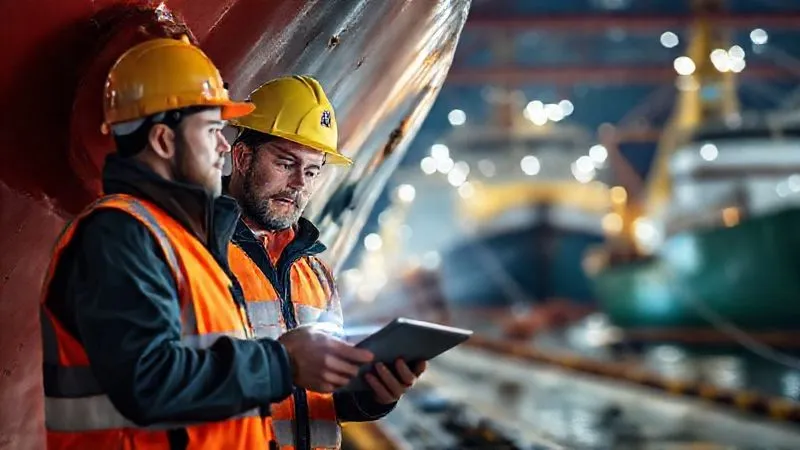
In complex cases, expert witnesses – former captains, naval architects, meteorologists, or VDR analysts – may be brought in to interpret data, reconstruct the collision, or provide opinions on seamanship standards. Their credibility hinges on the quality of the preserved evidence.
- Data Interpretation: Explaining complex VDR, AIS, or radar data in an understandable way.
- Collision Reconstruction: Using all available evidence to create a scientific model of how the collision occurred.
- Opinion on Standards: Offering expert opinions on whether accepted maritime practices were followed.
The U.S. Coast Guard (USCG) often conducts its own investigations, and the quality of your preserved evidence can significantly influence their findings. Their regulations, such as those found on the eCFR for 33 CFR (Navigation and Navigable Waters), highlight many of these requirements.
Frequently Asked Questions (FAQ)
Question? What if the other vessel refuses to cooperate in evidence preservation or provides conflicting information?
Answer: This is a common challenge. Your primary focus must remain on your own vessel's evidence. Document all attempts to contact the other vessel and any refusal to cooperate. This non-cooperation itself can become a piece of evidence. Your legal counsel will then guide you on formal legal steps, such as obtaining court orders for discovery or preservation of the other vessel's evidence, especially VDR data, before it's overwritten. Independent third-party evidence, like shore-based AIS or VTS recordings, becomes even more critical in such scenarios.
Question? How long should I keep the evidence, especially digital data?
Answer: You should preserve all evidence, both physical and digital, until the case is fully resolved, including any appeals. Maritime litigation can be protracted, sometimes lasting years. For digital data like VDR recordings, ensure secure, redundant backups. Physical samples should be stored in controlled environments to prevent degradation. Always consult your legal counsel regarding specific retention periods, as these can vary based on jurisdiction and the nature of the claim.
Question? Can crew members' personal devices (phones, cameras) be used for evidence?
Answer: Yes, absolutely, with proper protocols. Photos or videos taken by crew members on their personal devices can be highly valuable, especially if they capture immediate aftermath details. However, ensure these are collected and documented correctly. The crew member should provide a sworn statement confirming the authenticity, date, and time of the media. Transfer the files to official vessel records, maintaining a clear chain of custody. Avoid relying solely on personal devices; always prioritize official vessel equipment for primary documentation.
Question? What are the most common mistakes I've seen in evidence preservation after a collision?
Answer: The most common mistakes are: 1) Failure to immediately secure VDR data, allowing it to be overwritten. 2) Inadequate photographic documentation, lacking detail, scale, or contextual shots. 3) Delay in taking witness statements, leading to faded or influenced memories. 4) Alteration of logbook entries or other official records, which immediately destroys credibility. 5) Not engaging legal counsel or surveyors early enough, missing critical windows for intervention. These mistakes can be incredibly difficult, if not impossible, to rectify later.
Question? Is it permissible to conduct repairs before all evidence is collected?
Answer: Generally, essential temporary repairs to ensure seaworthiness and safety are permissible, but extensive permanent repairs should be delayed until all necessary evidence (inspections, surveys, measurements, samples) has been thoroughly collected and documented by all relevant parties (your own team, potentially the other party, and regulatory bodies). If repairs must proceed, ensure every step is meticulously photographed, video-recorded, and overseen by appointed surveyors. Any part removed should be preserved if it holds evidentiary value. Prioritize evidence collection over expediency of repairs, where possible, to avoid accusations of spoliation of evidence.
Key Takeaways and Final Thoughts
The moments immediately following a maritime collision are a crucible where the future of your legal position is forged. The ability to preserve evidence immediately after maritime collision is not just a best practice; it is a fundamental pillar of maritime risk management and legal defense. My experience has repeatedly shown that preparedness and diligent execution in these critical hours can be the single most defining factor in the outcome of a complex maritime incident.
- Act Swiftly: Time is your greatest adversary in evidence preservation.
- Document Everything: From VDR data to a paint chip, no detail is too small.
- Maintain Chain of Custody: Ensure the integrity and admissibility of all evidence.
- Engage Experts Early: Legal counsel and surveyors are indispensable partners.
- Prioritize Safety, Then Evidence: These two are not mutually exclusive but must be managed concurrently.
By embedding these principles into your vessel's emergency response plan and training your crew, you transform a chaotic event into a controlled, legally defensible situation. The investment in immediate, systematic evidence preservation is not just an operational cost; it's an insurance policy against future liabilities and a commitment to upholding justice in the intricate world of maritime law. Be prepared, be thorough, and protect your interests with unwavering diligence.
Recommended Reading
- 5 Crucial Legal Actions When a Power of Attorney Agent Abuses Funds
- NFT IP Theft: 7 Legal Steps to Reclaim Your Digital Art Rights
- Due Process in Crisis: 5 Steps to Challenge Emergency Powers
- How to Avoid Legal Penalties for Exceeding Carbon Limits: A 2024 Guide
- Your Urgent Guide: What Happens After a Notice to Appear for Deportation?
Comments
Leave a comment below. Your email will not be published. Required fields marked with *