


How to protect player image rights in NIL unauthorized use?
For over 15 years in sports law, I've witnessed firsthand the seismic shifts that have redefined the landscape for college athletes. The advent of Name, Image, and Likeness (NIL) policies was a game-changer, promising unprecedented opportunities for athletes to monetize their personal brand. However, with this newfound freedom came a significant, often overlooked, challenge: the rampant and unauthorized use of player image rights.
Many athletes, understandably focused on their sport and immediate opportunities, are ill-equipped to navigate the complex legal terrain of intellectual property. This vulnerability leaves them exposed to entities — from rogue apparel companies to social media influencers — who exploit their likeness without consent or compensation. The problem isn't just financial; it's about control over one's identity and professional future.
In this definitive guide, I will share the actionable frameworks, real-world insights, and expert strategies I've developed over years of practice. You'll learn not just what the risks are, but precisely how to protect player image rights in NIL unauthorized use, ensuring athletes maintain full control and rightful benefit from their personal brand. This isn't just theory; it's practical, battle-tested advice.
Understanding the NIL Landscape and Its Pitfalls
The NIL era, while transformative, has introduced a fascinating paradox. It empowers athletes as entrepreneurs but simultaneously exposes them to a new frontier of legal challenges. The regulatory environment is fragmented, varying significantly from state to state and institution to institution, creating a complex web of rules that even seasoned professionals struggle to untangle.
The Evolution of NIL and New Risks
Before NIL, the NCAA strictly prohibited athletes from profiting from their fame, effectively centralizing control over their image. Now, athletes can sign endorsement deals, sell merchandise, and leverage their social media presence. This liberation, however, comes with the inherent risk of others attempting to capitalize on an athlete's popularity without proper authorization or compensation.
The digital age exacerbates this problem. An image or video can go viral in seconds, making enforcement a constant, uphill battle. Without a clear understanding of their rights and robust protective measures, athletes can quickly find their image exploited across various platforms.
Key Insight: "The NIL era, while empowering, has opened a Pandora's Box of intellectual property challenges previously unseen in amateur athletics. Proactive defense is no longer optional; it's essential."
Understanding the nuances of each state's NIL laws is crucial. While the NCAA provides some overarching guidance, state laws often dictate specifics regarding university involvement, agent representation, and disclosure requirements.
| State | Key Regulation | Notable Feature |
|---|---|---|
| California | SB 206 (Fair Pay to Play Act) | Allows athletes to earn compensation from their NIL, effective Jan 1, 2021. |
| Florida | SB 646 | First state to implement NIL law, effective July 1, 2021, prohibits universities from arranging deals. |
| Texas | SB 1385 | Prohibits universities from compensating athletes directly, requires education on financial literacy. |
| New York | S.5855A | Includes additional protections against deceptive practices and requires agents to be licensed. |
Proactive Measures: Crafting an Ironclad NIL Contract
The foundation of protecting player image rights against unauthorized use lies in meticulously drafted contracts. This is where I've seen many athletes make critical errors, often signing generic agreements that leave gaping loopholes for exploitation. A robust NIL contract isn't just a formality; it's the athlete's primary shield.
Essential Clauses for Image Rights Protection
When an athlete enters into any NIL deal, the contract must explicitly define the scope of use for their name, image, and likeness. This includes specifying the duration, geographic territory, specific platforms, and types of media in which their image can be used. Vague language is the enemy of protection.
I always advise clients to include clauses that address termination rights, audit rights, and clear dispute resolution mechanisms. These aren't just legal niceties; they are tools that empower the athlete to act swiftly if unauthorized use occurs or if the brand misrepresents their involvement.
- Define Scope of Use: Clearly state what specific elements of NIL can be used (e.g., specific photos, voice recordings, social media handles).
- Specify Usage Period: Set explicit start and end dates for the use of NIL. Avoid "in perpetuity" clauses unless fully understood and compensated.
- Geographic Limitations: Delineate where the NIL can be used (e.g., United States only, specific states, global).
- Media Restrictions: List the exact platforms (e.g., Instagram, TikTok, TV commercials, print ads) where the NIL is authorized.
- Approval Rights: Insist on the right to approve all creative content before publication, ensuring alignment with the athlete's brand and values.
- Exclusivity Clauses: Carefully consider exclusivity. If the athlete grants exclusivity, ensure the compensation reflects this limitation on other opportunities.
- Termination & Breach: Include clear conditions under which either party can terminate the agreement, especially for unauthorized use or brand misalignment.
- Indemnification: Ensure the brand indemnifies the athlete against third-party claims arising from the brand's use of NIL.
According to a recent report by Opendorse, the average NIL deal value is growing, making the stakes for clear contractual terms even higher. Athletes must understand that their signature is their most powerful asset, and it should only be given after thorough review by legal counsel.
Digital Footprint Management: Monitoring and Enforcement
Once contracts are in place, the battle to protect player image rights in NIL unauthorized use shifts to active surveillance and enforcement. In today's digital landscape, images and likenesses can be replicated and disseminated globally in an instant. This requires a proactive and tech-savvy approach to monitoring.
Leveraging Technology for Brand Surveillance
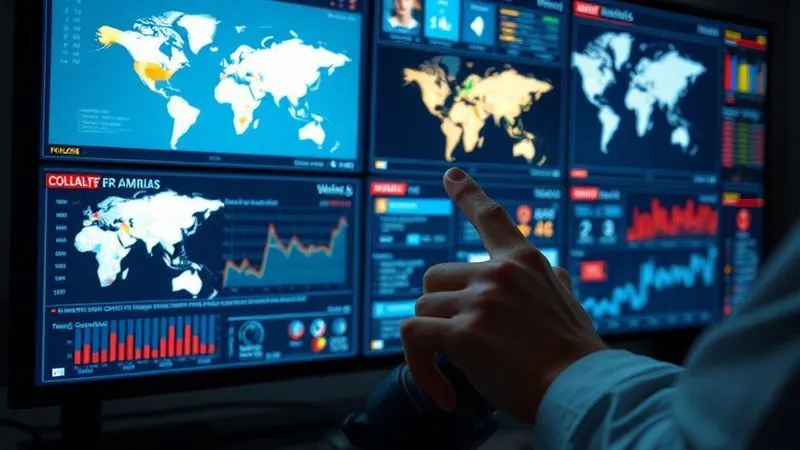
I've seen countless instances where an athlete's image appears on merchandise, advertisements, or social media posts without their knowledge or consent. This is why digital monitoring is not just an option; it's a necessity. Utilizing advanced image recognition software and social listening tools can help identify unauthorized uses across the internet.
These tools can scan websites, social media platforms, and e-commerce sites for instances of an athlete's name, image, or likeness. Setting up alerts for specific keywords, hashtags, and visual matches allows for rapid detection. The quicker an unauthorized use is identified, the faster a response can be mounted.
Beyond technology, establishing a clear internal protocol for managing consent and usage rights is vital. Maintain a detailed log of all signed NIL agreements, including specific usage rights granted, expiration dates, and approved assets. This centralized database becomes an invaluable reference point when investigating potential infringements.
The DMCA & Cease and Desist: Your First Line of Defense
When unauthorized use is detected, swift and decisive action is paramount. Two of the most effective initial tools in your arsenal are the Digital Millennium Copyright Act (DMCA) takedown notice and a well-crafted cease and desist letter. These are often the first steps I recommend to my clients.
Understanding Your Legal Tools
The DMCA provides a mechanism for copyright holders to request that online service providers (OSPs) remove infringing material from their platforms. If an athlete's image or video is used without permission and falls under copyright protection (e.g., a photo taken by the athlete or someone who assigned rights to them), a DMCA takedown notice can be highly effective.
A cease and desist letter, on the other hand, is a formal document sent by an attorney demanding that the infringing party immediately stop their unauthorized activities. While not a court order, it serves as a strong warning of impending legal action if the infringement continues. It often prompts immediate compliance, especially from smaller entities or individuals who wish to avoid costly litigation.
- Gather Evidence: Document every instance of unauthorized use, including screenshots, URLs, dates, and any identifying information about the infringing party.
- Identify Copyright Holder: Confirm who holds the copyright to the specific image or content being used. This is crucial for DMCA notices.
- Draft DMCA Takedown Notice: Prepare a formal notice adhering to DMCA requirements, specifying the infringing material, its location, and a sworn statement of good faith.
- Send to OSP: Submit the DMCA notice to the appropriate online service provider (e.g., YouTube, Instagram, website host).
- Draft Cease and Desist Letter: Prepare a detailed letter outlining the infringement, demanding immediate cessation, and reserving all legal rights.
- Serve the Letter: Send the cease and desist letter via certified mail or legal service to the infringing party.
- Monitor Compliance: Follow up to ensure the infringing content is removed and the unauthorized activity ceases.
As marketing guru Seth Godin often says, "The market always wins in the long run." In this context, protecting an athlete's brand is about controlling their narrative and market value. Timely legal intervention reinforces that control.
Building a Strong Legal Team: When to Call in the Experts
While proactive contracts and digital monitoring are crucial, there will inevitably be situations where the complexity or scale of an infringement demands specialized legal expertise. This is where a seasoned sports law attorney becomes an invaluable asset in the fight to protect player image rights in NIL unauthorized use.
The Role of Specialized Sports Lawyers
A specialized sports lawyer brings a deep understanding of intellectual property law, contract negotiation, and the unique intricacies of the NIL landscape. They can assess the severity of an infringement, advise on the most effective legal recourse, and represent the athlete in negotiations or litigation.
I've seen cases where a simple cease and desist wasn't enough, and the infringing party dug in their heels. In such scenarios, having an attorney who can navigate federal copyright laws, state-specific NIL statutes, and potential unfair competition claims is critical. They can prepare and file lawsuits, seek injunctions, and pursue monetary damages for lost opportunities and brand dilution.
Case Study: How Athlete X Reclaimed Their Brand
Athlete X, a rising star in college basketball, discovered their likeness was being used on unofficial merchandise sold by an anonymous online vendor. Initial attempts to contact the vendor were ignored, and the unauthorized sales continued to grow. This situation not only diluted Athlete X's legitimate merchandise sales but also associated their image with a low-quality product, damaging their brand.
By implementing the three-step enforcement cycle I described above, Athlete X's legal team swiftly took action. First, they sent a detailed cease and desist letter, which was met with resistance. Next, they filed DMCA takedown notices with the e-commerce platform hosting the vendor, leading to the removal of several listings. When the vendor simply moved to another platform, the legal team initiated a John Doe lawsuit to unmask the vendor's identity. This aggressive legal posture, backed by the threat of significant damages, ultimately led to a settlement that included compensation for past damages and a permanent injunction against future unauthorized use. This resulted in Athlete X not only reclaiming control over their image but also sending a clear message to potential infringers.
Choosing the right legal counsel is a strategic decision. Look for attorneys with a proven track record in intellectual property and sports law, who understand the nuances of NIL. Their expertise can turn a seemingly overwhelming challenge into a manageable legal process, ultimately safeguarding an athlete's future earnings and reputation.
Educating Athletes: Empowering Self-Protection
While legal frameworks and expert counsel are vital, the first line of defense often lies with the athletes themselves. Empowering them with knowledge about their rights and the potential pitfalls of NIL is one of the most proactive steps we can take as industry specialists. An informed athlete is a protected athlete.
Workshops and Resources for NIL Literacy
I frequently conduct workshops for student-athletes, emphasizing the importance of understanding their NIL contracts and recognizing potential red flags. These sessions cover topics like intellectual property basics, the value of their brand, and how to identify and report unauthorized usage.
Creating accessible resources – such as simplified guides, checklists for contract review, and quick reference cards on what constitutes unauthorized use – can significantly boost an athlete's NIL literacy. This education should be ongoing, as the NIL landscape continues to evolve rapidly.
- Contract Review Checklists: Simple, bullet-point guides for what to look for in any NIL agreement.
- "Know Your Rights" Seminars: Regular educational sessions covering IP, privacy, and contract basics.
- Reporting Protocols: Clear, easy-to-follow steps on how to report suspected unauthorized use.
- Digital Brand Guides: Resources that help athletes understand and consistently manage their online persona.
- Financial Literacy Training: Integrating NIL earnings into broader financial planning education.
By fostering a culture of informed decision-making, we equip athletes to be their own best advocates. This proactive approach not only helps to protect player image rights in NIL unauthorized use but also instills valuable life skills in managing their professional careers.
Navigating International Waters: Global Image Rights
The digital world knows no borders, and neither do instances of unauthorized use. For athletes with international appeal or those competing abroad, protecting their image rights becomes significantly more complex. What's legal in one country may be an infringement in another, adding layers of legal and logistical challenges.
Cross-Border Challenges and Solutions
I've personally handled cases where an athlete's image, popular in the U.S., was used without permission by a company based in Asia or Europe. The enforcement mechanisms, legal systems, and cultural norms in these regions can differ dramatically from what we're accustomed to in the United States.
When dealing with international infringements, it's crucial to understand the local intellectual property laws. This often requires collaborating with local legal counsel who are experts in their jurisdiction. International treaties, such as the Berne Convention for the Protection of Literary and Artistic Works, can provide a framework, but specific national laws always take precedence.
For athletes with significant international reach, proactive measures include registering their trademarks in key foreign markets. This provides a stronger legal standing for enforcement if unauthorized use occurs overseas. Furthermore, having a global digital monitoring strategy is essential to detect infringements early, regardless of their origin.
| Challenge | Solution |
|---|---|
| Jurisdictional Differences | Engage local counsel, understand international IP treaties (e.g., Berne Convention). |
| Enforcement Complexity | Trademark registration in key foreign markets, utilize international arbitration clauses in contracts. |
| Cultural Nuances | Adapt communication and negotiation strategies based on local business practices. |
The complexity of international law underscores the need for comprehensive legal advice from the outset, especially for athletes whose brand transcends national boundaries. Protecting player image rights in NIL unauthorized use means thinking globally, acting locally.
Future-Proofing: Adapting to Evolving NIL Regulations
The NIL landscape is not static; it's a dynamic environment constantly shaped by new legislation, court rulings, and market trends. As an industry specialist, I've learned that staying ahead of the curve is not just an advantage, but a necessity for truly robust protection.
Staying Ahead of the Curve
New state laws are continually being introduced, and federal legislation on NIL remains a distinct possibility. These changes can impact everything from how athletes engage with boosters to the types of deals they can sign, and critically, how their rights are protected.
I advise my clients to regularly review their NIL strategies and contracts in light of new developments. This involves subscribing to legal updates, attending industry seminars, and maintaining open communication with legal counsel. For instance, the evolving discussions around group licensing for college athletes could significantly alter how collective image rights are managed and protected.
Furthermore, the emergence of new technologies, such as NFTs and the metaverse, presents both new opportunities and new challenges for image rights. Athletes need to understand how their likeness might be utilized in these burgeoning digital spaces and ensure their contracts address these novel forms of exploitation. Proactive adaptation is key to ensuring that player image rights remain protected, no matter how the landscape shifts.
Frequently Asked Questions (FAQ)
Q: What if an unauthorized user is outside the U.S.? Is a DMCA notice still effective?
A: A DMCA notice is primarily effective against U.S.-based online service providers (OSPs) or OSPs that have a significant presence or users in the U.S. If the infringing party and their OSP are entirely outside the U.S., a DMCA notice might not be enforceable. In such cases, you would need to explore the intellectual property laws of the country where the infringement is occurring and potentially engage local legal counsel for enforcement actions, which can be more complex and costly. International treaties like the Berne Convention can offer some foundational protection, but local legal action is often required for effective enforcement.
Q: Can an athlete sign away their NIL rights permanently?
A: While it's possible for an athlete to grant very broad or even perpetual rights to their NIL, I strongly advise against it without extremely careful consideration and substantial compensation. Such clauses are highly unfavorable to the athlete, as their value and brand evolve over time. Most well-drafted NIL contracts specify a limited duration and scope of use. Granting perpetual rights can severely limit future opportunities and control, making it a critical point for negotiation and legal review. Always seek expert legal counsel before agreeing to any perpetual or extremely broad rights transfer.
Q: What's the difference between image rights and personality rights?
A: Image rights specifically refer to the right to control the commercial use of one's visual likeness (photos, videos). Personality rights (often called "right of publicity" in the U.S.) are broader and encompass the right to control the commercial use of one's entire identity, including name, voice, signature, image, and any other identifiable characteristics. While image rights are a component of personality rights, the latter provides a more comprehensive protection against unauthorized commercial exploitation of an individual's identity. Understanding this distinction is crucial for crafting comprehensive protection strategies.
Q: My university has an NIL policy. Does that protect me from unauthorized use?
A: Your university's NIL policy primarily governs how you can engage in NIL activities while remaining eligible for NCAA competition and compliant with institutional rules. It may offer some guidance or resources, but it typically does not directly protect you from third parties who illegally use your image. The responsibility to protect player image rights in NIL unauthorized use generally falls on the athlete and their legal representatives. While some universities might offer educational support or connect you with resources, the legal enforcement against infringers is distinct from institutional compliance.
Q: How quickly should I act if I discover unauthorized use of my NIL?
A: Speed is of the essence. The longer unauthorized use persists, the more damage it can cause to your brand, and the harder it can be to remove or seek compensation. As soon as you discover unauthorized use, gather all evidence immediately and contact your legal counsel. Swift action through a cease and desist letter or DMCA takedown notice can often resolve the issue before it escalates, minimizing potential harm and demonstrating your commitment to protecting your rights. Delay can imply tacit approval or make it more challenging to prove damages.
Key Takeaways and Final Thoughts
The NIL era offers incredible opportunities for student-athletes, but it also places a significant burden on them to protect their most valuable asset: their personal brand. Navigating the complexities of image rights, especially in the face of unauthorized use, requires a multi-faceted and proactive strategy.
- Proactive Contracts are Paramount: Ensure every NIL agreement is meticulously drafted, defining precise usage terms and protective clauses.
- Digital Vigilance is Non-Negotiable: Utilize technology to monitor your digital footprint and quickly identify infringements.
- Know Your Legal Arsenal: Understand the power of DMCA notices and cease and desist letters as your first line of defense.
- Build an Expert Team: Don't hesitate to engage specialized sports law attorneys for complex cases and strategic guidance.
- Empower Through Education: Equip athletes with the knowledge and resources to understand and defend their own rights.
- Think Globally: For athletes with international appeal, consider cross-border IP protection and local counsel.
- Adapt Continuously: The NIL landscape evolves; stay informed and adjust your strategies accordingly to future-proof your protections.
Ultimately, protecting player image rights in NIL unauthorized use isn't just about legal battles; it's about empowering athletes to take control of their careers and secure their financial futures. By adopting these expert strategies, athletes can confidently navigate the NIL world, knowing their brand is safeguarded. I've seen the pitfalls, and I've witnessed the triumphs; with the right approach, you too can ensure your hard-earned image remains yours alone.
Recommended Reading
- 5 Proven Strategies: What to Do When Intellectual Assets Aren't Generating Revenue
- 5 Expert Strategies: Challenging Grand Jury Misconduct Effectively
- 8 Expert Strategies: How to Resolve Complex Title Defects Delaying Property Sale Closing?
- 5 Strategies to Dismantle Defense Life Care Plans in SCI Cases
- Unlock Rapid Revenue: 7 Proven Strategies for Underutilized IP Assets

Comments
Leave a comment below. Your email will not be published. Required fields marked with *