



How to Prove Carrier Liability for Concealed Cargo Damage?
For over 25 years in maritime law, I've witnessed countless cargo claims, and few are as vexing as those involving concealed damage. It's a scenario I've seen play out time and again: a seemingly 'clean' bill of lading, cargo discharged without apparent issue, only for the consignee to uncover significant damage days or weeks later. This hidden damage often leaves shippers feeling helpless, believing the clean bill of lading has sealed their fate.
The inherent challenge lies in the burden of proof. When damage isn't obvious at discharge, carriers often vigorously deny responsibility, pointing to the clean receipt. This leaves the claimant in a difficult position, grappling with how to prove carrier liability for concealed cargo damage when the initial evidence appears to favor the carrier. The financial implications can be substantial, impacting reputations, supply chains, and bottom lines.
But despair not. Through decades of experience navigating these complex waters, I've developed a systematic framework. This guide will equip you with actionable strategies, legal insights, and practical steps to meticulously build your case, shift the burden of proof, and ultimately hold carriers accountable for concealed cargo damage. We'll delve into expert methodologies, real-world analogies, and the critical legal nuances that can turn a seemingly hopeless claim into a successful recovery.
Understanding Concealed Cargo Damage and the Legal Landscape
Concealed cargo damage, often referred to as 'latent damage,' describes goods that appear to be in good order and condition upon delivery by the carrier, but are later discovered to be damaged. The damage is not visible or ascertainable upon a reasonable inspection at the time of discharge. This distinction is crucial because it directly impacts the initial presumption of liability.
The primary challenge stems from the clean bill of lading. A clean bill of lading serves as prima facie evidence that the goods were received by the carrier in apparent good order and condition. This places a significant initial burden on the claimant to prove that the damage occurred while the goods were in the carrier's custody and that it was not discernible at discharge. Without a clear understanding of this shifting burden, many legitimate claims falter.
The legal frameworks governing cargo claims in international maritime transport are primarily the Hague-Visby Rules and, for shipments to or from the United States, the Carriage of Goods by Sea Act (COGSA). These rules establish the rights and responsibilities of both carriers and shippers, including limitations of liability and time bars for claims. Domestic laws or specific contract terms might also apply, making a nuanced understanding of the applicable legal regime paramount.

The Critical Window: Immediate Actions Upon Discovery
The moment concealed damage is discovered is not the end of the story, but the beginning of a race against time. Swift, decisive action is paramount to preserving your rights and building a robust case.
1. Timely Notice of Claim: The Golden Rule
This is arguably the most critical step. Most international conventions and domestic laws impose strict deadlines for notifying the carrier of concealed damage. Under the Hague-Visby Rules and COGSA, for instance, written notice must be given within three days of delivery. Failing to provide timely notice creates a presumption that the goods were delivered as described in the bill of lading, significantly complicating your ability to prove carrier liability for concealed cargo damage.
- Immediate Written Notification: Send a formal letter, email, or fax to the carrier as soon as damage is discovered.
- Be Specific: While full details may not be available immediately, state that damage has been found, specify the cargo, and reserve your rights.
- Proof of Delivery: Ensure you have documented proof that the carrier received your notice.
2. Preservation of Evidence: Don't Touch, Document Everything
Once damage is found, resist the urge to immediately repair or dispose of the goods. The damaged cargo, its packaging, and the surrounding environment are crucial pieces of evidence. Any alteration can compromise your claim.
- Isolate the Damaged Goods: If possible, keep them separate from other cargo.
- Maintain Original Packaging: Do not discard or alter any packaging, even if it appears undamaged.
- Control the Environment: If environmental factors (e.g., moisture, temperature) are suspected, maintain the conditions.
3. Engaging a Marine Surveyor: Your Independent Eye
An independent marine surveyor is indispensable. They are objective experts who can inspect the damage, ascertain its nature and extent, and, crucially, offer an opinion on the probable cause and when it occurred. Their report carries significant weight in negotiations and litigation.
- Choose Reputable Surveyors: Select a surveyor known for their expertise in your specific cargo type and maritime claims.
- Ensure Comprehensive Inspection: The surveyor should inspect the cargo, packaging, and potentially the conveyance (container, vessel hold).
- Request Detailed Report: Their report should include photographs, measurements, observations, and a professional opinion on causation.
4. Meticulous Photography & Documentation
In today's digital age, high-quality visual documentation is non-negotiable. Take numerous photographs and videos from various angles, distances, and lighting conditions.
- Overall View: Show the general condition of the cargo and its surroundings.
- Close-ups: Detail the specific damage, tears, dents, discoloration, etc.
- Packaging Details: Document any signs of stress, punctures, or water ingress on the packaging.
- Labels and Markings: Photograph all shipping marks, container numbers, seals, and hazard labels.
- Date and Time Stamp: Ensure all media is timestamped.
| Action | Deadline | Key Output |
|---|---|---|
| Notice of Claim | 3 days from delivery (Hague-Visby/COGSA) | Formal written notification to carrier |
| Preservation of Evidence | Immediately upon discovery | Damaged goods, packaging, and environment secured |
| Engage Marine Surveyor | As soon as possible | Independent, detailed survey report |
| Document Everything | Ongoing | High-resolution photos, videos, written records |
Building Your Case: Gathering Irrefutable Evidence
The success of proving carrier liability for concealed cargo damage hinges on the strength and breadth of your evidence. It’s about creating an undeniable narrative that points directly to carrier responsibility.
Voyage Data and Carrier Communications
Information from the voyage itself can be incredibly telling. I've often found crucial clues hidden within seemingly innocuous records.
- Ship's Logs: These can reveal severe weather conditions, unusual maneuvers, or incidents during transit that might correlate with the damage.
- Weather Reports: Independent weather data for the shipping route can corroborate or contradict ship's logs, providing objective evidence of extraordinary conditions.
- Incident Reports: Any internal reports filed by the carrier, vessel crew, or port authorities regarding potential issues during loading, transit, or discharge.
- Carrier Communications: Emails, faxes, or other correspondence between the shipper, consignee, and carrier regarding the shipment, especially if they mention any anomalies.
Pre-Shipment Condition and Packaging
To argue that damage occurred during transit, you must first establish that the goods were in good order when handed over to the carrier. This means proving the goods were shipped without pre-existing damage and were adequately packaged for the journey.
- Manufacturer's Quality Control Reports: Documents confirming the goods left the factory in perfect condition.
- Pre-Shipment Inspection Certificates: Independent inspection reports verifying the condition of the cargo before loading.
- Packing Lists and Specifications: Detailed records of how the goods were packed, including materials used and methods employed. This helps counter claims of insufficient packaging.
- Loading Surveys: If a surveyor was present during loading, their report confirming good order and proper stowage is invaluable.
Discharge Survey Reports and Port Records
Even if the initial discharge report was clean, subsequent investigations or other port documents might reveal inconsistencies.
- Port Gate Passes/Receiving Reports: Sometimes these documents contain notations about the condition of the container or cargo that weren't captured on the main bill of lading.
- Container Inspection Reports: If the damage is within a container, a detailed inspection of the container itself for structural defects, signs of impact, or water ingress is critical.
- Warehouse Receiving Reports: The first report generated when the goods enter the consignee's warehouse might contain initial observations, even if not immediately recognized as 'damage.'
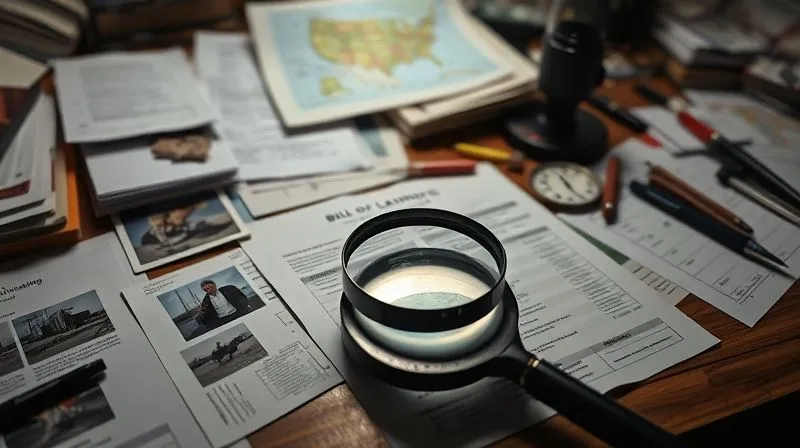
Leveraging Expert Witnesses and Forensic Analysis
In complex concealed damage cases, the testimony and findings of specialized experts can be the linchpin that turns the tide in your favor. Their objective analysis lends significant credibility and technical depth to your claim.
Marine Surveyors: The Linchpin of Your Case
As I mentioned earlier, a marine surveyor is more than just an inspector; they are often your primary expert witness. Their role extends beyond merely describing the damage.
- Root Cause Analysis: A skilled surveyor can often determine the *cause* of the damage – whether it was impact, water ingress, temperature excursion, or improper stowage.
- Timing of Damage: They can provide an expert opinion on when the damage likely occurred, helping to place it within the carrier's custody period.
- Expert Testimony: In litigation or arbitration, their testimony, backed by their detailed report and professional experience, is invaluable.
Forensic Engineers: Unraveling Material Failures
For highly technical cargo, such as machinery, electronics, or specialized materials, a forensic engineer can be crucial. They possess the scientific expertise to analyze material failures or operational malfunctions.
- Material Science Analysis: Determining if a crack was due to a manufacturing defect, fatigue from vibration, or a sudden impact.
- Component Failure Analysis: Investigating why a specific part of a machine failed and if it's consistent with external forces during transit.
Packaging Experts: Adequacy and Protection
Carriers frequently argue that damage was due to inadequate packaging. A packaging expert can counter this defense by providing an objective assessment.
- Packaging Design Review: Evaluating if the packaging met industry standards and was appropriate for the mode of transport and cargo type.
- Stress Testing: Potentially simulating transit conditions to demonstrate the packaging's resilience.
The Art of Proving Causation: Connecting the Dots
Proving causation is where many concealed damage claims succeed or fail. It’s not enough to show damage exists; you must definitively link that damage to an event or condition that occurred while the cargo was under the carrier's care. This requires meticulous correlation of evidence.
Demonstrating Damage During Carrier Custody
This is the core challenge. You need to create a compelling timeline and narrative that eliminates other possibilities. This is where combining all your gathered evidence becomes critical.
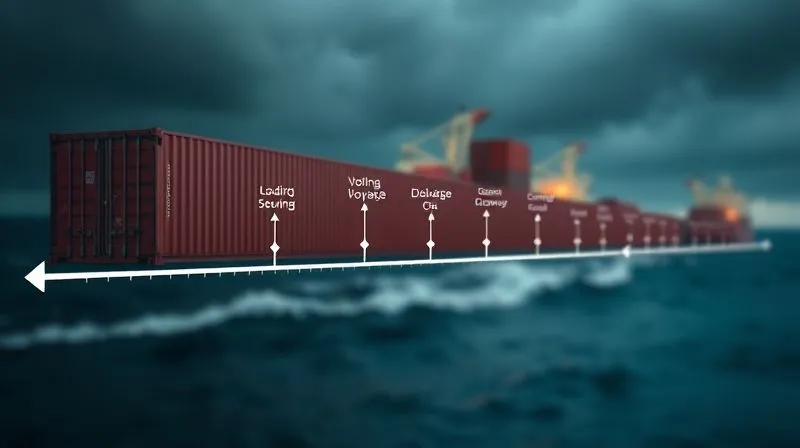
- Chronological Evidence Trail: Map out the journey from factory to consignee, identifying all points of transfer and handling.
- Excluding Pre-Shipment Defects: Use pre-shipment inspection reports, manufacturer's QC, and loading surveys to prove the goods were sound when tendered to the carrier.
- Ruling Out Inherent Vice: Show that the damage isn't due to the natural deterioration or characteristic of the goods themselves.
- Eliminating Post-Discharge Handling: Document the handling process from port to final destination, confirming proper procedures were followed after discharge.
Case Study: How ‘AquaTech Logistics’ Proved Water Damage
Case Study: How AquaTech Logistics Proved Hidden Water Damage
AquaTech Logistics, a fictional importer of specialized electronics, faced a claim for water damage to a consignment of sensitive equipment. The container arrived with a clean bill of lading, and no external signs of water ingress were visible at discharge. However, three days later, during unpacking, significant corrosion and water marks were found on the electronics and internal packaging.
AquaTech immediately followed the steps I've outlined: they notified the carrier within 24 hours, secured the container and damaged goods, and engaged a reputable marine surveyor. The surveyor's report identified subtle signs of water staining on the container's interior floor and a hairline crack in the door seal that was not apparent from the outside.
Crucially, AquaTech's team cross-referenced the vessel's voyage data with independent meteorological reports. They identified a specific period of extreme weather with heavy rainfall and high seas during the transit, coinciding with the container's position where it would have been exposed to sea spray and driving rain. The forensic engineer they engaged confirmed that the corrosion pattern was consistent with saltwater exposure over several days.
By correlating the surveyor's findings of the faulty seal, the specific weather events during transit, and the forensic analysis of the corrosion, AquaTech built an irrefutable case. They demonstrated that the damage occurred during the carrier's custody, specifically due to the unseaworthiness of the container's seal in adverse weather, despite the clean bill of lading. The carrier, faced with this overwhelming evidence, settled the claim in full, avoiding protracted litigation. This case perfectly illustrates the power of connecting disparate pieces of evidence to prove causation.
Navigating Legal Presumptions and Defenses
Understanding the legal landscape is not just about knowing your rights; it's about anticipating and countering the carrier's defenses. Carriers are not passive entities; they have legal teams and adjusters skilled in discrediting claims.
Carrier's Standard Defenses
Under COGSA and the Hague-Visby Rules, carriers benefit from a range of exceptions to liability, often referred to as 'excepted perils.' These include:
- Perils of the Sea: Extraordinary sea conditions that could not have been foreseen or guarded against.
- Act of God: Natural events beyond human control (e.g., earthquakes, hurricanes).
- Act of War/Public Enemies: Damage caused by hostilities or state-sponsored actions.
- Inherent Vice of the Goods: Damage arising from the natural properties or defects of the cargo itself (e.g., decay of perishable goods, self-combustion).
- Shipper's Fault/Act or Omission: Damage caused by improper packing, loading, or instructions from the shipper.
- Strikes/Lockouts: Industrial action preventing delivery or handling.
- Saving Life or Property at Sea: Deviations undertaken to save lives or property.
- Latent Defects Not Discoverable by Due Diligence: A defect in the vessel or container that was not discoverable through reasonable inspection.
Countering Carrier Defenses: Shifting the Burden Back
While carriers can invoke these defenses, they bear the burden of proving that the damage falls within an exception. Your role is to demonstrate that the carrier's negligence or failure of due diligence contributed to the loss. This is where your meticulously gathered evidence shines.
- Unseaworthiness: If the damage was caused by a defect in the vessel or container, you must prove that the carrier failed to exercise due diligence to make the vessel seaworthy before and at the beginning of the voyage. This includes proper equipping, manning, and ensuring holds/containers are fit for cargo.
- Improper Stowage/Care of Cargo: Even if an excepted peril occurred, if the carrier's improper stowage or failure to care for the cargo exacerbated or directly caused the damage, they can still be held liable.
- No Causal Link: Argue that the claimed 'peril' was not the actual cause of the concealed damage, or that the damage would not have occurred but for the carrier's negligence.
Strategic Negotiation and Litigation Considerations
Even with a meticulously prepared case, the path to recovery often involves negotiation, and potentially, formal dispute resolution. Understanding these processes is vital.
Settlement Discussions: Presenting a Strong Case
Most cargo claims are settled out of court. Your goal is to present such a compelling, evidence-backed claim that the carrier recognizes the futility of litigation and offers a fair settlement.
- Structured Demand Letter: A detailed letter outlining your claim, supported by all evidence (survey reports, photos, expert opinions, invoices for damages).
- Quantify Damages: Clearly state the monetary value of your loss, including actual damage, survey fees, and any other recoverable costs.
- Be Prepared to Negotiate: While starting with your full claim, be open to reasonable compromise.
Arbitration vs. Litigation: Choosing Your Arena
If negotiations fail, you may need to escalate. The bill of lading often specifies the jurisdiction and method of dispute resolution.
- Arbitration: Often preferred in maritime disputes for its speed, confidentiality, and industry-specific expertise of arbitrators. It's typically less formal than court.
- Litigation: Involves formal court proceedings. Can be slower and more public but offers the full force of judicial precedent.
It's crucial to consult with an experienced maritime lawyer to determine the best course of action, taking into account the specifics of your case, the amount in dispute, and the applicable legal framework. Cornell Law School's Legal Information Institute provides a good overview of maritime law principles.
Frequently Asked Questions (FAQ)
Q: What if I signed a clean bill of lading? Does that automatically mean I have no claim for concealed damage? No, signing a clean bill of lading creates a presumption that the goods were in apparent good order. However, it does not bar a claim for concealed damage. You must then prove that the damage occurred while the goods were in the carrier's custody and was not discoverable upon reasonable inspection at discharge. This is precisely what this article addresses.
Q: How soon after delivery must I notify the carrier of concealed damage? Under the Hague-Visby Rules and COGSA, written notice of concealed damage must be given within three days of delivery. Failure to do so shifts the burden of proof to the claimant to show the goods were damaged in the carrier's custody, effectively making your case much harder. Always aim for immediate notification.
Q: Can I claim for purely aesthetic damage if the functionality of the goods is unaffected? Yes, generally. If the aesthetic damage reduces the market value of the goods, even if their core functionality is intact, you can claim for the diminution in value. The key is to prove the damage occurred during transit and that it has a measurable financial impact.
Q: What role does packaging play in a concealed cargo damage claim? Packaging is critical. Carriers often argue that inadequate packaging contributed to the damage. You must be able to demonstrate that the packaging was suitable for the nature of the goods and the intended voyage. Expert packaging reports can be essential here. Conversely, if the packaging itself shows signs of external force, it strengthens your case.
Q: What if the carrier denies access for my surveyor to inspect the damaged goods or the container? This is a serious issue. If the carrier denies access, document this refusal immediately and formally. This denial can be used as evidence against the carrier, implying they have something to hide. In some jurisdictions, courts may compel access or draw adverse inferences from such a refusal. Consult your maritime lawyer promptly if this occurs.
Key Takeaways and Final Thoughts
Proving carrier liability for concealed cargo damage is undoubtedly one of the most intricate challenges in maritime law, demanding a blend of meticulous documentation, expert analysis, and strategic legal insight. The clean bill of lading, while a formidable hurdle, is not an insurmountable barrier if you approach the problem systematically and proactively.
- Act Swiftly: Timely notice and preservation of evidence are non-negotiable first steps.
- Document Everything: From pre-shipment condition to post-discovery photos, every detail matters.
- Leverage Experts: Independent marine surveyors and forensic specialists provide objective, credible evidence.
- Build a Causal Chain: Connect the dots between carrier custody and the damage, ruling out other possibilities.
- Understand the Law: Knowing the applicable conventions and carrier defenses allows you to strategically counter their arguments.
In my experience, the difference between a successful claim and a dismissed one often lies in the claimant's preparedness and their willingness to invest in a thorough investigation. Don't let the complexity deter you. By following these expert-backed strategies, you empower yourself to navigate these challenging claims with confidence and significantly increase your chances of holding carriers accountable for the concealed damage suffered by your valuable cargo. Remember, vigilance and preparation are your strongest allies on the high seas of commerce.
Recommended Reading
- 7 Pillars to Defend a Contested Elder Law Trust from Undue Influence
- H-1B Reforms: 7 Strategies to Future-Proof Your Business Strategy
- 5 Expert Strategies to Prove Slip Fall Negligence with Scant Evidence
- 7 Proven Strategies: How to Stop Former Employees From Using Your Trade Secrets Unfairly?
- Unlocking Benefits: The True Impact of Special Needs Trusts on SSI & Medicaid


Comments
Leave a comment below. Your email will not be published. Required fields marked with *