



How to Prove Carrier Negligence for Water Damaged Cargo Claims?
For over two decades in the intricate world of maritime law, I've witnessed firsthand the devastating impact water damaged cargo claims can have on businesses. It's not just about the monetary loss; it's about disrupted supply chains, damaged client relationships, and the sheer frustration of navigating a complex legal landscape.
Many companies, unfortunately, face an uphill battle when their precious cargo arrives soaked and ruined. The immediate instinct is to blame the carrier, but proving negligence isn't as straightforward as it seems. Carriers are protected by a labyrinth of international conventions and contractual clauses, often leaving shippers feeling powerless and without recourse.
In this definitive guide, I will share my accumulated expertise, offering you a step-by-step framework, real-world insights, and actionable strategies on how to prove carrier negligence for water damaged cargo claims. We’ll delve into the critical evidence, the legal nuances, and the tactical approaches that can make the difference between a devastating loss and a successful recovery.
Understanding the Legal Framework: Carrier Liability Basics
Before we dive into the nitty-gritty of evidence, it’s crucial to grasp the legal battlefield you're operating on. The liability of a maritime carrier for cargo damage is primarily governed by international conventions or national laws that adopt their principles. The most prevalent frameworks are the Hague Rules, the Hague-Visby Rules (HVR), and the U.S. Carriage of Goods by Sea Act (COGSA).
These rules generally establish a baseline for carrier responsibility, but importantly, they also provide carriers with a list of exceptions to liability. This is where the challenge lies. While a carrier is obligated to exercise due diligence to make the ship seaworthy and to properly load, stow, carry, keep, care for, and discharge the goods, they are not insurers of the cargo.
In my experience, shippers often overlook the burden of proof. Initially, you, as the claimant, must establish a prima facie case: that the goods were received by the carrier in good condition and delivered in a damaged condition. Once that's done, the burden shifts to the carrier to prove that the loss falls under one of the enumerated exceptions, such as perils of the sea, act of God, act of public enemy, inherent vice of the goods, or indeed, the shipper's own fault. If the carrier successfully proves an exception, the burden can then shift back to you to prove that the carrier's negligence contributed to the loss. This is where proving negligence for water damage becomes particularly critical.
For a deeper dive into these foundational legal instruments, I often refer to resources like the International Maritime Organization's repository of conventions, which provides comprehensive details on the Hague-Visby Rules.
Immediate Actions: Securing Evidence at the Scene
The moment water damage is discovered is the most critical juncture in any claim. Delay can be fatal. I’ve seen countless strong cases crumble because crucial evidence was lost or compromised in the immediate aftermath. Your swift and methodical action here will lay the foundation for proving carrier negligence for water damaged cargo claims.
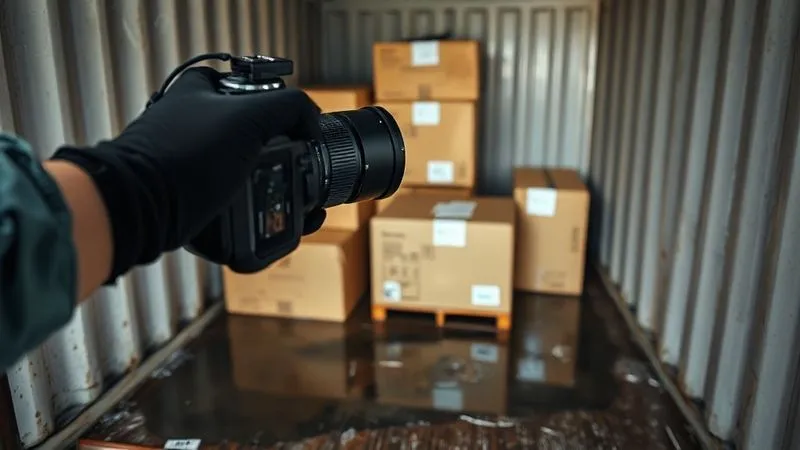
- Document Everything: Start with comprehensive photographic and video evidence. Capture wide shots of the vessel, container, or warehouse area, then zoom in on the specific damage. Show the extent, the location, and potential sources of water ingress. Don't forget to photograph the surrounding packaging, labels, and the cargo itself.
- Notes and Observations: Keep a detailed log. Note the exact date, time, location, and weather conditions. Record the names and contact details of all personnel present – stevedores, port officials, carrier representatives, and your own staff. Their initial observations can be invaluable.
- Isolate and Protect: If possible and safe, isolate the damaged cargo to prevent further deterioration. This demonstrates your duty to mitigate losses, which is a legal obligation.
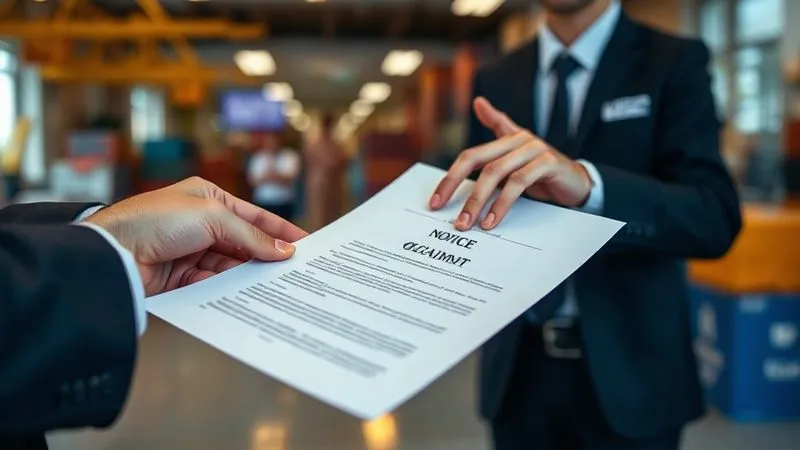
- Issue a Notice of Claim/Protest: Immediately notify the carrier (or their agent) in writing about the damage. This is a non-negotiable step, often required within a few days of delivery under most conventions. State that you reserve all rights to claim compensation.
"In maritime claims, the early bird gets the evidence. Hesitation is the enemy of a successful claim."
Remember, the carrier will likely send their own surveyor. Your documentation needs to be robust enough to stand up to their scrutiny. Think of yourself as a detective gathering clues; every detail matters.
The Critical Role of Surveys and Expert Reports
While your initial documentation is vital, the professional cargo survey is the backbone of proving carrier negligence for water damaged cargo claims. An independent marine surveyor is an unbiased third party whose expertise is to investigate the cause, nature, and extent of damage. Their report carries significant weight in negotiations and, if necessary, in court.
What to look for in a surveyor:
- Independence: Ensure they are truly independent, not affiliated with the carrier or their insurers.
- Experience: They should have a proven track record in similar cargo types and damage scenarios.
- Thoroughness: A good surveyor will not just document damage but will actively seek the cause. This includes examining the container, vessel, stowage, and reviewing relevant documents.
The surveyor’s report should meticulously detail the findings, often including laboratory analysis of water samples (to determine if it's fresh, salt, or contaminated), moisture content tests, and expert opinions on the likely cause of ingress. Was it a leaky container, a breached hatch cover, condensation due to poor ventilation, or perhaps ingress through the ship's structure?
Case Study: The Misplaced Tarpaulin
I recall a case where a shipment of electronics arrived with significant water damage. The carrier initially blamed "perils of the sea," citing heavy weather. However, our independent surveyor's meticulous examination revealed something else. While the storm was severe, the primary water ingress wasn't through the ship's structure but via a poorly secured hatch cover that had shifted. Crucially, the surveyor found evidence that the tarpaulin covering the hatch had been improperly fastened, a clear failure in the carrier's duty of due diligence for proper stowage and securing. This finding, combined with the ship's log showing routine checks had been missed, was instrumental in proving carrier negligence, leading to a full recovery for our client, a medium-sized electronics distributor.
For finding reputable surveyors, organizations like the National Association of Marine Surveyors (NAMSGlobal) are excellent resources for accredited professionals.
Deciphering the Bill of Lading and Shipping Documents
The Bill of Lading (B/L) is more than just a receipt; it's a contract of carriage and a document of title. Its condition upon loading is paramount. A "clean" B/L indicates that the goods were received by the carrier in apparent good order and condition. If your B/L is clean, it significantly strengthens your prima facie case for proving carrier negligence for water damaged cargo claims.
However, if the B/L is "claused" – meaning it contains notations about pre-existing damage or deficiencies – your task becomes much harder. This is why careful inspection at the point of loading, and ensuring any issues are noted before the B/L is issued, is critical.
Beyond the B/L, a host of other documents can provide invaluable clues:
- Mate's Receipts: Often issued before the B/L, these can sometimes contain more detailed notations about the cargo's condition.
- Loading and Stowage Plans: These show exactly where your cargo was positioned on the vessel or within a container. Poor stowage can directly lead to water damage, especially if cargo is placed near known leakage points or without proper dunnage.
- Ship's Logbooks: The deck and engine room logs record weather conditions, ship movements, maintenance performed, and any incidents at sea. These can corroborate or contradict carrier claims about "perils of the sea."
- Container Inspection Reports: For containerized cargo, these reports document the container's condition before loading. Evidence of pre-existing holes, rust, or compromised seals is a direct line to carrier negligence.
- Ventilation Records: For temperature-sensitive cargo, inadequate ventilation can cause condensation (sweat damage), which is a form of water damage often attributable to carrier negligence in managing the cargo environment.
Gathering and meticulously reviewing these documents can reveal inconsistencies or direct evidence of the carrier's failure to exercise due diligence. It's like piecing together a complex puzzle, and every document is a potential piece.
| Document Type | Relevance to Water Damage |
|---|---|
| Bill of Lading | Proof of cargo condition at loading, clauses indicate prior issues. |
| Mate's Receipt | Precursor to B/L, may contain detailed damage notations. |
| Stowage Plan | Indicates cargo placement, reveals poor stowage leading to leaks. |
| Ship's Logbooks | Records weather, incidents, maintenance; contradicts 'perils of the sea' claims. |
| Container Inspection Report | Shows container integrity before loading, reveals pre-existing defects. |
Proving Unseaworthiness or Improper Stowage
One of the most potent arguments when learning how to prove carrier negligence for water damaged cargo claims revolves around the carrier's fundamental duty to provide a seaworthy vessel and to properly and carefully load, handle, stow, carry, keep, care for, and discharge the goods carried. Water damage often stems from a breach of one of these duties.
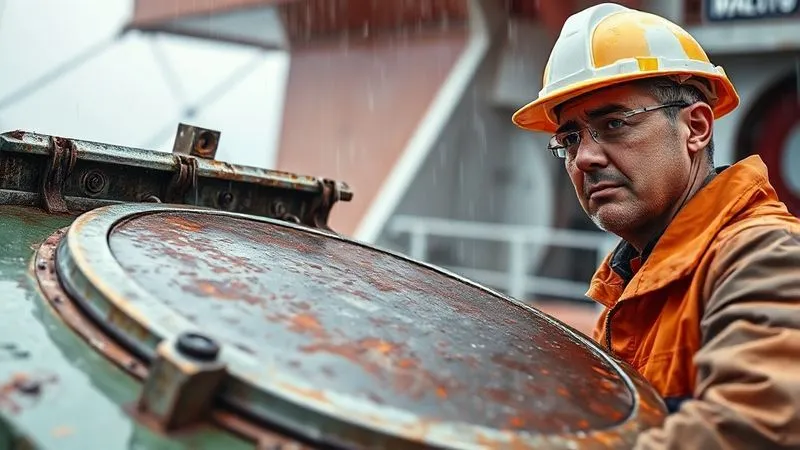
Unseaworthiness: This refers to the condition of the vessel itself. Was the ship structurally sound? Were the hatch covers watertight? Were the ventilation systems operational? Were the scuppers clear? Evidence of unseaworthiness can include:
- Maintenance Records: A ship's maintenance logs can reveal a history of neglected repairs, particularly concerning hatches, hull integrity, or drainage systems.
- Classification Society Surveys: Regular surveys by classification societies ensure a ship meets certain safety and structural standards. Any deficiencies noted prior to or during the voyage can point to unseaworthiness.
- Expert Opinion: Marine engineers or naval architects can provide expert testimony on whether the vessel's design or condition was inadequate for the intended voyage or cargo.
Improper Stowage: Even on a seaworthy vessel, cargo can be damaged if not properly stowed. This can lead to "sweat damage" (condensation) or direct water ingress if cargo is placed in inappropriate locations or without adequate protection.
- Lack of Dunnage: Insufficient dunnage (materials used to protect cargo and facilitate ventilation) can allow water to pool or prevent air circulation, leading to condensation.
- Stowage Near Known Leakage Points: Placing sensitive cargo near areas prone to leaks (e.g., poorly sealed hatches, pipe runs) without extra protection is a clear act of negligence.
- Inadequate Ventilation: For cargoes susceptible to moisture, proper ventilation is crucial. If the carrier failed to operate the ventilation system effectively, or if the system itself was faulty, it can lead to significant water damage.
- Improper Lashing/Securing: While less directly related to water ingress, poorly secured cargo can shift during heavy weather, potentially rupturing other cargo or damaging the container/vessel structure, thereby creating new points of water entry.
"A seaworthy vessel isn't just about floating; it's about being fit to safely carry the specific cargo under anticipated conditions."
Challenging Carrier Defenses: Navigational Error vs. Lack of Due Diligence
Carriers are adept at invoking exceptions to liability. Understanding these defenses and, more importantly, how to challenge them, is key to proving carrier negligence for water damaged cargo claims. Common defenses include:
- Perils of the Sea: This is a frequently used defense, claiming the damage was caused by extraordinary forces of nature that could not be guarded against by ordinary exertions of human skill and prudence.
- Act of God: Similar to perils of the sea, but typically refers to even more extreme natural events.
- Act or Omission of the Shipper: Blaming the shipper for improper packing, labeling, or inherent vice of the goods.
- Fire: Unless caused by the actual fault or privity of the carrier.
- Navigational Error or Management of the Ship: This is a particularly tricky one. Under the Hague-Visby Rules and COGSA, carriers are generally exempt from liability for damage arising from errors in navigation or the management of the ship.
The distinction between "management of the ship" and "care of the cargo" is critical. If a captain makes a poor navigational decision that leads to the ship taking on water and damaging cargo, that might be a navigational error. However, if the ship's crew fails to properly secure a hatch cover, leading to water ingress, that falls under the "care of the cargo" duty, and the carrier would likely be liable. My experience tells me that carriers will always try to frame issues as navigational errors or perils of the sea.
Your strategy is to demonstrate a lack of "due diligence" on the part of the carrier. This means showing that the carrier failed to take all reasonable steps to make the vessel seaworthy before and at the beginning of the voyage, or failed to properly care for the cargo. For instance, if a storm was forecast, did the crew take all reasonable precautions? Were the weather routing services utilized? Were all hatch covers, portholes, and ventilation systems checked and secured?
Evidence from meteorological reports, ship's logs, and expert witness testimony (e.g., a nautical expert on seamanship) can be crucial in rebutting "perils of the sea" claims by showing that the conditions were foreseeable or manageable with due care. Similarly, a surveyor’s report detailing a pre-existing defect in the vessel or container directly counters claims of unforeseen events.
For a detailed analysis of carrier defenses and the nuances of maritime law, I often consult specialized legal publications, such as articles found in the Journal of International Maritime Law.
The Power of Communication: Notices, Protests, and Negotiations
Effective communication is a powerful tool in your arsenal for proving carrier negligence for water damaged cargo claims. It's not just about compliance; it's about building a strong narrative and protecting your legal position.
- Timely Notice of Claim: As mentioned, this is paramount. Most conventions require written notice within a specific timeframe (e.g., 3 days for apparent damage under Hague-Visby). Failure to provide timely notice creates a presumption that the goods were delivered as described in the Bill of Lading, shifting a heavy burden of proof onto you. Always send via verifiable means (email with read receipt, registered mail) and keep copies.
- Letter of Protest / Reservation of Rights: Even if you're unsure of the full extent of damage or the cause, issue a letter of protest. This formally puts the carrier on notice and reserves your right to claim. It should be clear, concise, and state that you are not waiving any rights.
- Maintain a Communication Log: Document every interaction – phone calls, emails, meetings. Note who you spoke with, what was discussed, and any agreements or disagreements. This can be invaluable if disputes arise later.
- Controlled Information Release: Be careful what information you share with the carrier, especially early on. While transparency is good, avoid making admissions or speculating on the cause of damage until your own experts have thoroughly investigated.
- Negotiation Strategy: Once you have a strong body of evidence (survey reports, documentation, legal analysis), you're in a much stronger position to negotiate. Present your case clearly, quantify your losses meticulously, and be prepared to justify every aspect of your claim. Remember, negotiation is often a process of give and take, but you need to enter it from a position of strength, armed with irrefutable evidence of negligence.
I always advise clients to be polite but firm. Your goal is resolution, not confrontation, but you must protect your interests rigorously. As the renowned legal scholar, Professor William Tetley, often emphasized, "The rules relating to notice of loss or damage are strictly applied."
Quantifying Your Losses: Damages and Mitigation
Proving carrier negligence for water damaged cargo claims is only half the battle; the other half is accurately quantifying your losses. You can prove negligence, but if you can't prove the monetary value of your damage, your claim will fall short. Furthermore, you have a legal duty to mitigate your losses.
Assessing Damages:
- Direct Damage: This is the most straightforward – the cost of the damaged goods themselves. This includes the invoice value, freight, customs duties, and any other costs directly incurred to get the goods to the destination.
- Salvage Value: If the goods have any salvage value (e.g., they can be sold at a reduced price, or components can be recovered), this must be accounted for and deducted from your claim.
- Survey Fees: The cost of the independent marine surveyor is typically recoverable as part of your claim.
- Storage and Handling: Any reasonable costs for temporary storage, re-handling, or disposal of the damaged cargo can also be claimed.
- Loss of Profit: This is often more complex and harder to prove. Generally, you can only claim for loss of profit if it was a foreseeable consequence of the damage and if you can provide robust evidence (e.g., confirmed sales orders that were lost).
Duty to Mitigate: You are legally obligated to take reasonable steps to minimize your losses once damage is discovered. This means:
- Segregate Damaged Goods: Separate damaged from undamaged cargo to prevent further contamination or deterioration.
- Act Quickly: If repairs are possible or if the goods can be salvaged, act promptly. Delays can be held against you.
- Consult Experts: For complex cargo, consult with experts on the best way to salvage or dispose of the goods to maximize recovery and minimize loss.
Keep meticulous records of all expenses incurred in assessing and mitigating the damage. These records will be crucial in justifying your claim amount. A common mistake I observe is claimants failing to provide sufficient documentation for every single cost element, which can lead to significant deductions in their final settlement.
| Damage Category | Documentation Required |
|---|---|
| Direct Cargo Loss | Commercial Invoice, Bill of Lading, Survey Report, Purchase Orders |
| Salvage Value | Sales Receipts from Salvage, Expert Valuation Report |
| Survey & Expert Fees | Invoices from Surveyors/Experts |
| Storage & Handling Costs | Warehouse Receipts, Handling Invoices |
| Loss of Profit (if applicable) | Lost Sales Contracts, Market Analysis, Financial Projections |

Frequently Asked Questions (FAQ)
What if the Bill of Lading is "clean" but I suspect damage occurred before loading? A clean B/L creates a strong presumption that the goods were in good condition upon receipt by the carrier. However, this presumption can be rebutted. You would need compelling evidence, such as pre-loading survey reports, gate-in reports from the terminal, or eyewitness testimony, to show that the damage existed before the carrier took custody, and that the carrier should have noted it. This is a challenging but not impossible task, emphasizing the need for robust pre-shipment documentation.
How long do I have to file a claim for water damaged cargo? Under the Hague-Visby Rules and COGSA, a lawsuit must generally be commenced within one year from the date the goods were delivered or should have been delivered. However, the initial notice of claim to the carrier for apparent damage typically has a much shorter window, often 3 days. It is crucial to check the specific Bill of Lading clauses and applicable conventions for precise deadlines, as missing these can be fatal to your claim.
What's the difference between "perils of the sea" and carrier negligence for water damage? "Perils of the sea" refers to maritime accidents caused by the extraordinary action of the wind and waves, or other natural forces, that could not be foreseen or guarded against by the carrier's ordinary care and skill. Carrier negligence, on the other hand, implies a failure to exercise due diligence to make the vessel seaworthy or to properly care for the cargo. For example, a severe storm might be a "peril of the sea," but if water entered through a poorly maintained hatch that the carrier should have repaired, that points to negligence, even if the storm was severe. The key is whether the damage was preventable with reasonable care.
Can I still claim if I didn't get a joint survey with the carrier? While a joint survey is highly recommended as it provides an agreed-upon factual basis, its absence does not automatically invalidate your claim. You can still proceed with your claim based on your own independent survey report, photographic evidence, and other documentation. However, the carrier may challenge the findings more vigorously without their representative present, making your evidence's robustness even more critical.
What role does marine insurance play in these claims? Marine cargo insurance protects the cargo owner against loss or damage to goods during transit. While it doesn't absolve the carrier of liability, having insurance means you can often claim from your insurer first. Your insurer will then typically subrogate, meaning they will pursue the claim against the carrier on your behalf. This can simplify the process for you and ensure quicker recovery, but it doesn't eliminate the need to prove carrier negligence if the insurer decides to pursue recovery from the carrier.
Key Takeaways and Final Thoughts
Navigating water damaged cargo claims is undoubtedly complex, but it is far from an unwinnable battle. As an industry specialist with years of experience, I can tell you that success hinges on meticulous preparation, swift action, and a deep understanding of maritime law and the carrier’s obligations. Proving carrier negligence for water damaged cargo claims requires a strategic approach, transforming what might seem like an insurmountable challenge into a recoverable loss.
Here are the most critical, actionable pieces of advice to imprint:
- Act Immediately: The first 72 hours post-discovery are paramount for securing evidence.
- Document Everything: Photographs, videos, and detailed notes are your primary witnesses.
- Engage Independent Experts: A professional marine surveyor is indispensable.
- Master Your Documents: The Bill of Lading and all shipping records hold crucial clues.
- Understand Legal Nuances: Differentiate between carrier exceptions and actual negligence.
- Communicate Strategically: Timely notices and protests protect your legal standing.
- Quantify Meticulously: Ensure every aspect of your loss is accurately documented and justified.
Do not be intimidated by the carrier’s legal team or their standard defenses. With a well-structured case built on solid evidence and expert insights, you can effectively challenge their position and secure the compensation you deserve. Empower yourself with this knowledge, and remember that every detail contributes to the strength of your claim. Your diligence today can prevent significant financial setbacks tomorrow.
Recommended Reading
- Unveiling the Secrets: How Courts Review Agency Statutory Interpretations
- Urgent: 7 Steps to Prove Common Law Marriage for Spousal Support
- 5 Legal Pillars: Navigating Post-Merger Data Privacy Integration Challenges
- Unveiling the Truth: How to Prove Sexual Harassment Without Witnesses
- Unveiling What Happens at a Personal Injury Deposition: Your Ultimate Guide

Comments
Leave a comment below. Your email will not be published. Required fields marked with *