


Immediate Legal Steps to Combat Large-Scale Cross-Border Counterfeiting?
For over 20 years in intellectual property law, I've witnessed firsthand the devastating impact that large-scale cross-border counterfeiting can have on businesses. It's not just about lost sales; it erodes brand reputation, compromises consumer trust, and can even pose significant safety risks, transforming a thriving enterprise into one fighting for survival. I've seen countless companies, unprepared for the global scale of these operations, struggle to mount an effective defense, often reacting too slowly or without a cohesive strategy.
The proliferation of sophisticated, large-scale cross-border counterfeiting operations isn't just a nuisance; it's an existential threat in our interconnected world. Counterfeiters exploit complex global supply chains, digital anonymity, and jurisdictional ambiguities, making traditional, localized enforcement tactics largely ineffective. The sheer volume and speed at which fake goods can move across borders demand an immediate, aggressive, and strategically coordinated legal response.
This article will guide you through the immediate legal steps to combat large-scale cross-border counterfeiting, offering a pragmatic framework built on decades of experience. We'll delve into actionable strategies, real-world insights, and expert advice designed to help you reclaim control, protect your intellectual property, and secure your brand's future against this pervasive threat. It's time to move beyond reactive measures and implement a robust, proactive defense.
1. The Critical First 72 Hours: Rapid Assessment and Evidence Gathering
When you discover large-scale cross-border counterfeiting, the clock starts ticking immediately. The first 72 hours are crucial for gathering irrefutable evidence that will form the backbone of any legal action. In my experience, delays at this stage can allow counterfeiters to destroy evidence, move their operations, or disappear entirely, making enforcement exponentially harder.
Securing Digital Evidence
Today, much of the initial evidence for counterfeiting originates online. This includes listings on e-commerce platforms, social media promotions, and even dark web forums. You need to act swiftly to capture and preserve this digital footprint. This involves taking screenshots, recording URLs, archiving web pages using specialized tools, and documenting seller information, pricing, and product descriptions. Remember, digital evidence can be volatile and easily altered or removed, so timeliness and proper chain of custody are paramount.
Physical Evidence Collection and Analysis
While digital evidence is crucial, physical samples of counterfeit goods are often indispensable. If possible, make 'test purchases' of suspected counterfeit products from various sources identified online or through market surveillance. Document every step of this process: who purchased it, when, where, and from whom. Once acquired, these samples should be securely stored and, if necessary, sent for expert analysis to confirm their counterfeit nature and identify any unique markings or production methods that could trace back to the source.
"In the fight against sophisticated counterfeiters, every piece of evidence is a puzzle piece. The more meticulously you collect and preserve them in the initial hours, the clearer the picture you can present to courts and authorities, significantly increasing your chances of success."
I've seen cases where seemingly minor details, like a specific packaging flaw or an unusual shipping label, provided the breakthrough needed to uncover a vast counterfeiting network. Don't underestimate the power of thorough, immediate evidence gathering.

2. Cease and Desist: Strategic Deployment Across Borders
Once you have compelling evidence, a well-crafted Cease and Desist (C&D) letter can be a powerful initial strike. However, deploying C&Ds in a cross-border context requires a nuanced, strategic approach, not just a boilerplate template. It's about sending a clear, unequivocal message while understanding the recipient's legal landscape.
Tailoring C&D to Jurisdictions
A C&D letter must be drafted with the specific legal requirements and cultural norms of the target jurisdiction in mind. What's effective in the US might be ignored or even counterproductive in China or a European Union member state. This means engaging local counsel to ensure the letter is legally sound, properly translated (if necessary), and delivered through appropriate channels. The letter should clearly identify your intellectual property rights, present the evidence of infringement, demand immediate cessation of infringing activities, and reserve all rights to pursue further legal action.
Actionable Steps for Cross-Border C&D Deployment:
- Identify Targets: Precisely pinpoint the individuals or entities involved in the counterfeiting operation. This may require forensic investigation to unmask anonymous online sellers.
- Engage Local Counsel: Retain IP specialists in the relevant foreign jurisdictions. They understand local laws, enforcement mechanisms, and cultural nuances.
- Draft Customised Letters: Work with local counsel to draft C&D letters that comply with local legal standards and are persuasive within that jurisdiction.
- Consider Delivery Methods: Official delivery methods, such as process servers or certified mail, are often necessary to prove receipt and establish a legal basis for future action.
- Set Clear Deadlines: Provide a reasonable but firm deadline for compliance, typically 7-14 days, after which further legal action will be initiated.
While a C&D might not always stop a determined counterfeiter, it serves several critical purposes: it puts them on notice, creates a documented record of your enforcement efforts, and can sometimes prompt smaller, less organized infringers to cease their activities. More importantly, it lays the groundwork for subsequent, more aggressive legal actions. For deeper insights into international IP enforcement, I often refer to resources like the World Intellectual Property Organization (WIPO) for foundational knowledge.
3. Leveraging Customs Authorities: Your Frontline Defense
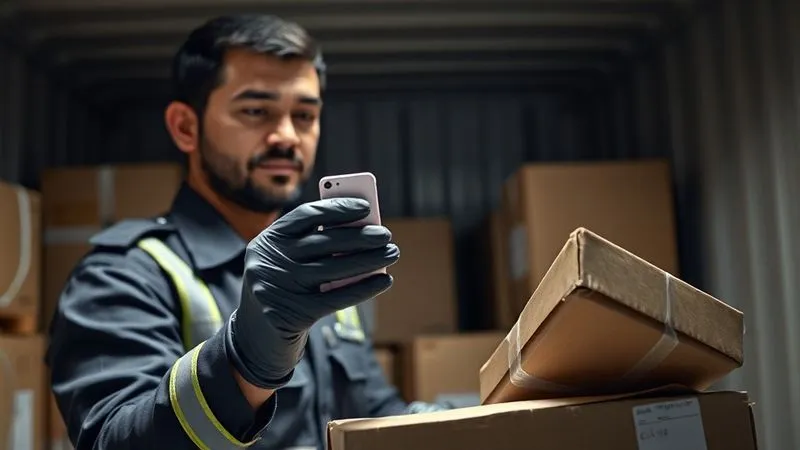
One of the most effective immediate legal steps to combat large-scale cross-border counterfeiting involves engaging customs authorities. Customs agencies at borders and ports are your first and often most formidable line of defense against the physical flow of counterfeit goods. They possess the power to seize and detain infringing products before they ever reach the market.
Recordation and Watch Notices
The cornerstone of customs enforcement is IP recordation. In many countries, brand owners can record their trademarks and copyrights with national customs agencies. This process officially alerts customs officials to your IP rights and provides them with the necessary information (e.g., product descriptions, authenticating features, known counterfeit characteristics) to identify and seize infringing goods. Once recorded, you can issue 'watch notices' or 'alerts' to specific ports or regions where you suspect counterfeit shipments might pass through. This proactive measure empowers customs officials to act on your behalf.
Here's a simplified look at typical customs recordation requirements:
| Country/Region | Key Requirement | Duration | Typical Cost |
|---|---|---|---|
| United States | Record with CBP via e-Recordation system | Renewable every 10 years | Moderate (per class) |
| European Union | Application for Action (AFA) with national customs | Renewable every 1 year | Low to Moderate (national) |
| China | Record with GAC (General Administration of Customs) | Renewable every 10 years | Moderate |
| Canada | Request for Assistance (RFA) with CBSA | Renewable every 2 years | Low |
In my practice, I always advise clients to prioritize recordation in key manufacturing and transit hubs, not just their primary markets. This strategic approach creates choke points in the counterfeit supply chain. Furthermore, maintaining an open line of communication with customs officials, providing training on how to identify your authentic products versus fakes, and offering reward programs can significantly enhance their vigilance and effectiveness.
4. Navigating Online Marketplaces: Takedowns and Enforcement
The digital realm is a primary battleground for combating large-scale cross-border counterfeiting. E-commerce platforms and social media sites are often the storefronts for counterfeiters, making swift online enforcement absolutely critical. The challenge lies in the sheer volume of listings and the varying enforcement policies across platforms and jurisdictions.
Platform-Specific Enforcement Mechanisms
Most major online marketplaces (e.g., Amazon, Alibaba, eBay, Shopify) and social media platforms (e.g., Facebook, Instagram, TikTok) have established Intellectual Property Rights (IPR) reporting mechanisms. These systems allow brand owners to report infringing listings for takedown. Understanding the nuances of each platform's policy is vital. Some require direct proof of trademark or copyright registration, while others rely on a declaration from the brand owner. Many platforms also offer brand registries or protection programs that streamline the reporting process and provide additional tools for monitoring and enforcement.
Actionable Steps for Online Takedown Process:
- Enroll in Brand Registries: If available, register your brand with platforms like Amazon Brand Registry or Alibaba's IP Protection Platform. This often grants you enhanced enforcement tools.
- Monitor Proactively: Utilize automated monitoring tools or conduct regular manual searches for infringing listings across key platforms and keywords.
- Gather Evidence for Each Listing: For every suspected counterfeit listing, capture screenshots, product details, seller information, and the direct URL.
- Submit Takedown Notices: Follow each platform's specific IPR infringement reporting procedure. Be precise in your claims, citing your registered IP rights and explaining the infringement.
- Follow Up and Escalate: If a listing isn't removed promptly, follow up with the platform. Some platforms have escalation paths or dedicated brand protection teams that can assist.
- Consider Seller Information: If the platform reveals seller identity, this information can be crucial for sending C&D letters or initiating further legal action offline.
While platform takedowns are often reactive, they are immediate and can significantly disrupt a counterfeiter's sales channels. I've found that a consistent, high-volume takedown strategy often forces counterfeiters to abandon platforms or makes their operations unprofitable. For detailed guidance on platform policies, reviewing the Amazon Intellectual Property Policy or similar guides from other major platforms is always a good starting point.
5. Expedited Litigation and Injunctive Relief: When Speed is Paramount
When C&D letters and online takedowns prove insufficient, or when the scale and impact of the counterfeiting operation demand a more forceful response, expedited litigation and injunctive relief become essential. These are often the most immediate and impactful legal steps to combat large-scale cross-border counterfeiting, designed to halt infringing activities with judicial authority.
Provisional Measures and Seizure Orders
Many jurisdictions offer mechanisms for obtaining provisional measures or preliminary injunctions. These court orders can compel counterfeiters to cease their activities immediately, prevent the sale or distribution of infringing goods, or even allow for the seizure of counterfeit products and manufacturing equipment. The key advantage here is speed: these orders can often be obtained within days or weeks, rather than the months or years required for a full trial.
Case Study: Global Brands Inc. Halts a Multi-National Counterfeiting Ring
Global Brands Inc., a prominent sportswear company, discovered a sophisticated network producing and distributing high-quality counterfeit versions of their flagship running shoes across Southeast Asia and Europe. Traditional C&Ds were ignored, and online takedowns were a game of 'whack-a-mole'.
Working with an international legal team, Global Brands Inc. simultaneously filed for preliminary injunctions in key jurisdictions where manufacturing and distribution hubs were identified. In one pivotal move, they secured an ex parte Anton Piller order (a type of search and seizure order) in a European country, allowing them to enter a suspected factory and seize evidence, including molds, materials, and finished counterfeit products. This evidence was then leveraged to obtain further injunctions and asset freezes in other countries, effectively dismantling a significant portion of the counterfeiting ring within three months. This resulted in a drastic reduction in counterfeit product availability, protecting their market share and brand integrity.
"In the face of a sophisticated, rapidly moving counterfeiting threat, the legal system's most potent weapon is often its ability to grant immediate, binding injunctive relief. Don't hesitate to seek judicial intervention when the stakes are high."
Pursuing expedited litigation requires strong evidence and experienced legal counsel capable of navigating complex international procedural rules. It's an investment, but one that can yield immediate and decisive results against persistent and large-scale infringers.
6. International Cooperation and Law Enforcement Engagement
Combating large-scale cross-border counterfeiting is rarely a solo endeavor. Given the transnational nature of these operations, engaging international law enforcement agencies and fostering cooperation across borders are crucial, often immediate, steps to dismantle entire networks, not just individual sellers.
Working with Interpol and Local Police
Interpol, the world's largest international police organization, plays a significant role in coordinating efforts against intellectual property crime. If your counterfeiting problem is truly large-scale and spans multiple countries, reporting it to Interpol through your national law enforcement agency can trigger cross-border investigations and intelligence sharing. Similarly, engaging local police forces in countries where manufacturing, storage, or distribution occurs can lead to raids, arrests, and the seizure of goods. This often requires a compelling case with strong evidence to motivate action from overstretched police resources.
Cross-Border Information Sharing and Joint Operations
Effective anti-counterfeiting efforts often rely on the seamless exchange of intelligence between brand owners, private investigators, customs agencies, and law enforcement in different countries. I've been involved in numerous cases where a piece of information from a raid in one country led to a breakthrough in another, unraveling a much larger criminal enterprise. Participating in industry anti-counterfeiting associations can also facilitate this information sharing and lead to joint operations that pool resources and expertise. Establishing direct relationships with key contacts in relevant agencies can dramatically accelerate response times.
The power of international cooperation cannot be overstated. A single brand owner might lack the jurisdiction or resources to pursue a counterfeiting ring across continents, but a coordinated effort involving multiple state actors and private entities can achieve what individual actions cannot. For more on international law enforcement efforts against IP crime, the Interpol website provides valuable insights into their initiatives.
7. Building a Proactive Global Brand Protection Strategy
While the focus has been on immediate legal steps, true long-term success against large-scale cross-border counterfeiting requires moving beyond reactive measures and building a robust, proactive global brand protection strategy. This is not a one-time fix but an ongoing commitment to safeguarding your IP.
Continuous Monitoring and Intelligence Gathering
A proactive strategy starts with continuous, comprehensive monitoring. This includes:
- Marketplace Monitoring: Regularly scanning major e-commerce platforms, social media, and even dark web forums for infringing listings.
- Supply Chain Surveillance: Monitoring your own supply chain for leaks or unauthorized diversions, and also keeping an eye on parallel grey market activities.
- Geographic Intelligence: Identifying new manufacturing hubs or distribution routes used by counterfeiters.
- Competitor Analysis: Understanding how other brands in your industry are tackling counterfeiting can provide valuable insights.
Investing in AI-powered brand protection software can significantly enhance your monitoring capabilities, automating the detection of infringing content and providing actionable intelligence.
Supply Chain Audits and Anti-Counterfeiting Technologies
Strengthening your own supply chain security is a critical proactive measure. This involves conducting regular audits of your manufacturers, distributors, and logistics partners to identify vulnerabilities. Implementing anti-counterfeiting technologies directly into your products or packaging can also deter counterfeiters and aid in authentication. These can include:
- Holograms and Security Labels: Overt features that are difficult for counterfeiters to replicate.
- Covert Markings: Hidden features (e.g., UV ink, micro-text) that require special tools to detect.
- Serialization and Track-and-Trace: Unique codes on each product that allow for tracking through the supply chain and consumer verification.
"The most effective defense against counterfeiting is a multi-layered, proactive strategy that integrates legal, technological, and operational measures. It's about making your brand a less attractive target and building resilience."
By making it harder and riskier for counterfeiters to imitate and distribute your products, you not only reduce immediate threats but also build a more secure future for your brand. Proactive legal counsel can help you design and implement such a comprehensive strategy, ensuring compliance and effectiveness across all relevant jurisdictions. The Harvard Business Review often publishes excellent articles on brand protection strategies that provide a broader business context.
8. The Role of Technology in Anti-Counterfeiting Enforcement
In our digital age, technology is not just an enabler for counterfeiters; it is also our most powerful ally in combating them. Leveraging cutting-edge technological solutions can provide immediate and long-term advantages in detecting, deterring, and enforcing against large-scale cross-border counterfeiting operations.
AI and Machine Learning for Detection and Analysis
Artificial Intelligence (AI) and Machine Learning (ML) algorithms are revolutionizing anti-counterfeiting efforts. These technologies can:
- Automated Monitoring: Scan billions of online listings across e-commerce sites, social media, and domain registrations much faster and more accurately than human teams.
- Image Recognition: Identify counterfeit products based on visual cues, even if descriptions or brand names are intentionally misspelled or altered.
- Predictive Analytics: Analyze data patterns to predict where and when counterfeiting activities are likely to emerge, allowing for proactive intervention.
- Network Mapping: Uncover hidden connections between different sellers, websites, and manufacturing sources, helping to map entire counterfeiting networks.
By leveraging AI, brands can identify threats almost immediately, prioritize the most impactful enforcement actions, and gather evidence with unparalleled efficiency.
Blockchain for Authenticity and Supply Chain Transparency
Blockchain technology offers a robust solution for product authentication and supply chain transparency. By creating an immutable, decentralized ledger, blockchain can record every step of a product's journey from manufacturing to the consumer. Consumers can then scan a QR code or NFC tag on a product to verify its authenticity and origin. This provides an immediate, verifiable link to the genuine product, making it incredibly difficult for counterfeiters to infiltrate the supply chain with fake goods without detection.
Digital Watermarking and Serialization
Digital watermarking embeds imperceptible or covert information into product images or physical products, which can be detected with specialized scanners or apps. This serves as a unique identifier for genuine articles. Similarly, serialization involves assigning a unique serial number to each individual product. This allows brands to track products through the supply chain, identify diversion, and enable consumers to verify authenticity against a central database. These technologies provide immediate, on-the-spot verification, empowering both brand owners and consumers in the fight against fakes.
Integrating these technologies into your anti-counterfeiting strategy provides a powerful, immediate layer of defense, making it significantly harder for large-scale cross-border counterfeiters to operate undetected and unchallenged. It shifts the burden of proof and authentication, giving genuine brands a decisive edge.
Frequently Asked Questions (FAQ)
What if I don't know the origin country of the counterfeits? This is a common challenge. Begin by analyzing shipping labels, payment methods, and seller profiles on online platforms. Engage private investigators specializing in IP infringement; they often have networks and forensic tools to trace origins. Customs data and intelligence from international law enforcement can also provide crucial clues. Focus on where the goods are being sold and shipped from, even if the manufacturing origin is initially unknown.
How much does cross-border IP enforcement typically cost? The cost varies significantly based on the scale of the problem, the number of jurisdictions involved, and the enforcement methods chosen. Initial C&D letters and online takedowns are relatively inexpensive. Customs recordation is a moderate, ongoing cost. Expedited litigation and international investigations can be substantial, often ranging from tens of thousands to hundreds of thousands of dollars, or more, depending on complexity. A proactive strategy involving technology and continuous monitoring also requires a dedicated budget. It's an investment to protect your assets.
Can I pursue criminal charges against counterfeiters? Yes, in many jurisdictions, large-scale counterfeiting is considered a criminal offense. Engaging with national law enforcement agencies and providing them with robust evidence can lead to criminal investigations, arrests, and prosecution. This is particularly effective when the counterfeiting operation is linked to organized crime. However, pursuing criminal charges typically requires a higher burden of proof and cooperation with government prosecutors, which can be a lengthy process.
What's the biggest mistake companies make when facing cross-border counterfeiting? The biggest mistake I've observed is inaction or a piecemeal approach. Companies often underestimate the speed and sophistication of counterfeiters, reacting too slowly or only in their home market. Cross-border counterfeiting demands an immediate, multi-jurisdictional, and integrated strategy that combines legal, technological, and investigative efforts. Delay, or a lack of coordination, gives counterfeiters the upper hand.
How long does it typically take to see results from these immediate legal steps? Some results can be seen very quickly. Online takedowns often occur within days. Customs seizures can happen as soon as recordation is complete and goods are detected. Cease and Desist letters can elicit responses within a week or two. More complex actions like preliminary injunctions might take weeks to a few months to secure. Dismantling an entire large-scale cross-border network can be a multi-year effort, but immediate steps provide critical disruptions and intelligence for the longer game.
Key Takeaways and Final Thoughts
- Act Immediately: The first 72 hours post-discovery are critical for evidence gathering and setting the stage for effective enforcement.
- Think Globally, Act Locally: Develop a multi-jurisdictional strategy, leveraging local counsel and understanding specific legal nuances in each target country.
- Empower Customs: Utilize IP recordation and intelligence sharing with customs authorities as a powerful frontline defense.
- Dominate the Digital Front: Aggressively pursue online takedowns and leverage brand protection programs on e-commerce platforms.
- Don't Shy Away from Litigation: When necessary, use expedited litigation and injunctive relief to halt activities swiftly and decisively.
- Collaborate Extensively: Engage international law enforcement and foster cooperation with industry peers to dismantle large-scale networks.
- Embrace Technology: Implement AI for monitoring and blockchain for authentication to build a proactive and resilient brand protection strategy.
Combating large-scale cross-border counterfeiting is undeniably complex, demanding vigilance, strategic thinking, and a willingness to invest in robust legal and technological solutions. But as someone who has dedicated their career to protecting intellectual property, I can assure you that the fight is winnable. By taking these immediate, coordinated, and expert-driven legal steps, you can not only mitigate the immediate threat but also fortify your brand against future attacks, ensuring its integrity and success in an increasingly challenging global marketplace. Your brand's future depends on the decisive actions you take today.
Recommended Reading
- 5 Steps: Overcoming Criminal Inadmissibility for Family Immigration
- 5 Proven Steps: Suppressing Illegally Obtained Evidence in Misdemeanor Trials
- Mastering CVC: How to Legally Structure a Corporate Venture Capital Fund
- 7 Proven Defenses: Safeguarding Teams from Athlete Negligence Claims
- Fixing Sales Tax Underpayment: 7 Proactive Steps Before a State Audit Notice





Comments
Leave a comment below. Your email will not be published. Required fields marked with *