


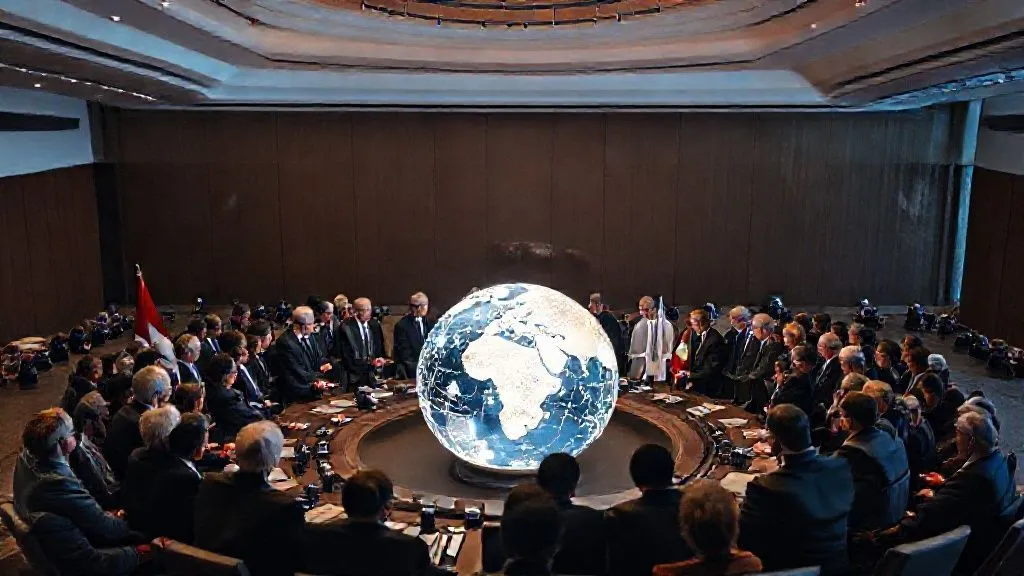
Understanding International Organizations: A Veteran's Perspective
For over 15 years in the field of International Law and diplomacy, I've witnessed firsthand the profound, often understated, impact of international organizations on our world. From shaping global trade to safeguarding human rights, these bodies are not just bureaucratic entities; they are the very sinews of global governance, constantly adapting to an ever-evolving geopolitical landscape. Their influence permeates every facet of international relations, yet their true power and complexities are frequently misunderstood.
Many struggle to grasp the sheer scope and critical importance of these organizations. Is their role diminishing in an era of rising nationalism? Are they truly effective in addressing transnational challenges like climate change, pandemics, or economic crises? These are not trivial questions; they represent a fundamental disconnect in how we perceive and engage with the mechanisms designed to foster global stability and progress. The problem isn't just academic; it affects policy-making, international business, and even our daily lives, often without us realizing it.
In this definitive guide, I will cut through the noise and provide you with an expert-level understanding of international organizations. We'll explore their foundational principles, dissect their critical roles in today's world, and uncover the challenges they face. You'll gain actionable frameworks for analyzing their effectiveness, learn from real-world examples, and receive insights that will empower you to navigate the intricate world of international cooperation with clarity and confidence. This isn't just theory; it's practical knowledge from the trenches of international law.
The Foundational Pillars: Defining International Organizations
Before we delve into their impact, it's crucial to establish what precisely constitutes an international organization. In my experience, a clear definition is often the first casualty in discussions about their role. Simply put, an international organization (IO) is an entity established by a treaty or other instrument governed by international law and possessing its own international legal personality. This means they are distinct from states and can enter into agreements, own property, and sue or be sued.
Key characteristics include:
- Intergovernmental Structure: Primarily composed of states as members, though some also include non-state actors.
- Legal Basis: Created by an international agreement, typically a treaty, which outlines its purposes, structure, and powers.
- Permanent Organs: Possess a secretariat, assembly, or council that operates continuously, distinct from diplomatic conferences.
- International Legal Personality: The capacity to act independently on the international stage, separate from its member states.
These pillars ensure that international organizations are more than just forums for discussion; they are active agents in shaping global norms and policies. Understanding this legal and structural foundation is the first step to appreciating their true power.
Catalysts for Peace and Security: The UN and Beyond
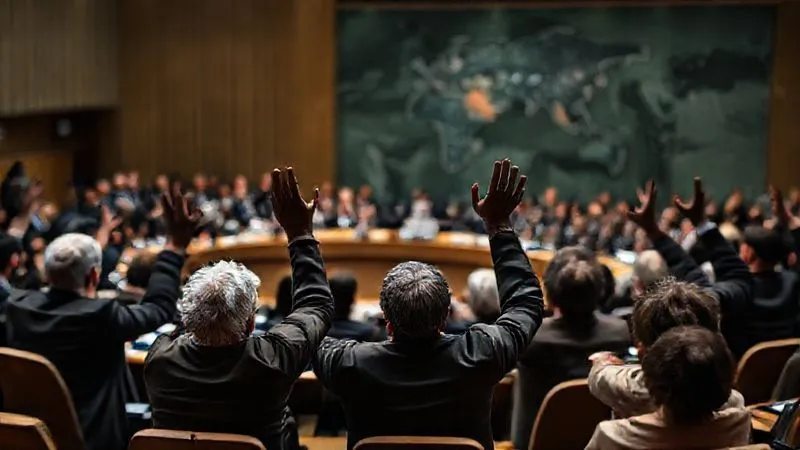
One of the most prominent roles of international organizations is their function as catalysts for peace and security. The United Nations (UN) stands as the quintessential example, born from the ashes of two world wars with the explicit aim of preventing future conflicts. Its Security Council, though often criticized for its veto system, remains the primary global body for maintaining international peace and security.
I've seen countless instances where UN peacekeeping missions have stabilized volatile regions, or where diplomatic interventions facilitated by the Secretary-General have averted wider conflicts. However, it's not just the UN. Regional organizations like the African Union (AU), the Organization of American States (OAS), and the North Atlantic Treaty Organization (NATO) also play vital roles in their respective spheres, often working in concert with or complementing the UN's efforts.
"The true measure of an international organization's success in peace and security is not the absence of conflict, but its capacity to prevent, manage, and resolve disputes through multilateral means, often against immense odds."
These organizations provide platforms for dialogue, mechanisms for dispute resolution, and frameworks for collective security, acting as indispensable buffers against unilateral aggression and instability. Their ongoing relevance in a multipolar world cannot be overstated.
Shaping the Global Economy: Trade, Finance, and Development
Beyond peace, international organizations are instrumental in shaping the global economic landscape. Bodies like the World Trade Organization (WTO), the International Monetary Fund (IMF), and the World Bank Group are the architects and guardians of the international economic order. Their rules, policies, and lending practices directly influence national economies and global markets.
The WTO, for instance, sets the rules for international trade, aiming to ensure predictability and fairness. While it faces significant challenges today, its dispute settlement mechanism has, for decades, provided a crucial forum for resolving trade disagreements between nations. The IMF, on the other hand, acts as a global lender of last resort, providing financial assistance to countries facing balance of payments problems, often with conditions attached to promote economic stability.
Case Study: How Country X Leveraged IMF Support for Stability
Country X, a developing nation heavily reliant on commodity exports, faced a severe economic crisis when global prices plummeted. Their currency was in freefall, and inflation spiraled out of control. By engaging with the IMF, Country X secured a substantial loan package tied to a structural adjustment program that included fiscal reforms, anti-corruption measures, and monetary policy adjustments. While initially painful, the program helped stabilize their economy, restore investor confidence, and eventually paved the way for sustainable growth. This demonstrated the IMF's critical role in preventing broader economic contagion.
The World Bank Group focuses on long-term development, providing financing, policy advice, and technical assistance to developing countries. Their projects span infrastructure, education, health, and environmental protection, directly impacting the lives of billions. According to a World Bank report, their lending and grants amounted to over $67 billion in 2023, underscoring their vast financial leverage and commitment to poverty reduction.
These economic international organizations are not without their critics, particularly regarding issues of sovereignty and conditionality. However, their role in maintaining financial stability, promoting free trade, and fostering development is undeniable and deeply integrated into the fabric of the global economy.
Protecting Human Rights and Promoting Social Progress
The advancement and protection of human rights constitute another cornerstone of international organizations' work. From the Universal Declaration of Human Rights, adopted by the UN General Assembly in 1948, to the various human rights treaties and monitoring bodies, IOs have created a robust (though imperfect) framework for holding states accountable for their treatment of individuals.
Organizations like the UN Human Rights Council, the Office of the High Commissioner for Human Rights (OHCHR), and specialized agencies such as UNICEF and WHO are on the front lines. UNICEF works tirelessly to protect children's rights globally, providing humanitarian and developmental assistance. The World Health Organization (WHO), as we've seen during the COVID-19 pandemic, plays a critical role in coordinating global health responses, setting health standards, and combating infectious diseases.
In my work, I've often advised on the intricacies of international human rights law and observed how the reports and recommendations from these bodies, even when non-binding, exert significant moral and political pressure on states. This collective moral voice, amplified by international organizations, is a powerful force for social progress.
The Environment and Transnational Challenges: A Collective Response
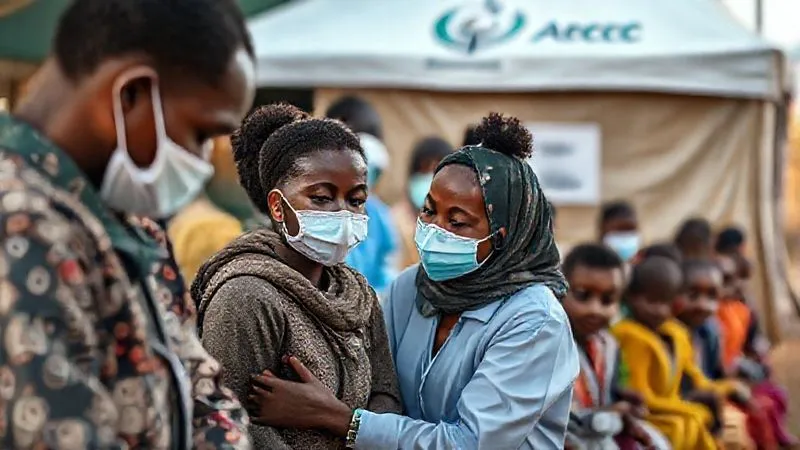
In an increasingly interconnected world, many of the most pressing challenges transcend national borders. Climate change, biodiversity loss, pandemics, and cybercrime demand a collective, coordinated response that individual states often cannot provide alone. This is where international organizations become indispensable.
The United Nations Framework Convention on Climate Change (UNFCCC) and its associated Paris Agreement, for instance, provide the primary international legal framework for addressing climate change. While implementation remains a formidable challenge, these agreements facilitate negotiations, set targets, and foster cooperation among nearly every nation on Earth. Similarly, organizations like the International Maritime Organization (IMO) regulate shipping to prevent marine pollution, and the International Civil Aviation Organization (ICAO) sets standards for global air travel safety and security.
The complexity of these issues necessitates specialized expertise and a platform for states to pool resources and knowledge. As a legal expert, I've observed how the scientific consensus, often facilitated and disseminated by these organizations, forms the bedrock for international policy-making. Without them, our ability to tackle these existential threats would be severely hampered.
Facilitating International Law and Governance
Perhaps the most fundamental, yet least visible, role of international organizations is their function in facilitating and codifying international law and governance. They are not merely enforcers; they are often the creators and custodians of the rules that govern interstate relations.
Consider the International Court of Justice (ICJ), the principal judicial organ of the UN, which settles legal disputes between states. Or the International Criminal Court (ICC), which prosecutes individuals for genocide, war crimes, and crimes against humanity. These courts, themselves international organizations or closely linked to them, embody the principle that even states are subject to a higher legal order.
Moreover, IOs serve as forums where new international treaties are negotiated and adopted. They collect and disseminate data, conduct research, and provide technical assistance, all of which contribute to a more ordered and predictable international system. As legal scholar James Crawford often emphasizes, the very existence of these bodies reinforces the idea of an international community governed by law, not just power.
| Area of Law | Key IOs | Primary Function |
|---|---|---|
| International Trade | WTO, UNCTAD | Set trade rules, promote development-friendly policies |
| Human Rights | UN Human Rights Council, OHCHR | Monitor human rights, investigate violations, provide technical assistance |
| Environmental Protection | UNEP, UNFCCC | Coordinate environmental activities, facilitate climate agreements |
| Peace & Security | UN Security Council, NATO | Maintain international peace, collective defense, peacekeeping |
| Economic Development | World Bank, IMF | Provide development aid, financial stability, poverty reduction |
Challenges and the Future of International Organizations
Despite their indispensable roles, international organizations face a myriad of challenges in the 21st century. These include:
- Sovereignty Concerns: Member states often resist perceived infringements on their national sovereignty, particularly when IO decisions conflict with domestic interests.
- Funding Shortfalls: Many IOs rely on voluntary contributions, making them vulnerable to political whims and financial instability.
- Bureaucracy and Inefficiency: Large, complex organizations can become slow, unresponsive, and prone to bureaucratic inertia.
- Lack of Enforcement Power: Without their own armies or direct taxation powers, IOs often rely on the political will of member states for enforcement, which can be inconsistent.
- Geopolitical Shifts: The rise of new powers and a more multipolar world challenges the traditional structures and power dynamics within many established IOs.
Addressing these challenges requires ongoing reform, greater transparency, and a renewed commitment from member states to multilateralism. The future effectiveness of international organizations hinges on their ability to adapt to these pressures while maintaining their core principles and mandates. The need for robust global cooperation is more critical than ever, and these organizations are our primary tools for achieving it.
Frequently Asked Questions (FAQ)
What is the difference between an NGO and an International Organization? The key difference lies in their legal basis and membership. International Organizations (IOs) are typically created by treaties between states and have international legal personality, with states as their primary members. Non-Governmental Organizations (NGOs), on the other hand, are private, non-profit organizations that are independent of governments and are usually formed under national law, though they often operate internationally and advocate on global issues. NGOs can sometimes be observers or have consultative status with IOs.
Are international organizations losing their relevance in an era of nationalism? While rising nationalism and protectionism certainly pose significant challenges, suggesting IOs are losing relevance is an oversimplification. Transnational issues like climate change, pandemics, and global economic stability inherently require multilateral solutions that no single nation can provide. While their methods and structures may need adaptation, the fundamental need for international organizations as platforms for cooperation, standard-setting, and dispute resolution remains as vital as ever. They provide a framework that prevents a complete retreat into isolationism.
How do international organizations enforce their decisions if they don't have an army? The enforcement mechanisms of international organizations vary widely. For bodies like the UN Security Council, enforcement can involve sanctions, peacekeeping missions (with member state contributions), or even authorization of military force, though this is rare and controversial. For others, like the WTO, enforcement comes through authorized retaliatory trade measures. For human rights bodies, enforcement is often through naming and shaming, moral pressure, and the expectation that states will comply with treaties they've ratified. Ultimately, their power often lies in the legitimacy they command and the collective will of their member states to uphold international law.
What is the role of sovereignty in relation to international organizations? Sovereignty is a central and complex concept. States join international organizations voluntarily, thereby agreeing to abide by their rules and decisions. This is often viewed as a pooling or limited delegation of sovereignty, not its surrender. The tension arises when an IO's decision or mandate conflicts with a state's perceived national interest or domestic policy. Balancing national sovereignty with the need for collective action on global issues is a constant challenge for international organizations and their member states.
How are international organizations funded? Funding mechanisms vary significantly. Many international organizations, especially the UN and its specialized agencies, rely on assessed contributions from member states, which are obligatory and typically based on a country's economic capacity. Others, like many UN programs (e.g., UNICEF, UNHCR), rely heavily on voluntary contributions from governments, private donors, and foundations. Financial institutions like the World Bank and IMF are funded through member subscriptions (quotas) and by borrowing on international capital markets. Funding stability is a perennial challenge for many IOs.
Key Takeaways and Final Thoughts
The landscape of international organizations is complex, dynamic, and absolutely essential for navigating the challenges and opportunities of our interconnected world. From my vantage point in international law, their roles are not diminishing; rather, they are evolving, demanding greater adaptability and strategic engagement from all stakeholders.
- IOs are the backbone of global governance, providing frameworks for peace, security, and economic stability.
- They are crucial for addressing transnational challenges, from climate change to pandemics, requiring collective action.
- International organizations are vital for developing and enforcing international law, promoting human rights and social progress.
- Their effectiveness hinges on the commitment and political will of member states, alongside continuous reform and adaptation.
Understanding these intricate bodies is not just an academic exercise; it's a critical skill for anyone seeking to comprehend or influence global affairs. As we look to the future, the imperative for cooperation, facilitated by robust and effective international organizations, will only intensify. Embrace this complexity, for within it lies the path to a more stable, equitable, and prosperous world. The work is ongoing, and the stakes couldn't be higher.
Recommended Reading
- Motorcyclist At Fault? 7 Proven Tactics to Win Your Case
- Cross-Border Online Scams: How Lawyers Recover Funds (7 Expert Strategies)
- Misapplied FOIA Exemptions? 7 Steps to Challenge Federal Agency Denials
- 7 Steps to Prove Bad Faith Insurance in Personal Injury Claims
- 7 Steps to Stop Creditors Violating Your Automatic Stay After Bankruptcy Filing



Comments
Leave a comment below. Your email will not be published. Required fields marked with *