


Navigating the Path: Steps to Establish a Conservation Easement Legally?
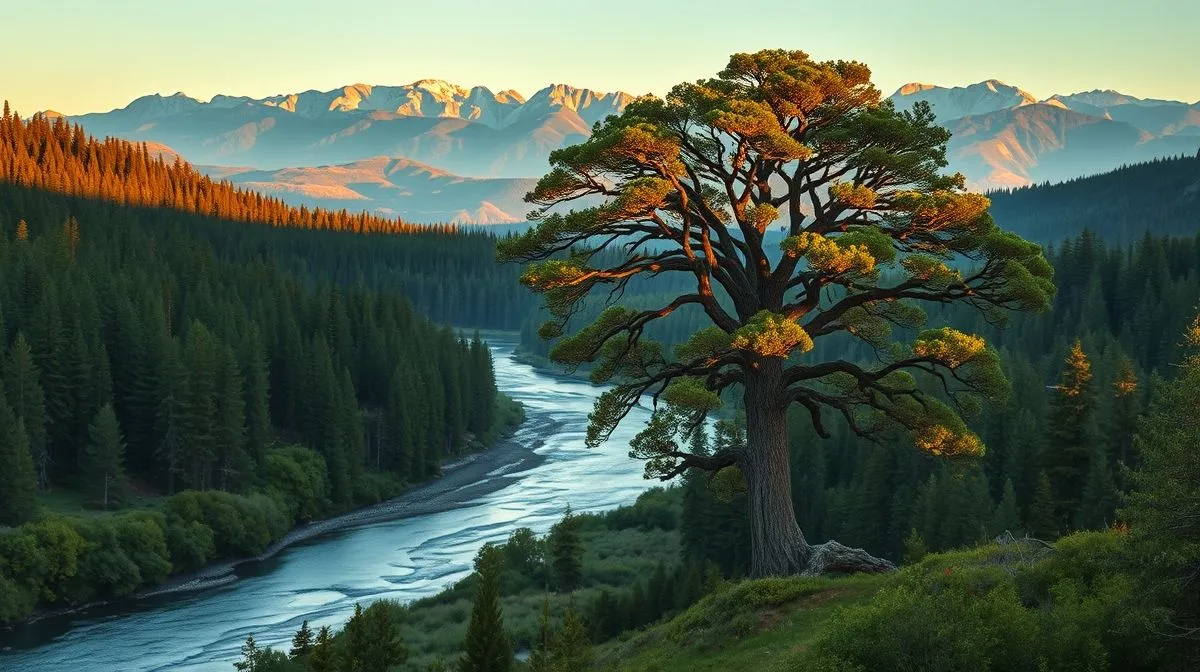
Imagine a pristine landscape, untouched by development, where the whisper of the wind through ancient trees and the ripple of a clear stream remain undisturbed for generations to come. Is this a mere dream, or a tangible reality within your grasp as a landowner? For many, the deep connection to their land transcends simple ownership, evolving into a profound desire to ensure its ecological and scenic integrity endures perpetually.
However, for those passionate stewards, the path to permanent land protection can often appear shrouded in legal complexities and procedural mazes. How does one effectively safeguard a cherished property from the pressures of future development, ensuring that its natural values and open spaces remain intact long after current ownership transitions? The question of how to establish a conservation easement legally often surfaces as a critical, yet potentially daunting, challenge.
This comprehensive guide is designed to demystify this powerful land preservation tool, walking you through the essential steps to establish a conservation easement legally. By the end of this reading, you will possess a clear roadmap, empowering you to make an informed decision and take decisive action toward securing a lasting legacy for your land and the environment.
What Exactly is a Conservation Easement?
Before diving into the intricate steps, it's crucial to grasp the fundamental concept of a conservation easement. At its core, a conservation easement is a voluntary, legally binding agreement that limits certain types of development or uses on a piece of privately owned land to protect its natural, scenic, historical, agricultural, or open-space values.
Defining the Core Concept
Think of land ownership as a bundle of rights – the right to build, to farm, to subdivide, to sell, etc. When a landowner grants a conservation easement, they are essentially donating or selling some of those development rights to a qualified conservation organization or government entity, known as an easement holder. The landowner retains all other rights of ownership, including the right to sell, lease, or pass the land on to heirs, subject to the terms of the easement.
The "Perpetual" Nature
One of the most defining characteristics of a conservation easement is its perpetual nature. Once established, the easement runs with the land, meaning its restrictions apply to all future owners. This permanence is what guarantees the long-term protection of the land's conservation values, making it an incredibly powerful tool for lasting preservation.
Who Holds the Easement?
The entity that holds and enforces the conservation easement is typically a qualified land trust, a non-profit organization dedicated to land conservation, or a government agency. These organizations are responsible for ensuring that the terms of the easement are upheld in perpetuity, often through regular monitoring of the property.
Why Consider a Conservation Easement? The Multifaceted Benefits
The decision to place a conservation easement on your land is a significant one, driven by a blend of environmental passion and practical considerations. Understanding the diverse benefits can help clarify its value.
Environmental Preservation
Foremost among the reasons is the direct environmental impact. Conservation easements protect critical habitats, preserve biodiversity, safeguard water quality, and maintain air quality by preventing destructive development. They are vital in creating corridors for wildlife and sustaining natural ecosystems.
Financial Incentives (Tax Benefits)
For many landowners, the financial incentives can be substantial. Donating a conservation easement can qualify as a charitable contribution for federal income tax purposes, potentially leading to significant deductions. Furthermore, it can reduce estate taxes, which is particularly beneficial for landowners with large estates where land value might otherwise trigger hefty taxes upon inheritance. Some states also offer their own tax credits or deductions for conservation easements.
Maintaining Private Ownership
Unlike selling land outright to a conservation group or government, an easement allows you to retain ownership of your property. You continue to live on it, manage it, and pass it down through your family, all while knowing its conservation values are legally protected forever. This allows for a unique blend of personal connection and public benefit.
Legacy and Stewardship
Ultimately, a conservation easement is an act of profound stewardship. It's a way to leave a lasting legacy, ensuring that the natural beauty, ecological health, and open character of your land will be preserved for future generations to enjoy and benefit from. It's a testament to your commitment to the environment and your community.
The Essential Steps to Establish a Conservation Easement Legally: A Detailed Roadmap
Embarking on the journey to protect your land with a conservation easement requires careful planning and expert guidance. Here are the crucial steps to establish a conservation easement legally, outlining the process from initial inquiry to perpetual protection.
Initial Exploration and Due Diligence
Your first step is to explore the feasibility and find the right partners. This initial phase sets the foundation for the entire process.
Researching Land Trusts
Begin by identifying reputable land trusts operating in your region. Look for organizations with a strong track record, accreditation from the Land Trust Alliance, and experience with properties similar to yours. Their mission should align with your conservation goals.
Preliminary Discussions
Contact potential land trusts to discuss your property and conservation objectives. They will assess if your land has significant conservation values (e.g., habitat, scenic views, agricultural soils) that fit their mission. This is a crucial screening step for both parties.
Assembling Your Professional Team
The legal and financial complexities of a conservation easement necessitate a team of qualified professionals. Do not attempt this process without expert advice.
Legal Counsel
Engage an attorney experienced in real estate law and, ideally, conservation easements. Your attorney will represent your interests, review all legal documents, and ensure the easement deed accurately reflects your intentions and complies with state and federal laws.
Appraisers
If you intend to claim a tax deduction, you'll need a qualified appraiser with experience in valuing conservation easements. The appraisal determines the value of the donated development rights, which is the basis for your charitable deduction. It's critical that this appraisal adheres to IRS regulations.
Land Surveyors
A recent and accurate survey of your property is often required to define the exact boundaries of the easement area. This ensures there are no ambiguities regarding what land is subject to the easement.
Baseline Documentation Report (BDR)
The land trust will typically prepare a Baseline Documentation Report. This comprehensive document details the property's conservation values at the time the easement is granted. It includes maps, photographs, and descriptions of the ecological, scenic, and other features being protected. The BDR serves as a benchmark for future monitoring and enforcement of the easement terms.
Drafting the Easement Deed
This is the central legal document that defines the terms of the conservation easement. It's a highly customized document, negotiated between you and the land trust.
Key Provisions
The deed will specify the exact restrictions on development, subdivision, and resource extraction (e.g., timber harvesting, mining). It will also outline the land trust's rights to monitor the property and enforce the easement terms.
Reserved Rights
Crucially, the deed also lists the rights you, as the landowner, retain. These might include the right to continue farming, build a single-family home, manage timber sustainably, or engage in recreational activities, provided they are consistent with the easement's conservation purposes. Clear articulation of these reserved rights is vital to avoid future misunderstandings.
Valuation and Appraisal
If you are donating the easement, the appraisal process is critical for tax purposes. The value of the easement is generally the difference between the property's fair market value before the easement (with development rights) and its fair market value after the easement (with development rights removed). The IRS has strict guidelines for these appraisals, and non-compliance can lead to disallowance of deductions.
Review and Approval Process
Once the easement deed is drafted, it undergoes thorough review by both your legal counsel and the land trust's legal team. Internal committees or boards of the land trust must also approve the easement. This ensures all legal and organizational requirements are met before finalization.
Recording the Easement
After all parties have agreed to the terms and signed the easement deed, it must be recorded in the local land records office (e.g., county recorder's office). This legal act makes the easement a permanent part of the property's title, binding all future owners. This is the official point at which you successfully complete the steps to establish a conservation easement legally.
Stewardship and Monitoring
The establishment of the easement is not the end of the land trust's involvement. The land trust assumes a perpetual responsibility to monitor the property, typically through annual site visits, to ensure compliance with the easement terms. This ongoing stewardship is a cornerstone of the conservation easement's effectiveness and permanence.
Common Pitfalls and How to Avoid Them
While the benefits are clear, navigating the conservation easement process can present challenges. Being aware of potential pitfalls can help you avoid them.
Choosing the Wrong Land Trust
Not all land trusts are created equal. Some may lack the financial stability or long-term commitment required for perpetual stewardship. Research their accreditation, financial health, and track record. Ensure their mission genuinely aligns with your specific conservation goals for your property.
Insufficient Legal Review
The easement deed is a complex legal document. Relying solely on the land trust's attorney is a mistake, as they represent the land trust's interests. Your own independent legal counsel is essential to protect your rights and ensure the easement accurately reflects your wishes, including clearly defined reserved rights and responsibilities.
Underestimating Costs and Time
Establishing an easement involves various costs, including legal fees, appraisal fees, survey costs, and a potential stewardship contribution to the land trust. The process can also take significant time, often 12-18 months or more, depending on complexity and organizational capacity. Budgeting for both time and finances upfront is crucial to prevent surprises.
Lack of Family Communication
A conservation easement impacts future generations of landowners. It's vital to involve family members in the discussion early on. Ensure they understand the implications, benefits, and restrictions of the easement to foster long-term acceptance and continuity of stewardship.
Real-World Impact: Stories of Protected Landscapes
The power of conservation easements is best illustrated through their tangible impact on landscapes across the globe. These stories highlight how individual landowners, committed to stewardship, have created lasting legacies.
Consider the expansive ranchlands in the American West, where working ranches are being protected from fragmentation by conservation easements. These easements ensure that vast tracts of grasslands remain open for cattle grazing, simultaneously preserving critical wildlife migration corridors and water sources. Landowners continue their agricultural livelihoods while securing the ecological integrity of their properties.
In the Appalachian foothills, family forests that have been harvested sustainably for generations are now protected by easements. These agreements prevent clear-cutting or conversion to development, ensuring the continuation of healthy timber management practices and providing vital habitat for diverse plant and animal species. Such easements demonstrate that economic activity and conservation can coexist harmoniously.
Financial Implications and Tax Considerations
Beyond the environmental benefits, the financial incentives associated with conservation easements are a significant motivator for many landowners. These incentives are primarily tied to federal and, in some cases, state tax laws.
Federal Income Tax Deductions
Donating a conservation easement that meets IRS requirements can qualify as a charitable contribution. Generally, landowners can deduct the value of the donated easement up to 50% of their adjusted gross income (AGI) in any given year. For qualifying farmers and ranchers, this deduction limit can be as high as 100% of their AGI. Any unused portion of the deduction can be carried forward for up to 15 years.
Estate Tax Benefits
Perhaps one of the most compelling financial benefits is the potential reduction in federal estate taxes. By removing the development potential from a property, a conservation easement typically lowers its fair market value, thereby reducing the taxable estate of the landowner upon their death. This can be crucial in enabling heirs to retain family land that might otherwise need to be sold to cover estate tax liabilities. Additionally, Section 2031(c) of the Internal Revenue Code allows for a further exclusion of up to 40% of the value of land under a conservation easement from the taxable estate, up to a maximum exclusion of $500,000.
State Tax Credits
Several states offer their own tax credits or deductions for the donation of conservation easements. These state-level incentives can further enhance the financial attractiveness of land preservation. For example, states like Virginia, Colorado, and Georgia have robust conservation tax credit programs that allow landowners to receive a direct credit against their state income tax liability, or even sell unused credits to others. It is essential to consult with a tax advisor knowledgeable in both federal and state conservation tax laws to fully understand these complex provisions.
Frequently Asked Questions (FAQ)
Can I still sell my land after establishing a conservation easement? Yes, absolutely. You retain all ownership rights not explicitly given up in the easement deed. This includes the right to sell, lease, or mortgage your property. However, the conservation easement will run with the land and bind all future owners, meaning the restrictions will apply to them as well.
What are the typical costs associated with a conservation easement? Costs can vary significantly but generally include legal fees for your attorney, appraisal fees for the valuation, survey costs if a new survey is needed, and often a one-time stewardship contribution to the land trust to help cover their perpetual monitoring responsibilities. These costs can range from a few thousand dollars to tens of thousands, depending on the complexity and value of the property.
How long does the process take? The entire process, from initial contact with a land trust to the recording of the easement deed, typically takes 12 to 24 months. This timeframe allows for due diligence, negotiation of the easement terms, completion of the baseline documentation report, appraisal, and legal reviews. Patience is key.
What if I change my mind later? A conservation easement is a perpetual, legally binding agreement. Once recorded, it is extremely difficult, if not impossible, to reverse or amend. The legal standard for amending or terminating an easement is very high, requiring court approval and proving that the easement's original purpose is no longer achievable. This permanence is its greatest strength in land protection.
Does a conservation easement grant public access to my land? Not necessarily. Unless specifically stated in the easement deed, a conservation easement does not grant public access to your property. You maintain control over who can access your land, just as you did before the easement. Some easements might include specific public access provisions, but this is always a negotiated term and not a default requirement.
Recommended Reading
- Defective Product Injury? How to Sue the Manufacturer and Win
- Unlock the Power: How Constitutional Amendments Shape Our Democracy Forever
- EIA Process: What Happens After Public Comment? The Ultimate Guide
- DWI First Offense Expungement Eligibility: Your Complete Guide
- Ultimate Guide: Athlete Agent Contract Negotiation Tips
Conclusion
The journey to establish a conservation easement legally is a testament to a landowner's vision and commitment to the future. It is a powerful, voluntary tool that allows you to protect the intrinsic values of your land—be it its ecological significance, scenic beauty, or agricultural productivity—in perpetuity, while often providing significant financial benefits. By carefully following the outlined steps, engaging a qualified professional team, and partnering with a reputable land trust, you can navigate this process with confidence. Ultimately, establishing a conservation easement is more than a legal transaction; it is an enduring act of stewardship, ensuring that the legacy of your cherished property, and the natural world it supports, will thrive for generations to come. Embrace this opportunity to make a lasting difference.



Comments
Leave a comment below. Your email will not be published. Required fields marked with *