



Overturning Unfair Regulatory Body License Revocation: Your Expert Guide
For over two decades in administrative law, I've witnessed firsthand the devastating impact an unfair license revocation by a regulatory body can have on an individual's career and livelihood. It’s not merely a bureaucratic hiccup; it’s often a professional death sentence, delivered with cold formality and leaving professionals feeling utterly exposed. I’ve seen countless dedicated individuals, whose entire lives were built around their profession, brought to their knees by what they perceived as an unjust decision.
The problem is profound: regulatory bodies, while essential for public protection, are not infallible. They can make errors, misinterpret facts, or be swayed by incomplete information, leading to decisions that feel arbitrary and unjust to the licensee. This can leave professionals feeling powerless, confused, and overwhelmed by the daunting legal landscape, unsure where to even begin challenging such a formidable authority.
That's precisely why I've distilled my years of experience into this comprehensive guide. Here, I'll walk you through the essential steps to overturn an unfair regulatory body's license revocation. You'll gain actionable strategies, understand the critical legal pathways, and learn how to build a compelling case to reclaim your professional standing, turning what feels like an insurmountable challenge into a structured, winnable battle. My aim is to empower you with the knowledge and confidence to fight for your professional future.
Understanding the Regulatory Landscape and Your Rights
What is a Regulatory Body?
Before we dive into the specifics of appeal, it's crucial to understand what a regulatory body is and its function. These are governmental or quasi-governmental agencies established to oversee specific industries, professions, or activities to protect the public interest. Think of state medical boards, bar associations, financial regulatory authorities, or environmental protection agencies. Their powers are broad, encompassing everything from setting standards and issuing licenses to investigating complaints and imposing sanctions, including the ultimate penalty: license revocation.
The Power to Revoke: A Serious Matter
The power to revoke a professional license is arguably the most severe action a regulatory body can take. It effectively bars an individual from practicing their chosen profession, with profound financial, reputational, and personal consequences. This power is not granted lightly; it's typically reserved for serious infractions like gross negligence, ethical violations, fraud, or repeated non-compliance with established regulations. However, the interpretation and application of these rules can sometimes lead to decisions that appear disproportionate or based on insufficient evidence.
Key Insight: Your fundamental right to due process, enshrined in administrative law, means that even powerful regulatory bodies must follow established procedures, provide notice, and offer an opportunity to be heard before taking adverse action against your license. This is the cornerstone of any successful appeal.
Understanding the specific statutes and regulations governing your particular licensing body is the first step in identifying potential procedural errors or substantive weaknesses in their case against you. This initial research is foundational to all subsequent steps to overturn an unfair regulatory body's license revocation.
Step 1: Immediate Action – Reviewing the Revocation Notice
The moment you receive a notice of license revocation, time becomes your most critical asset. Do not panic; act strategically. My first piece of advice is always to read the revocation notice meticulously, not once, but several times. It's an official document, often laden with legal jargon, but it contains vital information about the alleged violations, the specific regulations cited, and, most importantly, the deadlines for appeal.
- Identify the Grounds: What specific acts or omissions are they alleging? Are these allegations factual, or do they seem based on misinterpretations or assumptions?
- Note the Deadlines: Almost every revocation notice will include a strict timeframe within which you must file an appeal or request a hearing. Missing this deadline is often fatal to your case, regardless of its merits. Mark it clearly on your calendar and set multiple reminders.
- Understand the Process: Does the notice outline the initial steps for appeal, such as requesting an informal conference or a formal administrative hearing? Familiarize yourself with these initial procedural avenues.
- Preserve All Documents: Keep the original notice and make multiple copies. Start a dedicated file for all correspondence, evidence, and notes related to your case. This meticulous record-keeping will be invaluable.
I've seen too many professionals make the mistake of assuming the notice is final or that they can address it later. Procrastination in this critical phase can eliminate your chances of success. Your immediate response should be to gather all relevant documents and understand the precise nature of the charges against you.

Step 2: Gathering Your Evidence and Building Your Case
Once you understand the allegations, the next crucial phase involves systematically gathering evidence to refute them or mitigate their impact. This is where the real investigative work begins, and it often feels like piecing together a complex puzzle under immense pressure. In my experience, a well-documented defense is an impenetrable one.
Documenting Everything
Every claim made by the regulatory body must be scrutinized and, if possible, countered with concrete evidence. This includes:
- Records: Financial records, client files, appointment logs, communication logs (emails, texts, call records), internal policies and procedures, training certificates, and any documentation that demonstrates your compliance or refutes the allegations.
- Correspondence: Any prior communications with the regulatory body, complainants, or relevant third parties that shed light on the situation.
- Expert Reports: If the revocation involves technical or specialized matters, obtaining an independent expert opinion can be pivotal. For example, if you're a doctor accused of malpractice, a report from another respected physician could be crucial.
- Character References: While not directly refuting facts, testimonials from colleagues, clients, or community members attesting to your professional conduct and ethical character can provide valuable context and goodwill.
Witness Statements and Expert Opinions
Beyond documents, human testimony can be incredibly powerful. Identify potential witnesses who can corroborate your version of events, attest to your good character, or provide expert analysis. Secure written statements from them, ideally notarized, detailing their observations and knowledge. If necessary, prepare them for potential testimony at an administrative hearing.
It's not enough to simply have the evidence; you must organize it logically and present it compellingly. Think of yourself as building a narrative that systematically dismantles the regulatory body's claims. This meticulous approach is one of the most effective steps to overturn an unfair regulatory body's license revocation.
| Evidence Category | Description | Examples |
|---|---|---|
| Direct Rebuttal Evidence | Documents or testimonies that directly contradict the regulatory body's specific allegations. | Service logs, client testimonials, emails, time-stamped records. |
| Mitigating Circumstances | Information that explains why an alleged action occurred, reducing culpability. | Health records, personal hardship documentation, evidence of systemic issues beyond control. |
| Character & Professional Standing | Evidence demonstrating a history of good conduct and professional integrity. | Peer reviews, client satisfaction surveys, community service records, awards. |
| Procedural Irregularities | Evidence that the regulatory body failed to follow its own rules or due process. | Lack of proper notice, denial of opportunity to respond, biased investigator reports. |
Step 3: Navigating the Administrative Appeal Process
The administrative appeal is typically your first and most direct avenue for challenging a revocation. This process is governed by the specific rules of the regulatory body and often by a broader Administrative Procedure Act (e.g., in the United States, the federal APA or similar state statutes). It's designed to be less formal than court proceedings but still requires a robust legal strategy.
Internal Appeals and Informal Resolutions
Some bodies offer an initial, less formal review or an opportunity for an informal conference. This can be a valuable chance to present your side, clarify misunderstandings, and potentially negotiate a less severe sanction, such as a suspension or probation, instead of full revocation. Always approach these with a clear strategy and a willingness to listen, but never admit guilt if you believe you are innocent.
The Formal Hearing: What to Expect
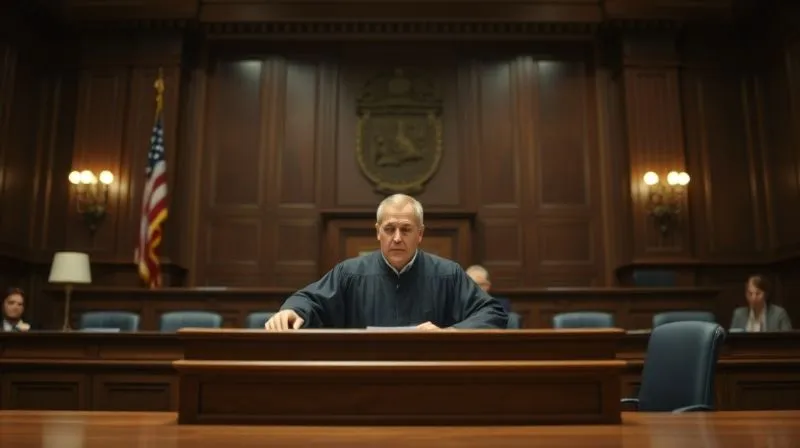
If informal resolution isn't possible or successful, you will likely proceed to a formal administrative hearing. This is akin to a mini-trial, typically presided over by an administrative law judge (ALJ) or a hearing officer. Both sides present evidence, call witnesses, and cross-examine. The ALJ then issues a recommendation or decision. This phase is highly procedural, and having experienced counsel is almost non-negotiable.
Key Insight: Preparation is paramount for the administrative hearing. You must know your case inside and out, anticipate the regulatory body's arguments, and be ready to present your evidence clearly and concisely. This isn't just about facts; it's about crafting a persuasive narrative that demonstrates your innocence or the unfairness of the revocation.
Case Study: How Dr. Elena Rodriguez Successfully Appealed Her License Suspension
Dr. Elena Rodriguez, a respected pediatrician, faced a six-month license suspension after a complaint alleged she failed to report a specific communicable disease. The regulatory body cited a new, complex reporting protocol that had been poorly communicated. Dr. Rodriguez, with her attorney, meticulously gathered evidence: her hospital's internal memos showing delayed protocol dissemination, testimonials from colleagues confirming the confusion, and her own comprehensive patient records demonstrating appropriate treatment, despite the reporting oversight.
During the administrative hearing, her attorney highlighted the systemic communication failure rather than individual negligence. They argued that while an oversight occurred, it was a direct result of the regulatory body's own inadequate dissemination of new rules, not a lapse in patient care or professional duty. The administrative law judge, reviewing the evidence, found that while a minor violation had technically occurred, the severity of the proposed sanction was disproportionate given the mitigating circumstances and Dr. Rodriguez's otherwise impeccable record. Her suspension was reduced to a formal reprimand, and she was required to complete an updated training module. This demonstrates the power of a well-articulated defense focused on nuance and context.
The success of these steps to overturn an unfair regulatory body's license revocation hinges on your ability to present a cohesive and compelling case within the administrative framework.
Step 4: Seeking Judicial Review – When Administrative Appeals Fail
What happens if your administrative appeal is unsuccessful? This is where the courts may become involved. If you've exhausted all administrative remedies and still believe the decision was unjust, you can typically seek judicial review in a state or federal court, depending on the nature of the regulatory body and the law involved.
Understanding Judicial Review
It's crucial to understand that judicial review is not a re-trial of your case. Courts generally do not re-weigh the evidence or substitute their judgment for that of the administrative body on factual matters. Instead, their role is typically limited to determining whether the administrative agency:
- Exceeded its statutory authority.
- Acted arbitrarily or capriciously (i.e., made a decision without a rational basis).
- Failed to follow proper legal procedures (violated due process).
- Based its decision on substantial evidence (or lack thereof) in the administrative record.
The focus shifts from the facts of your case to the legality and procedural fairness of the agency's decision-making process. This legal nuance is why specialized counsel is so vital at this stage.
The Role of the Courts
The court will review the administrative record – all documents, transcripts, and evidence presented during the administrative hearing. Your attorney will argue that the agency's decision was legally flawed based on one of the grounds listed above. If the court agrees, it might:
- Reverse the agency's decision.
- Remand the case back to the agency for further proceedings consistent with the court's findings.
- Modify the agency's decision.
This is a complex and often lengthy process, but it represents a critical safeguard against arbitrary government action. Pursuing judicial review is one of the ultimate steps to overturn an unfair regulatory body's license revocation when all other avenues have been exhausted.
Step 5: The Critical Role of Legal Counsel
Throughout this entire ordeal, from the moment you receive the revocation notice to potential judicial review, the guidance of an experienced administrative law attorney is not just beneficial—it's often indispensable. I've seen too many individuals attempt to navigate these waters alone, only to be overwhelmed by the complexity and formality of the process.
Why You Need an Administrative Law Attorney
An attorney specializing in administrative law brings several critical advantages:
- Expertise in Procedure: They understand the intricate rules and deadlines of administrative agencies, which differ significantly from civil court procedures.
- Strategic Case Building: They know what evidence is relevant, how to present it effectively, and how to anticipate the regulatory body's arguments.
- Negotiation Skills: They can effectively negotiate with the agency for settlement, often resulting in a lesser sanction or alternative resolution.
- Representation at Hearings: They will represent you during formal hearings, cross-examine witnesses, and make compelling legal arguments.
- Appellate Advocacy: If necessary, they are skilled in drafting briefs and arguing cases for judicial review, focusing on the legal errors of the agency.
As Law.com often highlights, the legal landscape is ever-evolving, and specialized knowledge is key. An attorney acts as your advocate, protecting your rights and ensuring due process is followed.
Finding the Right Expert
Not just any attorney will do. Look for someone with a proven track record in administrative law and, ideally, experience with your specific regulatory body or profession. Ask about their success rates in similar cases, their fee structure, and their approach to client communication. Your choice of legal counsel is one of the most impactful steps to overturn an unfair regulatory body's license revocation.
Step 6: Reinstatement and Future Compliance
Even after a successful appeal, or if a lesser sanction like suspension was imposed, the journey isn't over. The focus shifts to license reinstatement and ensuring future compliance to prevent any recurrence. This phase is about rebuilding trust and demonstrating a renewed commitment to professional standards.
Conditions for Reinstatement
If your license was suspended or revoked and then overturned or modified, there might be specific conditions for reinstatement. These could include:
- Completing additional continuing education courses.
- Undergoing professional supervision for a period.
- Paying fines or restitution.
- Demonstrating rehabilitation or addressing underlying issues that led to the complaint.
It is absolutely critical to meticulously fulfill all conditions. Any failure to comply can lead to further disciplinary action or make future reinstatement incredibly difficult.
Proactive Compliance Measures
Beyond meeting conditions, I always advise my clients to implement proactive measures to prevent future issues. This demonstrates a genuine commitment to compliance and learning from the experience. This might involve:
- Regular audits of your practices or records.
- Updated training for staff on regulatory requirements.
- Establishing clear internal policies and procedures.
- Seeking regular legal counsel on compliance matters.
As the American Bar Association's Section of Administrative Law and Regulatory Practice frequently emphasizes, proactive engagement with regulatory requirements is the best defense. This forward-looking approach is vital for long-term professional stability.
| Compliance Area | Key Action | Frequency |
|---|---|---|
| Documentation Practices | Implement robust, standardized record-keeping protocols for all interactions and decisions. | Daily/Ongoing |
| Regulatory Updates | Subscribe to official regulatory body newsletters and legal alerts; conduct quarterly reviews of new rules. | Quarterly |
| Staff Training | Mandatory annual training for all relevant staff on current regulations and ethical guidelines. | Annually |
| Internal Audits | Conduct regular self-audits of compliance with key regulations and internal policies. | Bi-annually |
| Legal Counsel Review | Schedule periodic consultations with an administrative law attorney to review practices. | Annually/As needed |
Step 7: Learning from the Experience and Preventing Recurrence
A license revocation challenge, even when successful, is an incredibly stressful and costly experience. The final, and perhaps most important, step is to internalize the lessons learned and implement changes that make you more resilient and compliant in the future. This isn't about dwelling on the past, but strategically planning for a stronger future.
Analyzing the Root Cause
Once the legal battle subsides, take time to objectively analyze what led to the revocation notice in the first place. Was it a misunderstanding of a regulation? A lapse in internal controls? An overreliance on a particular process? Or was it truly an arbitrary action by the agency? Identifying the root cause is crucial for effective prevention.
Implementing Robust Internal Controls
Based on your root cause analysis, revise your professional practices, policies, and procedures. This might involve:
- Developing clearer communication channels within your organization regarding regulatory changes.
- Investing in better compliance software or systems.
- Enhancing staff training and supervision.
- Establishing a formal process for responding to complaints or inquiries from regulatory bodies.
Ultimately, successfully navigating the steps to overturn an unfair regulatory body's license revocation is not just about winning a legal battle; it's about emerging stronger, wiser, and more committed to ethical and compliant practice. It's about protecting your professional legacy for the long term.

Frequently Asked Questions (FAQ)
Q: How long does the entire appeal process typically take? The timeline for overturning a license revocation can vary wildly, from a few months for straightforward administrative appeals to several years if judicial review is required. Factors like the complexity of the case, the specific regulatory body's procedures, and court backlogs all play a role. Patience and persistence are key.
Q: Can I continue to practice while my license revocation is under appeal? Generally, no. A license revocation usually takes effect immediately or shortly after the notice is issued, even if you appeal. In some rare cases, you might be able to obtain a stay of the revocation pending appeal, but this is difficult to achieve and requires a strong showing that you will suffer irreparable harm and have a likelihood of success on the merits. Discuss this immediately with your attorney.
Q: What if I can't afford an attorney? Are there alternatives? Navigating administrative law without an attorney is extremely challenging. However, some professional associations offer legal aid or referral services, and some jurisdictions have pro bono programs. You might also explore limited scope representation, where an attorney advises you on specific parts of the process. It's crucial to at least consult with an attorney to understand your options, as the cost of losing your license often far outweighs legal fees.
Q: What are the common grounds on which regulatory bodies' decisions are overturned by courts? Courts most commonly overturn regulatory decisions on grounds of procedural error (e.g., denial of due process, lack of proper notice, biased hearing officer), arbitrary and capricious decision-making (lack of rational basis for the decision), or if the decision is not supported by substantial evidence in the administrative record. They less frequently overturn factual findings unless there's a clear lack of evidence.
Q: Is it possible to settle with the regulatory body? Yes, settlement is often a possibility, even after an appeal has been initiated. Regulatory bodies, like any legal entity, may prefer to resolve disputes without lengthy and costly litigation. A settlement might involve a lesser sanction (e.g., probation, fine, suspension instead of revocation), an agreement to complete additional training, or other corrective actions. An experienced administrative law attorney is crucial for effective settlement negotiations.
Key Takeaways and Final Thoughts
Facing an unfair license revocation is a daunting challenge, but it is not insurmountable. With the right strategy, meticulous preparation, and expert legal guidance, you absolutely can fight back and reclaim your professional standing. Remember these critical steps:
- Act Immediately: Understand your revocation notice and critical deadlines.
- Gather Robust Evidence: Build an airtight case with documentation and witness testimony.
- Master the Administrative Appeal: Navigate hearings with precision and a clear strategy.
- Consider Judicial Review: Understand when and how to escalate your case to the courts.
- Secure Expert Legal Counsel: An administrative law attorney is your most valuable asset.
- Plan for Reinstatement & Compliance: Fulfill conditions and implement proactive measures.
- Learn and Evolve: Use the experience to strengthen your professional practices.
I've seen professionals from all walks of life successfully navigate these challenging waters. While the path to overturn an unfair regulatory body's license revocation is arduous, it is entirely navigable with determination and a well-informed approach. Your professional future is worth fighting for. Do not despair; instead, empower yourself with knowledge and take decisive action. Your livelihood, reputation, and peace of mind depend on it.
Recommended Reading
- The Vital Role of NGOs in Shaping International Organizations
- 6 Essential Legal Steps: What to Do When Player Agent Misconduct Occurs
- Cross-Border Divorce & Business Assets: 7 Critical Protection Steps
- Mastering Complex Consumer Disputes: 7 Steps for Multi-Party Resolution
- Unveiling the Shield: What Legal Frameworks Protect Critical Ecological Habitats?



Comments
Leave a comment below. Your email will not be published. Required fields marked with *