


Uncovering Undisclosed Environmental Liabilities in Property Deals
For over two decades in real estate law, I've witnessed firsthand how even the most promising property acquisitions can turn into financial nightmares. It's not the obvious structural defects or zoning issues that often derail a deal; it’s the silent, insidious threat lurking beneath the surface: undisclosed environmental liabilities. I've seen companies face bankruptcy, individuals lose their life savings, and developments grind to a halt because a hidden contamination issue was overlooked.
The problem is profound. In the rush to close a deal, or due to a lack of specialized knowledge, buyers often neglect the comprehensive environmental due diligence that is absolutely critical. They assume a property is 'clean' based on its current appearance or a seller's assurances, only to discover years later that they've inherited a multi-million-dollar cleanup obligation or a legacy of litigation. This isn't just about financial loss; it’s about reputational damage, regulatory fines, and the immense stress of navigating complex environmental regulations.
In this definitive guide, I will share my accumulated wisdom and a robust framework for effectively
Why Environmental Due Diligence Isn't Optional Anymore
The days of 'buyer beware' without stringent environmental scrutiny are long gone. The legal and financial landscape surrounding property transactions has evolved dramatically, placing significant responsibility on buyers. Ignoring environmental due diligence is akin to buying a house without inspecting the foundation – a recipe for disaster.
The Evolving Legal Landscape: CERCLA and State Laws
Federal statutes like the Comprehensive Environmental Response, Compensation, and Liability Act (CERCLA), often referred to as Superfund, impose strict, joint, and several liability on a wide range of parties, including current and past owners and operators of contaminated sites. This means you could be held responsible for cleanup costs, even if you didn't cause the contamination and had no knowledge of it at the time of purchase. Many states also have their own mini-Superfund laws, often even more stringent than federal regulations.
For example, New Jersey's Industrial Site Recovery Act (ISRA) has specific requirements for environmental investigations and cleanups when certain industrial properties are sold or transferred. Understanding these layers of regulation is paramount. As an expert, I always advise clients to consider not just federal but also relevant state and local environmental laws, which can significantly impact liability and compliance costs. You can find comprehensive information on federal environmental statutes on the Environmental Protection Agency's website.
Financial Catastrophe: Cleanup Costs and Litigation
The financial implications of inheriting environmental contamination are staggering. Cleanup costs can range from tens of thousands for minor issues to hundreds of millions for severely contaminated sites. These costs often far exceed the purchase price of the property itself. Beyond direct cleanup, you face legal fees, penalties for non-compliance, potential damages from third-party lawsuits (e.g., neighbors affected by contamination), and the devaluation of your asset.
I've seen situations where a developer's entire project was jeopardized by unexpected asbestos abatement or a previously unknown underground storage tank leak. These unforeseen expenses can quickly deplete project budgets and destroy profitability. The legal battles that ensue can drag on for years, consuming valuable resources and management attention.
Expert Insight: "The cost of ignorance far outweighs the cost of discovery. Proactive environmental due diligence is an investment in your financial security, not an avoidable expense."
The Cornerstone: Mastering the Phase I Environmental Site Assessment (ESA)
The Phase I Environmental Site Assessment (ESA) is the critical first step in
What a Phase I ESA Entails: Historical Review, Site Reconnaissance, Interviews
A thorough Phase I ESA follows the ASTM E1527 standard and typically involves several key components. First, an exhaustive historical review of the property and surrounding area is conducted, using historical aerial photographs, Sanborn fire insurance maps, city directories, and chain-of-title records to identify past uses that could have led to contamination. Second, a detailed site reconnaissance visually inspects the property for signs of environmental concerns, such as stained soil, stressed vegetation, or potential asbestos-containing materials.
Third, interviews with current and past owners, operators, and occupants, as well as local government officials (fire, health, planning departments), provide invaluable insights into the property's history and potential issues. Finally, a review of environmental databases (e.g., EPA's Superfund, RCRA, UST lists) checks for known contaminated sites or regulated facilities nearby. All this information is compiled into a comprehensive report.
Choosing the Right Consultant: Experience, Certifications, Indemnification
The quality of your Phase I ESA hinges entirely on the consultant you choose. Do not simply opt for the cheapest bid. Look for firms with a proven track record in real estate environmental due diligence, specifically in your property's geographical area and industry type. Ensure their personnel are qualified environmental professionals (QEPs) with relevant certifications and experience.
Crucially, review their professional liability insurance and discuss indemnification clauses. A reputable consultant will stand behind their work. I always advise clients to check references and ask about previous projects involving similar property types or known environmental challenges. The right consultant acts as your eyes and ears on the ground, and their expertise is invaluable in interpreting complex findings.
- Key Components of a Robust Phase I:
- Comprehensive historical research (minimum 50-year look-back).
- Detailed site visit by an experienced environmental professional.
- Thorough review of government environmental databases.
- Interviews with knowledgeable parties.
- Clear identification and discussion of Recognized Environmental Conditions (RECs).
- Recommendations for further investigation (e.g., Phase II) if RECs are found.

Beyond Phase I: When to Dig Deeper with a Phase II ESA
A Phase I ESA is excellent for identifying potential risks, but it doesn't quantify them. If your Phase I identifies RECs, the next logical step in
Triggers for a Phase II: Recognized Environmental Conditions (RECs), Specific Concerns
The primary trigger for a Phase II ESA is the identification of RECs in the Phase I report. Examples include evidence of past industrial activity with known hazardous material use, suspected underground storage tanks (USTs), stained soil, or proximity to known contaminated sites. Specific concerns from interviews, such as reports of chemical spills or improper waste disposal, also warrant further investigation.
Sometimes, even without a clear REC, a buyer might opt for a targeted Phase II if the property's history is particularly opaque or if the intended future use is highly sensitive (e.g., residential development on former industrial land). The key is to address uncertainties proactively rather than ignoring them.
Investigative Techniques: Soil Boring, Groundwater Sampling, Geophysical Surveys
A Phase II ESA employs various invasive techniques. Soil boring involves drilling into the ground to collect soil samples at different depths, which are then sent to an accredited laboratory for analysis of specific contaminants (e.g., heavy metals, volatile organic compounds, petroleum hydrocarbons). Groundwater sampling uses monitoring wells installed on site to collect water samples, crucial for assessing potential groundwater contamination, which is often the most expensive to remediate.
Geophysical surveys use techniques like ground-penetrating radar (GPR) or magnetometers to detect buried objects like USTs or drums without disturbing the ground. The specific techniques chosen depend on the RECs identified and the suspected contaminants. All procedures must adhere to strict regulatory guidelines and industry standards, such as those published by ASTM International for Phase II ESAs.
- Steps in Initiating a Phase II ESA:
- Review Phase I findings and identify specific RECs requiring investigation.
- Define the scope of work for the Phase II with your environmental consultant, specifying target contaminants and sampling locations.
- Obtain necessary permits for intrusive investigations (e.g., drilling permits).
- Oversee fieldwork, ensuring proper sampling protocols and chain-of-custody for samples.
- Review laboratory analytical reports and the final Phase II report, which interprets findings and recommends next steps (e.g., remediation, risk assessment).
Navigating Specific Contaminant Risks: From Asbestos to PFAS
While general contamination is a broad concern, certain specific contaminants pose distinct challenges and require specialized attention when
Asbestos and Lead-Based Paint: Older Buildings, Renovation Risks
In older buildings, especially those constructed before the late 1970s, asbestos-containing materials (ACMs) and lead-based paint (LBP) are common. While generally stable if undisturbed, renovation or demolition activities can release hazardous fibers or dust, leading to severe health risks and expensive abatement. Regulations like the Asbestos National Emission Standards for Hazardous Air Pollutants (NESHAP) and Lead Renovation, Repair, and Painting (RRP) Rule dictate strict protocols for handling these materials.
A pre-demolition or renovation survey is often required to identify and quantify these materials. The costs associated with proper abatement can be substantial and must be factored into the acquisition budget, especially if significant redevelopment is planned. I've seen projects delayed for months and budgets blown by unexpected asbestos discoveries.
Underground Storage Tanks (USTs): Leaks, Groundwater Contamination
USTs, commonly found at former gas stations, auto repair shops, or industrial facilities, are notorious sources of contamination. Over time, tanks can corrode and leak petroleum products or hazardous chemicals into the surrounding soil and groundwater. The cleanup of UST leaks can be incredibly complex and costly, often involving soil excavation, groundwater remediation systems, and extensive monitoring.
The presence of a UST, even if reportedly 'closed' or 'removed,' warrants extreme caution. Verification of proper closure (e.g., no closure report, or a report indicating residual contamination) is essential. Geophysical surveys during a Phase II ESA are excellent tools for detecting unrecorded USTs.
Emerging Contaminants (PFAS, Microplastics): The New Frontier of Liability
The environmental landscape is constantly evolving, with new contaminants gaining regulatory attention. Per- and polyfluoroalkyl substances (PFAS), often called 'forever chemicals,' are a prime example. Found in firefighting foams, industrial processes, and consumer products, PFAS are persistent, bioaccumulative, and increasingly regulated. Many states and the EPA are developing stricter guidelines and cleanup standards for PFAS, creating a new wave of potential liabilities for property owners.
Similarly, microplastics, though less understood in terms of property liability, are an emerging concern. Staying current with evolving contaminant regulations is crucial. Your environmental consultant must be aware of these emerging issues and tailor investigations accordingly, especially for properties with a history that suggests their presence (e.g., former industrial sites, landfills, airports).
| Contaminant | Common Source | Primary Risk | Key Due Diligence Step |
|---|---|---|---|
| Asbestos | Older building materials (insulation, tiles) | Respiratory disease, abatement costs | Asbestos survey before renovation/demolition |
| Lead-Based Paint | Paint in pre-1978 buildings | Neurological damage, abatement costs | LBP inspection/risk assessment |
| Petroleum Hydrocarbons | Underground Storage Tanks (USTs), spills | Soil/groundwater contamination, explosion risk | UST search, soil/groundwater sampling (Phase II) |
| PCBs (Polychlorinated Biphenyls) | Old electrical equipment (transformers), building materials | Carcinogenic, persistent environmental pollutant | Equipment inventory, building material testing |
| PFAS (Per- and Polyfluoroalkyl Substances) | Firefighting foam, industrial waste, landfills | Health effects, widespread environmental contamination | Targeted sampling, historical use review for high-risk sites |
The Legal Shield: Contractual Protections and Indemnities
Even with the most rigorous due diligence, some risks might remain. This is where legal protections become your last line of defense in
Representations and Warranties: Seller's Assurances
In the purchase agreement, specific representations and warranties from the seller regarding the environmental condition of the property are paramount. These clauses are the seller's legally binding statements about what they know (or don't know) regarding contamination, past releases, regulatory compliance, and the existence of any environmental liens or litigation. For instance, a seller might warrant that 'to the best of their knowledge, there are no underground storage tanks on the property' or 'the property is in compliance with all environmental laws.'
It's crucial that these representations survive the closing for a reasonable period (e.g., 1-3 years), allowing you time to discover issues post-acquisition. The specificity and scope of these clauses should be heavily negotiated by your legal counsel to provide maximum protection.
Indemnification Clauses: Shifting Risk
An indemnification clause is a contractual provision where one party (the indemnitor, usually the seller) agrees to compensate the other party (the indemnitee, the buyer) for any losses or damages arising from specific events, such as environmental liabilities that existed prior to closing. A well-drafted environmental indemnity should cover not only cleanup costs but also legal fees, fines, and third-party claims.
Negotiating the scope, duration, and financial caps (if any) of an indemnity is critical. Will it cover unknown pre-existing conditions? For how long? Is there a basket or deductible? Will the seller need to place funds in escrow to back the indemnity? These details can make all the difference if a problem arises. For insights into drafting effective indemnification clauses, legal resource sites like LexisNexis offer valuable guidance.
Environmental Insurance: A Growing Necessity
As environmental risks become more complex and potential liabilities expand, environmental insurance has emerged as a vital tool. Policies like Pollution Legal Liability (PLL) insurance can cover cleanup costs, third-party bodily injury and property damage claims, and legal defense expenses arising from both known and unknown pre-existing environmental conditions, as well as new conditions that occur after closing.
This type of insurance can provide a crucial safety net, especially for high-risk properties or when a seller's financial backing for an indemnity is questionable. There are various types of environmental insurance products, and selecting the right one requires careful consideration of the property's specific risks and the buyer's tolerance for residual liability. I often recommend exploring this option, particularly for brownfield sites or properties with a complex industrial history.
Expert Insight: "Never rely solely on a seller's word; always back it with contractual teeth. Strong representations, warranties, and indemnities are your best legal insurance policy against hidden environmental liabilities."
Case Study: The Hidden Landfill That Almost Sank a Deal
How a Diligent Buyer Avoided a $5M Catastrophe
I recall a complex acquisition my client, 'Greenfield Developments,' was pursuing – a large, seemingly pristine parcel intended for a mixed-use residential and commercial project. The property had a long history as agricultural land, and the initial Phase I ESA came back remarkably clean, noting only minor RECs related to an old barn. The seller was eager to close, and Greenfield was excited about the site's potential.
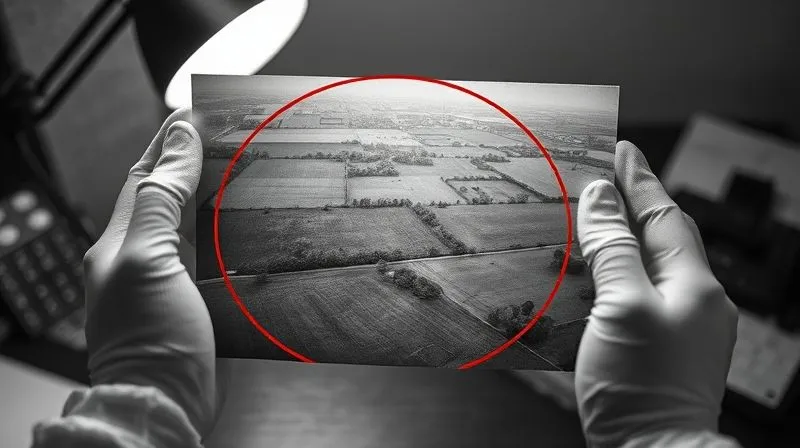
However, something felt off. During my review of the Phase I report, I noted a fleeting mention of a historical aerial photograph from the 1950s that showed a 'disturbed area' in one corner, which the consultant had dismissed as an old farm dump. My experience told me this warranted a deeper look. I advised Greenfield to push for a more detailed historical investigation, specifically focusing on that 'disturbed area' and researching local county records for any unrecorded land uses.
What we uncovered was shocking. A deeper dive into obscure county landfill records and interviews with long-time local residents revealed that a small, unauthorized municipal landfill had operated on a portion of the property for about five years in the late 1940s and early 1950s, before environmental regulations were truly established. The landfill was then 'capped' with soil and forgotten. The initial Phase I, focused on standard database checks, had missed this localized, unrecorded historical use.
We immediately initiated a targeted Phase II ESA for that specific corner. Soil borings and groundwater monitoring wells confirmed the presence of methane gas generation and various hazardous substances, including heavy metals and volatile organic compounds, consistent with an old municipal solid waste landfill. The estimated cleanup and remediation costs quickly escalated to over $5 million, not including potential long-term monitoring.
Armed with this undeniable evidence, Greenfield Developments was able to renegotiate the deal entirely. The seller, initially denying any knowledge, was confronted with irrefutable proof. Ultimately, Greenfield either secured an enormous price reduction to cover remediation and a robust environmental indemnity, or they walked away from a potentially catastrophic acquisition. This experience vividly illustrated the critical importance of not just performing due diligence, but critically interpreting its findings and knowing when to challenge assumptions and dig deeper.
- Lessons Learned from the Greenfield Developments Case:
- Challenge Assumptions: Even a 'clean' Phase I might hide critical details if not thoroughly scrutinized.
- Go Beyond Standard Databases: Local records, historical societies, and long-time residents can hold invaluable, unrecorded information.
- Trust Your Gut: If something feels off, it usually is. Don't be afraid to push for further investigation.
- The Value of Expert Counsel: An experienced environmental legal expert can interpret reports, identify red flags, and guide strategic next steps.
- Negotiation Power: Detailed environmental findings provide immense leverage in renegotiating terms or walking away from a bad deal.
The Role of Environmental Lawyers: Your Strategic Partner
While environmental consultants conduct the technical investigations, an experienced environmental lawyer is your indispensable strategic partner in
Interpreting Reports and Regulations
Environmental reports are often dense, highly technical documents filled with jargon and scientific data. A good environmental lawyer can translate these findings into understandable legal implications, assessing the true risk profile of the property. We interpret complex federal, state, and local environmental regulations, advising on compliance obligations and potential liabilities that might not be immediately obvious to a layperson or even a technical consultant.
For example, understanding the nuances of 'All Appropriate Inquiries' (AAI) defense under CERCLA requires legal expertise to ensure your due diligence process is legally compliant and offers maximum protection from liability.
Negotiating Terms and Remediation Agreements
When contamination is found, the environmental lawyer becomes a critical negotiator. We draft and negotiate robust contractual provisions, including environmental indemnities, representations and warranties, and specific remediation agreements. This involves defining who is responsible for cleanup, what standards must be met, timelines, and financial assurances (e.g., escrow accounts, letters of credit) to ensure remediation is completed.
Our goal is to shift as much pre-existing environmental risk as possible to the seller or to create mechanisms that protect the buyer from unforeseen costs. This often involves intricate discussions with the seller's legal team and environmental consultants.
Navigating Regulatory Agencies
Dealing with environmental regulatory agencies (EPA, state environmental departments) can be daunting. An environmental lawyer acts as your liaison, ensuring proper reporting, permit applications, and compliance with administrative orders. We can help navigate enforcement actions, negotiate consent orders, and advocate for your interests during regulatory reviews. This expertise is crucial for minimizing fines and avoiding protracted legal battles with government bodies.
- When to Engage Environmental Legal Counsel:
- As early as possible in the property acquisition process, ideally before signing a letter of intent.
- Immediately upon receiving a Phase I ESA report that identifies Recognized Environmental Conditions (RECs).
- When a Phase II ESA confirms the presence of contamination.
- During negotiations for purchase agreements, especially concerning environmental clauses.
- When dealing with regulatory agencies regarding permits, compliance issues, or enforcement actions.
- Before engaging in any remediation or cleanup activities.
Post-Acquisition Vigilance: Managing Ongoing Environmental Compliance
The work of
Environmental Management Systems (EMS)
Implementing an Environmental Management System (EMS), such as one compliant with ISO 14001 standards, can significantly help manage ongoing environmental risks. An EMS provides a structured approach to identifying and managing environmental impacts, setting objectives for improvement, and ensuring regulatory compliance. It involves establishing clear policies, procedures, and responsibilities for environmental performance.
Even for smaller operations, adopting key principles of an EMS can lead to better risk management, reduced waste, and improved operational efficiency. It demonstrates a commitment to environmental stewardship, which can be beneficial for reputation and regulatory relations.
Regular Audits and Monitoring
After acquiring a property, especially one with a complex history, regular environmental audits and monitoring are crucial. This includes periodic site inspections, re-evaluation of environmental conditions, and compliance audits to ensure adherence to permits, regulations, and internal policies. For sites with known residual contamination, ongoing groundwater or soil vapor monitoring might be required by regulatory agencies.
These audits help identify potential issues before they escalate into major liabilities, ensuring that any new releases are promptly detected and addressed. They are also vital for maintaining an 'innocent landowner' defense if new contamination is discovered post-acquisition, by demonstrating due care.
Training and Documentation
A critical component of ongoing environmental management is proper training for employees who handle hazardous materials or operate potentially polluting equipment. Comprehensive training ensures personnel are aware of environmental risks, emergency procedures, and compliance requirements. This minimizes the likelihood of spills, improper waste disposal, and other incidents that could lead to new liabilities.
Meticulous documentation of all environmental activities, including training records, inspection reports, monitoring data, and regulatory submissions, is equally important. This documentation provides a clear audit trail, demonstrating compliance and due diligence in case of regulatory scrutiny or legal challenges.

Frequently Asked Questions (FAQ)
Question: Can I waive environmental due diligence to speed up a property deal? Absolutely not. While it might seem like a shortcut, waiving environmental due diligence is an extremely risky proposition that I strongly advise against. The potential financial liabilities, regulatory penalties, and legal costs associated with undisclosed contamination far outweigh any perceived time savings. It exposes you to strict, joint, and several liability under laws like CERCLA, meaning you could be held responsible for cleanup costs even if you didn't cause the pollution. A rushed deal is rarely a good deal when environmental risks are involved.
Question: What if the seller refuses to allow a Phase II ESA? A seller's refusal to allow a Phase II ESA, especially after a Phase I has identified Recognized Environmental Conditions (RECs), should be a major red flag. It often indicates they either know of contamination and don't want it confirmed, or they are simply unwilling to cooperate with reasonable due diligence. In such cases, you have several options: you can walk away from the deal, demand a substantial price reduction to account for the unknown risk, or insist on a robust environmental indemnity backed by a significant escrow fund. Your legal counsel will be crucial in navigating this negotiation.
Question: How long does environmental liability last after I acquire a property? Environmental liability can be perpetual. Under CERCLA, for instance, liability for cleanup costs is generally retroactive and unending. Even if you sell the property, you could still remain liable as a past owner or operator. This is why establishing an 'innocent landowner' defense through proper 'All Appropriate Inquiries' (AAI) via a comprehensive Phase I ESA at the time of purchase is so critical. Ongoing stewardship and compliance post-acquisition are also vital to prevent new liabilities and maintain any defenses.
Question: Are 'clean' properties ever truly risk-free from environmental liabilities? While a property might appear 'clean' and pass initial environmental assessments, no property is ever entirely 'risk-free.' The environmental landscape is dynamic. New contaminants emerge (e.g., PFAS), analytical detection limits improve, and regulatory standards become stricter over time. Additionally, off-site contamination migrating onto your property, or unforeseen historical activities not captured in initial reports, can always present future challenges. The goal is to reduce risk to an acceptable, manageable level through thorough due diligence and ongoing vigilance, rather than striving for an unattainable 'zero risk.'
Question: What's the difference between a Phase I ESA and a desktop review? A Phase I ESA is a comprehensive, non-intrusive investigation adhering to strict ASTM standards (E1527), involving site reconnaissance, interviews, historical research, and database reviews by a qualified environmental professional. Its purpose is to identify 'recognized environmental conditions' (RECs) and establish an 'All Appropriate Inquiries' defense. A desktop review, on the other hand, is a much more limited, often less expensive, preliminary screening. It typically only involves a review of publicly available environmental databases and historical records, without a site visit or interviews. While useful for initial screening, a desktop review does not meet the AAI standard and offers significantly less protection against environmental liability.
Key Takeaways and Final Thoughts
- Prioritize Proactive Due Diligence: Never skip or rush environmental assessments. A thorough Phase I ESA is your first and most critical defense.
- Go Beyond the Surface: Be prepared to conduct a Phase II ESA if RECs are identified. The cost of investigation pales in comparison to the cost of remediation.
- Understand Specific Contaminants: Be aware of common and emerging contaminants (Asbestos, USTs, PFAS) and their unique challenges.
- Leverage Legal Protections: Utilize robust contractual clauses (representations, warranties, indemnities) and consider environmental insurance to mitigate residual risks.
- Seek Expert Guidance: Partner with experienced environmental consultants and legal counsel to navigate complex reports, regulations, and negotiations.
- Maintain Vigilance Post-Acquisition: Environmental management systems, regular audits, and proper training are crucial for ongoing compliance and preventing new liabilities.
The journey of acquiring property is fraught with potential perils, but few are as financially devastating and legally complex as undisclosed environmental liabilities. By embracing a proactive, thorough, and expert-guided approach to
Recommended Reading
- Employee Refuses Unsafe Work? 7 Legal Steps for Employers
- 7 Legal Strategies: Resolve Deadlock in Your Corporate JV Agreement
- DRM Circumvention & Cyber Law: Unmasking the Hidden Legal Pitfalls
- Shield Your Future: How to Protect Personal Assets During Business Bankruptcy
- 7 Cyber Law Steps: Countering False Online Accusations from Competitors




Comments
Leave a comment below. Your email will not be published. Required fields marked with *