



Urgent Steps for Securing Temporary Guardianship of an Abused Child?
For over two decades in Family Law, I’ve witnessed the profound resilience of children and the heartbreaking circumstances that necessitate immediate intervention. There are few situations more emotionally charged or legally complex than protecting a child from abuse, and the clock often feels like it’s ticking against you.
The thought of a child enduring harm, especially at the hands of those meant to protect them, is unbearable. When you suspect or know a child is being abused, the urgency to act is paramount, but the path to legal protection, specifically through temporary guardianship, can seem daunting and fraught with unknowns. You’re not just dealing with legal forms; you’re dealing with a child’s safety, future, and emotional well-being.
This article isn't just a guide; it’s a roadmap forged from extensive experience, designed to empower you with the knowledge and actionable frameworks needed for securing temporary guardianship of an abused child. I'll walk you through the critical legal and practical steps, offer expert insights, and share real-world analogies to demystify this complex process, ensuring you can act decisively and effectively when a child's safety hangs in the balance.
Recognizing the Red Flags: When Immediate Action is Necessary
Before any legal action, the first and most crucial step is to recognize the signs that warrant immediate intervention. Abuse isn't always overt; it can manifest in various insidious ways, leaving lasting scars. As an experienced family law practitioner, I've learned that early detection can be the difference between prolonged suffering and timely rescue.
Identifying Different Forms of Abuse
Child abuse encompasses more than just physical harm. It’s vital to understand its different facets to ensure you’re addressing the full scope of a child’s vulnerability. Recognizing these signs is the foundation of any protective action.
- Physical Abuse: Unexplained bruises, welts, burns, fractures, or head injuries. A child might flinch at touch or show fear around certain adults.
- Emotional Abuse: Persistent criticism, threats, rejection, or isolation that damages a child's self-esteem. Behavioral changes like extreme shyness, aggression, or depression are common indicators.
- Sexual Abuse: Any sexual act involving a child. Signs include difficulty walking or sitting, torn or stained underwear, fear of a particular person, or age-inappropriate sexual knowledge.
- Neglect: Failure to provide for a child's basic needs—food, shelter, medical care, supervision, or emotional support. This might appear as poor hygiene, constant hunger, untreated medical conditions, or frequent school absences.
The Immediacy of Intervention
When you observe these signs, the urgency cannot be overstated. Delay can lead to further harm, both physical and psychological. Your swift, informed action can literally save a child’s life or prevent irreversible trauma.
Expert Insight: "In cases of suspected child abuse, your intuition is a powerful guide. While legal processes can be slow, the initial steps to report and seek emergency protection must be taken without hesitation. Hesitation, in these moments, is a luxury no child can afford."
The moment you suspect abuse, documenting everything you observe—dates, times, specific behaviors, physical marks, conversations—becomes incredibly important. This meticulous record-keeping will be invaluable as you navigate the legal system to secure temporary guardianship of an abused child.

The Critical First Call: Reporting to Child Protective Services (CPS)
Once you’ve identified the red flags, your immediate next step is to contact Child Protective Services (CPS) or your local equivalent child welfare agency. This is often the gateway to initiating protective measures and is a mandatory step for many professionals, but also a vital one for concerned citizens. CPS is equipped to investigate allegations of abuse and neglect and can intervene rapidly.
Understanding the CPS Investigation Process
When you make a report, CPS will assess the urgency and veracity of the claims. They typically initiate an investigation, which may involve interviews with the child, parents, school officials, and other relevant parties. Their primary goal is to determine if abuse or neglect has occurred and, if so, to ensure the child's safety.
Steps for Reporting Child Abuse to CPS:
- Gather Information: Before calling, compile all relevant details: child’s name, age, address, names of parents/guardians, specific allegations, dates, and any witnesses.
- Make the Call: Locate your local CPS hotline. Many states have a centralized number. Be prepared to provide accurate and detailed information. You can often make anonymous reports, but providing your contact information can be helpful if CPS needs clarification.
- Follow Up: While CPS aims to respond quickly, especially in urgent cases, follow up if you don’t hear back or if the situation escalates. Keep a record of your report, including the date, time, and name of the person you spoke with.
- Cooperate Fully: If contacted by CPS for further information, provide it truthfully and completely. Your cooperation is crucial for the child’s protection.
Remember, the purpose of reporting is to trigger an official investigation and to provide a safety net for the child. This is a foundational step in securing temporary guardianship of an abused child, as a CPS finding often strengthens a court petition.
| Type of Abuse | Common Indicators |
|---|---|
| Physical Abuse | Unexplained bruises, fractures, burns, fear of touch, withdrawn behavior |
| Emotional Abuse | Low self-esteem, anxiety, depression, aggression, developmental delays |
| Sexual Abuse | Difficulty walking/sitting, STIs, age-inappropriate sexual knowledge, fear of specific individuals |
| Neglect | Poor hygiene, constant hunger, untreated medical conditions, truancy, lack of supervision |
For more information on reporting and child welfare services, you can visit official government resources such as the Child Welfare Information Gateway.
Emergency Orders: Seeking Immediate Court Intervention
While CPS investigations are critical, they can sometimes take time. In situations of immediate and grave danger, you may need to seek emergency court intervention directly. This involves petitioning the court for an emergency order, which can grant you immediate, albeit temporary, custody or guardianship.
Temporary Protective Orders (TPOs) and Ex Parte Petitions
An Ex Parte Petition is a request made to the court without prior notice to the other party (e.g., the abusive parent). This is reserved for true emergencies where giving notice would put the child at further risk. If granted, the court can issue a Temporary Protective Order (TPO) or an emergency custody order, immediately removing the child from the dangerous environment and placing them in your care.
To succeed with an ex parte petition, you must present compelling evidence of immediate and irreparable harm to the child if they remain in their current environment. This often requires detailed affidavits, police reports, medical records, or other documentation proving imminent danger.
The Role of Law Enforcement
In extreme emergencies, local law enforcement can also play a vital role. If a child is in immediate physical danger, calling 911 or your local police department can result in their immediate removal from the harmful situation. Police officers often have the authority to place a child in protective custody if they believe the child is at imminent risk. This action can then be followed by a formal court petition for temporary guardianship.
Case Study: How Aunt Sarah Secured Emergency Custody
Case Study: How Aunt Sarah Secured Emergency Custody
Aunt Sarah noticed her 7-year-old niece, Lily, coming to school with increasingly severe bruises and becoming withdrawn. Lily confided in her teacher about her father's escalating temper. Sarah immediately contacted CPS, but fearing delays, she also consulted a family law attorney. Together, they prepared an Ex Parte Petition for Emergency Custody, detailing Lily's injuries, her statements, and the CPS report number. The attorney presented photographs of the bruises and a sworn affidavit from the teacher. The court, convinced of the imminent danger, granted an emergency order, placing Lily in Sarah's temporary care the very same day. This swift legal action, combined with the CPS report, was crucial in protecting Lily from further harm.
Expert Insight: "Emergency orders are the legal system's 'fast lane' for child protection. They demand convincing evidence of immediate danger and a clear, concise presentation to the court. While challenging, they are indispensable tools for urgent intervention."
Understanding these mechanisms is crucial for securing temporary guardianship of an abused child when time is of the essence. It requires a clear understanding of the legal thresholds for 'imminent harm' and often the assistance of an attorney experienced in child protective cases.
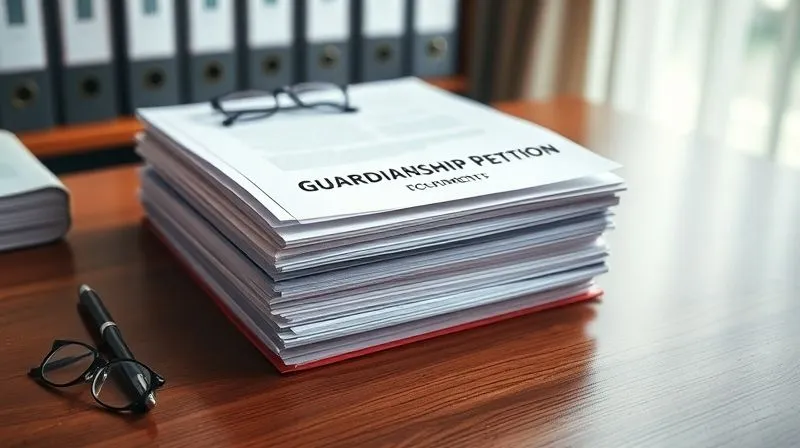
Navigating the Guardianship Petition: Formalizing Protection
Once immediate safety is addressed, the next step is to formalize the child's placement through a temporary guardianship petition. This legal process establishes you as the legal guardian, giving you the authority to make decisions regarding the child's care, education, and medical treatment.
Preparing Your Petition: Documentation is Key
The success of your guardianship petition hinges on thorough preparation and compelling evidence. The court needs to be convinced that it is in the child's best interest to be placed in your temporary guardianship. This involves collecting and organizing a significant amount of documentation.
Documentation Checklist for Guardianship Petition:
- Petition for Guardianship: The official court document outlining your request, reasons, and the child's information.
- Affidavits/Declarations: Sworn statements from you, witnesses (teachers, doctors, social workers, etc.) detailing the abuse, neglect, or unsuitability of the parents.
- CPS Records: Any reports, findings, or open cases from Child Protective Services.
- Medical Records: Documentation of the child's injuries, psychological evaluations, or medical neglect.
- School Records: Evidence of truancy, behavioral changes, or special needs not being addressed.
- Police Reports: Records of domestic violence, arrests, or other incidents involving the parents.
- Financial Information: Proof of your ability to care for the child (income, housing stability).
- Child's Birth Certificate and Social Security Card: For identification purposes.
Each piece of documentation strengthens your case. The more comprehensive and organized your evidence, the clearer the picture you paint for the court regarding the necessity of securing temporary guardianship of an abused child.
Seeking legal aid or pro bono services can be invaluable if you are facing financial constraints. Organizations like the Legal Services Corporation or local bar associations often have resources for those needing assistance in family law matters.
The Court Process: Hearings, Evidence, and Legal Representation
Once your petition is filed, you will enter the formal court process. This involves hearings, presenting evidence, and often navigating complex legal procedures. This stage is where your preparation and, ideally, your legal representation truly shine.
Understanding Court Hearings and Evidence Presentation
During guardianship hearings, the judge will consider all presented evidence and testimony. You will have the opportunity to explain why temporary guardianship is necessary, and the child's parents will have the chance to respond. The court's paramount concern will always be the best interests of the child.
- Initial Hearing: Often to set a schedule, ensure all parties are notified, and address any immediate concerns.
- Evidentiary Hearing: Where formal evidence (documents, witness testimony) is presented and challenged. This is where your meticulously gathered documentation becomes crucial.
- Child's Testimony: In some cases, the child may speak with the judge, often through a Guardian ad Litem (GAL) or in a private setting, depending on their age and maturity.
The Indispensable Role of a Family Law Attorney
Navigating family court, especially in abuse cases, is incredibly complex. I cannot stress enough the importance of retaining an experienced family law attorney. A lawyer can:
- Draft and file all necessary legal documents correctly.
- Advise you on the specific laws in your jurisdiction regarding guardianship.
- Represent you effectively in court, presenting your evidence and cross-examining witnesses.
- Negotiate with the child’s parents or their counsel.
- Ensure all procedures are followed, protecting your case from technical dismissals.
Expert Insight: "Going into a guardianship hearing without legal counsel is akin to navigating a minefield blindfolded. The stakes are too high, and the legal landscape too intricate, to do it alone. An attorney is not just an advocate; they are your guide and shield."
An attorney can also help you understand the nuances of evidence, such as hearsay rules or proper chain of custody for documents, which are critical for court admissibility. For assistance in finding a qualified attorney, you can refer to your state's State Bar Association Lawyer Referral Services.
After the Order: Responsibilities of a Temporary Guardian
Once the court grants you temporary guardianship, your role transitions from petitioner to primary caregiver and legal decision-maker. This comes with significant responsibilities, all centered around the child's well-being and development.
Fulfilling Your Duties: Care, Education, and Well-being
As a temporary guardian, you are legally responsible for the child's day-to-day care. This includes:
- Physical Care: Providing safe housing, adequate food, clothing, and supervision.
- Medical Care: Making decisions regarding the child's health, including routine check-ups, necessary treatments, and mental health services.
- Education: Enrolling the child in school, ensuring attendance, and participating in their educational development.
- Emotional Support: Creating a stable, nurturing environment that fosters emotional healing and growth, which is particularly vital for a child who has experienced abuse.
- Financial Support: While not always explicitly ordered, guardians are generally expected to provide for the child's financial needs or seek available assistance.
Monitoring and Reporting Requirements
Temporary guardianship is often subject to court oversight. You may be required to provide regular reports to the court or to a social worker, detailing the child's progress, living situation, and any significant events. This ensures that the court maintains oversight and that the child's best interests continue to be met.
It's also important to understand the limits of temporary guardianship. Your authority is defined by the court order, and it may not grant you all the rights a parent would have (e.g., relocating out of state without court permission). Always refer to your specific court order for precise details.
| Area of Responsibility | Guardian's Duties |
|---|---|
| Physical Care | Provide safe housing, food, clothing, supervision, and a stable environment. |
| Medical Care | Arrange and consent to medical, dental, and psychological treatment. |
| Education | Enroll child in school, ensure attendance, make educational decisions. |
| Emotional Support | Offer a nurturing, stable environment; facilitate counseling or therapy as needed. |
| Legal & Administrative | Manage child's legal documents, adhere to court reporting requirements. |
Addressing Common Challenges and Pitfalls
Even with a court order in hand, the journey of securing temporary guardianship of an abused child can present numerous challenges. Being prepared for these obstacles can help you navigate them more effectively.
Dealing with Parental Opposition
It's common for the child's parents to oppose the guardianship, often leading to contentious legal battles. They may attempt to regain custody, challenge your fitness as a guardian, or even try to interfere with the child's placement. This is where your strong legal representation and meticulous documentation become even more critical.
- Maintain Boundaries: Adhere strictly to court orders regarding parental contact.
- Document Everything: Keep records of any parental interactions, especially if they are negative or violate court orders.
- Communicate with Counsel: Inform your attorney immediately of any issues or violations.
Ensuring Child's Stability and Emotional Support
Children who have experienced abuse often suffer from significant emotional and psychological trauma. Providing stability and accessing appropriate mental health services are crucial aspects of your role as a temporary guardian.
- Therapy and Counseling: Seek out child psychologists or therapists specializing in trauma.
- Consistent Routines: Establish predictable daily routines to create a sense of security.
- Support Networks: Connect the child with positive role models, school support, and community activities.
Expert Insight: "The legal battle may end with a court order, but the healing journey for an abused child is just beginning. Your role as a guardian extends far beyond legal duties; it encompasses being a steadfast anchor in their emotional recovery."
Remember, the goal is not just to remove the child from harm but to provide an environment where they can thrive and heal. This requires patience, empathy, and access to the right resources. These challenges highlight why the process of securing temporary guardianship of an abused child is not merely procedural, but deeply personal and demanding.

The Path Forward: From Temporary to Permanent Solutions
Temporary guardianship, by its nature, is not meant to be indefinite. The court will typically set review hearings to assess the parents' progress (if any) and the child's ongoing needs. The ultimate goal is to move towards a stable, long-term solution for the child.
Exploring Permanent Guardianship or Adoption
Depending on the circumstances, temporary guardianship can evolve into different permanent arrangements:
- Reunification with Parents: If the parents address the issues that led to the abuse or neglect, and the court deems them fit, the child may be reunified with them. This is often the primary goal of child welfare agencies.
- Permanent Guardianship: If reunification is not possible, but adoption is not sought or feasible, permanent guardianship may be granted. This provides long-term stability without terminating parental rights entirely.
- Adoption: In severe and persistent cases of abuse or neglect where parental rights are terminated, adoption becomes an option. This provides the child with a new, permanent legal family.
Each path has distinct legal requirements and implications. Your attorney and the social workers involved will guide you through these options, always with the child’s best interest as the guiding principle.
Ongoing Support and Resources
Regardless of the permanent outcome, both you and the child will benefit from ongoing support. Look into local community resources, support groups for guardians, and continued counseling for the child. Organizations specializing in child trauma can provide invaluable assistance.
The journey of securing temporary guardianship of an abused child is arduous, but the impact you can have on a child's life is immeasurable. Your dedication provides not just a safe haven, but a foundation for a future filled with hope and healing.

Frequently Asked Questions (FAQ)
Can I get temporary guardianship without a lawyer? While it is technically possible to file a petition without an attorney, it is highly discouraged, especially in cases involving child abuse. The legal complexities, stringent evidence requirements, and emotional stakes are immense. An experienced family law attorney will significantly increase your chances of success and ensure all legal protocols are meticulously followed, which is crucial when securing temporary guardianship of an abused child.
What if the parents try to take the child back after a temporary guardianship order? A temporary guardianship order is a legally binding court order. If parents attempt to remove the child from your care in violation of this order, it constitutes a legal offense. You should immediately contact law enforcement and your attorney. The court takes such violations very seriously and can impose penalties on the parents and reinforce your guardianship rights.
How long does temporary guardianship last? The duration of temporary guardianship varies depending on the jurisdiction and the specific circumstances of the case. It is generally granted for a defined period, often with review hearings scheduled by the court. The goal is either reunification with parents after they have met specific conditions, or to transition to a more permanent solution like permanent guardianship or adoption. It is not intended to be a permanent arrangement without further court action.
What evidence do I need to prove abuse? To prove abuse, you will need compelling evidence, which can include a combination of the following: CPS reports and findings, medical records detailing injuries or neglect, psychological evaluations of the child, school reports (truancy, behavioral changes), police reports, sworn affidavits from witnesses (teachers, doctors, neighbors), photographs of injuries, and any relevant communications. The more objective and verifiable your evidence, the stronger your case for securing temporary guardianship of an abused child.
What is the difference between temporary custody and temporary guardianship? While often used interchangeably in common parlance, legally, there can be subtle differences. Temporary custody typically refers to who has physical care and control of the child, often as part of a divorce or separation. Temporary guardianship often grants broader legal authority to make decisions regarding the child's welfare, education, and medical care, and is typically sought by a non-parent when the parents are deemed unfit. The specific terms and powers are defined by the court order in your jurisdiction.
Key Takeaways and Final Thoughts
Protecting a child from abuse and navigating the legal labyrinth of guardianship is one of the most challenging yet profoundly rewarding endeavors. As an industry specialist, I've seen firsthand the difference that informed, decisive action can make in a child's life.
- Act Swiftly and Decisively: Recognize the signs of abuse and report to CPS immediately.
- Prioritize Emergency Intervention: Use emergency court orders when imminent danger is present.
- Document Meticulously: Gather all evidence to build a strong guardianship petition.
- Seek Expert Legal Counsel: A family law attorney is indispensable for navigating the court system.
- Focus on the Child's Best Interests: Every decision and action should be centered on their safety, well-being, and healing.
- Be Prepared for Challenges: Parental opposition and the child's emotional needs require ongoing commitment.
Securing temporary guardianship of an abused child is more than a legal process; it's a commitment to a vulnerable life. While the path ahead may be long and demanding, remember that your courage and dedication provide a beacon of hope. You are not just changing a child's living situation; you are actively shaping their future, offering them the chance for a life free from fear and filled with the possibility of healing and growth. Stand firm, seek support, and know that your efforts are truly making a monumental difference.
Recommended Reading
- 5 Proven Strategies: Mitigating Title Defect Risks in Commercial Deals
- Hidden Assets in Family Mediation? 7 Steps to Uncover the Truth
- Beyond Bankruptcy: Uncover Your Debt Relief Options Now!
- Medicaid-Proofing Your Business: 7 Legal Ways to Shelter Client Assets
- When Domestic Law Clashes: Your 5-Step Guide to Treaty Compliance





Comments
Leave a comment below. Your email will not be published. Required fields marked with *