


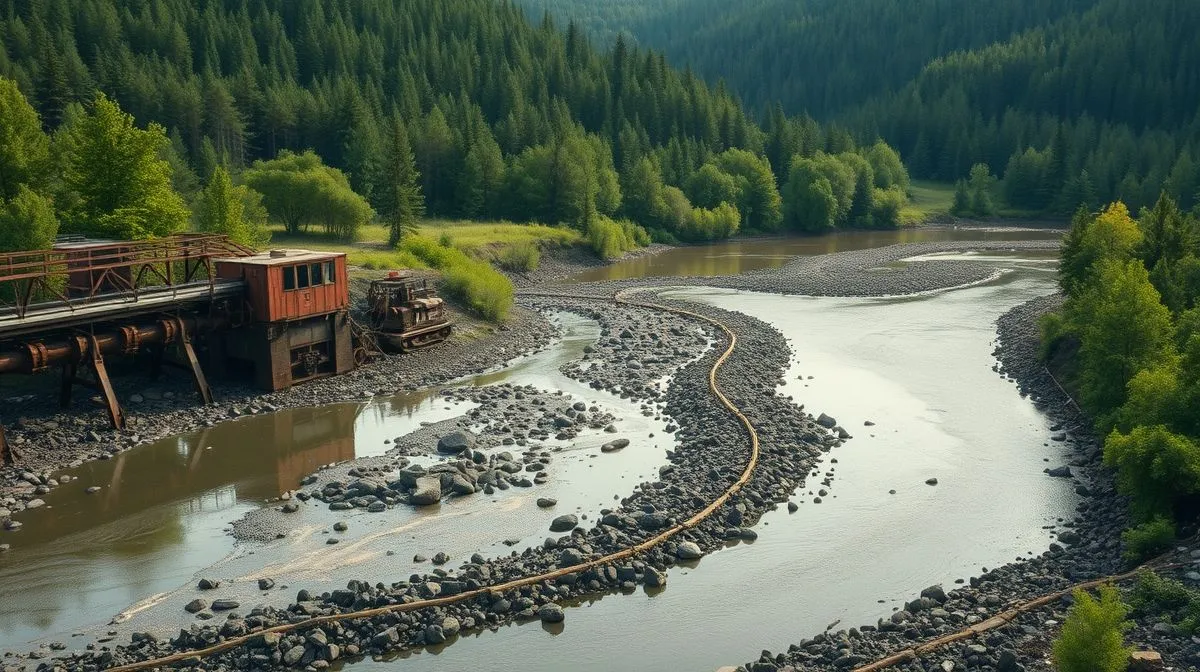
What Are Federal Pollution Control Act Penalties?
Imagine a world where factories freely dump waste into rivers, and the air is thick with smog. Sounds like a dystopian nightmare, right? Thankfully, we have laws in place to prevent such scenarios. But what happens when these laws are broken? That's where the Federal Pollution Control Act penalties come into play.
Understanding the potential penalties associated with violating environmental regulations is not just for large corporations; it's crucial for anyone whose activities might impact the environment. Ignoring these regulations can lead to hefty fines, legal battles, and even criminal charges.
In this comprehensive guide, we'll delve into the specifics of the Federal Pollution Control Act penalties. We'll explore the different types of violations, the range of fines, and the steps you can take to ensure compliance and avoid costly penalties. By the end of this article, you'll have a clear understanding of your responsibilities and how to protect both the environment and your bottom line.
Understanding the Federal Pollution Control Act
The Federal Pollution Control Act is a broad term that encompasses several key pieces of legislation designed to protect the environment. These acts aim to prevent and control pollution of air, water, and land.
Key Legislation
- Clean Water Act (CWA): Regulates the discharge of pollutants into the nation's waters, including rivers, lakes, and coastal areas.
- Clean Air Act (CAA): Controls air pollution from stationary and mobile sources, setting standards for air quality and emissions.
- Resource Conservation and Recovery Act (RCRA): Governs the management of hazardous waste from cradle to grave, ensuring its safe handling, storage, and disposal.
- Comprehensive Environmental Response, Compensation, and Liability Act (CERCLA): Also known as Superfund, it addresses abandoned or uncontrolled hazardous waste sites.
These acts are enforced by the Environmental Protection Agency (EPA), which has the authority to issue permits, conduct inspections, and levy penalties for violations.
Types of Violations and Their Consequences
Violations of the Federal Pollution Control Act can range from minor infractions to serious offenses, each carrying its own set of penalties.
Clean Water Act Violations
The Clean Water Act prohibits the discharge of pollutants into navigable waters without a permit. Common violations include:
- Unpermitted Discharges: Releasing pollutants without obtaining the necessary permits.
- Exceeding Permit Limits: Discharging pollutants in amounts exceeding the limits specified in the permit.
- Failure to Report: Failing to report spills or other incidents that could harm water quality.
Penalties for CWA violations can include civil fines of up to $56,927 per day per violation (as of 2023, adjusted for inflation) and criminal penalties, including imprisonment, for egregious offenses. According to the EPA, repeat offenders often face significantly higher fines and stricter enforcement actions.
Clean Air Act Violations
The Clean Air Act sets standards for air quality and regulates emissions from various sources. Common violations include:
- Exceeding Emission Limits: Releasing air pollutants in amounts exceeding the limits set by regulations.
- Failure to Obtain Permits: Operating facilities without the required air permits.
- Tampering with Monitoring Equipment: Altering or disabling equipment designed to monitor air emissions.
Penalties for CAA violations can include civil fines of up to $116,234 per day per violation (as of 2023, adjusted for inflation) and criminal penalties, including imprisonment, for knowing and willful violations. The EPA emphasizes that companies that fail to comply with air quality standards not only face legal consequences but also damage their reputation and public trust.
Resource Conservation and Recovery Act (RCRA) Violations
RCRA governs the management of hazardous waste, from its generation to its disposal. Common violations include:
- Improper Storage: Storing hazardous waste in containers or locations that do not meet regulatory standards.
- Failure to Track Waste: Failing to properly track the movement of hazardous waste from its point of generation to its final disposal.
- Illegal Disposal: Disposing of hazardous waste in unauthorized locations or in a manner that could harm the environment.
Penalties for RCRA violations can include civil fines of up to $81,703 per day per violation (as of 2023, adjusted for inflation) and criminal penalties, including imprisonment, for knowing endangerment of human health or the environment. The EPA has made it clear that proper hazardous waste management is a top priority, and violations will be met with strict enforcement actions.
Factors Influencing Penalty Amounts
The amount of the penalty for a violation of the Federal Pollution Control Act is not arbitrary. The EPA considers several factors when determining the appropriate penalty.
Severity of the Violation
The more serious the violation, the higher the penalty. Factors considered include the amount and toxicity of the pollutant released, the extent of the environmental damage, and the duration of the violation.
Economic Benefit of Non-Compliance
The EPA may increase the penalty to recoup any economic benefit the violator gained by not complying with regulations. For example, if a company saved money by not installing pollution control equipment, the penalty may be increased to offset those savings.
Good Faith Efforts to Comply
Companies that demonstrate a good faith effort to comply with regulations may receive a reduced penalty. This could include implementing environmental management systems, conducting regular audits, and promptly correcting any violations that are discovered.
History of Violations
A history of previous violations will likely result in a higher penalty. The EPA views repeat offenders as less likely to comply with regulations in the future and may impose stricter penalties to deter further violations.
Strategies for Avoiding Penalties
The best way to avoid penalties under the Federal Pollution Control Act is to proactively comply with environmental regulations. Here are some strategies to help you stay in compliance:
Conduct Regular Environmental Audits
Regular audits can help you identify potential violations before they lead to enforcement actions. These audits should assess all aspects of your operations that could impact the environment, including air emissions, water discharges, and waste management practices.
Implement an Environmental Management System (EMS)
An EMS is a systematic approach to managing your environmental responsibilities. It includes policies, procedures, and practices designed to minimize your environmental impact and ensure compliance with regulations. Certifications like ISO 14001 can also demonstrate your commitment to environmental stewardship.
Provide Employee Training
Ensure that all employees are properly trained on environmental regulations and best practices. Training should cover topics such as proper waste handling, spill prevention, and emergency response procedures.
Maintain Accurate Records
Keep accurate records of all environmental activities, including permits, monitoring data, and waste disposal records. These records will be essential in demonstrating compliance to regulators.
Promptly Correct Violations
If you discover a violation, take immediate steps to correct it. This could include stopping the polluting activity, cleaning up any contamination, and reporting the violation to the appropriate authorities.
Real-World Examples of Penalties
To illustrate the potential consequences of violating the Federal Pollution Control Act, here are a few real-world examples:
- Volkswagen: In 2015, Volkswagen was found to have cheated on emissions tests for its diesel vehicles. The company faced billions of dollars in fines and penalties, as well as criminal charges for some executives. This case highlights the importance of honesty and transparency in environmental reporting.
- BP: Following the Deepwater Horizon oil spill in 2010, BP faced billions of dollars in fines and penalties for violating the Clean Water Act. The spill caused extensive damage to the Gulf Coast ecosystem and resulted in significant economic losses for the region. This case underscores the importance of preventing spills and having effective response plans in place. You can read more about the settlement on the EPA's website.
- Duke Energy: In 2015, Duke Energy pleaded guilty to criminal negligence in connection with a coal ash spill into the Dan River in North Carolina. The company was fined millions of dollars and ordered to clean up the contamination. According to a report by the Southern Environmental Law Center, this case demonstrates the need for stronger regulations and oversight of coal ash disposal. You can also find more information on Wikipedia about the Dan River coal ash spill.
The Role of the EPA in Enforcement
The Environmental Protection Agency (EPA) plays a crucial role in enforcing the Federal Pollution Control Act. The EPA has the authority to conduct inspections, issue permits, and levy penalties for violations.
Inspections
The EPA conducts inspections of facilities to ensure compliance with environmental regulations. These inspections can be announced or unannounced and may involve reviewing records, collecting samples, and observing operations.
Permits
The EPA issues permits that authorize certain activities that could impact the environment. These permits specify the conditions under which the activity can be conducted, including limits on emissions and discharges.
Enforcement Actions
When the EPA discovers a violation, it may take enforcement action. This could include issuing a notice of violation, assessing a penalty, or filing a lawsuit. The EPA also has the authority to seek criminal charges for egregious violations.
The EPA's enforcement efforts are essential in protecting the environment and ensuring that companies comply with environmental regulations. According to a statement from the EPA, they are committed to holding polluters accountable and ensuring a level playing field for all businesses.
Frequently Asked Questions (FAQ)
What is the most common violation of the Clean Water Act? The most common violation is discharging pollutants into navigable waters without a permit.
What is the maximum penalty for violating the Clean Air Act? The maximum civil penalty can be up to $116,234 per day per violation (as of 2023, adjusted for inflation), and criminal penalties can include imprisonment.
How can I find out if a company has violated environmental regulations? You can search the EPA's Enforcement and Compliance History Online (ECHO) database.
What should I do if I witness an environmental violation? You should report it to the EPA or your state environmental agency.
Are small businesses exempt from the Federal Pollution Control Act? No, all businesses, regardless of size, are subject to the Federal Pollution Control Act. However, the EPA may consider the size of the business when determining the appropriate penalty.
Recommended Reading
- Petty Theft Penalties: What You Need to Know Now
- Title 1 Funding: How Does It Really Impact Our Schools?
- Can Unions Help Me Fight Wrongful Termination? Your Ultimate Guide
- IP Due Diligence Checklist: Secure Your Startup's Future!
- Protect Your Savings: How to Shield Assets From Nursing Home Costs
Conclusion
Understanding and complying with the Federal Pollution Control Act is essential for protecting the environment and avoiding costly penalties. By knowing the types of violations, the factors that influence penalty amounts, and the strategies for staying in compliance, you can ensure that your operations are environmentally sound and legally compliant. Don't wait until it's too late; take proactive steps today to protect our planet and your business. Remember that ignorance of the law is no excuse, and the consequences of non-compliance can be severe. Stay informed, stay compliant, and contribute to a cleaner, healthier future.



Comments
Leave a comment below. Your email will not be published. Required fields marked with *