


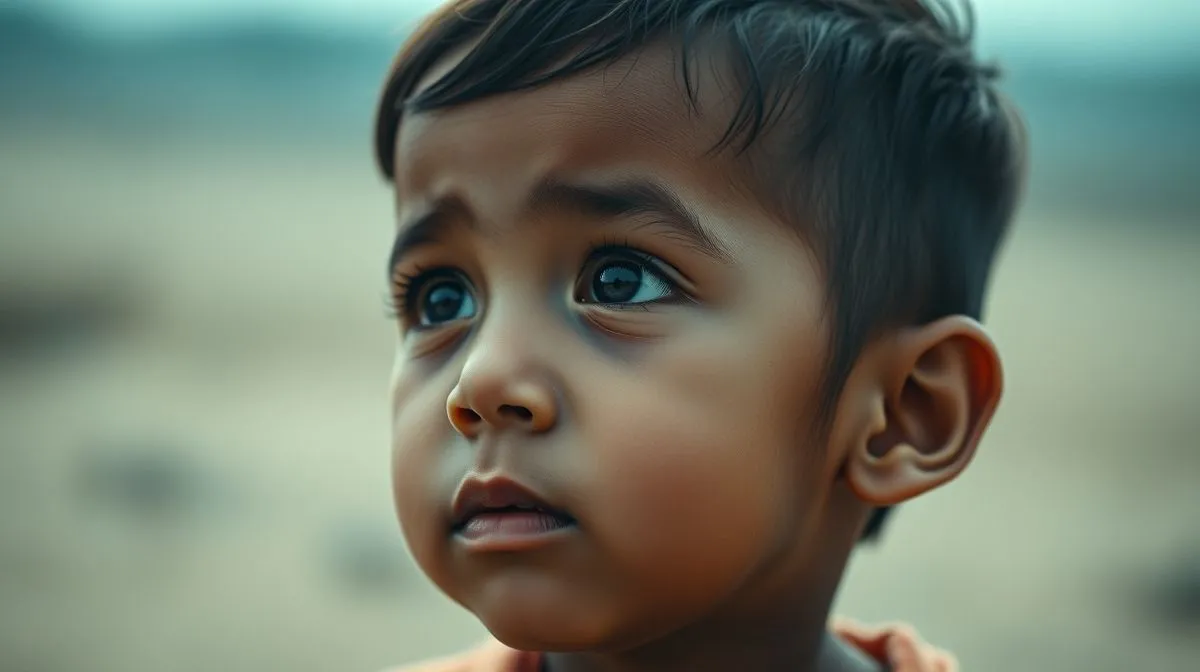
What Are Human Rights for Stateless Children?
Imagine being born into a world where your existence is not officially recognized. No birth certificate, no passport, no nationality. This is the reality for stateless children, individuals who are not considered citizens of any country. It's a precarious situation, leaving them incredibly vulnerable.
The question then arises: What are human rights for stateless children? Are they afforded the same protections as other children, or does their lack of nationality strip them of their fundamental rights? This article explores the complex legal landscape surrounding statelessness and its impact on children.
By the end of this guide, you'll understand the specific human rights applicable to stateless children under international law, the challenges they face in accessing these rights, and the ongoing efforts to protect this vulnerable population.
Understanding Statelessness and Children
Statelessness is defined as the condition of not being recognized as a national by any state under its law. While statelessness can affect people of all ages, it has particularly devastating consequences for children. They are often born into statelessness, inheriting their parents' lack of nationality. This creates a cycle of vulnerability and marginalization.
Causes of Child Statelessness
Several factors contribute to child statelessness:
- Gaps in Nationality Laws: Many countries' nationality laws don't adequately address situations where a child is born to stateless parents or in a territory where nationality is not automatically granted.
- Discrimination: Discriminatory laws that prevent women from passing on their nationality to their children can also lead to statelessness.
- State Succession: When countries dissolve or new states are formed, people can become stateless if their nationality is not recognized by the new entity.
- Lack of Birth Registration: Failure to register births, especially in remote or marginalized communities, can lead to statelessness because there is no official record of the child's existence.
The Core Human Rights Applicable to Stateless Children
Despite their stateless status, children are entitled to the same fundamental human rights as all other children. These rights are enshrined in international treaties like the Convention on the Rights of the Child (CRC) and the International Covenant on Civil and Political Rights (ICCPR).
The Right to a Nationality
Article 7 of the CRC explicitly states that every child has the right to acquire a nationality. While this doesn't necessarily obligate states to grant citizenship to every child born within their territory, it does require them to take steps to ensure that no child is left stateless. The UNHCR (United Nations High Commissioner for Refugees) plays a crucial role in advocating for the implementation of this right.
The Right to Non-Discrimination
The principle of non-discrimination is a cornerstone of human rights law. Article 2 of the CRC prohibits discrimination of any kind, including based on nationality or statelessness. This means that stateless children should have equal access to education, healthcare, and other essential services.
The Right to Education
Education is a fundamental right for all children, regardless of their nationality status. Article 28 of the CRC guarantees the right to education on the basis of equal opportunity. Stateless children often face barriers to accessing education, such as lack of documentation or discriminatory admission policies. Overcoming these barriers is crucial for their future.
The Right to Healthcare
Access to healthcare is another essential right for all children. Article 24 of the CRC requires states to ensure that all children have access to the highest attainable standard of health. Stateless children are particularly vulnerable to health problems due to poverty, lack of access to clean water and sanitation, and limited access to healthcare services.
Challenges Faced by Stateless Children
Even though stateless children are entitled to certain human rights, they often face significant challenges in accessing these rights. These challenges stem from their lack of legal status and the discrimination they often encounter.
Lack of Documentation
Without a birth certificate or other official documentation, stateless children may struggle to enroll in school, access healthcare, or obtain legal protection. They may also be at risk of exploitation and trafficking.
Discrimination and Marginalization
Stateless children often face discrimination and marginalization from both state and non-state actors. They may be denied access to services, treated unfairly by law enforcement, or excluded from social and economic opportunities.
Increased Vulnerability to Exploitation
The lack of legal protection makes stateless children particularly vulnerable to exploitation, including child labor, trafficking, and forced marriage. They may be forced to work in hazardous conditions or trafficked across borders for exploitation.
International Legal Framework for Protecting Stateless Children
Several international legal instruments provide a framework for protecting the rights of stateless children. These instruments include:
- The 1954 Convention Relating to the Status of Stateless Persons: This convention defines who is considered a stateless person and sets out minimum standards for their treatment.
- The 1961 Convention on the Reduction of Statelessness: This convention aims to prevent statelessness by establishing rules for the acquisition of nationality.
- The Convention on the Rights of the Child (CRC): As mentioned earlier, the CRC contains several provisions that are relevant to the protection of stateless children, including the right to a nationality, the right to non-discrimination, and the right to education and healthcare.
These conventions are crucial for establishing international norms and standards for the treatment of stateless persons, including children. However, their effectiveness depends on the willingness of states to ratify and implement them.
The Role of UNHCR and Other Organizations
The UNHCR plays a leading role in protecting stateless persons and advocating for the prevention and reduction of statelessness. The agency works with governments, civil society organizations, and other partners to identify stateless persons, provide them with legal assistance, and advocate for their rights. According to the UNHCR, millions of people worldwide are stateless.
Other organizations, such as the Open Society Foundations and the Institute on Statelessness and Inclusion, also work to promote the rights of stateless persons and advocate for legal reforms to prevent statelessness.
What Can Be Done to Protect Stateless Children?
Protecting stateless children requires a multi-faceted approach that addresses the root causes of statelessness, provides legal protection, and ensures access to essential services.
Strengthening Nationality Laws
States should review and amend their nationality laws to ensure that they comply with international standards and do not discriminate against certain groups. Laws should be in place to grant nationality to children born in their territory who would otherwise be stateless. The International Covenant on Economic, Social and Cultural Rights also ensures protection.
Improving Birth Registration Systems
States should invest in improving birth registration systems to ensure that all children are registered at birth. This includes providing free and accessible birth registration services, especially in remote and marginalized communities.
Providing Legal Assistance and Representation
Stateless children and their families often need legal assistance to navigate complex legal procedures and assert their rights. States and civil society organizations should provide free legal aid services to stateless persons.
Raising Awareness and Combating Discrimination
Raising awareness about the plight of stateless children and combating discrimination are essential for creating a more inclusive and just society. This includes educating the public about statelessness and promoting tolerance and understanding.
Frequently Asked Questions (FAQ)
What is the difference between a refugee and a stateless person? A refugee is someone who has fled their country of origin due to a well-founded fear of persecution. A stateless person is someone who is not recognized as a national by any country. A person can be both a refugee and stateless.
How many stateless children are there in the world? It is difficult to determine the exact number of stateless children, but the UNHCR estimates that there are millions of stateless persons worldwide, and a significant proportion of them are children.
What are the long-term consequences of statelessness for children? Statelessness can have devastating long-term consequences for children, including limited access to education, healthcare, and employment opportunities, as well as increased vulnerability to exploitation and abuse.
What can individuals do to help stateless children? Individuals can support organizations that work to protect the rights of stateless persons, advocate for legal reforms to prevent statelessness, and raise awareness about the issue.
Recommended Reading
- Title 1 Funding: How Does It Really Impact Our Schools?
- DWI First Offense Expungement Eligibility: Your Complete Guide
- Tenant Rights During Eviction: Your Ultimate Protection Guide
- Treaty Withdrawal: How It Impacts National Law - The Ultimate Guide
- Sue Debt Collector Financial Services? Know Your Rights Now!
Conclusion
What are human rights for stateless children? They are the same fundamental rights that all children are entitled to, including the right to a nationality, the right to non-discrimination, and the right to education and healthcare. However, stateless children often face significant challenges in accessing these rights due to their lack of legal status and the discrimination they encounter. Protecting stateless children requires a concerted effort from states, international organizations, and civil society to address the root causes of statelessness, provide legal protection, and ensure access to essential services. By working together, we can create a world where all children, regardless of their nationality status, can enjoy their fundamental human rights. The work of organizations like Human Rights Watch is crucial in these efforts. You can learn more about their work on their website: Human Rights Watch.





Comments
Leave a comment below. Your email will not be published. Required fields marked with *