


What are the Legal Risks of Developing Land Near Protected Wetlands?
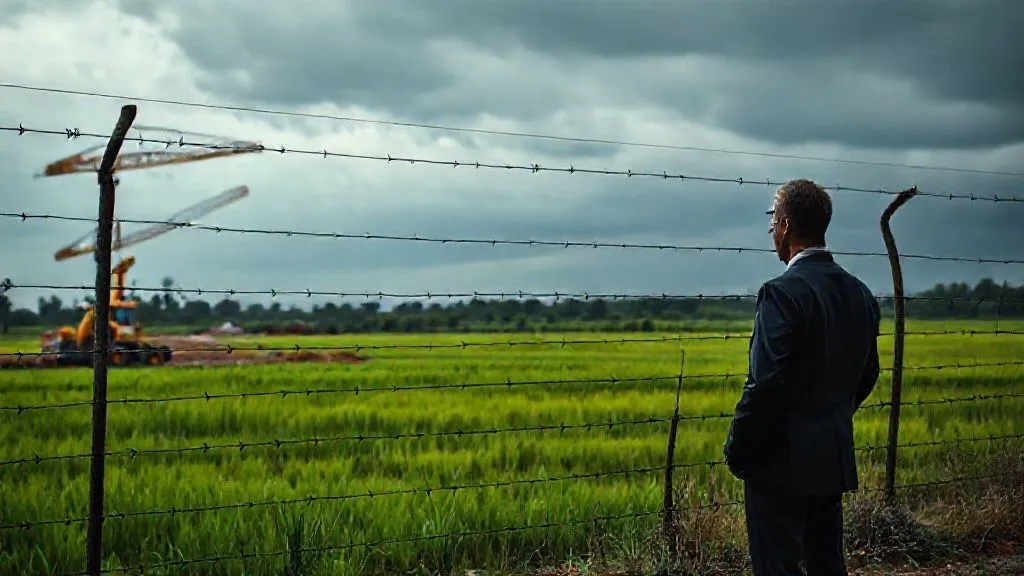
For over two decades in environmental law, I've witnessed firsthand the profound and often devastating consequences when developers underestimate the intricate web of regulations surrounding protected wetlands. I recall a significant case where a well-established real estate firm, confident in their initial surveys, commenced clearing land for a large residential project, only to discover a previously undocumented jurisdictional wetland. The ensuing legal battles, stop-work orders, and mitigation demands not only crippled their timeline but also resulted in fines that dwarfed their initial profit projections.
The allure of prime real estate often clashes with the critical ecological functions of wetlands, creating a perilous landscape for development. Navigating this intersection requires far more than a cursory glance at a zoning map; it demands a deep understanding of federal, state, and local environmental statutes. Many developers find themselves caught in a quagmire of permits, penalties, and protracted litigation, transforming a promising venture into a financial and reputational nightmare.
In this definitive guide, I will illuminate what are the legal risks of developing land near protected wetlands. We’ll dissect the regulatory frameworks, explore the spectrum of potential penalties, and share actionable strategies to safeguard your projects. My goal is to equip you with the expert insights and practical frameworks necessary to navigate this complex legal terrain, ensuring compliance and protecting your investment from unforeseen liabilities.
The Unseen Regulator: Understanding Wetland Jurisdictional Determinations
The very first and arguably most critical legal risk stems from the often-misunderstood process of identifying and delineating wetlands. Many developers assume that if their property isn't explicitly marked as a wetland on a public map, they're in the clear. However, the definition of "waters of the U.S." under the Clean Water Act (CWA) is broad and subject to evolving interpretations, making a precise jurisdictional determination an absolute necessity.
Federal agencies like the U.S. Army Corps of Engineers (USACE) have the authority to determine what constitutes a jurisdictional wetland, based on factors like hydrology, hydric soils, and hydrophytic vegetation. Failing to properly identify these areas before any ground disturbance can lead to immediate violations, triggering enforcement actions even if the impact was unintentional.
Navigating the CWA Section 404 Permitting Process
Once a jurisdictional wetland is identified, any proposed discharge of dredged or fill material into it requires a Section 404 permit from the USACE. This isn't a mere formality; it's a rigorous process designed to avoid, minimize, and mitigate wetland impacts. Ignoring this requirement is a direct path to severe legal repercussions.
- Conduct a Professional Wetland Delineation: Engage a qualified environmental consultant to accurately identify and map all potential wetlands on your property. This report is the foundation for all subsequent steps.
- Request a Jurisdictional Determination (JD): Submit your delineation report to the USACE to obtain an official JD. This confirms whether the identified wetlands are indeed subject to federal jurisdiction.
- Evaluate Avoidance and Minimization: Before applying for a permit, demonstrate that you have explored all practical alternatives to avoid impacts to wetlands. If avoidance isn't feasible, propose measures to minimize unavoidable impacts.
- Develop a Mitigation Plan: For any unavoidable impacts, you will likely be required to compensate for the lost wetland functions through mitigation. This often involves restoring, enhancing, creating, or preserving other wetlands, or purchasing credits from a mitigation bank.
- Submit Your Section 404 Permit Application: Prepare a comprehensive application, including your impact analysis, avoidance/minimization efforts, and mitigation plan. Be prepared for public comment periods and potential agency requests for additional information.
I cannot stress enough the importance of getting this right. A properly executed delineation and JD can save you years of headaches and millions in potential fines. It’s the foundational step in understanding what are the legal risks of developing land near protected wetlands.
The Financial Quagmire: Fines, Penalties, and Mitigation Costs
Perhaps the most immediate and tangible legal risk is the financial burden associated with non-compliance. Violations of the Clean Water Act, particularly Section 404, carry substantial penalties that can rapidly escalate. These aren't minor fees; they are designed to deter environmental damage and can quickly bankrupt a project.
The Environmental Protection Agency (EPA) and the USACE have the authority to levy civil penalties of up to $60,511 per day for each violation of the CWA. In egregious cases, criminal penalties, including significant fines and even imprisonment for responsible individuals, can be pursued. These penalties serve as a stark reminder of the gravity of wetland protection laws.
Beyond Fines: The True Cost of Non-Compliance
While direct fines are crippling, the indirect costs often prove to be even more devastating:
- Stop-Work Orders: An immediate injunction can halt all construction, leading to massive carrying costs, delayed revenue, and potential breach of contract claims from buyers or tenants.
- Restoration Orders: Agencies can mandate costly and time-consuming restoration of damaged wetlands, often requiring specialized environmental contractors and long-term monitoring.
- Reputational Damage: Environmental violations can severely tarnish a developer's brand, making it harder to secure future permits, financing, or community support.
- Increased Scrutiny: Once flagged for a violation, all future projects by that developer are likely to face heightened regulatory scrutiny, extending permitting timelines and increasing compliance costs.
Case Study: How Green Acres Development Faced a $10 Million Penalty
Green Acres Development, a fictional but realistic example, acquired a large tract of land for a mixed-use community. Their initial environmental assessment, conducted by an inexperienced firm, overlooked several acres of intermittent streams and adjacent wetlands. Trusting this faulty report, Green Acres began extensive grading and filling operations. A local environmental watchdog group, alerted by satellite imagery, reported the activity to the USACE and EPA.
Within weeks, a cease-and-desist order was issued, halting all construction. Subsequent investigations confirmed significant unauthorized fills in jurisdictional wetlands. The agencies pursued civil penalties, which, combined with the mandated restoration costs, the purchase of mitigation bank credits at an inflated price due to urgency, and the opportunity cost of an 18-month project delay, totaled over $10 million. This single oversight nearly drove Green Acres into bankruptcy, illustrating the profound financial implications of neglecting what are the legal risks of developing land near protected wetlands.
In my experience, the biggest mistake developers make isn't malicious intent, but rather a failure to invest adequately in early, expert environmental due diligence. Penny-pinching at the outset almost always leads to dollar-draining problems down the line.
According to a recent EPA enforcement summary, violations related to the Clean Water Act consistently rank among the highest in terms of penalties levied against corporations and individuals. It's a clear signal that regulatory bodies are not shy about enforcing these critical protections. For more details on CWA enforcement, you can refer to the EPA's Clean Water Act Compliance Monitoring page.
| Violation Type | Typical Civil Penalty Range | Potential Criminal Penalty |
|---|---|---|
| Unauthorized Fill in Wetlands | $25,000 - $60,511 per day | Up to $50,000/day + 3 years imprisonment |
| Failure to Obtain CWA Section 404 Permit | $10,000 - $30,000 per violation | Up to $25,000/day + 1 year imprisonment |
| Non-Compliance with Permit Conditions | $5,000 - $15,000 per violation | Case-dependent |
| Damage to Critical Habitat | Varies, often includes restoration costs | Significant fines + imprisonment under ESA |
Endangered Species Act (ESA) and Habitat Protection Overlaps
Wetlands are often biodiversity hotspots, providing critical habitats for numerous species, including those listed as threatened or endangered under the federal Endangered Species Act (ESA). This creates another layer of legal complexity and potential risk for developers. Even if you successfully navigate CWA Section 404, you could still face significant hurdles under the ESA if your project threatens protected species or their designated critical habitat.
Impacts to endangered species can trigger stringent requirements, including project redesigns, extensive monitoring, and even outright prohibition of development in certain areas. The ESA is a powerful law, and its enforcement can supersede other development plans if a species' survival is at stake.
Section 7 Consultations and Habitat Conservation Plans
If your project involves federal funding, permits (like a CWA Section 404 permit), or activities on federal land, Section 7 of the ESA mandates that the federal agency involved (e.g., USACE) consult with the U.S. Fish and Wildlife Service (USFWS) or National Marine Fisheries Service (NMFS). This consultation determines if the project is likely to jeopardize a listed species or adversely modify its critical habitat. An adverse finding can necessitate significant project modifications or even lead to denial of federal permits.
For private projects without a federal nexus, Section 9 of the ESA prohibits the "take" of listed species. "Take" is broadly defined to include harassing, harming, pursuing, hunting, shooting, wounding, killing, trapping, capturing, or collecting, or attempting to engage in such conduct. If your development might result in a "take," you'll need an Incidental Take Permit (ITP) under Section 10 of the ESA, which requires developing a comprehensive Habitat Conservation Plan (HCP). This plan outlines how the impacts of the incidental take will be minimized and mitigated. For more information on the ESA, visit the U.S. Fish and Wildlife Service website.
State and Local Wetland Regulations: The Layered Labyrinth
While federal laws like the CWA and ESA provide a baseline of protection, many states and local jurisdictions have their own, often more stringent, wetland protection laws. This creates a complex, multi-layered regulatory environment where compliance with federal rules does not automatically guarantee compliance with state or local requirements. I've frequently seen developers caught off guard by these additional layers, leading to unexpected delays and costs.
Each state approaches wetland regulation differently. Some states have comprehensive standalone wetland acts, while others integrate wetland protection into broader environmental quality or coastal zone management programs. Local ordinances, too, can impose specific setbacks, buffer requirements, or even outright prohibitions on development near certain wetland types.
- California Coastal Act: Imposes strict development regulations within the coastal zone, often extending protections to wetlands beyond federal definitions.
- Florida's Environmental Resource Permitting (ERP) Program: Managed by the state's water management districts, this program regulates activities in wetlands and other surface waters, often requiring permits for projects that might not trigger federal review.
- Maryland's Nontidal Wetland Protection Act: Protects wetlands not covered by federal jurisdiction, requiring state permits for disturbances.
- Massachusetts Wetlands Protection Act: A robust state law that protects a wide range of wetland resource areas and their associated buffer zones.
Never assume federal approval is the only hurdle. Always engage local environmental counsel early in the process to fully understand the unique state and municipal regulations that apply to your specific project site. This proactive step is crucial to accurately assess what are the legal risks of developing land near protected wetlands in your area.
These state and local regulations often require separate permitting processes, which can have different application requirements, review timelines, and mitigation standards than their federal counterparts. Overlooking these can lead to independent enforcement actions, fines, and project delays, even if your federal permit is in order.
Litigation Risks: Defending Against Citizen Suits and Enforcement Actions
Beyond direct regulatory enforcement, developers face the significant legal risk of litigation. Environmental laws, particularly the CWA and ESA, include provisions for "citizen suits," allowing environmental groups, affected individuals, or even competing businesses to sue alleged violators. These lawsuits can be incredibly disruptive and costly, regardless of their ultimate outcome.
Citizen suits can seek injunctive relief (e.g., stopping construction), civil penalties, and recovery of legal fees. Even if a developer believes they are fully compliant, defending against such actions can drain resources, divert management attention, and significantly delay project completion. The public scrutiny inherent in these lawsuits can also exacerbate reputational damage.
The Power of Public Scrutiny and Legal Challenges
In my career, I've seen numerous projects stalled or abandoned due to well-organized citizen opposition. These groups often possess deep knowledge of environmental laws and are adept at leveraging public opinion and legal avenues to challenge development. Their actions are not just about stopping a specific project; they often aim to set precedents or raise broader awareness about environmental protection.
Furthermore, regulatory enforcement actions can also escalate into protracted legal battles if a developer contests an agency's findings or proposed penalties. This can lead to administrative hearings, appeals, and ultimately, federal court litigation. These processes are expensive, time-consuming, and carry the inherent risk of an adverse judicial decision that could impose even greater penalties or require more extensive remediation than initially proposed by the agency. The EPA regularly publishes enforcement data, which highlights the prevalence of such legal challenges and the significant resources dedicated to them. You can review their enforcement actions at EPA Enforcement.
Reputation and Public Relations Fallout
In today's interconnected world, the legal risks of developing land near protected wetlands extend far beyond courtrooms and balance sheets. Environmental controversies can quickly spiral into public relations nightmares, inflicting long-term damage on a developer's brand and social license to operate. A negative perception can be as damaging, if not more so, than a hefty fine.
News reports, social media campaigns, and community activism can quickly amplify environmental concerns, turning a local permitting dispute into a national story. This can lead to boycotts, investor withdrawal, and increased difficulty in gaining approval for future projects, even those unrelated to wetlands. Trust, once lost, is incredibly difficult to regain.
Building Trust: Proactive Engagement and Sustainable Practices
Developers who prioritize environmental stewardship and transparent communication can mitigate these risks. Proactive engagement with stakeholders, including local communities and environmental groups, can transform potential adversaries into allies or at least reduce hostility. Demonstrating a genuine commitment to sustainable practices and responsible development is key.
- Early Community Engagement: Hold public meetings and workshops early in the planning process to inform and listen to community concerns. Transparency builds trust.
- Environmental Stewardship: Go beyond minimum compliance. Adopt best management practices, incorporate green infrastructure, and consider certifying your development under recognized sustainability standards.
- Clear Communication: If issues arise, communicate openly and honestly with the public and regulatory agencies. Avoid defensive or dismissive stances.
- Partnerships: Explore opportunities to partner with local conservation groups on restoration projects or educational initiatives, demonstrating your commitment to the environment.
A strong reputation for environmental responsibility can be a powerful asset, attracting environmentally conscious buyers, easing permitting processes, and fostering positive community relations. Conversely, a poor reputation can create insurmountable barriers to future development. This is a crucial element when considering what are the legal risks of developing land near protected wetlands.

Due Diligence and Early Planning: Your Best Defense
Given the array of legal risks, the most effective strategy for any developer is robust due diligence and meticulous early planning. Procrastinating on environmental assessments or attempting to cut corners at the outset is a surefire way to invite trouble. A comprehensive understanding of the site's environmental characteristics and regulatory landscape is not an optional extra; it is a fundamental prerequisite for successful and compliant development.
By investing in thorough environmental studies and legal counsel early, developers can identify potential wetland issues, understand the associated legal risks, and integrate mitigation strategies into the project design from its inception. This proactive approach minimizes costly surprises, streamlines the permitting process, and significantly reduces the likelihood of enforcement actions or litigation.
Essential Steps for Risk Mitigation
- Phase I Environmental Site Assessment (ESA): Always start with a Phase I ESA to identify potential environmental liabilities, including the likely presence of wetlands.
- Professional Wetland Delineation: As discussed, a certified wetland specialist must delineate all wetlands on the property, providing detailed mapping and a report.
- Pre-Application Meetings: Engage early with federal (USACE, USFWS), state, and local regulatory agencies. These meetings can provide invaluable guidance, identify key concerns, and clarify permitting requirements before formal applications are submitted.
- Legal Counsel Specializing in Environmental Law: Retain experienced environmental attorneys from the project's inception. They can interpret complex regulations, advise on compliance strategies, and represent your interests during permitting and enforcement actions.
- Site Design Optimization: Design your project to avoid and minimize wetland impacts as much as possible. This might involve adjusting layouts, using permeable surfaces, or creating buffer zones.
- Financial Contingency Planning: Budget not just for direct development costs, but also for potential mitigation, permitting fees, and legal defense, should unforeseen issues arise.
The cost of thorough due diligence pales in comparison to the potential fines, delays, and reputational damage that can result from environmental non-compliance. It's an investment in certainty and risk reduction, ensuring that your project remains viable and free from the legal quagmire that can engulf unprepared developers. For guidance on selecting environmental consultants, consider resources from professional organizations like the National Association of Environmental Professionals (NAEP).

| Due Diligence Step | Purpose | Expected Outcome |
|---|---|---|
| Phase I Environmental Site Assessment | Identify potential environmental liabilities, historical uses | Initial risk screening, potential for further investigation |
| Wetland Delineation & JD Request | Accurately map jurisdictional wetlands, confirm agency oversight | Clear understanding of regulated areas, basis for permit applications |
| Pre-Application Agency Meetings | Obtain early feedback, clarify requirements, build relationships | Streamlined permitting process, identification of potential roadblocks |
| ESA Section 7/10 Consultation (if applicable) | Assess impacts on endangered species, develop mitigation plans | Incidental Take Permit or no jeopardy determination |
| Legal Review of State/Local Ordinances | Identify specific non-federal regulations, additional permits | Comprehensive compliance strategy, avoidance of local violations |
Frequently Asked Questions (FAQ)
Can I get a permit if my project absolutely impacts wetlands? Yes, but it's not guaranteed and typically requires a multi-step process. First, you must demonstrate that you have exhausted all practicable alternatives to avoid and minimize wetland impacts. If impacts are unavoidable, you will then need to propose a compensatory mitigation plan, which usually involves restoring, creating, enhancing, or preserving other wetlands to offset the lost functions. The USACE operates under a 'no net loss' policy for wetlands, meaning any impacts must be fully compensated. This process can be lengthy and expensive, often requiring significant adjustments to your project design.
What's the difference between federal and state wetland regulations? Federal regulations, primarily under the Clean Water Act, establish a baseline for wetland protection, focusing on "waters of the U.S." However, many states have their own, often more expansive, wetland protection laws that can cover a broader range of wetland types (e.g., isolated wetlands not federally regulated) or impose stricter permitting requirements, setbacks, and mitigation standards. You must comply with both federal and applicable state/local regulations, and often, state permits are required in addition to federal ones.
How do I know if my land has protected wetlands? The most definitive way is to hire a qualified environmental consultant to conduct a professional wetland delineation. They will assess the property for wetland indicators (hydrology, hydric soils, hydrophytic vegetation) and provide a report. This report can then be submitted to the U.S. Army Corps of Engineers (USACE) for a formal Jurisdictional Determination (JD), which legally confirms the presence and extent of federal wetlands on your property. Public maps are often insufficient and can be misleading.
What if I accidentally impact a wetland? Accidental impacts, even if unintentional, are still violations. The immediate action should be to stop all work in the affected area and contact the relevant regulatory agencies (USACE, EPA, state environmental agency) immediately. Full disclosure, cooperation, and a proactive approach to remediation or mitigation are crucial. Ignoring the issue or attempting to conceal the damage will almost certainly lead to more severe penalties, including higher fines, stop-work orders, and potential criminal charges.
Is mitigation banking always an option for compensatory mitigation? Mitigation banking is a common and often preferred option for compensatory mitigation, where a developer purchases credits from an approved wetland mitigation bank to offset their project's unavoidable wetland impacts. However, it's not always an option. The availability of credits depends on the service area of the bank relative to your project site, the type of wetland impacted, and the specific requirements of the regulatory agencies. Sometimes, on-site or off-site permittee-responsible mitigation (where you restore/create wetlands yourself) may be required or preferred if suitable bank credits are unavailable.
Key Takeaways and Final Thoughts
Developing land near protected wetlands is undeniably complex, fraught with legal risks that can significantly impact a project's viability and a developer's reputation. From navigating intricate federal permitting processes to contending with layered state and local regulations, and from facing substantial financial penalties to fending off citizen lawsuits, the potential pitfalls are numerous and severe. Understanding what are the legal risks of developing land near protected wetlands is not just good practice; it's essential for survival in this industry.
- Proactive Due Diligence is Paramount: Invest in early, expert wetland delineations and jurisdictional determinations.
- Navigate Permitting Rigorously: Understand and meticulously follow the CWA Section 404 process and any state/local permitting requirements.
- Mitigate Financial and Reputational Harm: Be aware of the direct and indirect costs of non-compliance, including fines, stop-work orders, and public backlash.
- Consider ESA and Other Environmental Laws: Recognize the broader environmental context, including endangered species protection.
- Engage Expert Counsel: Partner with experienced environmental attorneys and consultants from the project's inception.
As an industry veteran, I've seen how careful planning, transparent communication, and a genuine commitment to environmental stewardship can transform potential liabilities into successful, sustainable developments. The landscape of environmental law is ever-evolving, but with the right knowledge and a proactive approach, you can confidently navigate these challenges, protecting both your investment and our invaluable natural resources. Embrace these insights, and build not just structures, but a legacy of responsible development.
Recommended Reading
- How to Legally Stop Ex-Employees Misusing Trade Secrets: 7 Steps
- 7 Strategies to Shield Your Business from Employee Social Media Liability
- Can You Get a Legal Separation Without a Lawyer? The Ultimate DIY Guide
- Navigating AI in Hiring: 7 Legal Risks Employers Must Understand
- 7 Proven Ways: How to Challenge Executive Branch Overreach of Powers?




Comments
Leave a comment below. Your email will not be published. Required fields marked with *