



What are the legal risks of water rights disputes in drought areas?
For over two decades in environmental and natural resource law, I've witnessed firsthand how the delicate balance of water resources can turn into a legal minefield. What starts as a shared necessity often escalates into complex, costly, and sometimes existential disputes, particularly in regions grappling with persistent drought. The stakes are incredibly high, affecting everything from agricultural livelihoods to urban development and industrial operations.
Droughts don't just reduce water availability; they amplify every pre-existing tension and expose every ambiguity in water rights. They transform a fundamental resource into a battleground, where historical claims clash with modern demands, and the very future of communities hangs in the balance. The legal landscape becomes incredibly treacherous, fraught with risks that can cripple businesses, devastate farms, and ignite community unrest.
This article isn't just a theoretical overview; it's a deep dive into the specific legal risks of water rights disputes in drought areas, drawn from my extensive experience. I'll provide you with actionable frameworks, illustrate with a realistic case study, and offer expert insights to help you navigate these complexities, protect your interests, and ideally, avoid litigation altogether.
The Shifting Landscape: Understanding Water Rights Regimes
Before we delve into the risks, it's crucial to understand the foundational principles governing water rights, as these vary significantly across jurisdictions and dictate the nature of disputes. I've seen countless parties enter disputes without a clear grasp of their own rights, let alone those of their adversaries.
Riparian Rights: The Eastern Tradition
In many eastern U.S. states, and areas with historically abundant water, the doctrine of riparian rights prevails. This system grants landowners adjacent to a water body the right to use that water, provided their use is 'reasonable' and doesn't unduly harm other riparian users. During droughts, the definition of 'reasonable use' becomes highly contentious, leading to disputes over:
- What constitutes a legitimate 'reasonable' diversion or use.
- The impact of upstream uses on downstream users.
- Prioritizing different types of uses (e.g., domestic vs. agricultural vs. industrial).
Prior Appropriation: The Western Imperative
Conversely, in the arid western U.S., the doctrine of prior appropriation is dominant. This system operates on the principle of "first in time, first in right." The oldest water rights, known as 'senior rights,' have priority over newer ones ('junior rights'), especially during times of scarcity. Droughts dramatically test this system, leading to:
- Curtailment orders where junior rights holders are forced to stop diverting water.
- Challenges to the 'beneficial use' requirement, where water must be used productively to maintain the right.
- Intense competition and legal battles between senior and junior users for dwindling supplies.
Conjunctive Management and Hybrid Systems
Increasingly, states are moving towards conjunctive management, recognizing the interconnectedness of surface water and groundwater. This means that a permit for surface water might be tied to groundwater use, or vice-versa. Hybrid systems also exist, blending elements of both riparian and prior appropriation doctrines. These complexities add layers of legal uncertainty when water becomes scarce.
"Understanding the specific water rights regime applicable to your region, and indeed to your specific parcel and water source, is not merely advisable; it is the absolute bedrock of risk mitigation. Without this fundamental knowledge, you are effectively navigating a minefield blindfolded."
Direct Legal Risks of Water Rights Disputes
When drought tightens its grip, the theoretical becomes painfully real. The following are the most common and potent direct legal risks I’ve observed when water rights disputes escalate.
Loss of Water Rights Through Adjudication or Forfeiture
One of the most devastating outcomes is the permanent loss or curtailment of your water rights. In drought conditions, regulatory bodies often initiate or accelerate adjudication processes to formally determine and quantify existing water rights. This can expose long-standing, informal uses to challenge. Furthermore, many prior appropriation states have 'use it or lose it' provisions, meaning rights can be forfeited or abandoned if not put to beneficial use for a specified period, a risk exacerbated when water is unavailable for use due to drought.
To protect your rights during such periods, consider these steps:
- Document Everything: Maintain meticulous records of your water use, diversions, infrastructure, and any communications with regulatory bodies or neighboring users.
- Understand Your Permit/Decree: Know the specific terms, conditions, and limitations of your water rights permit or judicial decree.
- Engage Proactively: If facing a curtailment order or adjudication, engage legal counsel immediately to ensure your interests are represented and your claims are properly asserted.
- Seek Temporary Transfers/Leases: Explore options for temporarily transferring or leasing water rights, which can sometimes satisfy beneficial use requirements without actual diversion.
Financial Penalties and Damages
Water rights disputes are notoriously expensive. Litigation costs, including attorney fees, expert witness fees (hydrologists, engineers), and court costs, can quickly run into hundreds of thousands, if not millions, of dollars. Beyond direct legal expenses, if found to be interfering with another's lawful water right, you could be liable for significant damages, including lost profits, crop damage, or even the cost of alternative water supplies for the injured party.
I recall a case where a small agricultural operation, unknowingly diverting more water than their junior right allowed during a severe drought, faced a lawsuit from a senior user. The damages sought, combined with legal fees, pushed them to the brink of bankruptcy. It was a harsh lesson in the financial gravity of these disputes.
Injunctions and Operational Disruptions
A court can issue an injunction, a legal order requiring a party to stop a specific action (e.g., diverting water) or to take a specific action (e.g., releasing water). During a drought, an injunction to cease water diversion can be catastrophic for farms, industrial facilities, or municipalities reliant on that water. Such disruptions can halt operations, lead to significant economic losses, and even force permanent closures.
Imagine a manufacturing plant that suddenly loses its process water supply due to an injunction – the ripple effects on production, employment, and contractual obligations are immense. These are not merely legal problems; they are profound business continuity crises.
Regulatory Scrutiny and Enforcement Actions
Droughts invariably lead to increased oversight from state and federal regulatory agencies. Watermasters, environmental protection agencies, and state water boards become far more active in monitoring diversions, enforcing permit conditions, and investigating complaints. This heightened scrutiny increases the risk of:
- Fines and Penalties: For unauthorized diversions, waste, or non-compliance with conservation orders.
- Permit Revocation: Severe or repeated violations can lead to the revocation of your water rights permit.
- New Restrictions: Agencies may impose new, more stringent restrictions on water use, even for valid rights holders, to manage overall basin scarcity.
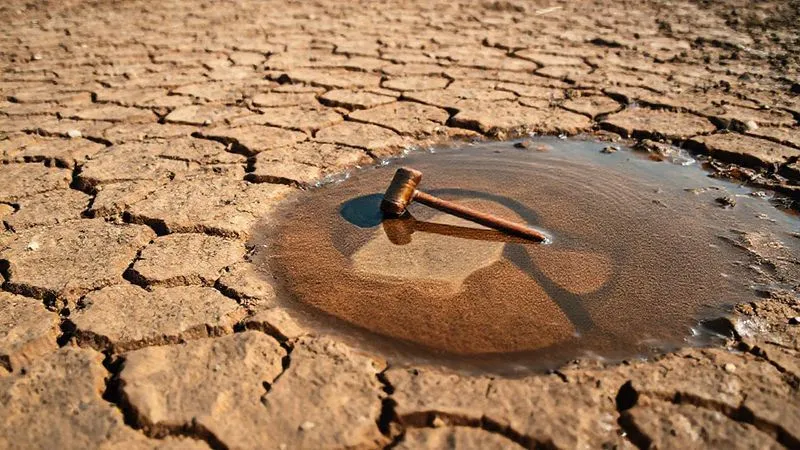
The legal risks of water rights disputes in drought areas are often visually represented by the very land itself, a stark reminder of the battles fought over every drop.
Indirect and Reputational Risks
Beyond the direct courtroom battles and financial penalties, water rights disputes in drought areas carry a host of indirect risks that can be just as damaging, if not more so, to an organization's long-term viability and public standing.
Reputational Damage and Social License to Operate
In today's interconnected world, a water dispute can quickly become a public relations nightmare. Companies or large agricultural operations perceived as 'hoarding' water or contributing to scarcity during a drought can face intense public backlash, boycotts, and negative media coverage. This can erode their social license to operate, making it difficult to expand, secure new permits, or attract talent.
Environmental, Social, and Governance (ESG) considerations are increasingly important to investors and consumers. A history of contentious water disputes can significantly impair an entity's ESG rating, affecting access to capital and market value. I've seen corporations spend years rebuilding trust after a high-profile water conflict.
Business Continuity and Investment Risks
The uncertainty surrounding water availability due to drought and potential disputes poses a significant threat to business continuity. Industries reliant on steady water supplies—from agriculture and food processing to manufacturing and energy production—face inherent operational risks. This uncertainty can deter investors, impact property values, and complicate long-term strategic planning.
Access to reliable water is a critical factor in site selection and expansion. A region plagued by frequent water rights disputes becomes less attractive for new investment, creating a negative feedback loop for economic development.
Political and Social Instability
Water scarcity can ignite intense political debates and social unrest, particularly in communities where livelihoods are directly tied to water. Disputes can pit urban users against rural farmers, environmental groups against industry, and even upstream communities against downstream neighbors. This can lead to:
- Increased lobbying for legislative changes that could redefine water rights.
- Community protests and activism targeting specific water users.
- Heightened tensions that strain social cohesion and local governance.
Case Study: How AquaCorp Navigated a Major Drought Dispute
AquaCorp, a major beverage producer, operated a facility in a western U.S. state heavily reliant on prior appropriation. During an unprecedented multi-year drought, their junior water rights were threatened with severe curtailment, jeopardizing their entire regional operation. Instead of waiting for a legal challenge, AquaCorp took a proactive, multi-pronged approach based on my firm's recommendations.
They first invested heavily in advanced water recycling and conservation technologies within their facility, reducing their net water demand by 40%. Concurrently, they initiated discussions with local agricultural users and a nearby municipality, offering to fund infrastructure upgrades that would reduce leakage in their aging systems. In exchange, AquaCorp negotiated a temporary water-sharing agreement, formalizing arrangements to access a portion of the conserved water during critical periods, subject to regulatory approval. They also commissioned a comprehensive hydrological study to demonstrate their minimal impact on the overall watershed, bolstering their position with regulators.
By demonstrating a commitment to conservation and community collaboration, AquaCorp was able to secure a modified curtailment order that allowed them to maintain essential operations, albeit at reduced capacity. They avoided costly, protracted litigation, maintained their social license, and emerged from the drought with enhanced community goodwill and a more resilient water strategy. This demonstrated the immense value of proactive engagement and creative solutions when facing the legal risks of water rights disputes in drought areas.
Proactive Strategies for Risk Mitigation
My philosophy has always been that the best defense is a good offense – or, in this context, proactive risk mitigation. Waiting for a dispute to erupt is a recipe for disaster. Here are strategies I advise clients to implement.
Comprehensive Due Diligence of Water Rights
Before any major investment or operational decision in a drought-prone area, a thorough investigation of all relevant water rights is paramount. This goes beyond simply checking your own permits.
- Historical Review: Research the history of your water rights, including original appropriations, transfers, and any past adjudications.
- Neighboring Rights Analysis: Understand the senior and junior rights of all upstream and downstream users who could impact or be impacted by your operations.
- Regulatory Landscape: Stay abreast of all local, state, and federal regulations, including drought declarations, curtailment plans, and conservation mandates.
- Physical Infrastructure Audit: Assess the efficiency and legality of your diversion and delivery systems.
As the American Bar Association often emphasizes, due diligence is the bedrock of preventing future conflicts.
Modernizing Infrastructure and Conservation Efforts
Investing in water efficiency isn't just good environmental stewardship; it's a critical legal risk mitigation strategy. Reducing your water footprint makes you a less likely target for disputes and can improve your standing with regulators and the public.
- Advanced Irrigation: For agriculture, this means drip irrigation, soil moisture sensors, and precision agriculture.
- Industrial Recycling: Implementing closed-loop systems and wastewater treatment for reuse.
- Leak Detection & Repair: For municipal and industrial systems, minimizing losses from aging infrastructure.
- Stormwater Capture: Utilizing non-traditional sources to supplement supplies.
The financial benefits of these investments often outweigh the costs, especially when considering the potential legal expenses saved. Here's a simplified comparison:
| Strategy | Initial Cost | Operational Cost (Drought) | Public Perception | Long-term Security |
|---|---|---|---|---|
| Traditional Water Use (High Demand) | Low | High (Risk of curtailment, legal fees) | Negative | Low |
| Modernized Water Use (Low Demand) | Moderate-High | Moderate (Resilient, less risk) | Positive | High |
Collaborative Solutions and Alternative Dispute Resolution (ADR)
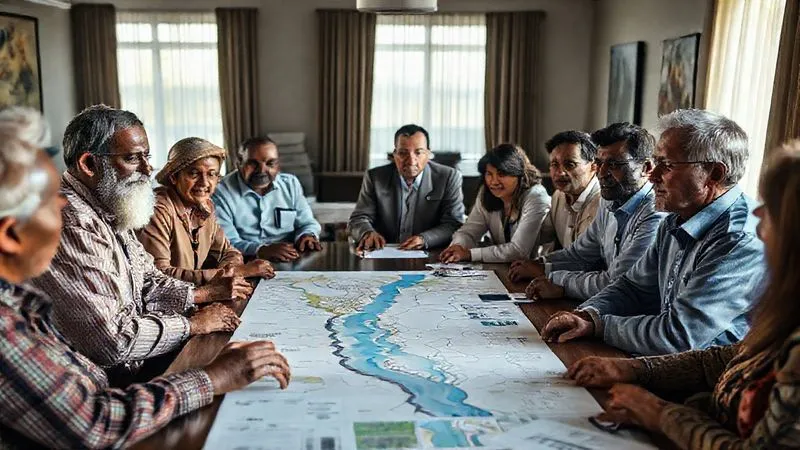
Litigation should always be a last resort. Engaging in collaborative solutions and Alternative Dispute Resolution (ADR) methods like mediation or negotiation can save time, money, and relationships. I've found that disputes resolved through consensus tend to be more durable and less likely to resurface.
- Water Banks: Creating formal or informal mechanisms for water rights holders to lease or sell water to others during drought periods.
- Cooperative Agreements: Developing agreements with neighboring users for shared infrastructure, coordinated diversions, or mutual aid during scarcity.
- Mediation: Utilizing a neutral third party to facilitate discussions and help parties reach a mutually acceptable resolution.
These approaches not only mitigate legal risks but also foster community resilience. For more on successful ADR in environmental contexts, resources like those from the U.S. Environmental Protection Agency (EPA) offer valuable insights.
The Role of Technology and Data in Water Rights Management
In the digital age, technology and data are becoming indispensable tools for managing water resources and mitigating the legal risks of water rights disputes in drought areas. They provide the objective evidence and foresight needed to make informed decisions and defend claims.
Remote Sensing and Monitoring
Satellite imagery, drones, and ground-based sensors offer unprecedented capabilities for monitoring water use, measuring stream flows, and assessing drought impacts across vast areas. This data can:
- Verify Diversions: Provide objective evidence of water withdrawal volumes and patterns.
- Assess Beneficial Use: Monitor agricultural land use and crop health to confirm beneficial use requirements.
- Track Drought Severity: Offer real-time insights into environmental conditions that influence water availability.
Data Analytics and Predictive Modeling
Sophisticated hydrological models and data analytics can forecast water availability, predict the impact of various drought scenarios, and assess the potential effects of different management strategies. This predictive power allows stakeholders to:
- Proactively Plan: Develop drought contingency plans based on data-driven forecasts.
- Optimize Allocations: Inform regulatory decisions on water curtailment and allocation.
- Strengthen Legal Arguments: Provide expert testimony and exhibits grounded in robust scientific data.
"In my experience, disputes often devolve into 'he said, she said' arguments. Data, especially from neutral, verifiable sources, cuts through the noise and provides the objective truth needed to resolve conflicts fairly and efficiently."
Blockchain for Water Rights (Emerging)
While still nascent, some jurisdictions are exploring the use of blockchain technology to create transparent, immutable records of water rights ownership and transfers. This could significantly reduce administrative burdens, enhance security, and streamline transactions, potentially minimizing the ambiguities that often fuel disputes.
Navigating Regulatory Changes and Climate Adaptation
The legal framework for water rights is not static. It's continually evolving, particularly in response to the undeniable impacts of climate change and increasing environmental awareness. Staying ahead of these changes is a critical aspect of managing the legal risks of water rights disputes in drought areas.
Evolving State and Federal Laws
Legislatures and courts are increasingly grappling with how traditional water law doctrines apply in a world of persistent drought and environmental concerns. We're seeing trends towards:
- Environmental Flow Requirements: Mandates to leave certain amounts of water in streams for ecosystem health, which can impact existing water rights.
- Groundwater Regulation: Stricter controls on groundwater pumping, especially in areas where it's connected to surface water.
- Water Conservation Mandates: New laws requiring specific efficiency measures for various water users.
For example, California's Sustainable Groundwater Management Act (SGMA) represents a significant shift towards local management with state oversight, fundamentally altering groundwater rights and usage patterns. Keeping up with such legislative shifts, often detailed by resources like the National Conference of State Legislatures (NCSL), is essential.
Climate Change Impacts on Water Policy
Climate change isn't just exacerbating droughts; it's driving a fundamental rethinking of water policy. Expect to see more focus on:
- Resilience Planning: Policies aimed at building long-term water supply resilience, including infrastructure investments and diversified water sources.
- Adaptive Management: Regulatory frameworks that can quickly adapt to changing hydrological conditions.
- Interstate and International Agreements: Increased pressure for cooperative agreements across jurisdictional boundaries to manage shared water resources.
The legal community, myself included, is actively engaged in developing new legal tools and interpretations to address these unprecedented challenges. Ignoring these macro trends is a perilous oversight.
Seeking Expert Legal Counsel: A Non-Negotiable Step
Given the intricate nature of water law, the high stakes involved, and the accelerating pace of change, attempting to navigate water rights disputes in drought areas without expert legal counsel is, in my professional opinion, a grave error. This is not a DIY project.
Early Engagement for Prevention
Engaging a seasoned environmental and water law attorney early can help you:
- Conduct Proactive Audits: Identify vulnerabilities in your water rights portfolio before they become problems.
- Develop Drought Contingency Plans: Create legally sound strategies for managing water scarcity.
- Negotiate Agreements: Draft robust water-sharing or transfer agreements that protect your interests.
Litigation Support When Necessary
If a dispute cannot be avoided, expert counsel is invaluable for:
- Strategic Advocacy: Developing a strong legal strategy tailored to your specific water rights and the applicable legal regime.
- Regulatory Navigation: Representing your interests before water boards and other regulatory bodies.
- Courtroom Representation: Providing skilled representation in complex water rights litigation.
A specialist attorney not only understands the law but also the science (hydrology, engineering) and the local context, which are all critical in these disputes. Resources like leading environmental law firms often publish insights that underscore the complexity and need for specialized expertise.
Frequently Asked Questions (FAQ)
Q: How do I know if my water rights are secure in a drought? Security is relative. Start by reviewing your official water rights documents (permits, decrees). Understand your priority date (if applicable) and the specific terms of use. Then, assess the senior rights upstream and downstream. A water rights audit by an expert is the most definitive way to gauge security, as it accounts for legal, hydrological, and regulatory factors.
Q: What's the difference between riparian and prior appropriation rights in a dispute? In a riparian dispute, the focus is on 'reasonable use' among landowners adjacent to a water body; all riparians generally share the shortage proportionally. In a prior appropriation dispute, it's about 'first in time, first in right'; junior rights holders are curtailed first, completely, before senior rights holders are affected. Droughts heighten these distinctions, making the legal regime critically important for predicting dispute outcomes.
Q: Can I lose my water rights if I don't use them during a drought? Potentially, yes, particularly under the prior appropriation doctrine. Many states have 'use it or lose it' rules (forfeiture or abandonment). If you cease beneficial use for a specified period (e.g., 3-5 years), your right can be challenged and potentially lost. Even if you can't physically use the water due to scarcity, it's crucial to document your intent and efforts to use it, or explore temporary transfer/banking options where available.
Q: What role does groundwater play in surface water disputes? Groundwater's role is increasingly significant. Many jurisdictions recognize the hydraulic connection between surface and groundwater. Pumping groundwater can reduce surface water flows, and vice versa. In drought areas, this connection means a dispute over surface water can quickly involve groundwater rights, leading to complex 'conjunctive management' issues where both sources must be managed together, often under a single legal framework.
Q: Is mediation effective for water rights disputes? Yes, mediation can be highly effective. Water rights disputes are often deeply personal and complex, involving long-standing community relationships. Mediation offers a confidential, less adversarial forum where parties can explore creative solutions that courts might not be able to order. It fosters communication, preserves relationships, and can lead to more durable, tailored agreements than traditional litigation, especially when facilitated by an experienced mediator with water law knowledge.
Key Takeaways and Final Thoughts
Navigating the legal risks of water rights disputes in drought areas is undeniably one of the most challenging aspects of natural resource law today. The confluence of diminishing supplies, complex legal doctrines, and heightened public scrutiny creates a volatile environment. However, understanding these risks is the first critical step toward effective management and protection of your interests.
- Know Your Rights (and Your Neighbors'): A thorough understanding of your specific water rights regime and the rights of others is non-negotiable.
- Prioritize Proactive Mitigation: Invest in due diligence, conservation, and collaborative solutions before disputes escalate.
- Leverage Technology and Data: Use modern tools for monitoring, analysis, and forecasting to strengthen your position.
- Stay Agile with Regulations: Be aware of evolving laws and climate adaptation policies that will shape future water management.
- Seek Expert Legal Counsel: Specialized legal advice is indispensable for both prevention and resolution.
The future of water in drought-prone regions will be defined by how effectively we adapt, innovate, and collaborate. By taking these proactive steps and engaging expert counsel, you can transform potential legal liabilities into opportunities for resilience, ensuring your access to this most vital resource for years to come. The challenges are immense, but with foresight and strategic action, they are surmountable.
Recommended Reading
- 5 Urgent Steps: How to Reduce Legal Aid Delays for Domestic Violence?
- Suing Credit Bureaus: 7 Steps After Multiple FCRA Dispute Denials
- Deepfake Liability: 6 Legal Strategies for Platform Protection
- Eviction Paused? 5 Steps When a Tenant Files Bankruptcy
- 5 Legal Pillars: Proactively Managing Campus Active Shooter Threats




Comments
Leave a comment below. Your email will not be published. Required fields marked with *