


What Constitutes a Retaliatory Eviction by Landlord? Understanding Your Rights
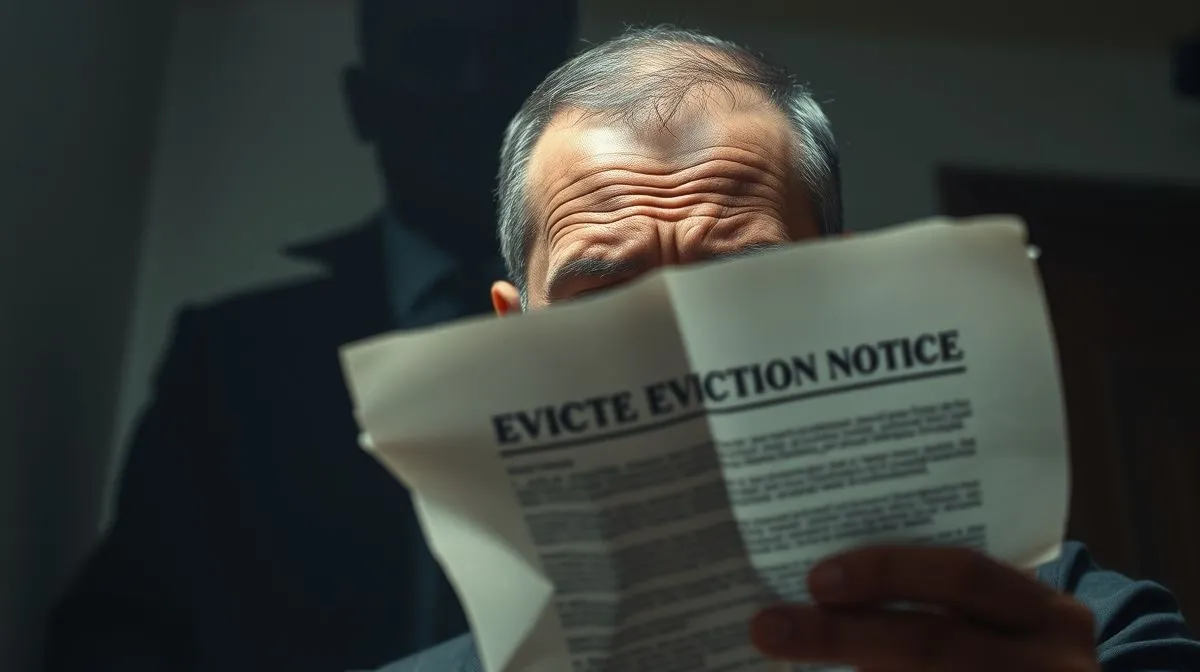
Imagine this scenario: you've lived in your apartment for years, always paid rent on time, and been a model tenant. Then, a crucial repair becomes necessary – perhaps a leaking roof or a faulty heating system. You notify your landlord, politely at first, then more assertively as the problem persists. Suddenly, out of the blue, you receive an eviction notice. Coincidence? Or is your landlord trying to remove you for exercising your tenant rights?
This unsettling situation is a fear for many renters. The power dynamic between landlords and tenants can often feel imbalanced, leaving tenants hesitant to speak up about legitimate concerns, fearing the ultimate reprisal: eviction. The core question then becomes: how can one distinguish a legitimate eviction from an act of spite or punishment?
This comprehensive guide will illuminate precisely what constitutes a retaliatory eviction by landlord, detail the legal protections available to you, and equip you with the knowledge to identify, challenge, and ultimately safeguard your tenancy. By the end of this reading, you'll be empowered to assert your rights with confidence.
The Legal Framework: Defining Retaliation in Landlord-Tenant Law
At its heart, a retaliatory eviction occurs when a landlord attempts to evict a tenant in response to the tenant exercising a legal right. Most states have laws prohibiting such actions, recognizing the need to protect tenants from unfair punishment for legitimate complaints or actions. These laws are designed to ensure that tenants can advocate for safe living conditions and fair treatment without fear of losing their homes.
Key Elements of a Retaliatory Eviction
For an eviction to be considered retaliatory, several key elements typically need to be present:
- Protected Activity: The tenant must have engaged in a legally protected activity.
- Landlord's Action: The landlord must have taken an adverse action against the tenant, such as issuing an eviction notice, raising rent excessively, or decreasing services.
- Causal Connection: There must be a clear link, or 'causal connection,' between the tenant's protected activity and the landlord's adverse action.
- Timing: The landlord's action must occur within a specific timeframe after the tenant's protected activity, often referred to as a 'presumption period.'
Protected Tenant Activities
What exactly qualifies as a 'protected activity'? These are actions tenants are legally allowed to take without fear of reprisal. Common examples include:
- Complaining to a government agency (e.g., health department, building code enforcement) about unsafe or illegal living conditions.
- Requesting necessary repairs or maintenance from the landlord.
- Joining or organizing a tenant union to advocate for collective rights.
- Exercising any other right granted by the lease agreement or by federal, state, or local landlord-tenant laws.
- Withholding rent in accordance with specific state laws (e.g., for severe, unaddressed repairs after proper notice).
- Reporting discrimination.
Understanding the Timeline: The "Rebuttable Presumption"
Many states operate under a 'rebuttable presumption' period. This means if a landlord attempts to evict a tenant within a certain timeframe (often 90 to 180 days) after the tenant engages in a protected activity, the law presumes the eviction is retaliatory. The burden then shifts to the landlord to prove that their eviction is for a legitimate, non-retaliatory reason. This is a critical legal concept for tenants to understand.
For more detailed information on specific state laws regarding landlord-tenant relations, you can consult resources like the U.S. Department of Housing and Urban Development (HUD) or your state's Attorney General's office websites.
Common Scenarios and Warning Signs of Retaliatory Eviction
Recognizing the signs of retaliatory eviction is the first step in defending yourself. Landlords rarely admit to retaliatory motives, so understanding the typical patterns can be crucial. It's often the timing and context of the eviction notice that raise red flags.
After Requesting Repairs
Perhaps the most common scenario involves tenants requesting necessary repairs. If you've formally requested your landlord to fix a broken appliance, a hazardous structural issue, or a pest infestation, and shortly thereafter receive an eviction notice, it's a strong indicator of potential retaliation. Landlords are legally obligated to maintain habitable living conditions, and an eviction following a legitimate repair request can be highly suspicious.
Following a Complaint to Authorities
If your landlord fails to address serious issues, you might escalate your concerns to local housing authorities, health departments, or building code enforcement. Should an eviction notice arrive after an inspector visits your property or your landlord receives a violation notice, it strongly suggests a retaliatory motive. This is precisely what constitutes a retaliatory eviction by landlord in many jurisdictions, as it punishes a tenant for seeking external help to enforce their rights.
Organizing or Joining a Tenant Union
Tenants have the right to organize and form unions to collectively address issues with their landlord. If you've been active in such an organization, attended meetings, or encouraged other tenants to join, and then face eviction, it's a clear sign of potential landlord retaliation. This is a fundamental right protected in many areas, and landlords cannot legally suppress it through eviction.
Exercising Other Legal Rights
Beyond repairs and organization, other protected activities can trigger retaliation. This includes refusing to pay an illegal rent increase, reporting discrimination based on protected characteristics (e.g., race, religion, family status), or even testifying against the landlord in another legal matter. Any adverse action by the landlord immediately following such a protected act warrants scrutiny.
Differentiating Retaliation from Legitimate Eviction
Not every eviction following a tenant's complaint is retaliatory. Landlords have legitimate reasons to evict tenants, such as non-payment of rent, lease violations, or the landlord's intent to move into the property or sell it. The challenge lies in distinguishing between a legitimate eviction and a retaliatory one disguised as legitimate.
Landlord's Burden of Proof
In cases where a tenant claims retaliatory eviction, especially within the presumption period, the burden often shifts to the landlord. They must prove that their reasons for eviction are entirely separate from the tenant's protected activities. This might involve demonstrating a consistent pattern of lease violations by the tenant, proof of unpaid rent, or a bona fide plan to sell the property or move into it.
Documenting Your Case
For a tenant, robust documentation is your most powerful tool. Every interaction, every complaint, every repair request should be in writing. Keep copies of:
- All correspondence with your landlord (emails, letters, text messages).
- Photos and videos of property conditions, especially before and after repair requests.
- Records of rent payments.
- Notices from housing authorities or other agencies.
- Witness statements, if applicable.
- Copies of the eviction notice and your lease agreement.
This paper trail helps establish the timeline and the causal link between your protected activity and the landlord's eviction attempt. Without solid evidence, proving a retaliatory motive can be challenging.
The Importance of a Clear Record
A consistent, clear record demonstrates that you were a responsible tenant who exercised your rights appropriately. It helps counter any claims by the landlord that the eviction was due to your own negligence or lease violations. This meticulous record-keeping is vital when your case goes before a judge or mediator, serving as concrete proof of your claims.
Your Legal Recourse: Steps to Take When Facing Retaliation
If you suspect you're facing a retaliatory eviction, it's crucial to act swiftly and strategically. Panic can lead to mistakes, so understanding the proper steps is essential for protecting your rights and challenging an unjust eviction.
Do Not Vacate Immediately
Receiving an eviction notice can be terrifying, but unless there's an immediate safety threat, do not move out. Vacating the premises can weaken your legal position and might be interpreted as an admission of fault or an acceptance of the eviction. You have the right to stay and fight the eviction in court.
Seek Legal Counsel
This is arguably the most critical step. Landlord-tenant laws are complex and vary significantly by jurisdiction. An attorney specializing in landlord-tenant law can assess your situation, advise you on the strength of your case, and guide you through the legal process. Many areas have legal aid societies or tenant rights organizations that offer free or low-cost assistance. For example, organizations like the Legal Services Corporation (LSC) fund legal aid across the United States.
Gathering Evidence
As mentioned, documentation is key. Compile all your evidence: communication records, photos, videos, witness statements, and any official notices. Organize it chronologically to present a clear narrative of events. This evidence will be vital in proving what constitutes a retaliatory eviction by landlord in your specific case.
Potential Defenses and Counterclaims
In court, you'll likely present retaliatory eviction as a defense against your landlord's eviction claim. Depending on your state's laws, you might also be able to file a counterclaim against your landlord for damages incurred due to their retaliatory actions, such as moving expenses, emotional distress, or punitive damages. Your legal counsel will advise on the best course of action.
State-Specific Laws and Variations
While the concept of retaliatory eviction is generally recognized across the United States, the specifics of the laws—including the definition of protected activities, the length of the presumption period, and available remedies—can vary significantly from state to state, and even city to city. What constitutes a retaliatory eviction by landlord in New York might have slightly different nuances than in California or Texas.
How Laws Differ Across Jurisdictions
Some states have very strong tenant protection laws, explicitly outlining retaliatory acts and providing robust remedies. Others might have more limited statutes or rely more on common law principles. For instance, some states might only protect specific activities like reporting code violations, while others offer broader protections for any exercise of legal rights. Rent control cities, for example, often have additional layers of tenant protection that impact eviction proceedings.
Resources for Local Information
It is imperative to research the specific landlord-tenant laws in your city and state. Reliable sources include:
- Your state's Attorney General's office website.
- Local housing authorities or departments.
- Non-profit tenant advocacy groups in your area.
- University legal clinics or law school resources.
Consulting these local resources will ensure you have the most accurate and up-to-date information relevant to your specific situation. A quick search for '[Your State] tenant rights' or '[Your City] landlord-tenant law' can yield valuable starting points.
The Burden of Proof: Who Needs to Prove What?
Understanding the concept of the burden of proof is crucial when navigating a retaliatory eviction claim. In a typical eviction case, the landlord bears the initial burden of proving that the tenant violated the lease or failed to pay rent. However, when a tenant raises the defense of retaliation, this dynamic can shift.
Establishing a Prima Facie Case for Retaliation
Initially, the tenant must present enough evidence to establish a 'prima facie' case of retaliation. This means showing that they engaged in a protected activity and that the landlord's adverse action occurred within a suspicious timeframe, creating a reasonable inference of retaliatory intent. As previously discussed, this is often aided by a statutory 'rebuttable presumption' period.
Landlord's Rebuttal
Once the tenant establishes this initial case, the burden shifts to the landlord. The landlord must then provide a legitimate, non-retaliatory reason for the eviction. This reason must be credible and independent of the tenant's protected activity. For example, if the tenant complained about a leaky faucet, but the landlord can prove the tenant consistently paid rent late for six months prior to the complaint, the landlord might argue the eviction is for non-payment, not retaliation.
Tenant's Final Argument
If the landlord offers a non-retaliatory reason, the burden may shift back to the tenant to prove that the landlord's stated reason is merely a pretext for retaliation. This involves demonstrating that the landlord's reason is false or that the true motivation is indeed retaliatory. This phase often relies heavily on the strength of the tenant's documentation and the consistency of their narrative.
Preventing Retaliation: Proactive Measures for Tenants
While you can't always prevent a landlord from attempting retaliation, you can take proactive steps to strengthen your position and make it harder for them to succeed. Diligence and foresight are your best allies.
Communicating in Writing
Always, always put your communications with your landlord in writing. Whether it's a repair request, a complaint, or any other important issue, use email, certified mail, or a platform that creates a digital record. This creates an undeniable paper trail that can be invaluable if you need to prove the timeline of events in court. Avoid verbal agreements or complaints that cannot be verified.
Knowing Your Lease Agreement
Read your lease agreement thoroughly before signing and keep a copy. Understand your rights and responsibilities, as well as the landlord's. Being aware of the terms helps you identify potential violations by either party and ensures you're following your obligations, making it harder for a landlord to claim a legitimate cause for eviction.
Building a Relationship with Your Landlord (When Possible)
While not always feasible, maintaining a professional and respectful relationship with your landlord can sometimes prevent disputes from escalating. Clear, calm communication, even when addressing issues, can foster an environment where problems are resolved without resorting to extreme measures. However, never compromise your legal rights for the sake of a 'good relationship.'
Documenting Property Condition
Before moving in, conduct a thorough move-in inspection and document the property's condition with photos and videos. This protects you from claims of property damage that could be fabricated as a reason for eviction. Regularly update these records if new issues arise.
Frequently Asked Questions (FAQ)
Is retaliatory eviction illegal everywhere? Most states in the U.S. have laws prohibiting retaliatory evictions, though the specifics of these laws can vary. It's crucial to check your local and state landlord-tenant statutes.
How long does a landlord have to wait after a complaint to evict? Many states have a 'rebuttable presumption' period, typically ranging from 90 to 180 days, during which an eviction following a protected tenant activity is presumed retaliatory. Outside this period, proving retaliation can be more challenging but is still possible.
Can I sue my landlord for retaliatory eviction? Yes, in many jurisdictions, if you successfully prove retaliatory eviction, you may be able to sue your landlord for damages. This can include actual damages (like moving costs), emotional distress, and sometimes punitive damages designed to punish the landlord for their illegal actions.
What evidence do I need to prove retaliation? You'll need a clear timeline of events, including proof of your protected activity (e.g., copies of repair requests, complaints to authorities), records of the landlord's adverse action (e.g., eviction notice), and any other documentation that shows a causal link, such as emails, texts, or witness statements.
What if my landlord claims I violated the lease? If your landlord claims a legitimate lease violation, you must be prepared to show that the alleged violation is false, exaggerated, or that the true motivation is retaliation. This often involves demonstrating that the 'violation' only became an issue after your protected activity, or that the landlord's claim is merely a pretext.
Recommended Reading
- Joint Venture Termination: Know Your Rights!
- Decoding Recent US Immigration Policy Changes: A Comprehensive Guide
- Unveiling the Shield: What Legal Frameworks Protect Critical Ecological Habitats?
- Win Child Custody as a Father: Proven Strategies for Success
- Unveiling the Truth: When Can an Employer Deny FMLA Leave Eligibility?
Conclusion
Understanding what constitutes a retaliatory eviction by landlord is more than just legal knowledge; it's a vital tool for empowering yourself as a tenant. You have fundamental rights to a safe, habitable home and the freedom to advocate for yourself without fear of unjust reprisal. By recognizing the signs of retaliation, meticulously documenting every interaction, and seeking legal counsel, you can build a strong defense against such unlawful actions. Remember, your home is your sanctuary, and knowing your rights is the first step in protecting it from those who would seek to exploit the power dynamic. Be informed, be prepared, and stand firm in advocating for your tenancy.





Comments
Leave a comment below. Your email will not be published. Required fields marked with *