


What Consumer Rights Do I Have for Faulty Home Repairs?
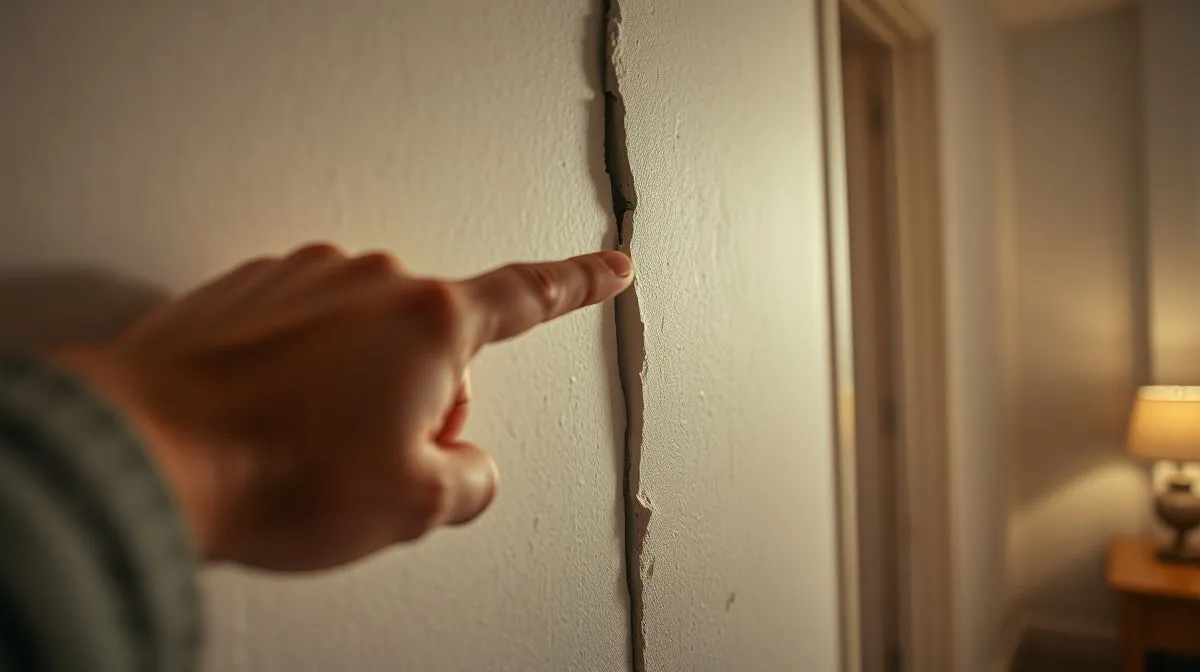
Imagine this: You’ve invested hard-earned money and precious time into a home repair project, dreaming of a refreshed space. The work is done, the contractor is paid, and then, a few weeks later, cracks appear, leaks begin, or the fix simply doesn't hold. A sinking feeling washes over you. You're left wondering, what recourse do I have? Is there anything I can do, or am I just out of luck?
This scenario is, unfortunately, far too common. Home repairs, from a leaky roof to a faulty electrical system, are often significant investments. When the work falls short of acceptable standards, it’s not just an inconvenience; it can be a financial drain and a source of immense stress. The problem isn't just the physical defect, but the confusion and frustration about how to address it.
The good news is that as a consumer, you are not powerless. This comprehensive guide will illuminate your consumer rights for faulty home repairs, detailing the steps you can take, the legal avenues available, and how to effectively assert your right to quality workmanship. By the end of this reading, you will be equipped with the knowledge to navigate these challenging situations with confidence and clarity.
Understanding Your Core Consumer Rights for Faulty Home Repairs
When you hire a contractor for home repairs, you enter into a contract, whether written or verbal. This contract, along with consumer protection laws, forms the basis of your rights. Understanding these foundational rights is the first step in addressing any issues with faulty work.
The Implied Warranty of Workmanship
Even if your contract doesn't explicitly state it, there's often an implied warranty of workmanship. This means that the work performed must be done in a skillful, professional, and workmanlike manner, using appropriate materials, and fit for its intended purpose. It's a fundamental expectation that a professional will deliver a reasonable standard of quality.
- Skillful Execution: The contractor must possess and apply the necessary skills for the job.
- Professional Standard: The work should meet industry standards and practices.
- Fit for Purpose: The repair should effectively solve the problem it was intended to address.
Contractual Rights and Agreements
A well-drafted contract is your best friend. It should clearly outline the scope of work, materials to be used, timelines, payment schedules, and any explicit warranties. If the contractor fails to adhere to these agreed-upon terms, they are in breach of contract. Always insist on a written contract, no matter how small the job.
- Scope of Work: Does the finished job match what was agreed upon?
- Material Quality: Were the specified materials used, and are they up to standard?
- Timelines: Was the work completed within the agreed timeframe, or was there unreasonable delay?
Identifying 'Faulty' Work: What Qualifies?
Before you can assert your rights, you need to be clear about what constitutes 'faulty' work. It's not just about your subjective dissatisfaction; there are objective criteria that define substandard work.
Substandard Materials
If the contractor used materials that are of lower quality than specified, or materials that are inherently unsuitable for the job, that constitutes faulty work. This can lead to premature failure of the repair.
Poor Workmanship
This is perhaps the most common issue. Poor workmanship includes sloppy installation, incorrect techniques, failure to follow building codes, or a general lack of care that results in a repair that doesn't function correctly or looks unprofessional. For instance, a leaky pipe after a plumbing repair clearly indicates poor workmanship.
Failure to Complete Work or Adhere to Specifications
Sometimes, the issue isn't just about quality but completeness. If the contractor abandoned the job, failed to finish specific tasks outlined in the contract, or deviated significantly from the agreed-upon design or specifications without your consent, this also falls under faulty performance.
The Critical First Steps: Documenting the Problem
Effective documentation is paramount when dealing with faulty home repairs. It provides undeniable evidence and strengthens your position should you need to escalate the issue. Do not skip this step!
Gathering Evidence (Photos, Videos)
As soon as you notice a problem, begin documenting it meticulously. Take clear, well-lit photographs and videos of the faulty work from multiple angles. Include close-ups of specific defects and wider shots to show the overall context. Date and time-stamp your media if possible.
Keeping Meticulous Records
Organize all related paperwork. This includes your contract, invoices, receipts for payments, email correspondence, text messages, and any notes from phone calls or in-person discussions. Create a dedicated folder for this project and keep everything together. This paper trail is vital for demonstrating your interactions and agreements with the contractor.
Communicating Effectively with Your Contractor
Before taking drastic action, always attempt to resolve the issue directly with your contractor. A professional and calm approach can often lead to a quicker resolution.
Formal Written Notice
Once you've documented the problem, draft a formal letter or email to the contractor. Clearly describe the defects, reference specific clauses in your contract (if applicable), and state your desired resolution (e.g., repair the work, partial refund). Provide a reasonable deadline for their response or for the work to be redone. Send this communication via a method that provides proof of delivery, such as certified mail or email with a read receipt. This creates an official record of your attempt to resolve the issue.
Setting Clear Expectations and Deadlines
In your communication, be precise about what you expect. If you want them to fix the issue, specify exactly what needs to be done. If you're seeking a refund, state the amount and the reason. Give them a firm, but reasonable, deadline (e.g., 7-14 days) to respond or rectify the problem. Follow up if they miss the deadline.
When Negotiation Fails: Exploring Resolution Avenues
If your direct attempts to resolve the issue with the contractor are unsuccessful, it's time to explore other avenues for recourse. There are several options available, depending on the severity of the problem and the amount of money involved.
Mediation and Arbitration
Some contracts include clauses for mediation or arbitration, which are alternative dispute resolution methods. In mediation, a neutral third party helps both sides reach a mutually agreeable solution. In arbitration, a neutral third party hears both sides and makes a binding decision. These can be less costly and time-consuming than traditional litigation.
Consumer Protection Agencies
Many jurisdictions have consumer protection agencies or departments that can assist with disputes. These bodies often offer free advice, mediate disputes, or investigate complaints against businesses. For instance, in the United States, the Federal Trade Commission (FTC) provides resources for consumers, and state Attorney General offices often handle consumer complaints. Similarly, in the UK, Citizens Advice offers guidance on consumer rights.
Small Claims Court vs. Legal Action
For disputes involving smaller amounts of money (limits vary by jurisdiction, often up to $5,000-$10,000), small claims court can be an accessible option. You typically don't need a lawyer, and the process is designed to be relatively straightforward. For larger, more complex disputes, or if you've suffered significant damages, consulting with a lawyer specializing in contract law or consumer law may be necessary. A lawyer can advise you on the strength of your case and guide you through the litigation process.
Key Legislation Protecting Homeowners
Your consumer rights for faulty home repairs are often underpinned by specific legislation designed to protect consumers from unfair business practices and shoddy work. Understanding these laws can empower you to pursue your claims effectively.
Consumer Rights Act (UK Example) or Similar Legislation
In the UK, the Consumer Rights Act 2015 states that services must be performed with reasonable care and skill, and materials used must be of satisfactory quality. If these conditions are not met, consumers have the right to request the service to be redone or to receive a price reduction. Similar legislation exists in other countries, such as general consumer protection acts in the U.S. or Canada, which ensure services are provided with due care and skill.
State-Specific Contractor Licensing Boards
Many states and provinces have licensing boards for contractors. These boards often have complaint processes and can investigate allegations of poor workmanship or unethical conduct. Filing a complaint with a licensing board can sometimes lead to disciplinary action against the contractor, which may encourage them to resolve your issue to avoid further penalties or loss of their license. This is particularly relevant for major home improvement projects.
Preventative Measures: Hiring Wisely to Avoid Future Headaches
While knowing your rights is crucial for remediation, prevention is always better than cure. Taking proactive steps when hiring a contractor can significantly reduce your chances of encountering faulty home repairs in the first place.
Due Diligence and Background Checks
Before hiring any contractor, perform thorough due diligence. Get multiple quotes, check references, and verify their licensing and insurance. Look up online reviews, but also ask for direct contacts of previous clients. A reputable contractor will be transparent and happy to provide this information. Be wary of unusually low bids or contractors who demand full payment upfront.
Comprehensive Contracts and Warranties
Always insist on a detailed, written contract that specifies every aspect of the job. This includes the exact scope of work, a detailed list of materials (including brands and specifications), a payment schedule tied to completion milestones, and a clear timeline. Crucially, ensure the contract includes a warranty for the workmanship and materials. A good warranty provides peace of mind and a clear path if issues arise after completion. Discuss what your consumer rights do I have for faulty home repairs with the contractor before signing, ensuring they stand by their work.
Frequently Asked Questions (FAQ)
What is the first thing I should do if I discover faulty home repairs? The very first step is to thoroughly document the problem with photos and videos, and gather all relevant paperwork like contracts and invoices.
How long do I have to report faulty work? This depends on the specific laws in your area and any contractual warranties. Generally, you should report it as soon as possible after discovery. Many implied warranties have a 'reasonable time' clause, and statutes of limitations for breach of contract can range from a few years.
Can I withhold payment if the work is faulty? This is a complex issue and can be risky. Withholding payment might put you in breach of contract. It's generally advisable to pay for satisfactory work and then pursue remedies for the faulty portion, or to negotiate a holdback with the contractor based on a clear, written agreement for repairs. Always seek legal advice before withholding payment.
What if the contractor refuses to fix the problem or respond? If direct communication fails, you can escalate the issue by filing a complaint with a consumer protection agency, a contractor licensing board, or pursuing legal action in small claims court or through a lawyer, depending on the severity.
Is it worth taking a contractor to small claims court for minor issues? For minor issues, small claims court can be a cost-effective option, as you typically don't need a lawyer. However, consider the time and effort involved versus the cost of fixing the issue yourself. For significant problems, it's definitely worth exploring.
Recommended Reading
- Act Now: Ultimate Guide to Recovering Money Lost to Consumer Fraud
- Unraveling the Enigma: What are the Challenges Enforcing International Court Rulings?
- Unlock Justice: Your Ultimate Guide to Filing an Environmental Lawsuit
- Marine Insurance: What Damage is Covered? The Ultimate Guide
- Mastering CVC: How to Legally Structure a Corporate Venture Capital Fund
Conclusion
Facing faulty home repairs can be incredibly frustrating, but knowing your consumer rights for faulty home repairs empowers you to take effective action. From documenting the defects and engaging in clear communication with your contractor to leveraging consumer protection agencies and, if necessary, legal avenues, you have a range of options. Remember, your foundational rights include the expectation of professional workmanship and adherence to contractual agreements. By being informed and proactive, you can navigate these challenges, hold contractors accountable, and ensure your home improvements truly enhance your living space. Don't let shoddy work diminish your investment; stand up for your rights and seek the quality you deserve.





Comments
Leave a comment below. Your email will not be published. Required fields marked with *