



What if pre-bankruptcy credit counseling certificate expires?
For over 15 years in bankruptcy law, I’ve witnessed countless individuals navigate the complex waters of debt relief. One of the most common, yet easily avoidable, pitfalls I see clients stumble into involves the pre-bankruptcy credit counseling certificate – specifically, its expiration. It’s a moment of sheer panic for many, realizing a crucial piece of their bankruptcy puzzle is no longer valid, threatening to derail their entire filing.
The problem is often twofold: a misunderstanding of the strict 180-day validity period and the sheer overwhelm of dealing with financial distress. You complete the counseling, get the certificate, and then life happens. Delays in gathering documents, legal consultations, or simply the emotional toll of bankruptcy can push you past that critical deadline, leaving you wondering if your efforts were in vain.
But here’s the good news: an expired certificate, while a significant hurdle, is not necessarily a death knell for your bankruptcy case. In this definitive guide, I’ll walk you through the precise steps to take if your pre-bankruptcy credit counseling certificate expires. We’ll cover the legal implications, actionable solutions, real-world scenarios, and expert strategies to ensure your path to a fresh start remains clear and unimpeded.
Understanding the 180-Day Rule for Credit Counseling Certificates
The requirement for pre-bankruptcy credit counseling stems from the Bankruptcy Abuse Prevention and Consumer Protection Act of 2005 (BAPCPA). This legislation mandates that most individual debtors must complete an approved credit counseling course within 180 days before filing their bankruptcy petition. This isn't just a bureaucratic hoop; it's intended to ensure debtors explore all possible alternatives to bankruptcy and understand the financial implications of their decision.
The 180-day clock starts ticking the moment you complete your counseling course and receive your certificate. If your bankruptcy petition is not filed with the court within that 180-day window, your certificate becomes invalid. It’s a hard deadline, with very few exceptions, and one that often catches debtors off guard amidst the myriad other preparations for filing.
Expert Insight: "The 180-day rule isn't flexible. Think of it as a use-by date on a perishable item. Once expired, it no longer serves its intended legal purpose for that filing, and a fresh certificate is almost always required."
Why the Deadline Matters: Consequences of Non-Compliance
Failing to file your bankruptcy petition with a valid pre-bankruptcy credit counseling certificate can have severe repercussions. The court takes this requirement seriously, as it's a statutory prerequisite for obtaining a bankruptcy discharge.
- Case Dismissal: The most immediate and common consequence is the dismissal of your bankruptcy case. If your petition is filed without a valid certificate, the court will typically issue an order to show cause, giving you a short window to rectify the issue. Failure to do so will result in dismissal without discharge.
- Filing Delays: Even if dismissal is avoided, discovering an expired certificate inevitably leads to delays. You'll need to re-take the course, obtain a new certificate, and potentially file motions with the court, all of which consume valuable time.
- Wasted Fees and Effort: The initial filing fees, attorney fees, and the emotional energy expended on preparing your bankruptcy could be partially or entirely wasted if your case is dismissed due to this oversight.
- Loss of Automatic Stay Protection: If your case is dismissed, the automatic stay, which protects you from collection activities, will be lifted. This means creditors can resume phone calls, lawsuits, and repossessions, potentially putting you back in a precarious financial position.
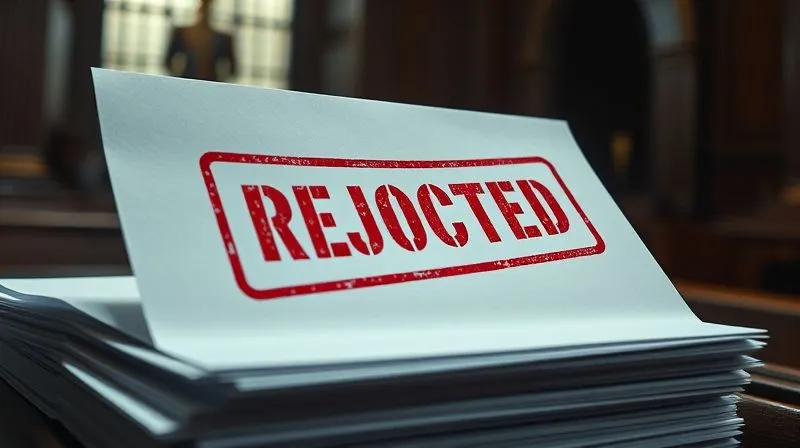
Immediate Steps When You Discover an Expired Certificate
Discovering that your pre-bankruptcy credit counseling certificate has expired can feel like a punch to the gut. The first, and most crucial, step is to remain calm. Panicking will only cloud your judgment. Instead, focus on these immediate, actionable steps.
Step 1: Don't Panic, Assess the Situation
- Confirm Expiration Date: Double-check the date on your certificate. Sometimes, the expiration might be closer than you think, or you might have miscalculated.
- Identify the Cause of Delay: Understand why your filing was delayed. Was it an attorney issue, personal circumstances, or a misunderstanding of the timeline? This information can be crucial if your attorney needs to argue for an extension.
- Gather All Relevant Documents: Have your original certificate, any correspondence with your attorney, and a timeline of events ready.
Step 2: Contact Your Attorney Immediately
This is not a situation to try and resolve on your own. Your bankruptcy attorney is your most valuable resource here. They are familiar with local court rules and judges' tendencies, which can vary significantly by jurisdiction.
- Inform Them Promptly: As soon as you realize the certificate is expired, call or email your attorney. Do not delay, as time is of the essence.
- Discuss Options: Your attorney will advise you on the best course of action. This will likely involve re-taking the course, but they may also explore filing a motion with the court under specific circumstances.
- Follow Their Guidance: Trust their expertise. They will guide you through the process, whether it's simply re-taking the course or navigating a more complex court procedure.

Re-taking the Credit Counseling Course: What You Need to Know
In most instances, the simplest and most straightforward solution to an expired pre-bankruptcy credit counseling certificate is to re-take the course. While it might feel like an unwelcome repetition, it's often the quickest way to get your bankruptcy filing back on track without unnecessary legal complications or expenses.
Choosing an Approved Agency (Again)
Just as with your initial counseling, you must use an agency approved by the U.S. Trustee Program. The list of approved agencies is readily available online and is regularly updated. It's crucial to select an agency from this official list, as certificates from unapproved providers will not be accepted by the court.
You can find the official list of approved agencies on the U.S. Department of Justice's website for the U.S. Trustee Program. Your attorney can also provide recommendations for agencies they frequently work with, which can streamline the process.
Expediting the Process: Tips for a Quick Re-certification
When time is critical, you want to complete the re-counseling as efficiently as possible. Here are some tips:
- Online Courses: Many approved agencies offer online courses that can be completed at your own pace, often within an hour or two. This is usually the fastest option.
- Phone Counseling: Some agencies provide counseling over the phone, which can also be convenient if you prefer a live interaction or have limited internet access.
- Communicate Urgency: When you enroll, inform the agency that you need your certificate quickly for an impending bankruptcy filing. They may be able to prioritize sending your certificate.
- Digital Certificates: Request a digital copy of your certificate (PDF) to be emailed to you immediately upon completion. This avoids postal delays.
Navigating Court Filings with an Expired Certificate: Potential Hurdles
While re-taking the course is the primary solution, there are scenarios where your attorney might need to engage with the court regarding the expired certificate. This typically happens if you realize the certificate has expired after your bankruptcy petition has already been filed, or if there were truly exceptional circumstances preventing you from filing on time.
Motion to Extend Time or Waive Requirement
In rare circumstances, your attorney may be able to file a motion with the bankruptcy court to either extend the time to file the certificate or, even more rarely, to waive the requirement altogether. These motions are not granted lightly and require compelling arguments and evidence.
- Motion to Extend Time: This is more common. Your attorney would argue that there was "excusable neglect" for the delay in filing the certificate. This could involve unforeseen medical emergencies, military deployment, or other truly unavoidable circumstances that prevented a timely filing. The court would then grant you a specific, short period to complete and file a new certificate.
- Motion to Waive: This is exceedingly rare and typically reserved for debtors who are incapacitated (e.g., due to severe mental or physical disability) or who reside in a district where approved counseling agencies are unavailable. The bar for a waiver is extremely high, as the court generally views the counseling as a non-negotiable prerequisite.
Your attorney will evaluate the specifics of your situation to determine if such a motion has any chance of success. It's critical to be honest and thorough with them about the reasons for the delay.
| Scenario | Recommended Action | Likely Outcome | Potential Cost/Delay |
|---|---|---|---|
| Certificate expired, petition NOT filed | Re-take counseling immediately | Smooth filing with new certificate | Minimal, cost of new course |
| Certificate expired, petition ALREADY filed | Re-take counseling, file new certificate, possibly motion to extend | Case proceeds after compliance | Moderate, new course, attorney fees for motion |
| Exceptional Circumstances (e.g., incapacity) | Attorney files motion to waive/extend | Highly dependent on court's discretion | High, significant attorney fees for motion |
Case Study: How Sarah Salvaged Her Chapter 7 Filing After Expiration
Case Study: How Sarah Salvaged Her Chapter 7 Filing After Expiration
Sarah, a single mother struggling with overwhelming medical debt, completed her pre-bankruptcy credit counseling in May. Her attorney was working diligently to prepare her Chapter 7 petition, but a sudden, severe illness in her family led to a two-month hospitalization. During this stressful period, Sarah understandably lost track of the 180-day deadline. By the time she was able to focus on her bankruptcy again, it was December, and her certificate had expired.
Panicked, Sarah immediately contacted her attorney. Her attorney, understanding the exceptional circumstances, advised her to re-take the credit counseling course online, which she completed within a day. Simultaneously, her attorney prepared a "Motion to Extend Time to File Credit Counseling Certificate," detailing Sarah's family emergency and attaching medical records as evidence of her inability to proceed with the filing. The attorney argued that this was a clear case of excusable neglect.
The court, recognizing the legitimate and unforeseen hardship, granted the motion, allowing Sarah to file her newly obtained certificate. While the process added a few weeks and some additional legal fees for the motion, Sarah’s Chapter 7 case ultimately proceeded, and she received her discharge. This case highlights that while re-counseling is almost always necessary, a well-reasoned motion can mitigate the impact of an expired certificate under specific, dire circumstances.
Key Takeaway from Sarah's Case: "Even in the face of unexpected life events, proactive communication with your attorney and a swift response to an expired certificate can often prevent a complete derailment of your bankruptcy case."

The Importance of Timely Debtor Education (Second Course)
It's crucial to distinguish between the pre-bankruptcy credit counseling certificate and the post-bankruptcy debtor education course. While both are mandatory for most individual debtors, they serve different purposes and have separate deadlines. The pre-bankruptcy counseling helps you explore alternatives; the post-bankruptcy debtor education teaches you financial management skills for your fresh start.
Understanding the Post-Filing Requirement
After your bankruptcy petition is filed, you are required to complete a second course, often called the "debtor education" or "financial management" course. This course must also be taken from an agency approved by the U.S. Trustee Program. For Chapter 7 cases, this certificate must be filed with the court within 60 days of the date set for the first meeting of creditors (the 341 meeting). For Chapter 13 cases, it must be filed before the last payment is made under your plan or before you receive a discharge.
Consequences of Delaying Debtor Education
Just like the pre-filing certificate, there are severe consequences for failing to file your debtor education certificate on time:
- No Discharge: The most significant consequence is that you will not receive a discharge of your debts. Your bankruptcy case will be closed without granting you the relief you sought.
- Case Reopening: To rectify this, you would need to file a motion to reopen your bankruptcy case, complete the course, and file the certificate. This involves additional court fees and attorney fees.
My advice is to complete both courses as early as possible within their respective deadlines to avoid any last-minute complications. Think of them as two separate but equally important checkpoints on your journey to financial recovery. For more detailed information, I always recommend consulting the U.S. Courts' official bankruptcy basics.
Proactive Strategies to Avoid Certificate Expiration
Prevention is always better than cure, especially in bankruptcy proceedings where time and money are precious. Drawing from my experience, here are proactive strategies to ensure your pre-bankruptcy credit counseling certificate, and indeed your entire bankruptcy process, stays on track.
Set Multiple Reminders
Do not rely on a single mental note. As soon as you complete your credit counseling, mark the 180-day expiration date prominently on multiple calendars and digital reminders.
- Digital Calendar Alerts: Use Google Calendar, Outlook, or your phone's calendar to set alerts 30 days, 14 days, and 7 days before the expiration date.
- Physical Calendar: Write it down on a physical calendar you check daily.
- Attorney's Office Reminders: While your attorney's office will likely have their own tracking system, a gentle reminder from you can reinforce the urgency.
Maintain Clear Communication with Your Legal Team
Your attorney is your partner in this process. Keep them informed of any changes in your situation that might affect the timeline of your filing. If you anticipate delays in providing documents or have personal circumstances that could impact your ability to file, communicate these concerns early.
A good attorney-client relationship thrives on open and honest communication. Don't be afraid to ask questions about deadlines or express concerns about the process. This collaborative approach minimizes surprises and ensures everyone is on the same page.
Understand Both Certificates' Validity Periods
As we've discussed, there are two distinct certificates. Be clear on the validity period for the pre-filing credit counseling (180 days before filing) and the deadline for the post-filing debtor education (typically 60 days after the 341 meeting for Chapter 7). Misunderstanding these separate requirements is a common source of error.
It's also wise to keep physical and digital copies of both certificates in a secure, easily accessible location. This ensures you can quickly retrieve them if needed by your attorney or the court.
| Action Item | Deadline | Status | Reminder Set |
|---|---|---|---|
| Complete Credit Counseling | 180 days BEFORE filing | Done/Pending | Yes/No |
| File Bankruptcy Petition | Within 180 days of counseling | Done/Pending | N/A |
| Complete Debtor Education | 60 days AFTER 341 meeting (Ch. 7) | Done/Pending | Yes/No |
| File Debtor Education Certificate | Before discharge (Ch. 13); 60 days after 341 (Ch. 7) | Done/Pending | Yes/No |
Frequently Asked Questions (FAQ)
Q: Can I use an expired credit counseling certificate if I refile for bankruptcy? No, unfortunately, an expired certificate is invalid for any bankruptcy filing, whether it's your first time or a refiling. Each new bankruptcy petition requires a credit counseling certificate obtained within 180 days immediately preceding that specific filing. You will need to complete the counseling again.
Q: What if my attorney didn't inform me about the 180-day deadline, and my certificate expired? While attorneys have a professional responsibility to inform clients of critical deadlines, the ultimate responsibility for compliance often rests with the debtor. However, if there's clear evidence of attorney negligence, you might have grounds for a professional complaint or claim, but this is a separate issue from your bankruptcy case. Your immediate focus should be on re-taking the course to proceed with your bankruptcy. Always keep meticulous records of communications with your attorney.
Q: Is there any grace period for an expired pre-bankruptcy credit counseling certificate? Generally, no. The 180-day rule is quite rigid. While a bankruptcy judge has some discretion in extreme circumstances (e.g., severe incapacity), there is no automatic grace period. The safest and most common approach is to re-take the counseling if the certificate has expired.
Q: How quickly can I re-take the credit counseling course if mine has expired? Most approved credit counseling agencies offer online courses that can be completed in approximately 60-90 minutes. Upon completion, you can often receive your certificate via email almost immediately, or within 24 hours. This makes re-taking the course a relatively quick fix.
Q: What's the cost of re-taking the credit counseling course? The cost for credit counseling typically ranges from $25 to $50. If you are unable to afford the fee, most approved agencies offer services at a reduced rate or even free of charge if you can demonstrate an inability to pay. Don't let the cost deter you from re-taking the course if needed; explore fee waiver options.
Key Takeaways and Final Thoughts
Navigating bankruptcy is a journey fraught with deadlines and specific requirements, and the pre-bankruptcy credit counseling certificate's 180-day validity period is one of the most critical. While discovering an expired certificate can be alarming, it is rarely an insurmountable obstacle to achieving your financial fresh start.
- Act Swiftly: The moment you realize your certificate has expired, contact your bankruptcy attorney immediately.
- Re-take the Course: In most cases, the quickest and most straightforward solution is to re-take the credit counseling course from an approved agency.
- Communicate: Maintain open and honest communication with your legal team about any circumstances affecting your filing timeline.
- Proactive Management: Utilize reminders and understand both the pre-filing credit counseling and post-filing debtor education requirements to prevent future issues.
Remember, the goal of bankruptcy is to provide you with a second chance. An expired certificate is a speed bump, not a roadblock. With the right information, a proactive approach, and the guidance of an experienced bankruptcy attorney, you can overcome this challenge and continue on your path to financial recovery. Your fresh start awaits – ensure you meet all the necessary requirements to claim it.
Recommended Reading
- Minimize Ballast Water Fines: 7 Strategies to Cut Legal Penalties
- Can New Voting Laws Constitutionally Limit Corporate Action? An Expert Analysis
- 6 Essential Legal Steps: What to Do When Player Agent Misconduct Occurs
- 7 Proven Strategies: Secure Funding for Complex Legal Aid Family Cases
- License Revocation Threat? 7 Steps to Protect Your Professional Future



Comments
Leave a comment below. Your email will not be published. Required fields marked with *