



What legal steps to take after a student data breach occurs?
I've spent over two decades navigating the complex currents of education law, and if there's one area that keeps me up at night, it's student data privacy. The digital transformation in education, while transformative, has unfortunately opened new vulnerabilities, making student data breaches an increasingly common and terrifying reality.
A student data breach isn't just an IT problem; it's a catastrophic legal, ethical, and reputational crisis that can erode trust, invite regulatory scrutiny, and inflict lasting harm on students and their families. The stakes couldn't be higher, and the path to recovery is fraught with legal complexities.
In this definitive guide, I'll walk you through the essential legal steps schools must take after a student data breach occurs, drawing from real-world scenarios, regulatory mandates like FERPA, and my extensive experience. My goal is to equip you not just with facts, but with actionable frameworks, expert insights, and a clear understanding of your obligations to not only mitigate immediate damage but also to build a resilient, compliant response framework.
1. Immediate Containment: Stopping the Bleed and Securing the Scene
The moment you suspect or confirm a student data breach, your absolute first priority is to contain it. Think of it like a medical emergency: you stop the bleeding before you assess the full extent of the injury. Delay here can exponentially worsen the damage, both legally and practically.
Activating Your Incident Response Plan
Every educational institution, regardless of size, must have a robust incident response plan (IRP) specifically tailored for data breaches. If you don't have one, or if it's outdated, this incident will highlight its critical absence. Your IRP should clearly outline roles, responsibilities, and immediate technical and administrative actions.
- Isolate Affected Systems: Immediately disconnect compromised systems or networks to prevent further unauthorized access or data exfiltration. This might mean taking servers offline or segmenting network access.
- Preserve Evidence: While containing, it's crucial not to destroy forensic evidence. This often requires making forensic copies of affected systems before making changes. Your IT team, or an external forensic expert, should handle this meticulously.
- Initial Assessment: Conduct a rapid, preliminary assessment to understand the scope. What data might have been accessed? How many students are potentially affected? What is the nature of the breach (e.g., ransomware, unauthorized access, insider threat)?
- Secure Vulnerabilities: Patch any identified security gaps that allowed the breach to occur. This could involve updating software, reconfiguring firewalls, or revoking compromised credentials.
I've seen institutions delay these critical first steps, often out of panic or a misguided attempt to 'fix' things without proper protocol. This invariably complicates the legal aftermath, making it harder to determine culpability, notify accurately, and defend against potential litigation. Remember, every minute counts.

2. The Crucial First Call: Engaging Legal Counsel
After initial containment, the very next step is to engage legal counsel specializing in data privacy and education law. This isn't a step you can afford to delay or delegate to internal staff alone, even if you have in-house counsel. The complexities of student data breach law demand specialized expertise.
Why External Counsel is Vital
Bringing in external legal counsel early establishes attorney-client privilege over your breach investigation and response efforts. This is paramount for protecting sensitive information, internal communications, and strategic decisions from discovery in potential lawsuits or regulatory inquiries. Without this privilege, every internal email, every meeting minute, could become evidence against you.
In my experience, institutions that engage legal counsel immediately navigate the post-breach landscape with significantly greater confidence and legal protection. Their guidance is invaluable in interpreting complex notification laws, managing regulatory interactions, and preparing for potential litigation.
Your legal team will guide you through every subsequent step, from forensic investigations to stakeholder communications and regulatory reporting. They will help you understand your obligations under federal laws like FERPA, COPPA, and state-specific data breach notification laws, which can vary widely.
3. Navigating Notification: Who, What, When, and How
Once the breach is contained and legal counsel is on board, the daunting task of notification begins. This is arguably the most legally perilous aspect of a data breach, as compliance failures here can lead to significant penalties, reputational damage, and lawsuits. The core question is: What legal steps to take after a student data breach occurs? when it comes to telling people?
FERPA and State-Specific Requirements
The Family Educational Rights and Privacy Act (FERPA) is the cornerstone of student privacy at the federal level, governing access to educational records. While FERPA doesn't explicitly mandate breach notification to individuals, it dictates how student data must be protected and how unauthorized disclosures are handled. However, state laws often fill this gap with explicit notification requirements.
Every state has its own data breach notification laws, and many have specific provisions for educational institutions or for breaches involving student data. These laws dictate:
- Who must be notified (e.g., affected individuals, parents/guardians, state Attorney General, state Department of Education, credit reporting agencies).
- What information must be included in the notice (e.g., description of the breach, types of data compromised, steps taken by the institution, recommended steps for individuals).
- When notification must occur (often a strict timeline, e.g., within 30 or 45 days of discovery, unless law enforcement requests a delay).
- How notification must be delivered (e.g., written notice, electronic notice, substitute notice).
Understanding these varying requirements is complex. Your legal counsel will be critical in mapping out your specific obligations based on the types of data compromised and the residency of affected students.
| Notification Target | Typical Timeline | Key Federal Law | Key State Law Example |
|---|---|---|---|
| Affected Students/Parents | 30-45 Days | N/A (State Laws govern) | California Student Online Personal Information Protection Act (SOPIPA) |
| State Attorney General | Varies (often concurrent with individual notice) | N/A | New York SHIELD Act |
| Federal Agencies (e.g., OCR) | Case-by-case, often if federal funds involved or systemic issue | FERPA (for systemic issues) | N/A |
| Credit Reporting Agencies | If >X number of individuals affected (e.g., 5000) | N/A | Many state laws include this threshold |
Crafting the Notification Letter
The content of your notification letter is paramount. It must be accurate, transparent, empathetic, and legally compliant. Missteps here can lead to further legal exposure and public backlash.
- Be Factual and Specific: Clearly describe what happened, when it happened, and what types of student data were involved. Avoid jargon.
- Explain Risks: Detail the potential harm to affected individuals (e.g., identity theft, financial fraud).
- Outline Mitigating Steps Taken: Describe the actions your institution has taken to secure the breach and prevent future occurrences.
- Provide Actionable Advice: Advise individuals on steps they can take to protect themselves (e.g., monitoring credit reports, changing passwords, placing fraud alerts).
- Offer Resources: Provide clear contact information for questions and, if applicable, details about free credit monitoring or identity theft protection services you are offering.
- Maintain a Professional Tone: Express sincere regret for the incident and emphasize your commitment to student privacy.
For more detailed guidance on FERPA compliance, I highly recommend reviewing the official resources from the U.S. Department of Education's Family Policy Compliance Office.
4. Forensic Investigation and Remediation
While initial containment is about stopping the immediate threat, a comprehensive forensic investigation is essential for understanding the full scope, root cause, and impact of the breach. This is a critical legal step because it informs your notification obligations and helps you build a stronger defense against future incidents or legal claims.
Understanding the Scope and Impact
Engage a reputable third-party cybersecurity forensic firm. Their expertise is invaluable in:
- Identifying the Entry Point: How did the unauthorized access occur? Was it a phishing attack, a vulnerable software, or an insider threat?
- Determining Data Exfiltrated: Precisely what data was accessed, viewed, or stolen? This detail is crucial for accurate notification.
- Assessing Duration of Access: How long did the unauthorized party have access to your systems?
- Confirming Remediation: Ensuring all vulnerabilities exploited during the breach are fully closed.
The findings from this investigation will directly impact your legal strategy, including the content of your notifications and your discussions with regulatory bodies. It's not just about fixing the technical problem; it's about gathering the facts necessary for legal compliance and defense.
Case Study: How Westview School District Handled a Ransomware Attack
Westview School District, a mid-sized district serving 10,000 students, fell victim to a sophisticated ransomware attack. Their IT team immediately isolated affected servers, but the attackers had already exfiltrated a portion of student PII (Personally Identifiable Information) before encrypting data. Recognizing the gravity, the superintendent immediately engaged their specialized education law counsel.
Under legal guidance, Westview hired a forensic firm. The investigation revealed that the breach stemmed from a single phishing email that compromised an administrator's account. The forensic report detailed the exact files accessed and confirmed that Social Security Numbers and health records for 500 students were compromised. Based on this, legal counsel advised on specific notification requirements for those 500 students, adhering to state-specific timelines and content mandates, and guided communication with the State Attorney General. This proactive, legally-informed approach minimized regulatory penalties and helped the district rebuild trust more effectively than if they had tried to manage the crisis internally.

5. Communicating with Stakeholders: Transparency and Trust
Beyond the legal notifications, managing broader communications with parents, staff, and the community is vital. This phase requires a delicate balance of transparency, empathy, and strategic messaging to maintain trust and control the narrative. This is another critical area where what legal steps to take after a student data breach occurs? intersects with public relations.
Crafting Empathetic and Informative Messages
Your legal team will work closely with your communications department to develop a comprehensive communication plan. Key principles include:
- Honesty and Transparency: While you can't disclose every detail of an ongoing investigation, be as open as legally possible. Avoid minimizing the incident.
- Empathy: Acknowledge the concern, fear, and frustration parents and students may feel. Express sincere apologies.
- Consistency: Ensure all messaging, whether through official letters, website updates, or press releases, is consistent and aligned with legal advice.
- Accessibility: Provide clear channels for stakeholders to ask questions and receive support.
- Proactive Updates: Don't wait for questions; provide regular updates on the investigation and remediation efforts, even if there's no new major development.
A well-executed communication strategy can significantly mitigate reputational damage. Conversely, poor communication can exacerbate public outrage and invite greater scrutiny from regulators and the media. For insights into effective crisis communication, I often refer to frameworks provided by organizations like the Public Relations Society of America, whose principles emphasize transparency and accountability.
6. Regulatory Reporting: Compliance is Non-Negotiable
Depending on the nature and scope of the breach, you may have obligations to report the incident to various regulatory bodies beyond state Attorneys General. This is a critical legal step that often gets overlooked in the heat of the moment, yet carries significant penalties for non-compliance.
OCR, State AGs, and Other Authorities
- Office for Civil Rights (OCR): If the breach involves Protected Health Information (PHI) under HIPAA (e.g., if your school manages a health clinic), or if it raises questions about systemic FERPA violations, the OCR may become involved.
- Federal Trade Commission (FTC): The FTC has broad authority over consumer protection and can investigate data breaches, especially if they involve identity theft or deceptive practices.
- State Departments of Education: Many states require reporting of student data breaches directly to their state education agencies, which may have additional oversight or support functions.
- Other Federal/State Agencies: Depending on specific data types or funding sources, other agencies might have jurisdiction (e.g., if the breach affects specific grant-funded programs).
Each regulatory body has its own reporting thresholds, timelines, and preferred methods. Your legal counsel will ensure all necessary reports are filed accurately and on time, detailing the incident, the data affected, and the steps taken in response. Failing to report when required can lead to hefty fines and further legal action.
I've observed that institutions that proactively engage with regulators, demonstrating a clear commitment to compliance and transparency, often fare better than those perceived as trying to hide or downplay incidents. Honesty and cooperation are key to navigating these interactions successfully.
7. Post-Breach Review and Futureproofing
A data breach, while devastating, presents a crucial opportunity for learning and improvement. The legal steps don't end with notifications and regulatory filings; they extend to ensuring such an incident is less likely to happen again. This post-breach analysis is a non-negotiable part of a comprehensive legal and security strategy.
Learning from the Incident
Convene a multi-disciplinary team, including legal, IT, administration, and communications, to conduct a thorough post-mortem analysis. This review should objectively assess:
- Effectiveness of the IRP: Did your incident response plan work as intended? Where were the bottlenecks or failures?
- Root Cause Analysis: What truly caused the breach? Was it a technical vulnerability, a human error, a process gap, or a combination?
- Communication Strategy Review: Was stakeholder communication timely, clear, and effective? What feedback did you receive?
- Legal Compliance Audit: Were all notification and reporting requirements met? Were there any areas of non-compliance?
Based on this review, develop an action plan to address identified weaknesses. This might include:
- Enhanced Security Measures: Investing in new technologies, stronger encryption, multi-factor authentication, or advanced threat detection.
- Policy Updates: Revising data privacy policies, acceptable use policies, or vendor management guidelines.
- Staff Training: Implementing more rigorous and frequent cybersecurity awareness training for all staff, emphasizing phishing prevention and data handling best practices.
- Vendor Due Diligence: Strengthening contracts and oversight for third-party vendors who handle student data, ensuring they meet your security standards.
This proactive approach demonstrates due diligence and can serve as a significant mitigating factor if future incidents occur or if regulatory bodies question your past actions. It's about turning a crisis into a catalyst for stronger data protection.
8. The Evolving Landscape of EdTech Law
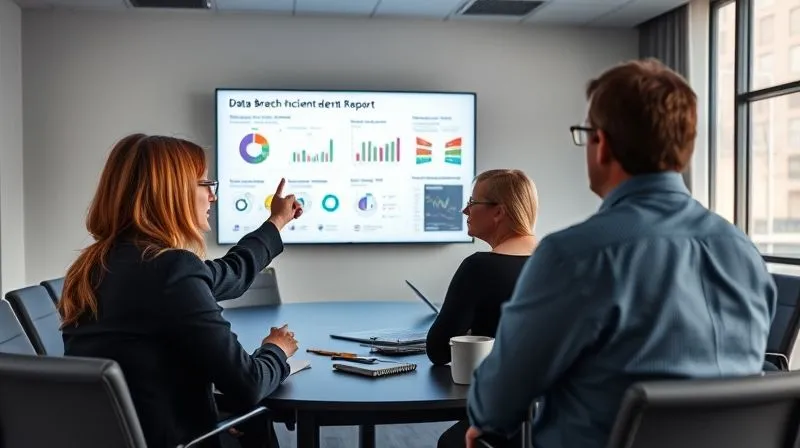
The legal framework surrounding educational technology and student data privacy is not static; it's a rapidly evolving domain. New technologies emerge daily, and legislators are constantly playing catch-up, introducing new bills and regulations. Staying abreast of these changes is a continuous legal obligation for any educational institution. This is key to understanding what legal steps to take after a student data breach occurs? not just today, but tomorrow.
Beyond FERPA, we've seen the rise of state-specific laws like California's Student Online Personal Information Protection Act (SOPIPA), which imposes strict prohibitions on EdTech service providers regarding student data. Other states are following suit, creating a complex patchwork of regulations that schools must navigate. International regulations like GDPR also impact institutions with students or operations abroad.
Proactive engagement with legal counsel and industry associations is crucial. Regularly review your data privacy policies and practices to ensure they align with the latest legal requirements and best practices. Consider privacy-by-design principles when adopting new EdTech tools, ensuring data protection is baked in from the start, rather than an afterthought.
I cannot stress enough the importance of continuous vigilance. The threat landscape shifts, and so too must your defenses and legal preparedness. Investing in ongoing legal counsel and cybersecurity resources is not an expense; it's an imperative investment in your institution's future and the trust of your community. For an overview of emerging privacy laws and their impact, resources like the International Association of Privacy Professionals (IAPP) are invaluable.
Frequently Asked Questions (FAQ)
Question: What is the primary difference between state and federal student data breach laws? Federal laws like FERPA primarily govern the privacy of student educational records and outline how schools must protect and disclose this information. While FERPA doesn't directly mandate breach notification to individuals, it sets the standard for data protection. State laws, on the other hand, often explicitly mandate data breach notification requirements, including timelines, content, and recipients, and can be more specific to student data. Many state laws go beyond FERPA in terms of requiring specific security measures or prohibiting certain uses of student data by EdTech vendors. Therefore, schools must comply with both federal and the more stringent state requirements.
Question: Can a school be held liable for a breach caused by a third-party vendor? Absolutely. Schools often contract with third-party EdTech vendors for various services (e.g., learning management systems, online assessment tools) that handle student data. If a breach occurs with a vendor, the school can still be held liable, especially if it failed to conduct adequate due diligence on the vendor's security practices, didn't have a robust data processing agreement in place, or failed to monitor the vendor's compliance. It's crucial for schools to implement strong vendor management programs, including security audits, clear contractual obligations for data protection, and breach notification clauses in all agreements.
Question: How long do we have to notify affected parties after discovering a breach? The notification timeline varies significantly by state. Many states require notification within 30 to 45 days of discovery of the breach, though some are as short as 10 days. The trigger for this timeline is usually the discovery of the breach, or sometimes the discovery of the acquisition of unencrypted data. It's important to note that law enforcement may sometimes request a delay in notification if it would impede an ongoing investigation. Your legal counsel will advise on the specific timelines applicable to your institution based on the residency of the affected students and the laws of your state.
Question: What are the potential penalties for non-compliance with student data breach laws? The penalties can be severe and multifaceted. They include significant financial fines imposed by state Attorneys General or other regulatory bodies (which can range from thousands to millions of dollars depending on the number of affected individuals and the egregiousness of the non-compliance). Beyond fines, institutions can face civil lawsuits from affected individuals or their parents, reputational damage, loss of public trust, and even loss of federal funding for FERPA violations. Non-compliance can also lead to increased oversight from regulatory agencies and mandated security improvements.
Question: Is offering credit monitoring sufficient remediation for affected students? While offering credit monitoring and identity theft protection services is a common and often recommended step after a data breach, it may not always be considered 'sufficient' remediation on its own, especially if highly sensitive data (like health records or social security numbers) was exposed or if the breach affects very young children who cannot yet establish credit. The adequacy of remediation depends on the specific types of data compromised, the potential for harm, and the requirements of applicable state laws. Your legal counsel will help determine the appropriate scope of remediation based on the specific circumstances of your breach.
Key Takeaways and Final Thoughts
- Immediate Action is Paramount: Containment and legal counsel engagement are the critical first steps to minimize damage and ensure legal protection.
- Know Your Laws: Navigate the complex web of federal (FERPA) and state-specific data breach notification laws with expert legal guidance.
- Transparency Builds Trust: Communicate clearly, empathetically, and consistently with all stakeholders, even in crisis.
- Forensics Inform Strategy: A thorough investigation is crucial for accurate notification, regulatory reporting, and robust remediation.
- Continuous Improvement: A data breach is a catalyst for strengthening your incident response plan, security measures, and data privacy policies.
The question of what legal steps to take after a student data breach occurs? is no longer theoretical; it's a tangible threat that every educational institution must prepare for. My hope is that this guide provides a clear roadmap, empowering you to navigate these turbulent waters with confidence and competence. While the path is challenging, a well-executed legal and operational response not only protects your students and your institution but also reinforces your commitment to safeguarding the trust placed in you. Stay vigilant, stay prepared, and always prioritize the privacy of your students.
Recommended Reading
- Unlock the Secrets: How to Navigate Probate for an Incapacitated Elder
- Your Urgent Guide: What Happens After a Notice to Appear for Deportation?
- Green Card Denial After Approval? What You Need to Know!
- Stop Online Counterfeiters: What Legal Steps Truly Work Effectively?
- Appeal Dismissed? Understanding Your Options & Next Steps




Comments
Leave a comment below. Your email will not be published. Required fields marked with *