


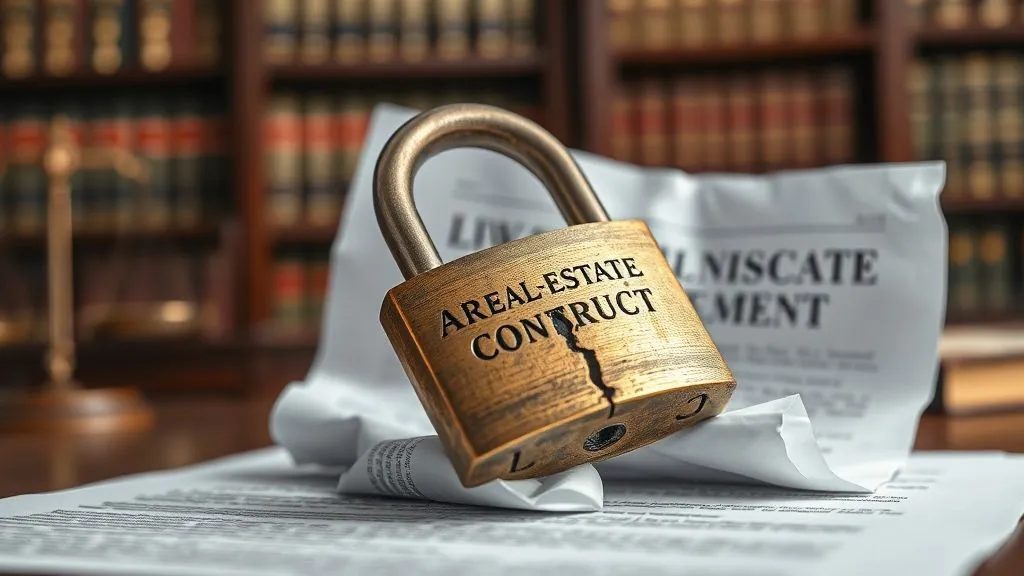
What to do when a buyer defaults on a real estate contract?
For over two decades in the intricate world of real estate law, I've witnessed firsthand the profound stress and financial uncertainty that arises when a promising deal suddenly collapses. It’s a moment of significant frustration for any seller, turning anticipation into anxiety as you grapple with the question: What now?
The pain points are palpable: potential financial losses from missed opportunities, the emotional toll of a failed transaction, and the daunting prospect of navigating complex legal terrain. Many sellers feel adrift, unsure of their rights or the best course of action when a buyer simply walks away from a signed agreement.
In this comprehensive guide, I'll draw upon my extensive experience to provide you with a clear, actionable roadmap. We'll explore the legal strategies available, delve into real-world case studies, and equip you with the expert insights needed to protect your interests and confidently address the challenge of a buyer defaulting on a real estate contract.
Understanding Buyer Default: What Constitutes a Breach?
Before we discuss remedies, it's crucial to understand precisely what constitutes a buyer default. A real estate contract is a legally binding agreement, and a default occurs when one party fails to fulfill their obligations as outlined in that contract. It's not just about a buyer changing their mind; it's about a specific failure to perform.
Failure to Secure Financing
One of the most common reasons for a buyer default, especially in residential real estate, is the inability to secure the necessary financing. While most contracts include a financing contingency that protects the buyer if their loan falls through, a default occurs if the buyer fails to apply for a loan diligently, misses deadlines for loan approval, or otherwise acts in bad faith regarding their financing efforts.
Missing Deadlines (Closing, Inspections, Contingency Removals)
Real estate contracts are replete with critical deadlines: inspection periods, appraisal contingencies, financing commitment dates, and, most importantly, the closing date. A buyer's failure to meet these deadlines, without a valid contractual extension or mutual agreement, can constitute a default. Time is often of the essence in these agreements, making punctuality paramount.
Refusal to Close
Perhaps the most straightforward form of default is a buyer's outright refusal to close the transaction after all contingencies have been met or waived. This can happen for various reasons, from buyer's remorse to discovering an issue not covered by a contingency, but legally, it's a clear breach of contract.
Material Misrepresentation
Less common but equally serious, a buyer could default through material misrepresentation. This occurs if the buyer provided false information during the contract negotiation, such as fraudulent financial statements, which later comes to light and impacts their ability or willingness to perform their contractual obligations.

Immediate Steps When a Buyer Defaults
When you suspect a buyer has defaulted, your immediate actions are critical. Panic is a natural reaction, but a measured, strategic response will best protect your interests. Based on my years in real estate law, I advocate for a clear, step-by-step approach.
- Review the Contract Meticulously: Your purchase agreement is the blueprint. Before doing anything else, go through every clause related to contingencies, deadlines, and default provisions. Understand what constitutes a default according to your specific contract and what remedies are outlined.
- Document Everything: Maintain a detailed log of all communications, missed deadlines, and any actions taken by both parties. This includes emails, text messages, phone call summaries, and formal notices. Strong documentation is your best friend if legal action becomes necessary.
- Communicate Through Legal Channels: Avoid direct, emotional confrontations with the buyer. All communication regarding the default should be formal and, ideally, channeled through your real estate agent or, even better, your attorney. Formal notices of default are often required by contract.
- Consult with an Experienced Real Estate Attorney: This is perhaps the most crucial first step. As soon as you suspect a default, engage legal counsel. A seasoned attorney can help you interpret the contract, understand your rights, and advise on the most effective path forward.
"In real estate, a handshake is a good start, but the contract is the ultimate arbiter. Never underestimate the power of thorough documentation and timely legal advice when a deal goes sideways."
Navigating Your Legal Remedies: Options for the Seller
When a buyer defaults on a real estate contract, the seller isn't without recourse. The specific remedies available to you depend heavily on the terms of your contract and the laws of your jurisdiction. I've guided countless sellers through these decisions, and understanding your options is the first step to reclaiming control.
Forfeiture of Earnest Money Deposit
This is often the simplest and most common remedy. Most real estate contracts stipulate that if the buyer defaults, the seller has the right to keep the earnest money deposit (EMD) as liquidated damages. This means the parties agreed in advance that the EMD would be the seller's compensation for the buyer's breach, avoiding the need to prove actual damages in court.
However, simply keeping the EMD isn't always straightforward. There might be disputes over whether a valid default occurred, or if the buyer had a legitimate reason to terminate under a contingency. A formal release agreement is often required to disburse the EMD from escrow, which might necessitate negotiation or even mediation if the buyer contests the forfeiture.
Specific Performance
Less common but powerful, specific performance is a legal action where a court orders the defaulting buyer to complete the purchase as per the contract terms. This remedy is typically pursued when monetary damages are deemed insufficient, such as when the property is unique or the seller would suffer irreparable harm if the sale doesn't proceed. For instance, if you've already committed to buying another property based on the sale of this one, specific performance might be considered.
This path is generally more complex, time-consuming, and expensive than simply retaining the EMD, as it involves litigation. Courts are often reluctant to force specific performance unless there's a clear breach and the property is truly unique, making it difficult to find a comparable buyer.
Suing for Damages
If the earnest money deposit doesn't adequately cover your losses, or if your contract doesn't allow for EMD forfeiture as the sole remedy, you might sue the buyer for actual damages. This typically involves recovering the difference between the original contract price and the price at which you eventually sell the property to a new buyer, plus any holding costs incurred during the delay (e.g., mortgage payments, utilities, taxes, insurance, and re-listing fees).
Proving actual damages requires meticulous accounting and can be a lengthy legal battle. It's crucial to demonstrate that you made reasonable efforts to mitigate your losses, such as promptly re-listing the property at a fair market price. According to the American Bar Association's resources on contract law, the goal of damages is generally to put the non-breaching party in the position they would have been in had the contract been performed.
Contract Termination and Release
Sometimes, the most pragmatic solution is to simply terminate the contract and release both parties from their obligations. This often involves a mutual agreement where the earnest money is either released to the seller, returned to the buyer, or split, depending on negotiations. While this might not provide full compensation, it allows the seller to quickly move on and re-list the property without the burden of ongoing legal disputes. This option is particularly attractive when the EMD is small or the cost of litigation outweighs the potential recovery.
| Remedy | Description | Pros | Cons | When to Use |
|---|---|---|---|---|
| Forfeiture of Earnest Money | Seller keeps the buyer's initial deposit. | Quick, minimal litigation. | Limited to deposit amount, potential dispute over release. | Buyer clearly defaults, EMD covers initial losses. |
| Specific Performance | Court orders buyer to complete the purchase. | Ensures sale, potentially higher recovery. | Lengthy, costly litigation, not always granted. | Unique property, significant seller damages, buyer has assets. |
| Suing for Damages | Seller seeks monetary compensation for actual losses. | Recovers full losses (resale difference, holding costs). | Complex calculation, lengthy litigation, buyer's ability to pay. | Significant price drop on resale, high holding costs, buyer has assets. |
| Contract Termination & Release | Mutual agreement to cancel the contract. | Quick resolution, avoids litigation. | No financial compensation for seller unless negotiated. | Low EMD, desire for quick resolution, buyer's inability to perform. |
The Earnest Money Deposit: Your First Line of Defense
The earnest money deposit (EMD) is more than just a gesture of good faith; it's a critical component in protecting a seller when a buyer defaults on a real estate contract. In my practice, I often emphasize its role as a form of pre-negotiated damages.
The EMD is typically held in an escrow account by a neutral third party, such as a title company or attorney. It demonstrates the buyer's serious intent to purchase the property. When a buyer defaults, this deposit becomes the seller's primary, and often easiest, avenue for compensation.
When Can You Keep It?
The ability to retain the EMD hinges entirely on the contract's language and the nature of the default. Generally, if the buyer defaults without a valid reason permitted by the contract's contingencies (e.g., failing to secure financing after a financing contingency period has expired, or simply refusing to close), the seller has a strong claim to the EMD. If the buyer defaults on a real estate contract, and the contract specifies the EMD as liquidated damages, the process is usually clearer.
The Dispute Process
It's rare for a defaulting buyer to simply sign over the EMD without a fight. The escrow agent cannot release the funds without mutual written consent from both parties or a court order. If the buyer contests the forfeiture, you might enter a dispute resolution process, which could involve mediation or even litigation. Having a clear, well-documented case for default, as advised earlier, is paramount here.

Mitigating Your Losses and Preparing for Resale
While pursuing legal remedies, it's essential not to let your property sit idly. A critical aspect of managing a buyer default is actively mitigating your financial losses. This means taking proactive steps to get your property back on the market and sold as quickly as possible. Courts often expect sellers to make reasonable efforts to minimize their damages, especially if you intend to sue for actual losses.
Re-listing the Property Strategically
Once you've formally terminated the contract or are confident in your legal position, re-list the property immediately. Work with your real estate agent to assess current market conditions. It might be tempting to raise the price to compensate for the hassle, but pricing competitively will attract new buyers faster and limit your ongoing expenses. Transparency with potential new buyers about the previous contract's termination (without divulging sensitive details) can also build trust.
Documenting Holding Costs
Keep meticulous records of all expenses incurred during the period between the original expected closing date and the new closing date. This includes mortgage payments, property taxes, insurance premiums, utility bills, re-listing fees, and any necessary maintenance. These documented holding costs can form a significant part of your claim for damages if you pursue legal action beyond the EMD. This data is critical for any subsequent legal action.
Learning from the Experience
Every challenge offers a lesson. Reflect on the circumstances surrounding the default. Were there red flags that could have been identified? Could the contract have been stronger? Use this experience to refine your future real estate transactions, perhaps by requiring a larger EMD or stricter contingency timelines. Learning how to respond when a buyer defaults on a real estate contract makes you a more resilient seller.
"A property that sits unsold after a default is a bleeding wound. Your priority must shift quickly from legal recourse to market re-engagement. Every day counts in mitigating your financial exposure."
Case Study: The Lakeside Property Debacle and a Seller's Strategic Win
Case Study: The Lakeside Property Debacle and a Seller's Strategic Win
Let me share a fictional, yet highly realistic, scenario from my experience. Sarah owned a unique lakeside property, a rare find with stunning views and custom features. She accepted an offer from Mark, who seemed enthusiastic. The contract included a standard financing contingency and a relatively small earnest money deposit, reflecting the competitive market at the time.
Mark failed to secure financing by the agreed-upon deadline, despite multiple extensions granted by Sarah out of good faith. Eventually, he simply stopped communicating, effectively defaulting on the real estate contract. Sarah was devastated; she had already put a deposit down on her dream retirement home.
Upon consulting with me, we immediately reviewed the contract. It clearly stated that if Mark failed to secure financing within the extended period, the EMD would be forfeited to Sarah as liquidated damages. However, the EMD was insufficient to cover Sarah's significant holding costs and the potential loss if she couldn't close on her new home.
We sent a formal notice of default, demanding the EMD and signaling our intent to pursue specific performance or additional damages if necessary. Mark's attorney initially resisted, claiming an ambiguous clause regarding a 'good faith effort' to secure financing. We countered with detailed documentation of Mark's lack of communication and failure to provide evidence of loan applications.
Facing the prospect of a specific performance lawsuit, which would have been costly and potentially damaging to his credit, Mark agreed to a settlement. He forfeited the EMD and paid an additional sum to cover Sarah's holding costs for two months, along with a portion of her legal fees. This allowed Sarah to cover her immediate financial burden and re-list the property. She sold it within a month to another buyer, albeit for a slightly lower price, but the settlement recovered most of her losses.
This case highlights the importance of a clear contract, meticulous documentation, and strategic legal counsel when a buyer defaults on a real estate contract. Sarah's proactive approach, combined with a willingness to negotiate while holding a strong legal position, turned a potential disaster into a manageable outcome.
Preventing Future Defaults: Strengthening Your Contracts
While we've focused on what to do when a buyer defaults on a real estate contract, an equally important aspect is preventing such situations in the first place. Proactive measures in contract drafting can significantly reduce your risk and provide clearer recourse should a default occur. As an expert, I always advise clients to build resilience into their agreements.
Clear Contingency Clauses
Ensure all contingency clauses (financing, inspection, appraisal, etc.) are crystal clear, with specific deadlines and precise language about what constitutes satisfaction or failure. Ambiguity in these clauses is a common breeding ground for disputes. For example, a financing contingency shouldn't just say 'buyer to obtain financing' but specify the loan type, interest rate ceiling, and a firm date for loan commitment.
Realistic Timelines
While speed is often desired, overly aggressive timelines can set both parties up for failure. Work with your agent and attorney to establish realistic deadlines for all contractual obligations, allowing sufficient time for inspections, appraisals, and loan processing. This reduces the chances of an unintentional default due to logistical constraints.
Robust Default Provisions
Strengthen the default section of your contract. Clearly define what constitutes a default, the seller's available remedies (e.g., forfeiture of EMD, right to sue for specific performance or damages), and the procedures for giving notice of default. Consider a larger earnest money deposit, especially for unique properties or in a buyer's market where commitment might waver. National Association of Realtors' resources often highlight the importance of well-defined contractual terms.
Thorough Buyer Vetting
Work with your real estate agent to vet potential buyers beyond just their offer price. Request pre-approval letters from reputable lenders, not just pre-qualification. A deeper understanding of a buyer's financial stability and readiness can flag potential issues early on, reducing the likelihood of a last-minute financing default.
The Role of Your Real Estate Attorney: An Indispensable Partner
When a buyer defaults on a real estate contract, trying to navigate the legal complexities alone is a perilous path. Your real estate attorney is not just a document reviewer; they are your strategic partner, interpreter of complex laws, and advocate. Their expertise is indispensable in safeguarding your interests.
- Contract Review and Drafting: Before a default even occurs, an attorney can draft or review your purchase agreement to ensure it contains robust protections for you as the seller, clearly outlining remedies and procedures.
- Negotiation and Mediation: In the event of a default, your attorney can handle all communications with the buyer's side, negotiate the release of earnest money, or explore mediation to resolve disputes without costly litigation.
- Litigation Representation: If legal action becomes necessary, your attorney will represent you in court, whether you're seeking specific performance, damages, or defending against a buyer's claims.
- Risk Assessment: An experienced attorney can provide a realistic assessment of your legal position, the potential costs and benefits of various remedies, and the likelihood of success, helping you make informed decisions.
"Don't view your real estate attorney as an expense; view them as an investment in protecting your most valuable assets. Their guidance when a buyer defaults on a real estate contract is invaluable."
| Factor | Consideration | Importance |
|---|---|---|
| Specialization | Does the attorney specialize in real estate law, specifically contract disputes? | High |
| Experience | How many years of experience do they have with buyer default cases? | High |
| Communication Style | Are they responsive and clear in their explanations? | Medium |
| Fee Structure | Do they offer transparent billing and a clear fee agreement? | High |
| References/Reviews | Can they provide client testimonials or positive online reviews? | Medium |

Frequently Asked Questions (FAQ)
Question: Can a buyer lose more than just their earnest money if they default? Yes, absolutely. While the earnest money deposit is often the first line of defense and may be specified as liquidated damages, a seller can pursue additional damages in court if their actual losses exceed the EMD, or if the contract allows for it. This can include the difference in resale value, holding costs, and legal fees. However, this depends heavily on the specific contract language and jurisdiction.
Question: How long does the process of recovering damages usually take when a buyer defaults on a real estate contract? The timeline varies significantly. If both parties agree to release the earnest money, it can be resolved in weeks. If it escalates to mediation, it might take a few months. Full-blown litigation, especially for specific performance or substantial damages, can drag on for many months, or even years, depending on court schedules and the complexity of the case.
Question: What if the buyer claims they had a valid reason for defaulting, even if it's not a contingency? The validity of a buyer's reason for default is determined by the explicit terms of the contract and applicable law. Personal reasons, such as job loss or buyer's remorse, are generally not valid contractual reasons to back out without consequence unless specifically covered by a contingency. Your attorney will assess if their claim holds legal weight.
Question: Is it always worth suing a defaulting buyer for additional damages? Not always. It's crucial to perform a cost-benefit analysis with your attorney. Litigation is expensive, time-consuming, and emotionally draining. You must weigh the potential recovery against legal fees, court costs, and the time commitment. If the buyer has limited assets, even a successful judgment might be difficult to collect.
Question: Can I keep the earnest money if the contract doesn't explicitly state it as liquidated damages? In many jurisdictions, if the contract doesn't explicitly state the EMD as liquidated damages, the seller may still have a right to it, but they might also be able to pursue additional actual damages. However, if the contract is silent, the buyer might argue for its return. This situation underscores the importance of clear contract drafting and legal review.
Key Takeaways and Final Thoughts
Navigating a buyer default on a real estate contract can be one of the most challenging experiences for a seller. However, armed with the right knowledge and a clear strategy, you can protect your interests and minimize your losses effectively.
- Your contract is your guide: Always begin by meticulously reviewing its terms and conditions.
- Document everything: Maintain thorough records of all communications and missed deadlines.
- Act swiftly and formally: Use legal channels for communication and formal notices.
- Engage expert legal counsel: An experienced real estate attorney is indispensable for interpreting your rights and guiding your actions.
- Understand your remedies: Whether it's retaining the earnest money, seeking specific performance, or suing for damages, know your options.
- Mitigate losses proactively: Re-list your property promptly and keep track of all holding costs.
- Prevent future defaults: Strengthen your contracts with clear clauses, realistic timelines, and thorough buyer vetting.
While a buyer's default is undoubtedly a setback, it's not the end of your journey. With a strategic approach and the right legal guidance, you can overcome this hurdle, protect your assets, and successfully move forward with your real estate goals. Remember, knowledge and preparation are your strongest allies in the complex world of real estate transactions.
Recommended Reading
- Sports Injury Negligence: Can Parents Sue Schools? Uncover Your Rights
- Wrongful Termination in California: Your Ultimate Guide
- How to Minimize Marine Pollution Liability: 7 Key Legal Strategies
- Hidden Fees? 7 Steps to Litigate Deceptive Subscription Billing
- 7 Steps to Legally Prove Elder Financial Abuse in Complex Trust Cases




Comments
Leave a comment below. Your email will not be published. Required fields marked with *