



What to do when a federal agency issues a compliance subpoena?
For over two decades in administrative law and regulatory compliance, I've witnessed firsthand the sheer panic and confusion that often grips organizations when a federal agency issues a compliance subpoena. It's a moment that can feel like an abrupt intrusion, a direct challenge to your operations, and a harbinger of potential penalties. This isn't just a routine request; it's a formal, legally binding demand for information or testimony, carrying significant weight and consequences if mishandled.
Many businesses, even those with robust internal compliance programs, are caught off guard. They might understand the *concept* of a subpoena, but the specific nuances of responding to a federal agency – from the Department of Justice to the EPA, SEC, or FDA – are often shrouded in uncertainty. The stakes are incredibly high: a misstep can lead to substantial fines, reputational damage, lengthy investigations, and even criminal charges for individuals. The emotional toll and operational disruption alone can be crippling.
That's precisely why I've distilled my extensive experience into this comprehensive guide. You're not just getting a checklist; you're gaining a strategic framework, born from countless real-world scenarios, designed to empower you with clarity and confidence. We'll walk through the immediate aftermath, the critical steps of analysis, preservation, and strategic response, ensuring you understand not just *what* to do when a federal agency issues a compliance subpoena, but *why* each action is paramount to protecting your organization's integrity and future.
Step 1: The Immediate Aftermath – Don't Panic, Act Strategically
The moment that official-looking envelope arrives or the process server appears with a document labeled 'Subpoena,' a natural reaction is often fear or confusion. However, in my experience, the most critical period for any organization facing a federal compliance subpoena is the immediate aftermath. Your actions (or inactions) in the first few hours and days can profoundly impact the outcome of the entire investigation.
Your primary goal at this stage is to pause, secure, and notify. Resist the urge to immediately comply, destroy, or discuss the subpoena broadly within your organization. Hasty decisions made under pressure rarely serve your best interests. Instead, focus on these critical initial steps:
- Secure the Subpoena Document: Ensure the original document is immediately safeguarded. Note the date and time of receipt. This seems basic, but I've seen originals misplaced, leading to confusion about deadlines.
- Notify Key Stakeholders Internally: This typically includes senior management, your general counsel or legal department, and potentially your Chief Compliance Officer. The circle should be kept extremely tight initially to avoid premature speculation or unauthorized actions.
- Implement a 'Litigation Hold' Immediately: This is arguably the most crucial first step. A litigation hold is a directive to suspend the normal destruction or alteration of documents and electronically stored information (ESI) that may be relevant to the subpoena. Failure to implement a timely and effective hold can lead to severe sanctions for spoliation of evidence.
- Identify the Issuing Agency and Contact Person: Understand who sent it and if there's a specific individual listed for contact. Do not contact them directly without legal counsel.
In my experience, the initial response dictates the trajectory. A well-executed immediate response signals seriousness and competence to the federal agency, setting a more favorable tone for future interactions.
Step 2: Understanding the Subpoena – Scope, Authority, and Deadlines
Once the initial shock subsides, the next crucial step is to meticulously dissect the subpoena itself. A subpoena is a legal instrument, and its language is precise. Many organizations make the mistake of assuming all subpoenas are the same, or they skim the document, missing critical details that could be leveraged in their defense or response strategy.
I always advise clients to break down the subpoena into its core components:
What Type of Subpoena Is It?
Federal agencies issue various types of subpoenas, each with different implications:
- Subpoena Duces Tecum: This demands the production of documents, ESI, or other tangible items. It will specify categories of information, date ranges, and formats.
- Subpoena Ad Testificandum: This demands the appearance of an individual to give testimony, usually at a deposition or hearing. It will name the individual and specify the date, time, and location.
- Investigative Subpoena: Often issued by agencies like the SEC or FTC, these are used to gather information during an ongoing investigation before formal charges are filed.
- Grand Jury Subpoena: Issued by a federal grand jury, these are highly serious and often indicate a potential criminal investigation. They are generally broader and more difficult to challenge.
Who Issued It and Under What Authority?
Understanding the issuing agency (e.g., Department of Justice, SEC, EPA, FDA, FTC) is vital. Each agency operates under specific statutory authority, which defines the scope of their investigative powers. Knowing their jurisdiction helps in assessing the legitimacy and potential overreach of the subpoena. For example, the EPA's authority for environmental compliance differs significantly from the SEC's for financial regulations.
What Is the Scope of the Request?
Carefully read the requested documents or testimony topics. Pay close attention to:
- Date Ranges: Are they reasonable? Are they overly broad, stretching back decades without clear justification?
- Specificity: Are the document categories clear and narrowly tailored, or are they vague and demanding 'all documents related to X'? Vague requests can be challenged.
- Custodians: Does it specify individuals whose documents are sought?
- Location: Where is testimony to be given, or where are documents to be produced?
What Are the Deadlines?
This is non-negotiable. Note every deadline for production or appearance. Missing a deadline can result in motions to compel, contempt charges, or adverse inferences against your organization.
According to the U.S. Attorneys' Manual, federal prosecutors and agencies generally seek to achieve voluntary compliance with subpoenas, but they have the full force of law behind them if voluntary cooperation is not forthcoming.
| Subpoena Type | Purpose | Key Challenge | Typical Response |
|---|---|---|---|
| Duces Tecum | Document Production | Scope & Volume | Organized Production, Objections |
| Ad Testificandum | Testimonial Appearance | Witness Preparation | Counsel-led Testimony |
| Grand Jury | Criminal Investigation | Broad Scope, Secrecy | Strict Legal Counsel, Limited Disclosure |
Step 3: Assembling Your Response Team – Legal, Internal, and External Expertise
Responding to a federal compliance subpoena is rarely a one-person job. It requires a coordinated effort from a multidisciplinary team. In my experience, organizations that tackle this challenge effectively are those that quickly and strategically assemble the right experts.
The Core Team:
- External Legal Counsel: This is non-negotiable. Engaging experienced administrative law and white-collar defense attorneys is paramount. They understand federal agency procedures, can negotiate with investigators, assert privileges, and represent your interests. I've seen companies attempt to handle this internally and quickly become overwhelmed by the legal complexities and the agency's aggressive tactics.
- Internal General Counsel/Legal Department: Your in-house legal team provides institutional knowledge, understands your company's risk profile, and acts as the crucial liaison with external counsel.
- Chief Compliance Officer (CCO) or Head of Compliance: The CCO's deep understanding of your company's policies, procedures, and regulatory obligations is invaluable in identifying relevant documents and ensuring compliance with the subpoena's demands.
- IT Department/E-Discovery Specialists: In today's digital age, most requested documents are ESI. Your IT team is critical for implementing litigation holds, identifying data sources, preserving data, and assisting with E-discovery processes. They need to work hand-in-hand with legal counsel to ensure defensible data collection.
- Relevant Department Heads: Depending on the subpoena's scope, you'll need representatives from departments such as HR, Finance, Operations, Sales, or R&D. These individuals can help locate specific information, explain business processes, and identify key custodians.
Defining Roles and Responsibilities:
Once the team is assembled, clearly define everyone's role. External counsel will lead the legal strategy. Internal legal will manage the internal process. Compliance will guide the search for relevant information. IT will handle technical aspects of data retrieval. Clear communication channels are vital to ensure everyone is on the same page and working towards the same goal.
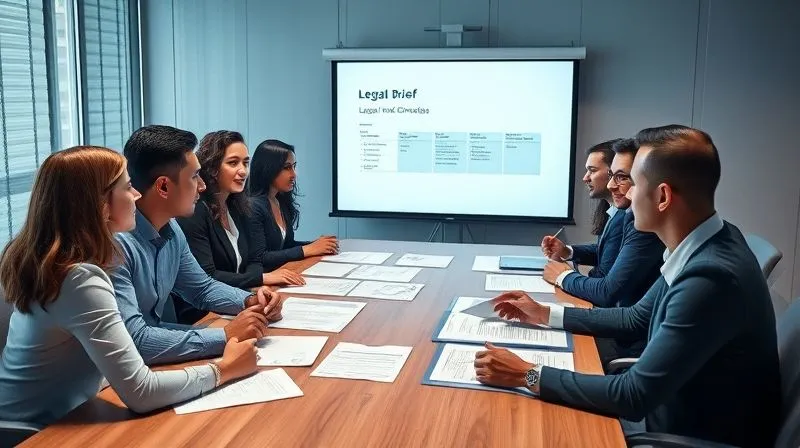
Step 4: Preserving Evidence and Preventing Spoliation – The Crucial First Commandment
I cannot stress this enough: the absolute cornerstone of any effective subpoena response is the robust and defensible preservation of potentially relevant evidence. Failure to do so – known as 'spoliation' – can lead to devastating consequences, including monetary sanctions, adverse inference instructions to a jury, and even dismissal of defenses or claims. Federal agencies take spoliation very seriously.
Implementing a Comprehensive Litigation Hold:
As mentioned earlier, a litigation hold is your first line of defense. Here's how to implement it effectively:
- Identify Key Custodians: Work with your legal team and department heads to identify all individuals who might possess relevant information, regardless of their current employment status. This includes employees, former employees, and even contractors.
- Identify Relevant Data Sources: This goes beyond just email. Think about network drives, cloud storage (Google Drive, SharePoint, Dropbox), messaging apps (Slack, Teams, WhatsApp), personal devices used for work, backup tapes, databases, voicemails, and even physical documents.
- Issue the Hold Notice: A formal, written notice should be distributed to all identified custodians. It must clearly explain:
- The nature of the subpoena and the need for preservation.
- The types of information to be preserved (documents, ESI, etc.).
- The date ranges covered by the subpoena.
- Instructions on how to preserve data (e.g., do not delete emails, do not overwrite files, suspend auto-deletion policies).
- A point of contact for questions.
- Monitor Compliance: Simply issuing a notice isn't enough. You must actively monitor compliance. This could involve regular check-ins, technical safeguards, and ensuring that IT policies (like auto-deletion) are suspended for relevant custodians and data sources.
- Document Everything: Maintain a detailed log of when the hold was issued, to whom, and all steps taken to ensure preservation. This documentation is your defense against accusations of spoliation.
Case Study: Horizon Tech's Costly Oversight
Horizon Tech, a mid-sized software company, received a subpoena from the FTC regarding alleged anti-competitive practices. Their in-house counsel issued a broad, generic litigation hold notice via email, but failed to follow up or account for their rapidly changing cloud infrastructure. Two key engineers, who were custodians of critical design documents, left the company shortly after the subpoena arrived. Their cloud accounts, subject to an automated 60-day deletion policy, were purged before their data could be properly harvested. When the FTC discovered this during discovery, Horizon Tech faced severe sanctions, including a multi-million dollar fine and an adverse inference instruction to the jury, significantly weakening their defense. This resulted in a substantially larger settlement than would have likely occurred had the data been preserved.
This case underscores that a litigation hold is not a 'set it and forget it' task. It requires diligence, technical understanding, and ongoing management.
Step 5: Navigating Privilege and Confidentiality – Protecting Your Sensitive Information
Once you've secured and understood the subpoena, and initiated your preservation efforts, the next crucial step is to identify and protect privileged or confidential information. Federal agencies are entitled to relevant, non-privileged information, but they are not entitled to everything. Asserting privilege correctly is a sophisticated legal maneuver, and doing it improperly can waive those protections.
Key Privileges to Consider:
- Attorney-Client Privilege: This protects confidential communications between an attorney and their client for the purpose of seeking or rendering legal advice. It is one of the oldest and most fundamental privileges.
- Work Product Doctrine: This protects materials prepared by an attorney (or under their direction) in anticipation of litigation or for trial. It aims to prevent one party from free-riding on the other's legal preparation.
- Trade Secrets/Proprietary Information: While not a privilege in the same vein as attorney-client, companies have a strong interest in protecting commercially sensitive information. Agencies often have procedures for 'clawbacks' or protective orders to safeguard such data, but you must assert this need proactively.
The Privilege Review Process:
- Initial Document Review: As documents are collected, a preliminary review is conducted to flag potentially privileged materials. This is typically done by experienced paralegals or junior attorneys under the supervision of senior counsel.
- Privilege Log Creation: For every document withheld on the basis of privilege, you must create a 'privilege log.' This log typically lists:
- The date of the document.
- The author(s) and recipient(s).
- The type of document (e.g., email, memo).
- The privilege asserted (e.g., attorney-client, work product).
- A brief, non-privileged description of the document's subject matter, sufficient to allow the agency to assess the claim without revealing the privileged content.
- Redaction: Sometimes, only a portion of a document is privileged. In such cases, you can redact (black out) the privileged sections and produce the rest. This requires careful, defensible execution.
- Negotiation with the Agency: Your counsel will often engage in discussions with the agency regarding privilege claims. Agencies may challenge certain assertions, leading to further review or even judicial intervention if an agreement cannot be reached.
Step 6: Crafting a Strategic Response – Negotiation, Objections, and Production
With preservation underway and privilege issues identified, the focus shifts to crafting your formal response to the subpoena. This is where strategic legal acumen truly comes into play. Simply dumping every requested document on the agency's doorstep is rarely the best approach; nor is an outright refusal to comply without valid legal grounds. My philosophy is to engage constructively but strategically.
Negotiating the Scope:
Federal agency subpoenas are often drafted broadly. A skilled attorney will often contact the agency's representative to negotiate the scope of the subpoena. This can involve:
- Narrowing Date Ranges: Arguing that older documents are not relevant or unduly burdensome to produce.
- Limiting Custodians: Proposing to limit the search to only the most relevant individuals.
- Modifying Document Categories: Seeking to clarify vague requests or limit overly broad categories.
- Agreeing on Production Format: Discussing the format of ESI production to ensure it's manageable and defensible.
These negotiations can significantly reduce the burden and cost of compliance, and agencies are often open to reasonable compromises, as long as they believe you are acting in good faith. As legal experts often advise, a cooperative yet firm approach can yield better results than outright confrontation.
Asserting Objections:
If negotiations don't fully resolve concerns, or if the subpoena is fundamentally flawed, your counsel may assert formal objections. Common grounds for objection include:
- Undue Burden: The cost or effort of producing the requested information is disproportionate to its likely benefit to the investigation.
- Vagueness or Ambiguity: The request is so unclear that it's impossible to determine what information is truly sought.
- Irrelevance: The requested information has no bearing on the agency's legitimate investigative authority.
- Privilege: As discussed in the previous section.
Objections are typically communicated in writing, and if the agency still insists, it may require further negotiation or even a motion to quash the subpoena in federal court.
Organized Document Production:
When it's time to produce documents, organization is key. This typically involves:
- Bates Stamping: Assigning a unique, sequential identifier to each page of every produced document. This is crucial for tracking and referencing.
- Producing in a Defensible Format: Often, agencies prefer ESI in native format or TIFF images with associated load files, which preserve metadata.
- Creating a Production Log: Documenting exactly what was produced, when, and to whom.
- Phased Production: For very large or complex requests, your counsel may negotiate a phased production schedule, allowing you to produce documents in batches.
Step 7: Preparing for Testimonial Subpoenas – Depositions and Interviews
While document production is a common demand, federal agencies may also issue a subpoena ad testificandum, requiring an individual to appear for testimony. This is a significantly different beast, placing a person directly under scrutiny. In my career, I've prepared countless witnesses, and I can tell you that adequate preparation is the single most important factor in a successful outcome.
Witness Preparation is Paramount:
- Understand the Scope: The witness and counsel must thoroughly understand the topics the agency intends to cover.
- Review Relevant Documents: The witness should review all documents they authored, received, or are otherwise familiar with that are relevant to the subpoena's scope. This helps refresh memory and ensures consistency.
- Practice Q&A: Conduct mock interviews or depositions. This helps the witness become comfortable with the process, practice answering questions clearly and concisely, and learn how to handle difficult or misleading questions.
- Understand Your Role: Witnesses must understand they are there to provide truthful testimony, but not to volunteer information or speculate. They should answer only the question asked, without elaboration.
- Attorney's Role: Your attorney will be present during the testimony to object to improper questions, protect privileges, and ensure the process is conducted fairly.
Key Principles for Testifying:
- Tell the Truth: This is non-negotiable. Perjury carries severe penalties.
- Listen Carefully: Understand the question before answering. If you don't understand, ask for clarification.
- Answer Only the Question Asked: Do not volunteer information. Stick to the facts you know.
- Don't Guess or Speculate: If you don't know the answer, say so. 'I don't recall' is a perfectly acceptable answer if it's truthful.
- Be Aware of Your Demeanor: Maintain a professional and calm demeanor.
- Take Breaks: If you feel fatigued or overwhelmed, ask for a break.

Step 8: Ongoing Compliance and Future-Proofing – Learning from the Experience
Successfully navigating a federal compliance subpoena is a significant undertaking, but the process shouldn't end with document production or testimony. In my experience, the truly resilient organizations use such events as invaluable learning opportunities to strengthen their overall compliance posture and mitigate future risks. This is about transforming a challenge into a catalyst for improvement.
Post-Subpoena Action Plan:
Once the immediate crisis has passed, I always recommend a thorough debrief and a strategic plan for future-proofing:
- Conduct an Internal Post-Mortem:
- Review the subpoena response process: What worked well? What were the pain points? Where were the inefficiencies?
- Assess the costs (financial, operational, reputational) incurred during the response.
- Identify any gaps in your data retention or E-discovery readiness.
- Enhance Data Governance and Retention Policies:
- Refine your litigation hold procedures based on lessons learned.
- Review and update your data retention schedules to ensure they align with legal and regulatory requirements, minimizing the volume of data you need to manage.
- Invest in E-discovery tools or platforms if your current capabilities were strained.
- Strengthen Internal Controls and Compliance Programs:
- Based on the subject matter of the subpoena, conduct a targeted review of relevant internal policies and procedures. Were there weaknesses that led to the inquiry?
- Update compliance training for employees, focusing on areas highlighted by the subpoena.
- Consider internal audits to proactively identify and address potential compliance vulnerabilities before they escalate.
- Foster a Culture of Compliance:
- Reinforce the importance of compliance from the top down.
- Encourage employees to report concerns internally without fear of retaliation.
As the Society of Corporate Compliance and Ethics (SCCE) continually emphasizes, an effective compliance program is dynamic, adapting to new risks and learning from past experiences. A subpoena, while disruptive, provides a real-world stress test for your compliance framework.
| Area of Improvement | Action Item | Goal |
|---|---|---|
| Data Retention | Automate data mapping & retention schedules | Reduce E-discovery burden by 20% |
| Litigation Hold | Implement centralized hold management software | Ensure 100% custodian acknowledgment & tracking |
| Employee Training | Targeted training on regulatory hot spots | Increase compliance awareness by 15% |
| Internal Audit | Annual proactive risk assessments | Identify & remediate 3 critical risks annually |
Frequently Asked Questions (FAQ)
Question: Can I simply ignore a federal compliance subpoena? Absolutely not. Ignoring a federal subpoena is a serious offense that can lead to severe consequences, including civil penalties, motions to compel, contempt of court charges, and even criminal prosecution for obstruction of justice. It is imperative to engage legal counsel immediately and respond appropriately.
Question: What if I don't have all the documents requested by the subpoena? If certain documents or ESI do not exist or cannot be located after a diligent and good-faith search, your legal counsel will communicate this to the agency. It's crucial to document your search efforts thoroughly. Do not destroy or fabricate documents. Your attorney can negotiate with the agency regarding the scope or unavailability of certain materials.
Question: How much does it typically cost to respond to a federal compliance subpoena? The cost can vary dramatically depending on the subpoena's scope, the volume of documents, the complexity of the legal issues, and the duration of the investigation. Costs typically include legal fees (for external counsel), E-discovery vendor fees, and internal resource allocation. It can range from tens of thousands to millions of dollars for large, complex investigations. Investing in robust data governance and E-discovery readiness can significantly mitigate these costs.
Question: Can a compliance subpoena lead to criminal charges? Yes, absolutely. While many compliance subpoenas are part of civil or administrative investigations, they can uncover evidence of criminal wrongdoing. For example, a subpoena from the EPA might reveal violations that are also criminal offenses, or a subpoena from the SEC could expose securities fraud. Grand jury subpoenas are specifically issued in criminal investigations. This is why having experienced white-collar defense counsel is critical.
Question: What's the difference between a subpoena and a search warrant? A subpoena is a legal demand for information or testimony, allowing the recipient time to gather and produce the requested items, often with an opportunity to object. A search warrant, conversely, is a court order authorizing law enforcement to immediately search a specific location and seize evidence. Warrants typically require probable cause and do not allow for pre-seizure objections. The response to each is fundamentally different.
Key Takeaways and Final Thoughts
- Act Immediately and Strategically: The initial hours after receiving a federal compliance subpoena are critical. Secure the document, notify key personnel, and implement a litigation hold without delay.
- Engage Expert Legal Counsel: This is not a DIY project. Experienced administrative law and white-collar defense attorneys are essential for navigating the complexities, protecting your rights, and negotiating with the agency.
- Understand the Subpoena's Scope: Meticulously analyze the subpoena's demands, authority, and deadlines to inform your strategic response.
- Prioritize Preservation: Spoliation of evidence is a severe offense. Ensure a robust and defensible process for identifying, collecting, and preserving all potentially relevant information.
- Protect Privileged Information: Understand and properly assert attorney-client privilege, work product doctrine, and other confidentiality protections.
- Prepare for Testimonial Demands: If individuals are subpoenaed to testify, thorough preparation is key to ensuring truthful, concise, and protected responses.
- Learn and Adapt: Use the experience as an opportunity to strengthen your compliance program, improve data governance, and future-proof your organization against future regulatory challenges.
Receiving a federal compliance subpoena is undoubtedly a daunting experience. However, it's not a death sentence. With the right team, a clear understanding of the process, and a strategic, proactive approach, you can navigate this challenge effectively, protect your organization's interests, and emerge stronger. Remember, transparency and good faith, coupled with expert legal guidance, are your most powerful assets when a federal agency calls.
Recommended Reading
- 7 Legal Pillars: Shielding Your Sports Event from Waiver Challenges
- Avoid Hazardous Waste Fines: 9 Proactive Steps to Ensure Compliance
- 7 Proven Strategies: How to Argue for a Downward Departure from Federal Sentencing Guidelines?
- 7 Critical Steps to Mitigate Legal Liability After a Major Marine Oil Spill
- 7 Legal Steps to Effectively Challenge Predatory Lending





Comments
Leave a comment below. Your email will not be published. Required fields marked with *