


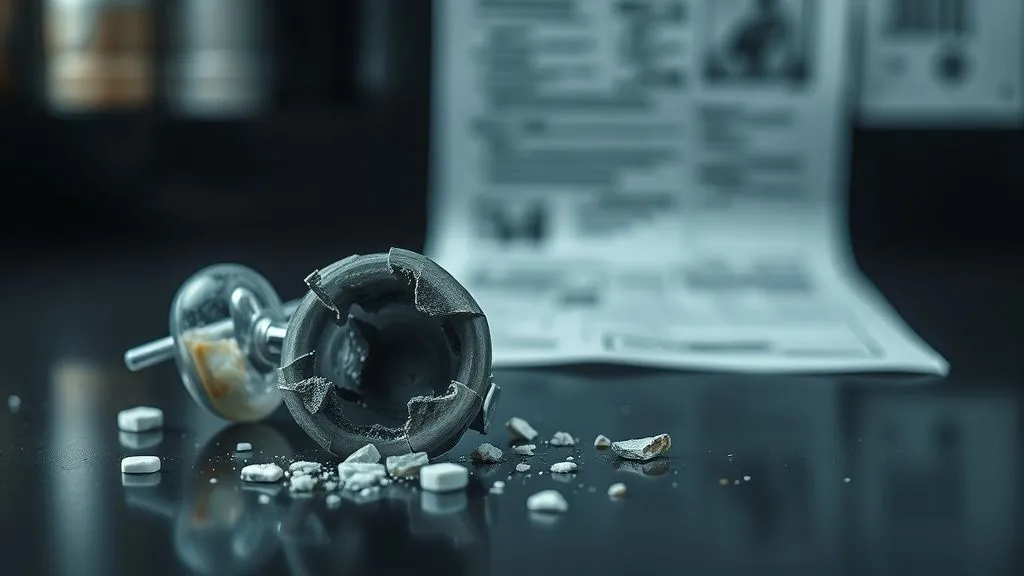
What to do when a product safety defect causes severe injury?
For over two decades in consumer law, I've witnessed the devastating impact a defective product can have on an individual and their family. The initial shock, the physical pain, the emotional trauma – it's a whirlwind that often leaves victims feeling helpless and unsure of their next move.
The pain points are clear: you're grappling with unexpected medical bills, lost wages, and a profound sense of injustice. You bought a product expecting it to be safe, only for it to betray that trust and inflict severe harm. The thought of navigating a complex legal system while recovering from an injury can feel utterly overwhelming.
But you are not helpless, and you are not alone. In this definitive guide, I'll provide you with an actionable, step-by-step framework, drawing from my extensive experience, to protect your rights, seek justice, and embark on the path to recovery. We'll cover everything from immediate actions to take after an incident, to understanding product liability law, gathering critical evidence, and working with legal experts to secure the compensation you deserve.
Immediate Actions: Prioritizing Safety and Medical Care
When a product safety defect causes severe injury, your immediate priority must be your health and safety. I've seen countless cases where crucial steps were missed in the chaos, inadvertently jeopardizing a future claim. Acting swiftly and methodically can make all the difference.
Secure Medical Attention
Your physical well-being comes first. Seek immediate medical attention, even if your injuries don't seem severe at first. Some injuries, like internal bleeding or concussions, might not manifest fully for hours or days. A medical professional can accurately assess your condition, provide necessary treatment, and create a formal record of your injuries directly linking them to the incident.
- Step 1: Call emergency services (911) if the injury is life-threatening or requires immediate hospital transport.
- Step 2: Visit an emergency room, urgent care facility, or your primary physician as soon as possible after the incident.
- Step 3: Clearly explain to medical staff how the injury occurred, specifically mentioning the defective product.
- Step 4: Follow all medical advice, attend follow-up appointments, and complete any prescribed treatments or therapies. Inconsistent medical care can be used by defense attorneys to argue that your injuries weren't as severe or that you failed to mitigate damages.
Preserve the Product and Scene
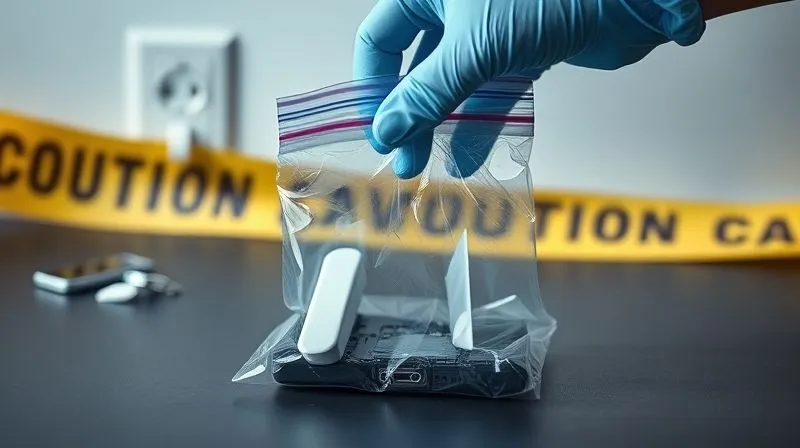
This is perhaps the most critical piece of advice I can offer. The defective product itself is often the most compelling piece of evidence. Do not discard, repair, or alter it in any way. I've seen potential claims crumble because the crucial evidence was lost or tampered with.
- Step 1: Safely secure the product. If it's still dangerous, isolate it in a secure location where it cannot cause further harm.
- Step 2: Do not attempt to fix, clean, or modify the product. Any alteration could be argued as spoliation of evidence.
- Step 3: Collect all associated packaging, manuals, receipts, warranties, and any other documentation related to the product. These can contain vital information about the manufacturer, model, and warnings.
- Step 4: If the incident occurred at a specific location, take photographs and videos of the scene from multiple angles, capturing the product's position, the surrounding environment, and any visible damage or debris.
Understanding Product Liability: Your Legal Foundation
Product liability law holds manufacturers, distributors, suppliers, retailers, and others who make products available to the public responsible for the injuries those products cause. It's a complex area, but understanding its basics empowers you to know your rights. The core principle, in many jurisdictions, is "strict liability," meaning you don't necessarily have to prove negligence, only that the product was defective and caused your injury.
Types of Defects
In my experience, almost all product liability cases fall into one of three categories:
- Manufacturing Defects: These occur when a product deviates from its intended design during production. For example, a batch of toys with a faulty adhesive that causes small parts to break off, posing a choking hazard, would be a manufacturing defect.
- Design Defects: These defects exist when the product's design itself is inherently dangerous, even if manufactured perfectly. A car model prone to rollovers due to its high center of gravity, despite being built exactly as designed, illustrates a design defect.
- Warning Defects (Failure to Warn): These arise when a product lacks adequate warnings or instructions about its non-obvious dangers. A medication that doesn't clearly list all potential severe side effects, or a power tool without proper safety instructions, falls into this category.
"The essence of product liability is ensuring that consumers can trust the goods they purchase. When that trust is broken due to a defect, the law provides a pathway for accountability and redress."
According to the Consumer Product Safety Commission (CPSC), thousands of injuries and even deaths occur each year due to defective products, highlighting the pervasive nature of this issue. Knowing the type of defect at play is crucial for building a strong legal argument.
Gathering Critical Evidence: Building Your Case
A successful product liability claim hinges on robust evidence. As an attorney, I can tell you that the more detailed and comprehensive your evidence, the stronger your position will be. Think of it as painting a complete picture for the court or the insurance company.
Medical Records and Bills
These documents are paramount. They establish the extent of your injuries, the medical treatment you received, and the costs incurred. It's vital to keep every single piece of paper related to your medical care.
- All hospital records, doctor's notes, and diagnostic test results (X-rays, MRIs).
- Prescription records and receipts for medications.
- Physical therapy records, rehabilitation bills, and any future care recommendations.
- Documentation of lost wages or diminished earning capacity due to your injuries.
Photographic and Video Evidence
A picture is worth a thousand words, especially in court. Visual evidence can vividly demonstrate the defect, the scene of the injury, and the nature of your wounds.
- High-resolution photos and videos of the defective product, showing the defect clearly.
- Images of the injury scene, capturing its context and any contributing factors.
- Photographs of your injuries as they progress, from initial trauma to healing, to show their severity and impact.
Witness Testimonies
Eyewitness accounts can corroborate your story and provide independent perspectives on the incident.
- Identify anyone who witnessed the incident or who can testify to your condition before and after the injury.
- Obtain their contact information and a brief written statement if possible.
Evidence Checklist for Product Liability Claims
| Evidence Type | Description | Status |
|---|---|---|
| Defective Product | Actual product, packaging, manuals, receipts | Collected/Missing |
| Medical Records | Hospital, doctor, therapy notes, bills | Collected/Missing |
| Photographic Evidence | Product, injury, scene photos/videos | Collected/Missing |
| Witness Statements | Contact info, brief statements | Collected/Missing |
| Lost Wages Documentation | Pay stubs, employer letter, tax returns | Collected/Missing |
| Correspondence | Emails, letters with manufacturer/insurer | Collected/Missing |
The Role of Legal Counsel: Why You Need a Specialist
When you're facing a severe injury due to a product defect, trying to handle the legal complexities yourself is like trying to perform surgery on yourself. It's possible, but highly inadvisable and likely to lead to a worse outcome. This is where an experienced product liability attorney becomes invaluable.
Finding the Right Attorney
Not just any attorney will do. You need a specialist who understands the intricacies of product liability law, has experience negotiating with large corporations and their legal teams, and isn't afraid to go to trial if necessary.
- Look for Expertise: Seek attorneys with a proven track record in product liability cases. They'll understand the specific statutes, precedents, and expert witnesses required.
- Interview Multiple Firms: Most personal injury attorneys offer free initial consultations. Use this opportunity to gauge their experience, communication style, and comfort level with your specific case.
- Check References and Reviews: Reputable attorneys will have client testimonials and strong professional ratings. Resources like the American Bar Association's Find Legal Help tool can be a starting point.
Contingency Fees Explained
One of the biggest concerns for injured individuals is the cost of legal representation. Most product liability attorneys work on a contingency fee basis. This means:
- You don't pay any upfront legal fees.
- The attorney's fees are a percentage of the final settlement or court award.
- If you don't win, you don't pay attorney fees.
This arrangement ensures that access to justice isn't limited by your current financial situation, aligning your attorney's success directly with your own.
Case Study: The Johnson Family vs. "EverWarm" Heater
The Johnson family purchased an "EverWarm" portable heater, advertised as having advanced safety features. Tragically, a design defect in its thermostat caused it to overheat, igniting nearby curtains and severely burning their youngest child. Initially, the manufacturer's insurer offered a minimal settlement, claiming user error. The Johnson's engaged a product liability specialist who, through expert testimony and meticulous evidence collection (including the charred heater and design schematics), demonstrated a clear design flaw. After months of discovery and negotiation, the manufacturer agreed to a multi-million dollar settlement, covering all medical expenses, future care, pain and suffering, and ensuring the child's long-term well-being. This not only provided justice for the family but also led to a recall and redesign of the faulty product.
Navigating the Legal Process: From Claim to Resolution
Once you've secured expert legal representation, your attorney will guide you through the intricate legal process. It's a journey with several distinct phases, and understanding them can help manage expectations.
Investigation and Discovery
This is where your legal team meticulously builds your case. They will:
- Conduct a thorough independent investigation, often involving forensic engineers and product safety experts.
- Gather all evidence, including your medical records, the defective product, and witness statements.
- Initiate the "discovery" phase, exchanging information with the defendant (the manufacturer, distributor, etc.). This often involves interrogatories (written questions), requests for documents, and depositions (out-of-court sworn testimonies).
Negotiation and Settlement
Many product liability cases are resolved through negotiation rather than going to trial. Your attorney will engage with the defendant's legal team or insurance company to reach a fair settlement. This can involve mediation, where a neutral third party facilitates discussions, or direct negotiations.
Litigation (If Necessary)
If a fair settlement cannot be reached through negotiation, your case may proceed to trial. This involves presenting your evidence and arguments before a judge and jury. While trials can be lengthy and emotionally taxing, a skilled product liability attorney will be prepared to advocate vigorously on your behalf.

Understanding Damages: What Compensation Can You Seek?
One of the primary goals of a product liability claim is to secure compensation for the harm you've suffered. This compensation, known as "damages," is typically categorized into economic, non-economic, and sometimes punitive damages.
Economic Damages
These are quantifiable financial losses directly resulting from your injury. They are often straightforward to calculate with proper documentation.
- Medical Expenses: Past and future medical bills, including hospital stays, surgeries, doctor visits, medications, physical therapy, and assistive devices.
- Lost Wages: Income lost due to inability to work during recovery, as well as future lost earning capacity if the injury results in permanent disability or limits your ability to perform your job.
- Property Damage: Costs to repair or replace any property damaged by the defective product (e.g., a house fire caused by a faulty appliance).
Non-Economic Damages
These are more subjective and compensate for the non-financial impact of your injury on your life. They can be challenging to quantify but are crucial for a complete recovery.
- Pain and Suffering: Compensation for physical pain, discomfort, and emotional distress caused by the injury.
- Emotional Distress: This can include anxiety, depression, PTSD, fear, and other psychological impacts.
- Loss of Enjoyment of Life: Damages for the inability to participate in hobbies, activities, or daily routines you enjoyed before the injury.
- Loss of Consortium: Compensation for the negative impact on your relationships with family members, particularly your spouse.
Punitive Damages
In rare cases, if a manufacturer's conduct was particularly egregious, reckless, or malicious, punitive damages may be awarded. These are not intended to compensate the victim but rather to punish the defendant and deter similar behavior in the future. They serve as a powerful signal that certain corporate conduct is unacceptable.
Types of Damages in Product Liability Claims
| Damage Type | Examples | Quantifiable |
|---|---|---|
| Economic | Medical bills, lost wages, property damage | Yes |
| Non-Economic | Pain & suffering, emotional distress, loss of enjoyment | No (subjective) |
| Punitive | Punishment for egregious conduct | No (court discretion) |
Common Pitfalls and How to Avoid Them
Even with a strong case, certain missteps can severely undermine your claim. Having guided clients through these treacherous waters for years, I can highlight some common pitfalls to avoid.
Statute of Limitations
Every state has a "statute of limitations," which is a strict deadline for filing a lawsuit. If you miss this deadline, you forfeit your right to pursue a claim, regardless of how strong your case is. These deadlines vary significantly by state and type of injury, often ranging from one to four years from the date of injury or discovery of the defect. This is why contacting an attorney promptly is non-negotiable. You can find more specific information on statutes of limitations through legal resources like Nolo.com's state-by-state guide.
Spoliation of Evidence
As mentioned earlier, altering, discarding, or losing the defective product or any related evidence (packaging, receipts) can be devastating to your case. Defense attorneys will argue that you destroyed evidence because it would have proven the product was not defective or that your actions caused the injury. Preserve everything as it was at the time of the incident.
Communicating with Insurers
Be extremely cautious when speaking with the manufacturer's or their insurer's representatives. They are not on your side. Their primary goal is to minimize their payout, and anything you say can be used against you. Do not provide recorded statements, sign any documents, or accept any settlement offers without consulting your attorney. Direct all communications through your legal counsel.
Beyond Compensation: Driving Product Safety Change
While securing compensation for your injuries is a crucial aspect of a product liability claim, many victims also find solace in knowing their actions can prevent future harm. Your case can be a catalyst for broader product safety improvements.
Reporting to Authorities
Even if you pursue a private lawsuit, it's vital to report the defective product to relevant regulatory bodies. The U.S. Consumer Product Safety Commission (CPSC) is the primary agency for most consumer products. Your report contributes to a database that can trigger investigations, recalls, and new safety standards. This collective action is how we make products safer for everyone.
In my career, I've witnessed how individual lawsuits, when coupled with public reporting, can force companies to re-evaluate their design and manufacturing processes. It's not just about your case; it's about contributing to a safer marketplace for all consumers. Your commitment to justice can lead to systemic change, preventing others from experiencing the same trauma.

Frequently Asked Questions (FAQ)
Question: What if I modified the product before the injury occurred? Does that automatically void my claim? Not necessarily. While modifying a product can complicate a claim, it doesn't automatically void it. The key question will be whether your modification directly caused or contributed to the defect and subsequent injury. If the product had an inherent defect that would have caused the injury regardless of your modification, you might still have a case. However, it will make your case significantly more challenging to prove, requiring expert testimony to differentiate between the original defect and the impact of your alteration. Always discuss any modifications with your attorney.
Question: How long does a product liability lawsuit typically take to resolve? The timeline for a product liability lawsuit can vary widely, ranging from several months to several years. Simple cases with clear liability and moderate injuries might settle relatively quickly. Complex cases involving severe injuries, multiple defendants, extensive discovery, or a need for expert testimony can take much longer, especially if they proceed to trial. Factors like the jurisdiction, court backlog, and the defendant's willingness to settle also play a significant role. Your attorney can provide a more specific estimate based on the specifics of your case.
Question: Can I still file a claim if the product has been recalled? Yes, absolutely. A product recall often strengthens your claim because it serves as an admission by the manufacturer or a regulatory body that the product has a safety defect. If you were injured by a product that was later recalled, it provides compelling evidence that the product was indeed defective. However, the recall itself doesn't automatically guarantee compensation; you still need to prove that the recalled defect caused your specific injury.
Question: What if the manufacturer is based in another country? Can I still sue them? Suing an international manufacturer can be more complex but is often possible. It depends on several factors, including where the product was purchased, where the injury occurred, and whether the foreign manufacturer has sufficient "minimum contacts" with your jurisdiction (e.g., selling products there, having distributors). This is a highly specialized area of law, often involving international treaties and jurisdictional rules. An experienced product liability attorney with expertise in international law will be crucial in determining the feasibility and strategy for such a claim.
Question: What if I don't have the original receipt for the product? While having the original receipt is helpful, it's not always essential to prove ownership or purchase. Other forms of evidence can suffice, such as credit card statements, bank records, packaging, user manuals with your name or address, or even witness testimony that you owned and used the product. The key is to establish that you lawfully obtained the product and that it was the specific item that caused your injury. Your attorney will help you explore alternative ways to prove purchase if a receipt isn't available.
Key Takeaways and Final Thoughts
Experiencing a severe injury due to a defective product is a traumatic event, but it does not have to define your future. As an industry specialist, I've seen firsthand the power of informed action and expert guidance in transforming such devastating situations into pathways for justice and recovery.
- Prioritize Medical Care: Your health is paramount. Seek immediate and consistent medical attention.
- Preserve Evidence: The defective product, packaging, and scene are your strongest assets. Do not alter or discard them.
- Understand Your Rights: Product liability law is designed to protect consumers from unsafe goods.
- Seek Specialized Legal Counsel: A product liability attorney is indispensable for navigating complex legal processes and securing fair compensation.
- Document Everything: Maintain meticulous records of medical treatment, expenses, and communication.
Remember, you have rights, and there are legal avenues available to hold responsible parties accountable. While the journey may seem daunting, with the right steps and the right team by your side, you can achieve justice, obtain the compensation needed for your recovery, and even contribute to a safer world for other consumers. Take that first step: secure your health, preserve your evidence, and reach out to an expert who can guide you through this critical time.
Recommended Reading
- Unlock the Power: How Constitutional Amendments Shape Our Democracy Forever
- Is Using a VPN for Sports Betting Illegal? Uncover the Truth Now!
- 7 Steps: Resolve Lien Priority Disputes After Mortgage Refinancing
- Unlock Online Brand Protection: Essential Legal Strategies Revealed!
- 7 Legal Steps: How Landlords Recover Unpaid Rent & Damages Post-Eviction




Comments
Leave a comment below. Your email will not be published. Required fields marked with *