


What to do when a subcontractor abandons a critical project phase?
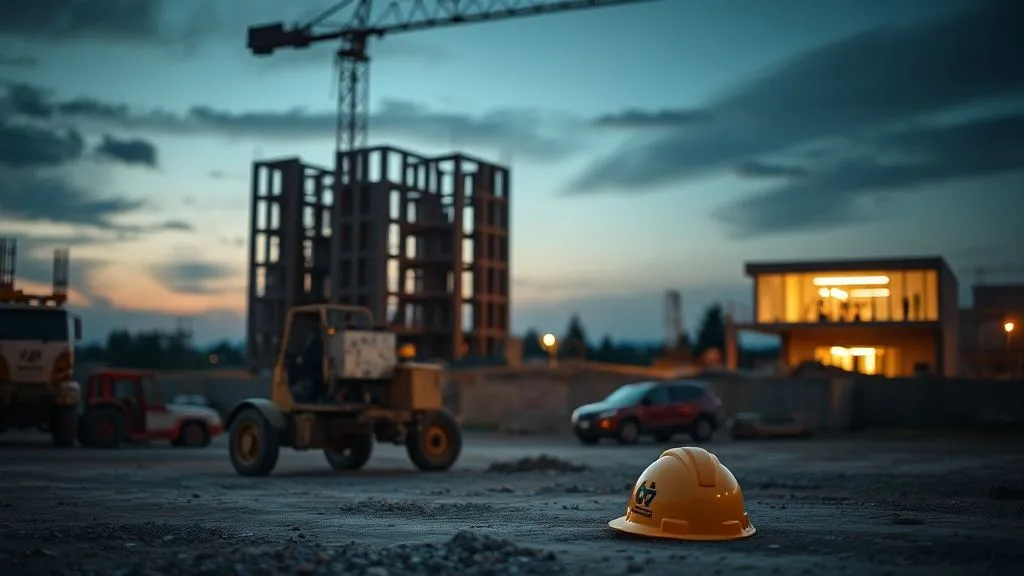
For over two decades in the intricate world of real estate and construction law, I've witnessed firsthand the devastating ripple effects when a subcontractor, without warning, abandons a critical project phase. It’s not just a delay; it’s a sudden, gut-wrenching halt that can jeopardize timelines, budgets, and reputations. I've seen promising projects descend into chaos, leaving general contractors and owners scrambling for solutions.
The immediate aftermath is often characterized by a maelstrom of confusion and panic. Questions swirl: What are our legal obligations? Who covers the costs? How do we get this project back on track without facing catastrophic losses? This isn't merely a logistical headache; it's a profound legal and operational crisis that demands a swift, strategic, and informed response.
In this definitive guide, I will share my accumulated wisdom, offering you a clear, actionable framework to navigate this treacherous terrain. We'll delve into immediate crisis management, critical legal reviews, the nuances of formal notifications, financial damage assessment, leveraging sureties, and ultimately, how to procure a replacement and protect your future projects. My goal is to equip you with not just answers, but with a robust strategy grounded in real-world experience and legal precedent.
1. Immediate Crisis Management: Securing the Site & Documenting the Abandonment
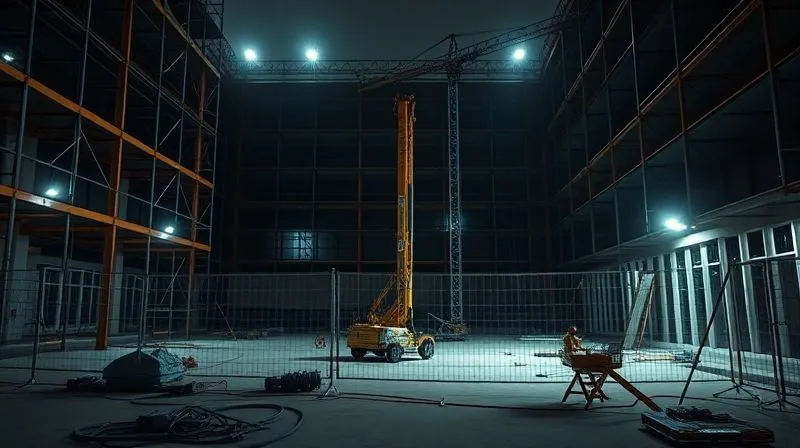
When a subcontractor abandons a critical project phase, your first priority is to secure the site and meticulously document the situation. This isn't just good practice; it's a legal imperative that lays the groundwork for any future claims or actions. I've seen countless cases where a lack of immediate, precise documentation hampered recovery efforts significantly.
Steps to Secure the Site and Preserve Evidence:
- Assess and Secure the Worksite: Immediately evaluate the abandoned work for safety hazards. Ensure all equipment is powered down, materials are covered, and any exposed areas are secured to prevent theft, vandalism, or damage from weather. This might involve temporarily hiring security or reallocating existing personnel.
- Document Everything, Extensively: This is non-negotiable. Take high-resolution photographs and videos of the abandoned work, materials, and equipment. Note the date and time of abandonment, the subcontractor’s last day on site, and the condition of their work. A third-party inspection, if feasible, can add significant weight.
- Create a Detailed Inventory: Document all subcontractor-owned equipment, tools, and unused materials left on site. This is crucial for determining potential liens or set-offs later.
- Review Daily Logs and Communications: Gather all relevant project documentation, including daily reports, correspondence (emails, texts, letters), meeting minutes, and any prior notices or warnings issued to the subcontractor regarding performance issues.
- Notify Relevant Parties: Inform your project owner, other prime contractors, and any affected stakeholders about the abandonment, emphasizing your immediate steps to mitigate impact and secure the site.
I recall a complex commercial build in downtown Chicago where a specialty façade subcontractor simply vanished overnight. The general contractor, wise to the intricacies of construction law, immediately brought in a third-party surveyor to document the incomplete work and secure the high-value, custom-fabricated panels left exposed. This swift action was instrumental in both quantifying damages and proving the extent of the abandonment in subsequent legal proceedings.
2. Understanding Your Contract: The First Legal Review
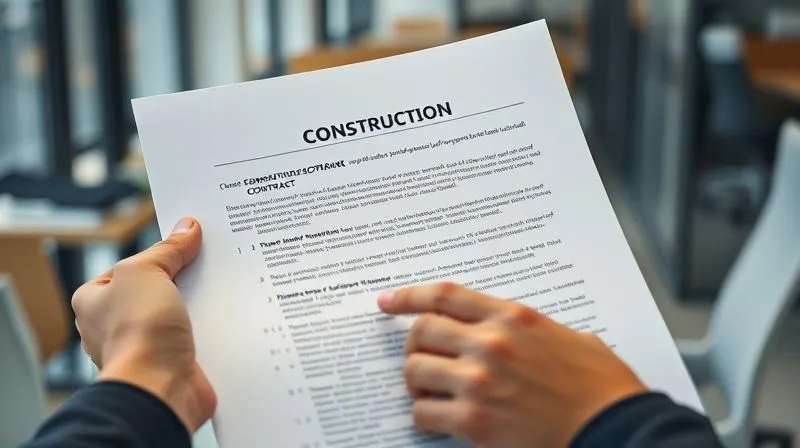
Once the immediate crisis is under control, your focus must shift to the bedrock of any construction project: the contract. The agreement you have with the abandoning subcontractor is your primary legal compass. I've often advised clients that the strength of their position hinges almost entirely on the clarity and comprehensiveness of their contract.
Key Contractual Clauses to Scrutinize:
- Default and Termination Clauses: Look for specific language outlining what constitutes a default, the notice period required, and the procedures for termination for cause. Does it allow for self-help remedies or require formal arbitration?
- Cure Period Provisions: Many contracts mandate a 'cure period' where the defaulting party is given an opportunity to remedy the breach after receiving formal notice. Understanding this timeframe is critical before taking further action.
- Damages and Indemnification: Identify clauses that address liquidated damages, consequential damages, and the subcontractor's responsibility to indemnify you for losses incurred due to their default.
- Surety Bond Requirements: Determine if the subcontractor provided performance or payment bonds. These are invaluable tools for recovery, as we'll discuss.
- Dispute Resolution Mechanisms: Note whether the contract specifies mediation, arbitration, or litigation as the primary method for resolving disputes.
- Assignment Clauses: Can you assign their work to another subcontractor without their consent?
Expert Insight:
“A well-drafted contract isn't merely a document; it's a strategic shield. In cases of abandonment, its specific language dictates your every permissible move, from notice periods to recovery options. Never underestimate its power.”
According to a recent industry report by Findex, contract disputes are a leading cause of project delays and cost overruns, highlighting the critical importance of robust contractual agreements.
3. Formal Notification & Cure Notices: Setting the Legal Stage
After reviewing your contract, the next crucial step is to issue formal notice to the abandoning subcontractor. This isn't just a courtesy; it's a vital legal requirement that often triggers specific contractual obligations and cure periods. Failing to provide proper notice can severely weaken your legal standing.
Crafting and Delivering Effective Notices:
- Draft a Formal 'Notice of Default' or 'Notice to Cure': This document should clearly state that the subcontractor is in default of their contractual obligations, specifically detailing the abandoned work, the date it ceased, and any specific contract clauses being breached.
- Specify the Cure Period: If your contract includes a cure period (e.g., 7 or 10 days), clearly state this timeframe and what actions the subcontractor must take to remedy the default.
- Outline Consequences: Clearly articulate the consequences of failing to cure the default, such as termination for cause, engaging a replacement subcontractor, and seeking damages.
- Demand Return of Property: If the subcontractor has your equipment or proprietary information, demand its immediate return.
- Consider Notice to Surety (if applicable): If a performance bond is in place, simultaneously notify the surety company. Their involvement can significantly expedite resolution.
- Deliver Via Certified Mail with Return Receipt: Ensure undeniable proof of delivery. Email with read receipts or reputable courier services can also supplement this.
Case Study: How Apex Builders Mitigated Abandonment Losses
Case Study: Apex Builders' Strategic Response to Subcontractor Default
Apex Builders, a reputable general contractor, faced a dire situation when their HVAC subcontractor walked off a major hospital expansion project without warning. The contract included a strict 7-day cure period. Apex immediately issued a formal 'Notice to Cure' via certified mail, simultaneously informing the subcontractor's performance bond surety. When the subcontractor failed to respond within the cure period, Apex swiftly terminated the contract for cause and, with the surety's cooperation, engaged a replacement subcontractor. The surety covered the increased costs of the replacement and the associated delays, saving Apex millions in potential litigation and project penalties. This demonstrated the immense value of both a robust contract and prompt, legally compliant action.
4. Assessing Damages & Costs: Quantifying the Impact
Accurately quantifying the financial impact of subcontractor abandonment is paramount for any recovery efforts. This isn't just about the cost of completing the work; it encompasses a broader spectrum of direct and indirect damages. I always emphasize that a thorough damage assessment is your leverage in negotiations or litigation.
Categories of Damages to Calculate:
- Cost to Complete the Work: This is typically the difference between the original subcontractor's contract price and the cost of hiring a new subcontractor to finish the abandoned scope of work.
- Delay Damages: Costs incurred due to project delays, such as extended general conditions, liquidated damages owed to the owner, increased financing costs, and loss of revenue.
- Remedial Work Costs: Expenses to correct any defective or non-conforming work left by the abandoning subcontractor.
- Administrative Costs: Time and resources spent managing the default, including legal fees, internal personnel costs for damage assessment, and new procurement.
- Material and Equipment Loss/Damage: Costs associated with stolen, damaged, or unrecoverable materials and equipment.
- Loss of Productivity: Impact on the efficiency of other trades due to the disruption.
Table: Immediate Cost Impact Assessment Checklist
| Cost Category | Status/Estimate | Estimated Impact |
|---|---|---|
| Replacement Subcontractor Bids | Gathering 3 bids | $+X,XXX,XXX |
| Project Delay (per day) | 20 days estimated delay | $+XX,XXX |
| Remedial Work/Fixes | Identified 3 areas | $+X,XXX |
| Legal/Admin Fees | Ongoing | $+X,XXX |
| Equipment/Material Loss | Inventory completed | $+X,XXX |
5. Engaging with Sureties & Insurance: Leveraging Protections
If your subcontractor furnished a performance bond, engaging with the surety company is often the most direct and efficient path to recovery. A performance bond is essentially a guarantee that the work will be completed, even if the subcontractor defaults. I've seen these bonds save projects from financial ruin.
Working with Surety Companies:
- Formal Notification: As mentioned, prompt notification to the surety is critical. Provide them with all documentation related to the abandonment, including the contract, notices of default, and your damage assessment.
- Surety's Options: The surety typically has several options:
- Finance the Original Subcontractor: Rarely happens if abandonment is complete.
- Take Over and Complete the Work: The surety hires a new subcontractor to finish the job.
- Tender a New Subcontractor: The surety finds a new subcontractor for you to contract with.
- Pay the Obligee (You): The surety pays you the cost to complete the work, up to the bond limit.
- Cooperate Fully: Provide the surety with all requested information and access to the site. Their goal is to minimize their loss, which often aligns with your goal of project completion.
Beyond performance bonds, review your own insurance policies. While less common for subcontractor abandonment, certain aspects might be covered, particularly if there's damage to property or other unforeseen events directly stemming from the abandonment. For instance, builder's risk insurance might cover damage to materials left exposed due to abandonment.
6. Procuring a Replacement Subcontractor: The Expedited Process
Even with legal actions underway, the project must move forward. Procuring a replacement subcontractor quickly and efficiently is paramount to minimizing further delays and costs. This often requires a highly expedited process, balancing speed with due diligence.
Strategies for Rapid Replacement:
- Leverage Existing Relationships: Reach out to trusted subcontractors in your network who have demonstrated reliability and quality work. They might be able to mobilize faster.
- Emergency Bidding: Issue a targeted, expedited bidding process for the abandoned scope of work. Be transparent about the situation, but also firm on timelines and expectations.
- Scope Definition: Clearly define the remaining scope of work, including any remedial actions needed. Provide all relevant plans, specifications, and documentation to potential replacements.
- Negotiate Smartly: While urgency is high, don't compromise on fair pricing or contractual terms. Ensure the new contract includes robust default clauses and clear performance metrics.
- Onboarding and Integration: Facilitate a smooth transition by quickly integrating the new subcontractor into the project team, ensuring they have all necessary site access, safety briefings, and coordination with other trades.
I’ve advised many clients to consider a 'cost-plus' contract with a trusted replacement in highly urgent situations, where the new subcontractor is reimbursed for their direct costs plus an agreed-upon percentage for overhead and profit. This can incentivize quick mobilization while still providing oversight.
According to a report by the Associated General Contractors of America (AGC), skilled labor shortages continue to impact project timelines, making expedited subcontractor procurement even more challenging but essential.
7. Litigation & Alternative Dispute Resolution: When to Escalate
Despite best efforts, some subcontractor abandonment cases inevitably lead to formal dispute resolution. Deciding whether to pursue litigation or alternative dispute resolution (ADR) like mediation or arbitration requires careful consideration of costs, timelines, and desired outcomes.
Navigating Legal Recourse:
- Mediation: A non-binding process where a neutral third party helps the parties reach a mutually agreeable settlement. It's often faster and less expensive than litigation, preserving business relationships.
- Arbitration: A more formal process than mediation, where a neutral arbitrator (or panel) hears evidence and makes a binding decision. It's typically quicker than court, but less flexible.
- Litigation: The most formal and often most expensive option, involving court proceedings. It offers the full force of legal discovery and precedent but can be protracted and public.
Before escalating, weigh the potential recovery against the legal fees, time investment, and disruption to your business. Sometimes, a settlement, even if less than ideal, is a more pragmatic outcome than a lengthy legal battle. I always advise my clients to consider the 'cost of winning' – not just the monetary cost, but the opportunity cost as well.
“The courtroom should be a last resort, not a first reaction. Explore all avenues of negotiation and ADR. Your project's momentum and financial health often depend on a swift, rather than a perfect, resolution.”

8. Preventative Measures: Fortifying Future Contracts
While reacting effectively to subcontractor abandonment is crucial, the ultimate goal is to prevent it from happening again. Proactive measures, embedded in your contractual agreements and operational processes, are your strongest defense.
Strategies for Risk Mitigation:
- Robust Subcontractor Vetting: Conduct thorough due diligence on all potential subcontractors. Check references, verify financial stability, review past performance, and assess their safety record. A subcontractor's history is often the best predictor of future behavior.
- Comprehensive Contract Language: Ensure your subcontracts include:
- Clear scopes of work and specifications.
- Defined performance metrics and schedules.
- Strong default, termination for cause, and cure period clauses.
- Mandatory performance and payment bonds for critical trades.
- Indemnification clauses that cover abandonment-related damages.
- Clear dispute resolution mechanisms.
- Escrow Accounts or Joint Checks: For high-risk or financially precarious subcontractors, consider using joint check agreements with suppliers or setting up escrow accounts for progress payments to ensure funds are used for the project.
- Regular Performance Monitoring: Don't wait for a problem to escalate. Implement regular site visits, progress meetings, and clear communication channels to monitor subcontractor performance closely. Address minor issues before they become major defaults.
- Step-In Rights: Include clauses that allow the general contractor to 'step in' and perform or complete the subcontractor's work under specific default conditions, often at the subcontractor's expense.
- Liquidated Damages: For critical project phases, consider incorporating liquidated damages clauses for delays caused by subcontractor default. This provides a clear, pre-agreed financial consequence.
The investment in a meticulously crafted contract and a rigorous vetting process pays dividends by significantly reducing your exposure to the costly and disruptive event of subcontractor abandonment. This proactive approach is the hallmark of experienced project management.
Frequently Asked Questions (FAQ)
Question? Can I seize the abandoned equipment and materials left by the subcontractor?
Detailed answer: This is a complex legal area and generally, no, you cannot simply seize and use or sell the subcontractor's abandoned equipment or materials without proper legal process. Doing so could lead to claims of conversion or theft. Your contract might have specific clauses regarding abandoned property, allowing you to secure it and even dispose of it after a certain notice period and if the subcontractor fails to retrieve it. However, it's crucial to consult with legal counsel before taking any action to ensure compliance with contract terms and local lien laws. In some cases, the materials might be subject to a supplier's lien.
Question? How long does it typically take to resolve a subcontractor abandonment dispute through legal means?
Detailed answer: The timeline varies wildly depending on the complexity of the case, the amount of damages, the clarity of the contract, and the chosen dispute resolution method. Mediation can sometimes resolve issues in weeks or a few months. Arbitration might take 6-18 months. Litigation, especially if it goes to trial and involves appeals, can easily span several years, often 2-5 years or even longer. This is why I always advocate for strong contracts and early, proactive engagement with sureties or ADR.
Question? What if the abandoning subcontractor declares bankruptcy?
Detailed answer: A subcontractor's bankruptcy adds another layer of complexity. If they file for bankruptcy, an 'automatic stay' typically goes into effect, preventing you from pursuing legal action against them directly without permission from the bankruptcy court. If you have a performance bond, you would pursue the surety, as the bond is a separate obligation. If no bond exists, you would become an unsecured creditor in the bankruptcy proceedings, which often means recovering only a fraction, if any, of your damages. Again, having a strong bond or other financial security is critical here.
Question? Can I hold the project owner responsible for the subcontractor's abandonment?
Detailed answer: Generally, no. As the general contractor, you are typically responsible for the performance of your subcontractors. The project owner contracts with you, not directly with your subcontractors. Your contract with the owner will usually specify that you are solely responsible for the work of all your subs. However, if the owner's actions (e.g., late payments, changes in scope) directly caused or contributed to the subcontractor's abandonment, there might be a basis for a claim against the owner, but this is highly fact-specific and rare.
Question? Should I immediately terminate the contract or try to get the subcontractor back on site?
Detailed answer: My advice is to follow the contract's cure provisions. Issue a formal notice to cure, giving the subcontractor the opportunity to return and remedy the default within the specified timeframe. This demonstrates good faith and fulfills your contractual obligations, which is crucial if you later need to terminate for cause. Attempting to get them back on site without formal notice can complicate future legal claims. Only after the cure period expires without remedy should you proceed with termination.
Key Takeaways and Final Thoughts
- Act Swiftly & Document Meticulously: Immediate site security and comprehensive documentation are your foundational steps.
- Know Your Contract: Your agreement is your legal blueprint; understand its default, termination, and cure provisions.
- Formal Notice is Non-Negotiable: Properly issued notices are critical for triggering contractual rights and protecting your position.
- Quantify Damages Precisely: A thorough assessment of all costs—direct and indirect—strengthens your recovery efforts.
- Leverage Sureties: Performance bonds are powerful tools; engage the surety early and cooperatively.
- Expedite Replacement Smartly: Balance speed with due diligence when procuring a new subcontractor.
- Choose Dispute Resolution Wisely: Weigh the costs and benefits of mediation, arbitration, or litigation.
- Prioritize Prevention: Robust vetting and comprehensive contract language are your best defenses against future abandonment.
Navigating subcontractor abandonment is undoubtedly one of the most challenging scenarios in construction. However, by adhering to a structured, legally informed approach, you can mitigate the damage, protect your project, and ultimately emerge stronger. Remember, experience has taught me that foresight in contracting and swift, decisive action in crisis are the hallmarks of a resilient project leader. You have the tools; now, apply them with confidence and diligence.
Recommended Reading
- Post-Scandal Sponsorship: 7 Steps to Renegotiate & Rebuild Trust
- 7 Essential Legal Steps After a Consumer Data Breach: Your Action Plan
- In Absentia Deportation? 5 Steps to Your Urgent Motion to Reopen
- What Are the Immediate Legal Risks of New PFAS Regulations? 5 Key Areas
- Unearth the Truth: Navigating Legal Challenges of Brownfield Redevelopment




Comments
Leave a comment below. Your email will not be published. Required fields marked with *