


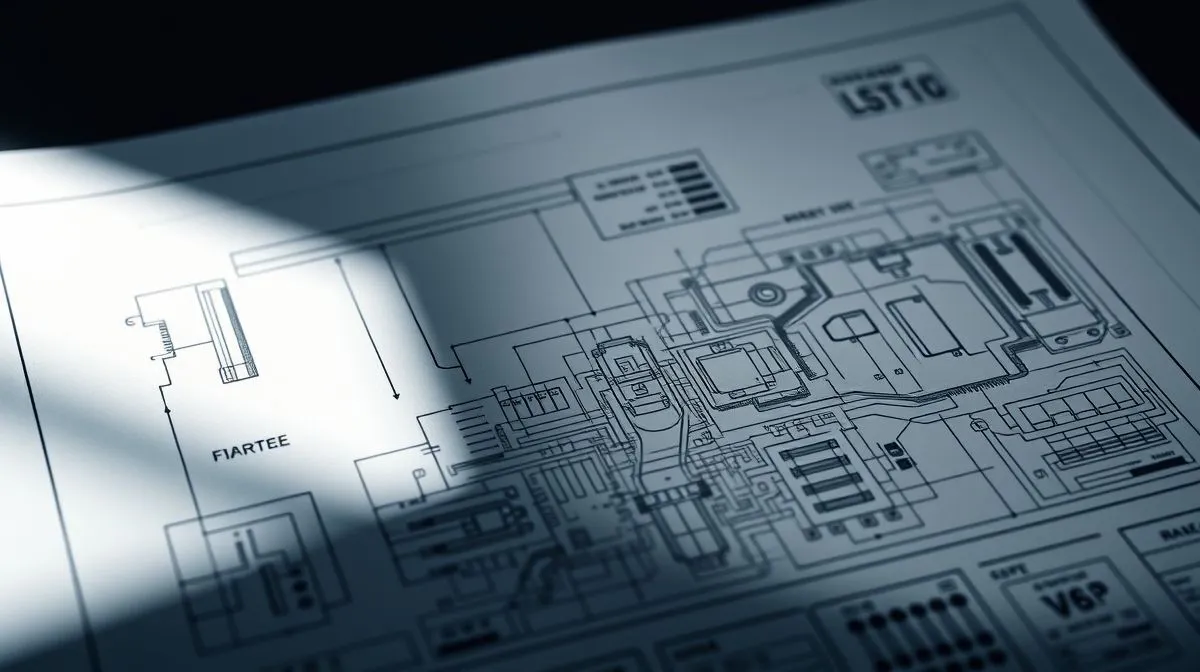
What to do when competitors steal your product designs?
For over two decades in the intellectual property landscape, I've witnessed the profound distress and strategic paralysis that descends upon innovators when they discover their hard-won product designs have been shamelessly copied. It's more than just a business setback; it's a gut punch to creativity, a violation of trust, and a direct threat to your market position.
That feeling of seeing a cheaper, often inferior, replica of your unique product hit the market, undermining your investment and effort, is a scenario I've helped countless clients navigate. It feels unfair, infuriating, and often, overwhelming. The immediate question that floods your mind is: "What can I possibly do about this?"
In this definitive guide, I'll walk you through not just the legal intricacies, but the practical, strategic frameworks I've developed and refined over the years to combat design theft effectively. From irrefutable evidence gathering to proactive measures, and from tactical legal responses to leveraging your brand, you'll gain actionable insights and a clear roadmap on what to do when competitors steal your product designs.
The Indispensable First Step: Confirming the Theft and Documenting Evidence
Before any strategic or legal action can be taken, emotional reactions must be set aside in favor of meticulous documentation. The strength of your case, whether for a cease and desist or full-blown litigation, hinges entirely on the quality and irrefutability of your evidence.
Gathering Digital and Physical Evidence
This isn't just about pointing fingers; it's about building an airtight narrative supported by facts. In my experience, the more comprehensive your initial evidence collection, the stronger your position will be.
- Obtain the Competitor's Product: Purchase the infringing product. Ensure it's from a verifiable source (e.g., their official website, a reputable retailer). Keep all receipts, packaging, and shipping labels.
- Detailed Photographic & Video Evidence: Take high-resolution photos and videos of both your product and the competitor's, side-by-side. Highlight specific design elements that have been copied. Use various angles and lighting.
- Design Process Documentation: Gather all your internal design files – sketches, CAD drawings, prototypes, patent applications, design logs, and meeting minutes. These prove your original creation date and the evolution of your design.
- Public Launch & Marketing Materials: Collect evidence of your product's public introduction, such as press releases, social media posts, advertising campaigns, and product launch event details. This establishes prior public disclosure.
- Witness Statements: If applicable, gather statements from employees, suppliers, or customers who can attest to the originality of your design or the competitor's copying.
- Timestamping and Notarization: For critical digital evidence, consider using a digital timestamping service or having documents notarized to provide an unalterable record of their existence at a specific time.
Remember, every piece of evidence tells a part of the story. The more complete the story, the more compelling your case will be.
Understanding Your IP Rights: Design Patents, Copyrights, and Trade Dress
When facing design theft, many immediately think of patents. While crucial, your intellectual property (IP) portfolio can offer a multi-layered defense. I've often seen businesses overlook or misunderstand the nuanced protections available to them.
Design Patents: The Aesthetics Shield
A design patent protects the ornamental design of an article of manufacture. Unlike a utility patent, which covers how a product works or is used, a design patent protects its unique appearance. Think of the distinctive shape of a specific smartphone or a piece of furniture.
For example, Apple holds numerous design patents for the visual elements of its iPhones. If a competitor copies the aesthetic aspects of your product, a design patent is your primary weapon. It's essential to have filed for these protections early in your product development cycle.
Copyright: Protecting Original Expression
Copyright protects original works of authorship fixed in a tangible medium of expression. While typically associated with books, music, and art, copyright can apply to certain aspects of product design, particularly if the design incorporates separable artistic or sculptural features. For instance, a unique pattern on a textile product or a distinctive sculptural element on a lamp could be protected by copyright.
Trade Dress: The Look and Feel
Trade dress refers to the overall look and feel of a product or its packaging that indicates its source and distinguishes it from others. It can encompass elements like size, shape, color, texture, graphics, and even sales techniques. Think of the distinctive Coca-Cola bottle shape or the unique decor of a restaurant chain.
To qualify for trade dress protection, the design must be non-functional and distinctive. If your competitor has mimicked the overall visual impression of your product or its packaging, trade dress infringement might be a viable claim.
Key Insight: Your intellectual property is a multi-layered defense. A comprehensive strategy often involves leveraging a combination of design patents, copyrights, and trade dress protection, depending on the specific elements of your product that have been copied. Understanding these distinctions is paramount to crafting an effective counter-strategy when wondering what to do when competitors steal your product designs.
Strategic Response Pathways: From Cease and Desist to Litigation
Once you've meticulously gathered evidence and understood your IP rights, the next step is to choose the most appropriate response. This is where strategic thinking, guided by experienced legal counsel, becomes critical. There's no one-size-fits-all answer; the path depends on the severity of the infringement, the competitor's size, and your desired outcome.
Option 1: The Tactical Cease and Desist Letter
Often, the first line of defense is a formal cease and desist letter. This letter, drafted by your legal counsel, informs the infringer of your IP rights, presents the evidence of infringement, and demands that they immediately stop their infringing activities. It typically includes a deadline for compliance and warns of further legal action if ignored.
- Draft with Precision: The letter must be legally sound, clearly outlining the infringed IP and the specific acts of infringement. Avoid emotional language.
- Deliver with Proof: Send via certified mail with return receipt, or through a process server, to ensure undeniable proof of delivery.
- Monitor for Compliance: After sending, closely monitor the competitor's actions. Do they pull the product? Do they respond?
A well-crafted cease and desist can be highly effective, especially against smaller infringers or those who may have unknowingly infringed. It's often a cost-effective way to resolve the issue before escalating to more expensive options.
Option 2: Mediation and Alternative Dispute Resolution
If a cease and desist letter doesn't yield the desired results, or if you prefer a less adversarial approach, mediation or arbitration can be excellent alternatives. These processes involve a neutral third party helping the disputing parties reach a mutually agreeable settlement.
Mediation allows for creative solutions that might not be possible in court, such as licensing agreements or product modifications. Arbitration, while more formal, is typically faster and less expensive than traditional litigation, with the arbitrator's decision often being binding.
Option 3: Pursuing Litigation
When all else fails, or if the infringement is severe and intentional, litigation may be the only viable option. This involves filing a lawsuit in court to seek an injunction (a court order to stop the infringing activity) and damages (compensation for losses incurred due to the infringement).
Litigation is a complex, time-consuming, and expensive process. It involves discovery (exchanging information and evidence), motions, and potentially a full trial. However, it can also yield significant victories, protecting your market share and establishing a powerful precedent.
Case Study: The "EchoForge" Saga
I recall a client, Acme Innovations, a mid-sized consumer electronics firm, who had developed a truly unique, patented speaker design. Within months of their successful launch, a competitor, EchoForge, released a remarkably similar product. Acme initially sent a robust cease and desist, backed by their design patent. EchoForge's legal team responded dismissively, claiming minor differences.
Acme, having meticulously documented their design process and the competitor's product, decided to pursue litigation. Their legal team presented compelling evidence of design patent infringement and trade dress similarities. The discovery phase revealed internal emails from EchoForge discussing Acme's product. This evidence, combined with expert testimony, demonstrated clear infringement. After months of intense legal maneuvering, EchoForge, facing a strong likelihood of a finding of willful infringement, opted for a substantial settlement, which included a perpetual injunction against selling the infringing product and significant damages. This case powerfully illustrates the value of proactive IP protection and persistent enforcement when knowing what to do when competitors steal your product designs.
The decision to litigate should never be taken lightly. It requires a strong case, significant financial resources, and a commitment to seeing it through. For more in-depth information on IP litigation, I recommend exploring resources from reputable legal institutions or government bodies like the United States Patent and Trademark Office (USPTO).
Proactive Measures: Fortifying Your Innovation Before It's Stolen
While knowing what to do when competitors steal your product designs is crucial, the truly savvy innovator builds defenses long before an attack. Prevention, in the realm of IP, is always more cost-effective and less stressful than reaction. This proactive stance is something I consistently emphasize to my clients.
Robust Internal IP Policies
The first line of defense is often internal. Many instances of IP leakage occur due to lax internal controls or unaware employees.
- Non-Disclosure Agreements (NDAs): Ensure all employees, contractors, and potential partners sign comprehensive NDAs before being exposed to sensitive design information.
- Employee IP Assignment Agreements: Implement agreements stating that any IP developed by employees during their employment belongs to the company.
- IP Training and Awareness: Regularly educate your team on the importance of IP, how to protect it, and how to identify potential threats or leaks.
- Restricted Access: Limit access to sensitive design files and prototypes only to those who absolutely need it. Implement strong digital security measures.
Strategic Patent & Design Registration
The adage "An ounce of prevention is worth a pound of cure" rings especially true here. Securing your IP rights early is foundational.
Don't wait until your product is a market success to consider protection. File for design patents, utility patents (if applicable), and register copyrights for any relevant artistic elements as early as possible in the development cycle. This creates a public record of your ownership and provides the legal basis for enforcement. The World Intellectual Property Organization (WIPO) offers extensive resources on international design protection.
Continuous Market Monitoring
Vigilance is key. You can't fight a battle you don't know is happening. Implement systems to continuously monitor the market for infringing products.
- Competitor Analysis: Regularly review competitors' product launches, marketing materials, and patent filings.
- Online Monitoring Tools: Utilize specialized software that can scan e-commerce sites, social media, and patent databases for similar designs or keywords related to your product.
- Industry Networks: Stay connected with industry peers and suppliers who might spot infringing products in the supply chain or at trade shows.
Leveraging Public Opinion and Brand Strategy
While legal avenues are paramount, sometimes the court of public opinion can exert significant pressure. This is a delicate strategy, requiring careful communication, but it can be a powerful tool when executed ethically.
Communicating Your Stance Ethically
If you decide to go public with an infringement claim, it's crucial to do so responsibly. Avoid libel or defamation. Instead, focus on factual statements about your innovation, the value it brings, and the importance of respecting intellectual property. Highlight your originality and the investment you've made.
A public statement might involve a press release, a blog post, or a social media campaign that educates your audience on the distinctiveness of your product and subtly contrasts it with inferior imitations. The goal is to rally support from your customer base and the broader industry, not to engage in mudslinging.
Reinforcing Your Brand's Originality
Even as you address infringement, double down on marketing your unique value proposition. Remind your customers why your original product is superior in terms of quality, functionality, customer service, and innovation. This can turn a negative situation into an opportunity to reinforce brand loyalty and differentiate yourself further from copycats.
Key Insight: Your brand story and the trust you've built with your customers are powerful assets. In times of infringement, leveraging public opinion and reinforcing your brand's commitment to originality can be a strategic complement to legal actions.
The Cost-Benefit Analysis of IP Enforcement
As a seasoned expert, I'm often asked: "Is it really worth it to pursue legal action?" This is a critical question, and the answer is rarely simple. It requires a thorough cost-benefit analysis, weighing potential outcomes against the significant investments of time, money, and emotional energy.
Assessing Potential Damages vs. Legal Fees
On the "cost" side, you have legal fees, which can range from thousands for a cease and desist to hundreds of thousands or even millions for full-scale litigation. Then there are court costs, expert witness fees, and the opportunity cost of diverting internal resources to the dispute.
On the "benefit" side, you're looking at potential damages (lost profits, reasonable royalties, or even enhanced damages for willful infringement), the cessation of infringing sales, and the recovery of market share. But beyond monetary gains, there's the invaluable benefit of protecting your brand's reputation, deterring future infringers, and preserving your competitive edge. As a study highlighted by Harvard Business Review suggests, intellectual property is increasingly seen as a core driver of corporate value.
Long-Term Business Implications
Sometimes, the greatest benefit isn't immediate financial recovery, but the long-term strategic advantage. Successfully defending your IP sends a strong message to the market: your designs are protected, and you're willing to fight for them. This can deter future copying attempts and enhance your company's valuation.
Conversely, failing to act can be interpreted as weakness, inviting more infringement. The decision on what to do when competitors steal your product designs should always align with your overall business strategy and long-term vision.
International Considerations: When Competitors Operate Abroad
In our interconnected global economy, it's increasingly common for design theft to originate from or primarily operate in foreign jurisdictions. This adds a layer of complexity to enforcement, as IP laws vary significantly from country to country.
Navigating Different Legal Systems
Your IP rights are generally territorial. A U.S. design patent, for example, only offers protection within the United States. If your competitor is manufacturing or selling infringing products in China, you'll need IP protection in China and may need to pursue legal action under Chinese law.
International treaties like the Hague Agreement Concerning the International Registration of Industrial Designs can simplify the process of obtaining design protection in multiple countries through a single application. However, enforcement often still requires navigating local courts and legal procedures.
Local Counsel and Enforcement Challenges
When dealing with international infringement, it's imperative to engage local IP counsel in the relevant jurisdiction. These attorneys understand the nuances of their country's laws, court systems, and enforcement mechanisms. They can advise on the feasibility, cost, and typical outcomes of litigation in their territory. Be prepared for potential challenges, including differences in legal discovery, slower court processes, or varying levels of IP enforcement effectiveness.
Frequently Asked Questions (FAQ)
Question 1: Can I really stop a large corporation from copying my design?
Yes, absolutely. While challenging, large corporations are often more sensitive to legal action and reputational damage. They typically have deep pockets, which can make them a more attractive target for damages, but also means they have robust legal teams. Your success hinges on the strength of your evidence and the validity of your IP. A well-documented case, even against a giant, often leads to a favorable settlement or injunction, as they prefer to avoid prolonged, costly public battles.
Question 2: What if I can't afford expensive legal action? Are there alternatives?
There are definitely alternatives. Start with a professionally drafted cease and desist letter, which is relatively inexpensive. Consider mediation or arbitration, which are significantly cheaper than litigation. Some law firms offer contingency fee arrangements for strong cases, where they only get paid if you win. Additionally, for smaller businesses or individual inventors, there are pro bono IP legal clinics or non-profit organizations that might offer assistance. Sometimes, even public pressure through social media or industry forums can be effective if handled carefully.
Question 3: How long does it typically take to resolve a design theft case?
The timeline varies wildly. A simple cease and desist might resolve in weeks if the infringer complies. Mediation could take a few months. Full-blown IP litigation, however, can easily span 18 months to 3 years, or even longer if appeals are involved. Factors influencing duration include the complexity of the case, the jurisdiction, the court's caseload, and the willingness of both parties to settle.
Question 4: Is it worth pursuing legal action if the competitor only made minor changes to my design?
This is a nuanced question. Design patent and trade dress infringement don't require an exact copy; they require that an ordinary observer would find the two designs substantially similar in their overall appearance. Even minor changes might not be enough to avoid infringement if the overall "look and feel" is too close. It's crucial to consult with an IP attorney who can assess the degree of similarity and advise on the strength of a potential claim. Sometimes, even minor changes can dilute your brand and market, making action worthwhile.
Question 5: Beyond legal steps, what strategic moves can I make to protect my market share?
Beyond legal action, focus on strengthening your brand and innovation pipeline. Continuously innovate and release new, superior designs. Emphasize your unique selling propositions, quality, and customer service. Build a strong brand narrative that differentiates you from copycats. Invest in marketing that highlights your originality. Consider licensing your design to reputable partners to expand market reach legitimately. Ultimately, staying ahead through continuous innovation is a powerful defense against those who only know how to follow.
Recommended Reading
- The Vital Role of NGOs in Shaping International Organizations
- Immutable Blockchain & GDPR: 7 Steps to Data Compliance
- Unlock Sports Integrity: The Ultimate Guide to Legal Compliance in Governance
- Unveiling the Secrets: How Courts Review Agency Statutory Interpretations
- Can Unions Help Me Fight Wrongful Termination? Your Ultimate Guide
Key Takeaways and Final Thoughts
- Document Everything: Your case's foundation is irrefutable, timestamped evidence of your original design and the competitor's infringement.
- Understand Your Full IP Toolkit: Beyond patents, copyright and trade dress offer critical layers of protection. Know your rights.
- Strategize Your Response: From a precise cease and desist to mediation or litigation, choose the pathway that aligns with your goals and resources.
- Prioritize Proactive Protection: Robust internal policies, early registration of IP, and continuous market monitoring are your strongest preventative measures.
- Leverage Your Brand Ethically: Public opinion, when managed carefully, can complement legal action and reinforce your market position.
- Conduct a Thorough Cost-Benefit Analysis: Assess not just monetary costs and gains, but the long-term strategic implications of your enforcement decisions.
The theft of your product designs is a challenging and frustrating experience, but it is not a death sentence for your innovation. As an industry expert who has walked this path with countless businesses, I can tell you that with the right strategy, meticulous preparation, and determined execution, you can effectively combat infringement and safeguard your creative assets. Your innovation is your legacy; protect it fiercely.




Comments
Leave a comment below. Your email will not be published. Required fields marked with *