


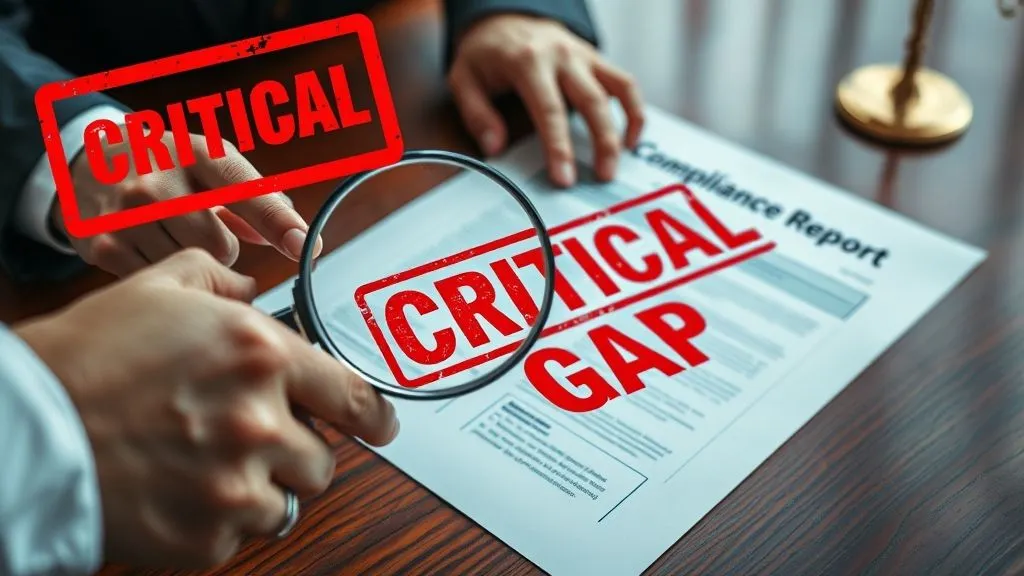
What to Do When Internal Audit Uncovers a Critical Compliance Gap?
For over two decades in corporate law, I've witnessed the full spectrum of reactions when an internal audit uncovers a critical compliance gap. Some organizations panic, leading to disorganized, knee-jerk responses that often exacerbate the problem. Others, however, approach it with a calm, strategic resolve, transforming a potential crisis into an opportunity for significant structural improvement.
The discovery of such a gap can feel like a punch to the gut for any leadership team. It signals not just a potential breach of regulations or internal policies, but also significant financial, reputational, and legal risks. The immediate inclination might be to downplay, deflect, or simply fix the surface-level issue, but that approach is a perilous path.
In this definitive guide, I will share the robust, experience-backed framework that I've seen successfully navigate and resolve these challenging situations. We'll delve into actionable strategies, from immediate triage to long-term systemic improvements, ensuring you're equipped to not only fix the current problem but also fortify your organization against future compliance failures.
Immediate Triage: Confirming the Gap and Halting the Bleed
The moment an internal audit flags a critical compliance gap, your organization enters a high-stakes scenario. Your immediate priority isn't just about understanding the 'what,' but swiftly containing the potential damage. This initial phase is about validation and stabilization, much like a first responder assessing an emergency.
Validating the Audit Findings
Before any major action, it's crucial to confirm the accuracy and scope of the audit finding. While internal audit reports are typically rigorous, a quick, focused review by a small, senior team (e.g., General Counsel, Head of Compliance, relevant business unit leader) is essential. This isn't about disputing the audit, but ensuring a precise understanding of the identified vulnerability.
Key Steps for Validation:
- Review Audit Documentation: Scrutinize the audit report, working papers, and any supporting evidence.
- Interview Key Personnel: Speak with those directly involved in the process where the gap was identified.
- Assess Scope and Impact: Determine how widespread the issue is and its potential impact on operations, finance, and reputation.
“In the face of a critical compliance gap, clarity precedes action. Rushing to fix something you don't fully understand is a recipe for further complications.”
Implementing Interim Controls
Once validated, the next critical step is to implement immediate, temporary measures to prevent further non-compliance or exposure. Think of these as emergency shutters; they might not be the permanent solution, but they stop the immediate threat. This could involve pausing certain operations, restricting access to data, or issuing temporary directives.
For instance, if a data privacy gap is found, interim controls might include temporarily suspending data collection practices, isolating affected systems, or enhancing immediate access controls. The goal is to stop the 'bleeding' while a more comprehensive solution is developed.

Assembling Your Rapid Response Team: The Right Expertise Matters
Addressing a significant compliance gap is rarely a one-person job. It demands a coordinated, cross-functional effort. Assembling the right rapid response team is paramount, ensuring you have the diverse expertise needed to tackle legal, operational, technical, and communication challenges.
Defining Roles and Responsibilities
A typical response team should include representatives from:
- Legal/General Counsel: For legal interpretation, regulatory reporting, and risk assessment.
- Compliance Officer: For framework adherence, policy review, and remediation oversight.
- Internal Audit (as an advisor): To provide context on findings and methodology.
- Relevant Business Unit Head: To provide operational context and implement changes.
- IT/Cybersecurity: For technical remediation and data security aspects.
- Communications/PR: For internal and external messaging, especially if public disclosure is likely.
- HR: For personnel-related issues, training, and policy enforcement.
Clearly define the leader of this team and establish a communication protocol. Regular, concise updates are vital to maintain momentum and ensure everyone is aligned on the remediation strategy.
“A compliance gap is a multi-faceted problem requiring multi-faceted solutions. Silos in a crisis are catastrophic; cross-functional collaboration is your strongest defense.”
Deep Dive Analysis: Understanding the Root Cause (and Not Just the Symptom)
A critical mistake many organizations make is to address only the symptom of the compliance gap, rather than its underlying cause. This is akin to repeatedly patching a leaky pipe without understanding why it burst in the first place. True remediation requires a thorough root cause analysis.
Going Beyond the Surface: Why Did This Happen?
Root cause analysis (RCA) is a structured approach to identifying the fundamental reasons for an incident or problem. It moves beyond identifying the immediate failure to uncover the systemic issues that allowed it to occur. Without understanding the 'why,' you're likely to experience a recurrence.
Effective Root Cause Analysis Steps:
- Define the Problem: Clearly state the compliance gap as identified by the audit.
- Collect Data: Gather all relevant information, including documents, process flows, interviews, and system logs.
- Identify Causal Factors: List all events or conditions that contributed to the problem.
- Determine Root Causes: Use techniques like the '5 Whys' or fishbone diagrams to drill down to the fundamental reasons. Often, these relate to inadequate training, unclear policies, insufficient resources, or system design flaws.
- Develop Solutions: Propose corrective actions that address the identified root causes.
According to a Deloitte survey on global risk management, organizations that proactively invest in robust compliance frameworks and root cause analysis are significantly better positioned to mitigate risks and avoid costly penalties. Ignoring the root cause often leads to recurring issues and heightened regulatory scrutiny.
As part of this analysis, it’s also vital to assess the potential impact of the compliance gap across different risk categories. This helps prioritize remediation efforts.
| Compliance Area | Gap Description | Potential Impact | Likelihood | Risk Score |
|---|---|---|---|---|
| Data Privacy (GDPR) | Inadequate consent management for marketing data | High (fines, reputational damage) | Medium | High |
| Anti-Bribery (FCPA) | Lack of due diligence on third-party agents | Very High (penalties, criminal charges) | Medium | Very High |
| Environmental (EPA) | Outdated waste disposal protocols | Medium (fines, operational disruption) | Low | Medium |

Crafting a Robust Remediation Plan: Strategic, Measurable, Time-Bound
With a clear understanding of the root causes, the next phase is to develop a comprehensive remediation plan. This plan should be strategic, detailing not just what needs to be done, but also who is responsible, by when, and how success will be measured.
Prioritizing Actions Based on Risk and Impact
Not all compliance gaps carry the same weight. Prioritize your remediation efforts based on the severity of the risk (legal, financial, reputational) and the potential impact on the organization. High-risk, high-impact gaps demand immediate and focused attention.
Considerations for Prioritization:
- Regulatory Urgency: Are there immediate reporting obligations or deadlines?
- Legal Exposure: What is the potential for fines, lawsuits, or criminal charges?
- Reputational Damage: How might this impact public trust or stakeholder confidence?
- Financial Impact: What are the direct and indirect costs associated with the gap?
Developing Specific Corrective Actions
Each corrective action should be SMART: Specific, Measurable, Achievable, Relevant, and Time-bound. Vague actions like 'improve compliance' are ineffective. Instead, define precise steps.
Components of a Strong Remediation Plan:
- Description of the Gap: A clear restatement of the non-compliance.
- Root Cause(s): The underlying reasons identified.
- Corrective Action(s): Detailed steps to fix the gap and its root cause.
- Responsible Party: The individual or team accountable for implementation.
- Timeline: Realistic start and completion dates.
- Resources Needed: Any budget, personnel, or technology requirements.
- Evidence of Completion: How will you demonstrate the action was taken?
- Monitoring Plan: How will you ensure the fix is sustainable?
“A well-crafted remediation plan isn't a wish list; it's a battle plan. It must be detailed, assigned, and relentlessly tracked to ensure every critical compliance gap is decisively closed.”
Engaging Stakeholders and Reporting: Transparency Builds Trust
Effective communication is a cornerstone of managing a compliance crisis. Transparency, both internally and externally (when appropriate), can significantly influence how the organization is perceived and can help rebuild trust. Ignoring or downplaying issues often backfires, leading to greater scrutiny and more severe consequences.
Communicating with the Board and Senior Leadership
The board of directors and senior management must be informed promptly and comprehensively. They need to understand the nature of the critical compliance gap, its potential implications, the remediation plan, and the progress being made. This demonstrates accountability and allows them to fulfill their oversight responsibilities.
Prepare concise, clear reports that focus on:
- The specific gap and its validated scope.
- The identified root causes.
- The immediate interim controls implemented.
- The detailed remediation plan, including timelines and responsible parties.
- An assessment of residual risk.
Notifying Regulators (When Necessary)
This is often the most sensitive aspect. Determining whether and when to notify a regulatory body is a complex legal decision, usually guided by legal counsel. Many regulations (e.g., those governing data privacy, financial services, environmental protection) have strict mandatory reporting requirements for breaches or non-compliance. Failing to report when required can incur significantly higher penalties.
Consult with your legal team to understand your specific obligations. If notification is required, ensure your communication is accurate, complete, and professionally managed. As a Harvard Business Review article on crisis communication emphasizes, proactive and honest disclosure, when legally advisable, can soften the blow and demonstrate a commitment to compliance.
Case Study: Phoenix Holdings' Proactive Disclosure
Phoenix Holdings, a mid-sized financial services firm, discovered a critical compliance gap related to client data segregation during an internal audit. The gap, while not yet exploited, posed a significant regulatory risk. Instead of attempting to quietly fix it, their legal team advised proactive, albeit careful, disclosure to the relevant financial regulator, coupled with a robust remediation plan. By demonstrating transparency and a clear commitment to rectifying the issue, Phoenix Holdings avoided the maximum penalties and maintained a strong working relationship with the regulator, ultimately rebuilding trust more quickly than if they had been forced to disclose later.
Implementation and Monitoring: Ensuring the Fix Sticks
Developing a robust remediation plan is only half the battle; successful implementation and continuous monitoring are critical to ensure that the identified critical compliance gap is truly closed and remains so. This phase requires meticulous execution and vigilant oversight.
Executing the Remediation Plan
The rapid response team, under the guidance of the designated lead, must systematically execute each action item in the remediation plan. This involves:
- Resource Allocation: Ensuring that the necessary personnel, budget, and technology are available.
- Project Management: Treating the remediation as a formal project with clear milestones, regular progress meetings, and issue tracking.
- Change Management: For actions that involve new processes or systems, ensure proper change management protocols are followed, including user training and communication.
Regular status updates to senior leadership and the board are crucial. Be prepared to adjust the plan as new information emerges or challenges arise during implementation. Flexibility, while maintaining focus on the end goal, is key.
Establishing Robust Monitoring Mechanisms
Once corrective actions are implemented, the work isn't over. You need to establish ongoing monitoring to confirm the effectiveness of the remediation and to detect any potential new issues or recurrence of the old one. This transforms a reactive fix into a proactive defense.
Monitoring Mechanisms May Include:
- Enhanced Internal Controls: Implementing stronger preventive or detective controls in the affected area.
- Automated Alerts: Setting up system alerts for unusual activity or policy deviations.
- Regular Audits/Reviews: Scheduling follow-up internal audits or independent reviews specifically targeting the remediated area.
- Key Performance Indicators (KPIs) & Key Risk Indicators (KRIs): Tracking metrics that indicate the health of the compliance program in that area.
The goal is to move from a state of crisis management to a state of continuous improvement and proactive risk management. This ongoing vigilance is what truly fortifies an organization against future compliance vulnerabilities.
| Action Item | Owner | Status | Deadline | Verification Step |
|---|---|---|---|---|
| Update Consent Forms | Legal Dept. | In Progress | 2024-07-31 | Legal review, system audit |
| Implement Enhanced Third-Party Due Diligence | Procurement/Compliance | Planned | 2024-09-15 | Contract review, vendor audit |
| Retrain Staff on New Waste Protocols | Operations/HR | Completed | 2024-06-30 | Training records, spot checks |

Learning from the Experience: Strengthening Your Compliance Framework for the Future
A critical compliance gap, while challenging, presents an invaluable learning opportunity. The ultimate goal is not just to fix the immediate problem, but to leverage the experience to build a stronger, more resilient compliance framework. This proactive approach is essential for long-term corporate health and regulatory adherence.
Updating Policies and Procedures
The audit finding and subsequent root cause analysis will likely reveal deficiencies in existing policies, procedures, or internal controls. This is the time to update them, ensuring they are clear, comprehensive, and address the specific vulnerabilities identified. In my experience, poorly defined or outdated policies are frequently at the heart of compliance failures.
Policy Review Checklist:
- Are policies unambiguous and easy to understand?
- Do they reflect current regulatory requirements and best practices?
- Are they integrated into daily operations?
- Is there a clear process for policy review and updates?
Enhancing Training and Awareness Programs
Human error, lack of awareness, or misunderstanding of obligations are common contributors to compliance gaps. The remediation process should include a review and enhancement of your training and awareness programs. Tailor training to specific roles and risks, making it engaging and practical.
As renowned marketing expert Seth Godin often says about learning, it's not about being taught, but about understanding and internalizing. Compliance training should foster a culture where employees actively understand their role in maintaining regulatory adherence, not just passively complete a module. Regular refreshers and specific training on the remediated area are vital.
Integrating Lessons Learned into GRC Strategy
The insights gained from addressing a critical compliance gap should be formally integrated into your broader Governance, Risk, and Compliance (GRC) strategy. This means:
- Risk Assessment Updates: Revising your enterprise risk assessment to reflect newly identified risks or heightened awareness of existing ones.
- Audit Planning: Informing future internal audit plans to ensure similar areas are scrutinized.
- Technology Investments: Evaluating if new GRC technologies could prevent recurrence or improve monitoring.
- Culture of Compliance: Reinforcing a top-down and bottom-up culture where compliance is seen as a shared responsibility, not just a legal burden.
By systematically embedding these lessons, you transform a potentially damaging event into a catalyst for organizational strengthening, demonstrating genuine commitment to ethical conduct and regulatory excellence. This is the true hallmark of an organization that learns and adapts.

Frequently Asked Questions (FAQ)
What are the immediate legal implications of a critical compliance gap? The immediate legal implications can vary significantly depending on the nature of the gap and the industry. They can range from significant financial penalties and fines imposed by regulatory bodies (e.g., GDPR, FCPA, SEC violations) to reputational damage, civil lawsuits from affected parties, and in severe cases, criminal charges for individuals or the corporation. Failure to address the gap promptly and effectively can exacerbate these consequences.
How do we determine if a regulatory body needs to be informed? This is a critical decision that must be made in consultation with experienced legal counsel. Your organization's specific regulatory obligations are defined by the laws and regulations governing your industry and operations. Many regulations have explicit mandatory reporting requirements for certain types of breaches or non-compliance, often with strict timelines. Legal experts will assess the nature of the gap, the relevant laws, and the potential for voluntary disclosure to mitigate penalties. For instance, the SEC provides guidance on data privacy and cybersecurity disclosures for publicly traded companies.
What if the internal audit team is challenged by senior management regarding the findings? While healthy debate is part of a robust governance process, outright challenging or ignoring valid internal audit findings is a serious governance failure. Internal audit's independence and authority are crucial. If such a challenge occurs, the audit committee of the board should be immediately informed. Their role is to ensure the objectivity and effectiveness of the internal audit function and to mediate disputes between management and audit, upholding the integrity of the compliance process.
How can we prevent similar gaps from occurring in the future? Prevention hinges on a proactive and integrated GRC strategy. This includes continuous risk assessments, robust internal controls, clear and regularly updated policies and procedures, comprehensive and ongoing employee training, leveraging compliance technology for monitoring and automation, and fostering a strong culture of compliance from the top down. Regular internal audits and external reviews are also vital for continuous improvement.
What role does technology play in compliance gap remediation? Technology plays a transformative role. GRC software can centralize compliance data, automate monitoring, streamline policy management, and facilitate incident response. Data analytics can help identify patterns leading to gaps, while AI and machine learning can predict potential vulnerabilities. During remediation, technology can track corrective actions, manage documentation, and provide real-time dashboards for leadership, making the process more efficient, transparent, and auditable. Investing in the right tools is critical for navigating complex regulatory landscapes. For example, platforms discussed by Forbes Tech Council on AI in GRC highlight emerging solutions.
Key Takeaways and Final Thoughts
Uncovering a critical compliance gap can be daunting, but it is not an insurmountable challenge. It is, in fact, an opportunity for profound organizational learning and strengthening. My experience has shown that organizations that approach these moments with strategic resolve, transparency, and a commitment to root cause remediation emerge stronger and more resilient.
- Act Swiftly, But Strategically: Implement interim controls and validate findings before launching into full-scale remediation.
- Assemble the Right Team: Ensure cross-functional expertise is brought to bear on the problem.
- Go Beyond the Symptom: Invest in thorough root cause analysis to prevent recurrence.
- Plan with Precision: Develop a SMART remediation plan with clear ownership and timelines.
- Communicate Transparently: Keep stakeholders informed and address regulatory obligations proactively.
- Monitor Relentlessly: Ensure the fix is sustainable through ongoing vigilance and enhanced controls.
- Learn and Evolve: Use the experience to fortify your overall compliance framework and culture.
Remember, the goal isn't just to pass the next audit, but to embed a deep-seated culture of compliance that protects your organization, builds trust with stakeholders, and ensures long-term ethical and operational integrity. Embrace the challenge, follow these steps, and transform a potential crisis into a testament to your organization's commitment to excellence.
Recommended Reading
- Doping Ban Fallout? 5 Strategies to Protect Your Team's Finances
- 7 Proven Strategies: Overcoming Jury Bias in Motorcycle Accident PI Trials
- 7 Crucial Steps: Responding to an IRS Tax Fraud Investigation
- Early Retirement: Master Tax Planning Strategies Now!
- Avoid Hazardous Waste Fines: 9 Proactive Steps to Ensure Compliance





Comments
Leave a comment below. Your email will not be published. Required fields marked with *