



What to do when probate beneficiaries dispute asset distribution?
For over two decades in the demanding field of elder law and estate administration, I've witnessed firsthand the profound emotional and financial toll that probate disputes can inflict upon families. It's a scenario that, unfortunately, plays out with disheartening regularity: a loved one passes, leaving behind an estate, and what should be a time of mourning and remembrance transforms into a battleground over assets.
The pain of losing a family member is often compounded by the shock and frustration when beneficiaries, sometimes even siblings or close relatives, find themselves at loggerheads over how the estate's assets should be divided. These disagreements aren't just about money; they're often deeply rooted in long-standing family dynamics, perceived slights, or a lack of clarity in estate planning documents. Navigating such a contentious period requires not just legal acumen, but also a delicate touch and a clear understanding of the human element involved.
In this comprehensive guide, I will share the distilled wisdom from years of experience, offering you a clear, actionable framework to understand, address, and ultimately resolve disputes when probate beneficiaries challenge asset distribution. We'll delve into the common triggers, explore crucial legal steps, discuss effective alternative dispute resolution methods, and even touch upon proactive measures to prevent such conflicts from ever arising. My goal is to equip you with the insights and tools necessary to protect your family's legacy and find a path toward resolution, even in the most challenging circumstances.
Understanding the Roots of Probate Disputes
Before we can effectively address a dispute, we must first understand its origins. In my practice, I've observed that probate disputes rarely materialize out of thin air. They are often the culmination of various factors, both legal and emotional, that fester beneath the surface until the probate process brings them to a head.
Common Triggers of Disagreement
Several recurring themes emerge when beneficiaries dispute asset distribution. One of the most prevalent is a poorly drafted or ambiguous will. If a will lacks clarity, uses vague language, or fails to account for all assets, it creates fertile ground for disagreement. Beneficiaries may interpret clauses differently, leading to genuine confusion and, subsequently, conflict.
Another significant trigger is the perception of undue influence or lack of testamentary capacity. If one beneficiary believes that the deceased was coerced into making certain provisions or was not of sound mind when executing the will, they may challenge its validity. This often involves intricate legal arguments and forensic analysis of medical records and personal communications.
Disproportionate distributions, particularly when one beneficiary receives a significantly larger share without a clear explanation, can also ignite disputes. Siblings, for instance, might feel unjustly treated if one is favored, especially if they perceive themselves as equally deserving or having contributed equally to the deceased's care. Furthermore, assets outside the will, such as joint accounts or beneficiary designations on life insurance policies, can complicate matters, as they bypass the probate process entirely but can still be a source of contention among family members.
The Emotional Landscape of Inheritance
It's vital to acknowledge that inheritance is not just a financial transaction; it's deeply emotional. Grief can amplify existing family tensions, and the stress of loss can lead individuals to act in ways they normally wouldn't. Long-standing rivalries, unresolved sibling dynamics, or a sense of entitlement can all contribute to the intensity of probate disputes.
I've seen situations where a dispute over a seemingly minor heirloom escalated into a full-blown legal battle simply because it represented something far greater – a symbol of love, recognition, or perceived favoritism. Understanding this emotional undercurrent is crucial, as it often dictates the tone and trajectory of the dispute. Addressing the emotional aspect, even if indirectly through structured communication or mediation, can sometimes be as important as resolving the legal points.
Immediate Steps When a Dispute Arises
When you first realize that beneficiaries are disputing asset distribution, panic can set in. However, taking a structured, methodical approach from the outset is paramount. Your initial actions can significantly influence the eventual outcome.
Review the Will and Estate Documents
The very first step is to thoroughly examine all relevant estate planning documents. This includes the will, any codicils, trusts, beneficiary designations for life insurance or retirement accounts, and deeds for real property. I advise creating a comprehensive checklist to ensure nothing is overlooked.
- Obtain all original documents: Ensure you have the most recent and legally binding versions.
- Read the will meticulously: Pay close attention to specific bequests, residuary clauses, and any conditions attached to distributions.
- Identify ambiguities: Note any language that could be interpreted in more than one way.
- Cross-reference with asset inventories: Confirm that all assets are accounted for and align with the will's provisions.
- Check for legal formalities: Verify that the will was properly executed, witnessed, and notarized according to state law.
This detailed review will help you understand the deceased's stated intentions and identify potential points of contention or areas where the will might be legally vulnerable. According to a study published by the American Bar Association's Section of Real Property, Trust and Estate Law, a significant percentage of estate litigation stems from unclear or outdated estate plans.
Open Lines of Communication (Carefully)
While it might seem counterintuitive when emotions are high, attempting to open calm, constructive lines of communication can sometimes resolve minor disputes before they escalate. However, this must be approached with extreme caution and, ideally, with legal guidance.
I often advise beneficiaries to express their concerns clearly and respectfully, focusing on facts rather than accusations. Sometimes, a simple misunderstanding of the will's language or the probate process itself can be clarified through a direct conversation. However, if emotions are too raw or if there's a history of severe family conflict, direct communication might exacerbate the problem. In such cases, having an attorney or a neutral third party facilitate the discussion is a much safer approach.
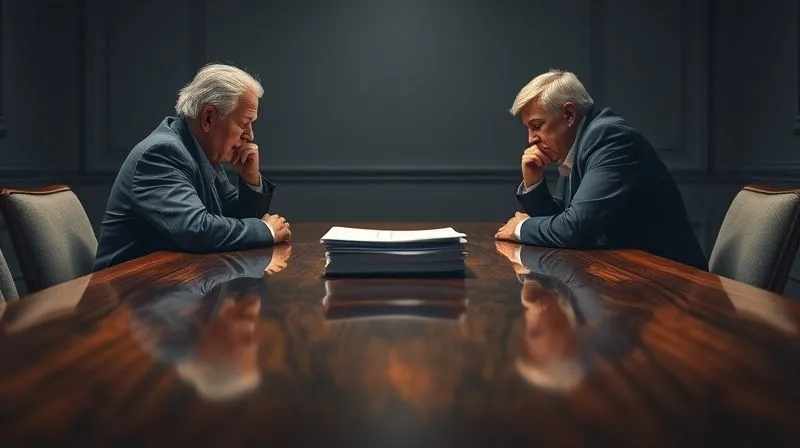
The Role of Legal Counsel: Why an Elder Law Attorney is Crucial
When disputes over asset distribution become more serious, or if the initial attempts at communication fail, retaining an experienced elder law or probate attorney becomes not just advisable, but essential. I cannot stress enough the importance of specialized legal representation in these complex situations.
Evaluating the Merits of the Claim
An attorney's first task will be to rigorously evaluate the legal merits of the dispute. This involves reviewing all documents, gathering facts, and assessing the strength of any potential challenge to the will or estate distribution. They will help you understand the legal grounds upon which a will can be contested, such as:
- Lack of Testamentary Capacity: The deceased lacked the mental ability to understand the nature and extent of their property or the natural objects of their bounty.
- Undue Influence: The deceased was coerced or manipulated by another person into making the will.
- Improper Execution: The will was not signed, witnessed, or notarized according to state legal requirements.
- Fraud: The will was created or altered through deceit.
- Ambiguity: The language of the will is unclear or contradictory, leading to multiple interpretations.
Your attorney will provide an honest assessment of your chances of success and the potential costs involved, helping you make an informed decision about how to proceed.
Understanding Your Legal Options
Once the merits are assessed, your attorney will outline the various legal avenues available. These can range from informal negotiations to full-blown litigation. Understanding each option's implications is vital for strategic decision-making.
| Legal Option | Description | Pros | Cons |
|---|---|---|---|
| Informal Negotiation | Direct communication (with or without attorneys) to reach a mutual agreement. | Cost-effective, preserves relationships, quick. | Requires cooperation, can escalate. |
| Mediation | A neutral third-party mediator facilitates discussion and helps parties find common ground. | Confidential, less adversarial, high success rate. | Non-binding, requires willingness to compromise. |
| Arbitration | A neutral third-party arbitrator hears evidence and issues a binding decision. | Faster than court, binding resolution, private. | Less formal than court, limited appeal options. |
| Litigation | Formal court proceedings to resolve the dispute through judicial ruling. | Binding judgment, full legal process. | Expensive, time-consuming, public, damages relationships. |
Choosing the right path depends on the specific circumstances of your dispute, the relationships involved, and your desired outcome. As Forbes contributor articles often highlight, the cost and emotional toll of litigation can be substantial, making alternative dispute resolution methods highly attractive.
Exploring Alternative Dispute Resolution (ADR)
Given the high costs and emotional strain of traditional litigation, I consistently advocate for exploring Alternative Dispute Resolution (ADR) methods whenever possible. These approaches offer structured ways to resolve conflicts outside of court, often leading to more amicable and lasting solutions.
Mediation: A Path to Amicable Resolution
Mediation is, in my experience, the most effective ADR method for probate disputes. It involves a neutral, trained mediator who facilitates communication between the disputing beneficiaries. The mediator does not make decisions but helps the parties identify their underlying interests, explore options, and negotiate a mutually acceptable settlement.
The benefits of mediation are numerous:
- Confidentiality: Discussions remain private, unlike public court proceedings.
- Cost-Effectiveness: Generally less expensive and faster than litigation.
- Preserves Relationships: Focuses on finding common ground, which can help heal family rifts.
- Voluntary and Flexible: Parties retain control over the outcome.
I've seen mediation successfully resolve disputes that seemed utterly intractable, simply by providing a safe space for honest dialogue and creative problem-solving. It's particularly useful when the dispute involves complex emotional factors or when beneficiaries genuinely wish to maintain family harmony.
Arbitration: A Binding Decision
Arbitration is another form of ADR, but it differs significantly from mediation. In arbitration, a neutral third party (the arbitrator) hears evidence and arguments from all sides, much like a judge, and then issues a binding decision. While less formal than a court trial, the arbitrator's decision is legally enforceable.
Arbitration can be a good option when parties are unable to reach a consensus through mediation but want to avoid the full cost and formality of court. It offers a quicker resolution than litigation and can be tailored to the specific needs of the dispute. However, because the decision is binding and often has limited appeal options, it's crucial to understand the implications before agreeing to arbitration.
"In the realm of probate disputes, a skilled mediator doesn't just resolve legal points; they help mend broken family ties by fostering understanding and compromise, turning potential adversaries back into family." - An experienced elder law attorney.

When Litigation Becomes Necessary: Preparing for Court
Despite best efforts, sometimes ADR isn't enough, or one party is unwilling to participate. In such cases, litigation – taking the matter to probate court – becomes the necessary recourse. This is a more formal, public, and often lengthier process, requiring meticulous preparation.
Gathering Evidence and Documentation
The success of a probate litigation case hinges on the quality and quantity of evidence. Your attorney will guide you through a rigorous discovery process, which involves:
- Collecting all relevant documents: This includes the will, trusts, financial statements, medical records (if capacity is an issue), emails, letters, and any other communications related to the deceased's intentions or the disputed assets.
- Identifying and interviewing witnesses: Individuals who can attest to the deceased's state of mind, the circumstances surrounding the will's creation, or the relationships between beneficiaries will be crucial.
- Expert testimony: In cases involving testamentary capacity or undue influence, medical experts, forensic accountants, or handwriting experts may be required to provide testimony.
Every piece of evidence must be meticulously organized and presented in a way that supports your claim and refutes the opposing party's arguments. I've seen cases turn on a single, well-preserved document or a compelling witness statement.
Understanding the Probate Court Process
Probate litigation follows a structured legal process, which can vary slightly by jurisdiction but generally includes:
- Filing a Petition/Complaint: Officially initiating the legal action in probate court.
- Service of Process: Notifying all interested parties of the lawsuit.
- Discovery: The exchange of information and evidence between parties (interrogatories, depositions, document requests).
- Pre-Trial Motions: Legal arguments made to the court before trial, such as motions to dismiss or for summary judgment.
- Trial: Presentation of evidence and arguments before a judge (and sometimes a jury).
- Judgment: The court's final decision.
- Appeals: The option to challenge the court's decision in a higher court.
This process can be lengthy, often spanning many months or even years, depending on the complexity of the estate and the nature of the dispute. It's critical to have an attorney who is not only skilled in elder law but also experienced in the specific procedures and nuances of probate court.
Case Study: Resolving a Complex Family Estate
Case Study: How the Miller Family Resolved a Complex Estate Dispute
The Miller family, a prominent local family with significant real estate holdings, found themselves in a bitter dispute after the passing of their patriarch, Arthur. Arthur's will, drafted years ago, left a disproportionate share of his business assets to his youngest son, Mark, who had worked closely with him. His two older daughters, Sarah and Emily, felt sidelined, arguing that Mark had exerted undue influence during Arthur's declining health. The estate included multiple properties, a thriving manufacturing business, and a substantial investment portfolio.
When initial attempts at family discussion devolved into shouting matches, the family sought legal counsel. I advised Sarah and Emily, while Mark retained his own attorney. After evaluating the evidence, including Arthur's medical records and a timeline of events, it became clear that proving undue influence would be challenging, but the ambiguity in the will regarding specific property valuations created genuine grounds for dispute. Litigation would be protracted and costly, potentially destroying family relationships and the business Arthur had built.
We proposed mediation, which, after initial reluctance, all parties agreed to. Over several intensive sessions, with a skilled mediator, the underlying emotional issues surfaced. Sarah and Emily felt unappreciated for their contributions to the family in other ways, while Mark felt his years of dedication to the business were being questioned. The mediator helped them shift from positions ('I want X property') to interests ('I want fair recognition for my efforts' or 'I want financial security').
Ultimately, a creative solution was reached: Mark would receive the controlling interest in the business, but Sarah and Emily would receive a larger share of the investment portfolio and one of the less contested real estate properties, with a clear valuation mechanism for the business's future growth. A family trust was also established to manage future distributions and provide for potential future disagreements. This facilitated a resolution that preserved the family business, provided financial equity, and, crucially, allowed the siblings to begin rebuilding their strained relationships, avoiding a devastating court battle.
| Phase | Estimated Duration | Key Activities |
|---|---|---|
| Initial Assessment | 2-4 Weeks | Document review, preliminary legal advice, initial communication attempts. |
| Discovery | 3-6 Months | Gathering evidence, depositions, interrogatories, expert engagement. |
| Mediation/Arbitration (if pursued) | 1-3 Months | Negotiation sessions, settlement discussions, drafting agreements. |
| Pre-Trial Motions/Settlement Negotiations | 2-4 Months | Legal arguments, further settlement attempts, trial preparation. |
| Trial | 1-4 Weeks | Courtroom proceedings, presentation of evidence, witness testimony. |
| Post-Trial/Appeals | Variable | Enforcement of judgment, potential appellate review. |
Preventing Future Probate Disputes: Proactive Estate Planning
As the saying goes, an ounce of prevention is worth a pound of cure. In my experience, the vast majority of probate disputes could have been avoided with careful, proactive estate planning. This isn't just about having a will; it's about having a comprehensive, clearly articulated plan that leaves no room for doubt.
Clear and Unambiguous Will Drafting
The cornerstone of dispute prevention is a meticulously drafted will. This means:
- Specific Bequests: Clearly identify who receives specific items of value (e.g., "my antique grandfather clock goes to my niece, Sarah.").
- Residuary Clause Clarity: Precisely state how any remaining assets (the "residue") should be distributed.
- Defined Beneficiary Designations: Ensure beneficiary designations on accounts (life insurance, retirement, bank accounts) are up-to-date and align with your overall estate plan.
- Contingency Planning: Address what happens if a beneficiary predeceases you or if certain assets no longer exist.
- Explanation of Disparities: If you intend to distribute assets unequally, consider including a Letter of Intent or a clause in the will explaining your reasoning. This can preempt claims of undue influence or unfairness.
Working with an experienced elder law attorney who specializes in estate planning is crucial here. They can anticipate potential pitfalls and draft documents that are legally sound and reflect your true intentions without ambiguity. The legal resource Nolo consistently emphasizes the importance of professional guidance in this area.
Utilizing Trusts and Other Tools
Beyond a will, various estate planning tools can further minimize the likelihood of disputes:
- Living Trusts: Assets placed in a living trust bypass probate entirely, meaning they are distributed privately and often more quickly, reducing opportunities for public dispute.
- Pour-Over Wills: These work in conjunction with a living trust, ensuring any assets not formally transferred to the trust during life "pour over" into the trust upon death.
- Designated Beneficiaries: For assets like life insurance, IRAs, and 401(k)s, directly naming beneficiaries ensures these assets pass outside of probate.
- Gift Planning: Making gifts during your lifetime can reduce the size of your probate estate and allow you to see the impact of your generosity. However, this must be done carefully to avoid tax implications and accusations of undue influence.
By using a combination of these tools, you can create a robust estate plan that not only reflects your wishes but also minimizes the potential for conflict among your loved ones after you're gone.
Managing the Emotional and Financial Toll
Even with the best legal strategies, probate disputes are inherently stressful. They can drain not only financial resources but also emotional reserves. Acknowledging and actively managing these tolls is an often-overlooked but critical aspect of navigating these challenging times.
Seeking Professional Support
The emotional weight of family conflict, especially during a period of grief, can be immense. I often recommend that clients consider seeking support beyond their legal team:
- Therapy or Counseling: A mental health professional can provide a safe space to process grief, anger, and the stress of the dispute, offering coping mechanisms.
- Support Groups: Connecting with others who have gone through similar experiences can provide a sense of community and validation.
- Family Counseling (if appropriate): In some cases, a family therapist can help address the underlying relational issues that fuel the dispute, even if legal proceedings are ongoing.
Remember, your emotional well-being is paramount. Don't hesitate to seek help if the stress becomes overwhelming. The insights from Psychology Today on grief and loss can be particularly helpful during such periods.
Weighing the Costs vs. Benefits
One of the most difficult decisions in a probate dispute is determining how far to pursue a claim. Litigation, while sometimes necessary, is expensive. Legal fees, court costs, and expert witness fees can quickly accumulate, potentially eroding the very estate you are fighting over. It's crucial to have candid discussions with your attorney about the financial implications at every stage.
I encourage clients to consider:
- The potential financial recovery: Is the amount at stake significant enough to justify the likely legal expenses?
- The emotional cost: What is the long-term impact on family relationships? Is winning at any cost truly a victory?
- The time commitment: Are you prepared for the time and energy required to see a case through litigation?
Sometimes, a compromise that leaves all parties somewhat dissatisfied but avoids protracted litigation is the most pragmatic and ultimately beneficial outcome. It's about finding the balance between justice and practicality, preserving what little family harmony might remain.

Frequently Asked Questions (FAQ)
What is the typical timeline for resolving a probate dispute? The timeline can vary wildly. Simple disputes resolved through direct communication or early mediation might conclude in a few weeks or months. More complex cases that proceed to litigation can easily take one to two years, and sometimes even longer, especially if appeals are involved. Factors like the complexity of the estate, the number of beneficiaries, and the willingness of parties to compromise all play a significant role.
Can I dispute a will even if I'm not a named beneficiary? Generally, to dispute a will, you must have "standing," meaning you would have had a financial interest in the estate if the will were deemed invalid (e.g., you were a beneficiary in a prior will, or you are an heir-at-law who would inherit under intestacy laws if there were no valid will). Simply being a family member without such an interest usually isn't enough.
What happens if beneficiaries cannot agree on a mediator? If beneficiaries cannot agree on a mediator, the court may appoint one if the case has already entered the judicial system. Alternatively, attorneys for each side can propose a list of qualified mediators, and the parties can select one from the agreed-upon names. It's usually in everyone's best interest to find a mutually acceptable mediator to avoid court intervention.
Are there situations where a will cannot be disputed? While it's difficult to say a will "cannot" be disputed, there are certainly situations where a dispute would have very little chance of success. If the will is clearly drafted, properly executed, and there's no evidence of lack of capacity, undue influence, or fraud, any challenge would likely fail. Also, some wills include "no-contest clauses" (in terrorem clauses) which state that if a beneficiary challenges the will and loses, they forfeit their inheritance. The enforceability of these clauses varies by state.
How can I protect my personal assets during a probate dispute? A probate dispute primarily concerns the assets of the deceased's estate, not your personal assets. However, legal fees can be substantial. Ensure you have a clear understanding of your financial liability for legal costs. If you are the executor, act prudently and within your fiduciary duties to avoid personal liability. It's crucial to consult with your attorney about how to best manage your personal finances and legal expenses during the process.
Recommended Reading
- Navigating Legal Protocols: Essential Guide to Campus Active Shooter Drills
- The Unseen Fallout: What Happens If You Don't Reaffirm Your Car Loan?
- Presidential Power: What Limits Really Exist? Find Out Now!
- 7 Legal Safeguards: Mitigating Faculty Research Misconduct Risks
- Unlocking the Limits: When Can Government Restrict Constitutional Speech?
Main Points and Final Considerations
Navigating probate when beneficiaries dispute asset distribution is undeniably one of the most challenging aspects of elder law. It tests family bonds, strains resources, and demands both legal precision and emotional resilience. However, my enduring message to clients and readers is one of empowerment: you are not without options, and resolution is almost always within reach.
- Proactive Planning is Paramount: A clear, comprehensive, and regularly reviewed estate plan is your strongest defense against future disputes.
- Early Legal Counsel is Crucial: Engage an experienced elder law attorney as soon as a dispute emerges to understand your rights and options.
- Consider Alternative Dispute Resolution (ADR): Mediation, in particular, offers a path to amicable and cost-effective resolution, often preserving family relationships.
- Prepare for Litigation if Necessary: If ADR fails, be prepared for the formal court process by meticulously gathering evidence and understanding the legal steps.
- Prioritize Emotional Well-being: Recognize the significant emotional toll and seek professional support when needed.
- Weigh Costs vs. Benefits: Always evaluate the financial and emotional costs of pursuing a dispute against the potential benefits of resolution.
While the road may be arduous, remember that clarity, communication, and expert guidance can transform a seemingly insurmountable conflict into a manageable challenge. By approaching these disputes with a strategic mindset and an empathetic heart, you can protect your loved one's legacy and help your family find peace amidst the storm. Don't hesitate to seek the professional help you need to navigate these complex waters effectively.





Comments
Leave a comment below. Your email will not be published. Required fields marked with *