



What to do when your corporate compliance audit fails?
For over two decades in corporate law, I've seen firsthand the spectrum of reactions when a compliance audit delivers bad news. From outright panic to denial, and sometimes, a quiet resignation. It's a moment no corporate leader wants to face, yet it's an unfortunate reality for many, often catching even well-intentioned companies off guard.
A failed corporate compliance audit isn't just a slap on the wrist; it's a critical vulnerability. It signals potential legal liabilities, significant financial penalties, irreparable reputational damage, and a breakdown in the very fabric of corporate governance. The stakes are incredibly high, affecting everything from investor confidence to employee morale.
But here's the crucial insight: a failed audit is not the end. It's a stark wake-up call and a powerful catalyst for change. In this definitive guide, I'll walk you through seven essential, expert-led steps on what to do when your corporate compliance audit fails, providing a clear framework to not only rectify immediate issues but to transform your compliance posture for long-term resilience and integrity.
The Immediate Aftermath: Assessing the Damage
The moment you receive an unfavorable audit report, the clock starts ticking. Your immediate response is critical. It sets the tone for how regulators, stakeholders, and even your own employees will perceive your commitment to compliance moving forward.
Understanding the Audit Report
First, resist the urge to react emotionally. Instead, perform a calm, objective review of the audit report. This document is your roadmap. It will detail the specific findings, the areas of non-compliance, and often, the severity of each breach. Pay close attention to the audit scope, the methodologies used, and any specific regulatory citations.
I advise my clients to break down the report into manageable sections. Identify whether the failures are systemic, affecting broad areas of your operations, or isolated incidents. Differentiate between minor infractions and major violations that could trigger significant regulatory scrutiny or legal action.
Legal & Reputational Implications
The legal ramifications of a failed audit can range from fines and penalties to mandates for specific corrective actions, and in severe cases, criminal charges against individuals or the corporation. Reputational damage, while harder to quantify, can be devastating. Loss of public trust, decreased customer loyalty, and difficulties attracting top talent are very real consequences.
As a seasoned corporate lawyer, I've witnessed how a single compliance failure can erode years of brand building. It's not just about paying a fine; it's about rebuilding credibility in a market that increasingly values ethical conduct and robust governance. According to a study by Deloitte, the cost of non-compliance is 2.7 times higher than the cost of compliance, underscoring the financial imperative of proactive remediation. Deloitte's True Cost of Compliance Report offers compelling data on this.
Step 1: Form a Dedicated Remediation Task Force
The first concrete action after understanding the audit findings is to assemble a specialized team. This isn't a job for your regular operational staff; it requires dedicated focus and expertise.
- Appoint a Task Force Leader: This individual should be a senior executive with strong leadership skills, deep understanding of corporate operations, and direct access to the board. Their authority and accountability are paramount.
- Assemble a Multi-Disciplinary Team: Include representatives from legal, compliance, HR, IT, finance, and the operational departments directly impacted by the audit findings. Each perspective is crucial for a holistic solution.
- Define Scope and Authority: Clearly articulate the task force's mandate, its reporting structure, and the resources at its disposal. Empower them with the authority to make necessary changes and access relevant information.
- Establish a Communication Protocol: Determine how the task force will communicate internally (e.g., with the board, employees) and externally (e.g., with regulators, legal counsel). Transparency and consistency are key.
Step 2: Conduct a Root Cause Analysis (RCA)
Simply fixing the identified problems is not enough. You must understand *why* they occurred in the first place. This is where a thorough Root Cause Analysis (RCA) becomes indispensable. Without it, you’re simply treating symptoms, leaving the underlying disease to fester.
Beyond the Symptom: Digging Deeper
I often use the analogy of a leaky roof. You can patch the leak, but if you don't address the underlying structural damage or the faulty installation, it will just leak again. Similarly, compliance failures rarely stem from a single, isolated factor. They are often the result of a chain of events, process deficiencies, training gaps, or even cultural issues.
The RCA process involves asking "why" repeatedly until you uncover the fundamental reasons. Techniques like the '5 Whys' or fishbone diagrams can be incredibly effective here. Was it a lack of clear policy? Inadequate training? Insufficient resources? A failure of oversight? Or perhaps, a culture where cutting corners was tacitly accepted?
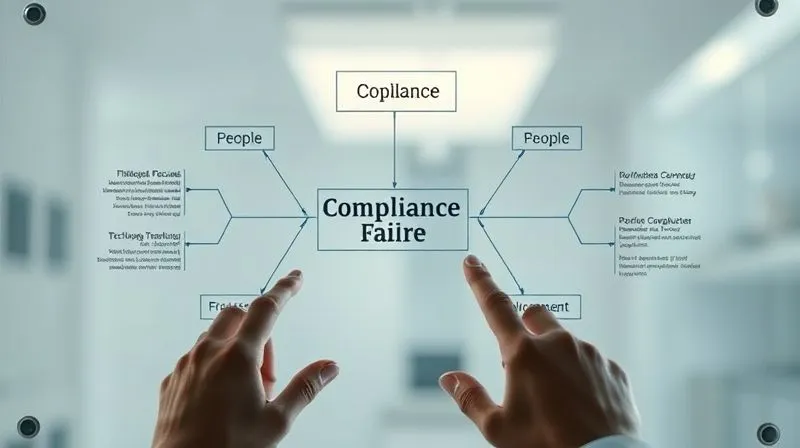
"A compliance failure is rarely an isolated event; it's a symptom of deeper systemic issues. Ignoring the root cause is a guarantee of future recurrence." - Expert Insight
Step 3: Develop a Comprehensive Corrective Action Plan (CAP)
With the root causes identified, the next critical step is to develop a detailed Corrective Action Plan (CAP). This plan must be specific, measurable, achievable, relevant, and time-bound (SMART).
- List Specific Actions: For each audit finding and identified root cause, outline precise actions that will be taken. Avoid vague statements. For example, instead of 'improve training,' specify 'develop and deliver mandatory Q3 compliance training module on data privacy for all customer-facing staff.'
- Assign Ownership: Every action item must have a clear owner – an individual responsible for its completion. This ensures accountability.
- Set Realistic Deadlines: Establish clear start and end dates for each action. Prioritize actions based on severity of the finding and regulatory urgency.
- Define Success Metrics: How will you know if the action has been successful? What are the key performance indicators (KPIs) or measurable outcomes?
- Allocate Resources: Ensure the necessary budget, personnel, and technological tools are available to implement the CAP effectively.
Here's an example of how a CAP might be structured:
| Finding ID | Description | Root Cause | Corrective Action | Owner | Deadline | Status | Verification |
|---|---|---|---|---|---|---|---|
| C-001 | Lack of employee data privacy training | No mandatory annual training program | Implement annual mandatory data privacy training | HR Department | Q3 2024 | In Progress | Training completion reports |
| C-002 | Inadequate third-party due diligence process | Absence of standardized vendor assessment form | Develop & deploy new vendor risk assessment form | Procurement & Legal | Q4 2024 | Planned | Audit of vendor files |
| C-003 | Outdated anti-bribery policy | Policy not reviewed in 5+ years | Revise anti-bribery policy to align with FCPA/UK Bribery Act | Legal & Compliance | Q3 2024 | In Progress | Board approval & policy dissemination |
Case Study: Apex Industries' Turnaround
Apex Industries, a mid-sized manufacturing firm, faced a significant compliance failure related to environmental regulations. Their initial audit revealed multiple violations in waste disposal and emissions. Instead of just paying the fines, they followed this structured approach. Their remediation task force, leveraging a robust RCA, discovered that the root cause wasn't malicious intent, but rather outdated equipment, insufficient staff training on new regulations, and a lack of clear internal reporting channels for environmental concerns. By developing a comprehensive CAP that included equipment upgrades, mandatory monthly training, and a whistleblower protection program, Apex not only resolved the immediate issues but also improved their environmental footprint, earning back community trust and avoiding future penalties. This commitment to genuine change allowed them to turn a crisis into an opportunity for greater operational excellence and corporate responsibility.
Step 4: Implement & Monitor Your CAP with Rigor
A brilliantly crafted CAP is useless without diligent implementation and continuous monitoring. This phase is where theoretical plans meet practical execution, and it demands unwavering commitment.
The Importance of Consistent Oversight
The remediation task force, or a designated oversight committee, should meet regularly to track progress against the CAP. These meetings aren't just for status updates; they are opportunities to identify roadblocks, reallocate resources, and adjust timelines as needed. Transparency in reporting progress – or lack thereof – is paramount. Board-level reporting should be frequent and detailed, especially for significant findings.
I recommend establishing a robust system for documentation. Every action taken, every policy revised, every training session conducted, and every communication with regulators must be meticulously recorded. This paper trail is invaluable for demonstrating your commitment to remediation during subsequent audits or regulatory inquiries.

Step 5: Revise & Strengthen Your Compliance Program
The audit failure exposed weaknesses in your existing compliance framework. Remediation is about fixing specific issues; this step is about preventing their recurrence by fortifying the entire program.
Updating Policies & Procedures
Your policies and procedures are the backbone of your compliance program. They must be current, clear, and comprehensive. Review every policy related to the audit findings and update them to reflect new regulations, best practices, and the lessons learned from the audit failure. Ensure these updated documents are easily accessible to all employees and are communicated effectively.
Think of it as an iterative process. Compliance isn't a static state; it's an ongoing journey of adaptation and improvement. Regularly scheduled reviews of policies, at least annually, should become a non-negotiable part of your governance.
Enhanced Training & Awareness
A common root cause of compliance failures is a lack of employee awareness or understanding. Your revised compliance program must include enhanced training initiatives. This isn't just about ticking a box; it's about fostering genuine understanding and buy-in.
- Targeted Training: Develop specific training modules for departments or roles most affected by the audit findings.
- Regular Refresher Courses: Compliance training should not be a one-time event. Implement annual or biennial refresher courses.
- Interactive Formats: Move beyond passive lectures. Use interactive workshops, case studies, and practical exercises to engage employees.
- Leadership Engagement: Ensure senior leadership actively participates in and champions compliance training.
Here's a sample training matrix for a revised compliance program:
| Training Module | Target Audience | Frequency | Delivery Method | Completion Rate Target |
|---|---|---|---|---|
| Data Privacy & GDPR | All Employees | Annual | Online + Workshop | 100% |
| Anti-Bribery & Corruption (FCPA/UKBA) | Sales, Procurement, Senior Mgmt | Annual | In-person Seminar | 100% |
| Environmental Regulations (Specific) | Operations, Facilities Mgmt | Bi-annual | On-site Practical | 100% |
| Code of Conduct & Ethics | All New Hires | Onboarding | Online + Manager Review | 100% |
Step 6: Engage with Regulators Proactively
Once you have a solid understanding of the audit findings and a concrete CAP in place, proactive engagement with relevant regulatory bodies is often a strategic imperative. Hiding from the problem only exacerbates it.
Transparency & Good Faith
In my experience, regulators generally appreciate transparency and a genuine commitment to addressing issues. Initiate contact, explain the situation, outline your remediation efforts, and express your willingness to cooperate fully. This proactive stance can often mitigate the severity of penalties and demonstrate your organization's integrity.
Be prepared to provide detailed documentation of your RCA, CAP, and progress reports. Regulators may require periodic updates or even conduct follow-up audits. View these interactions as opportunities to demonstrate your commitment to compliance, rather than adversarial encounters. For guidance on specific regulatory responses, official resources like the SEC's Compliance & Training section can be invaluable.
Step 7: Foster a Culture of Compliance
Ultimately, the most robust policies and procedures will fail if the underlying corporate culture does not support compliance. A culture of compliance means that ethical conduct and adherence to rules are deeply ingrained in the organization's DNA, from the top leadership to the frontline employees.
Leadership Buy-in is Paramount
This isn't just about tone at the top; it's about actions from the top. Leaders must visibly champion compliance, integrate it into strategic decision-making, and hold themselves and others accountable. When employees see leadership prioritizing compliance over short-term gains, it sends a powerful message.
Encourage open communication, provide safe channels for reporting concerns without fear of retaliation, and celebrate compliance successes. Make compliance a shared responsibility, not just the burden of the legal or compliance department. As marketing guru Seth Godin often says, "Culture is simply a group of people who have come together to do something that they couldn't do alone." This applies just as strongly to building a compliant organization.

"Compliance isn't a checklist; it's a living, breathing culture. When everyone owns it, the organization thrives." - Expert Insight
The Long-Term View: Preventing Future Failures
Remediating a failed audit is a crucial step, but true success lies in building a resilient compliance framework that actively prevents future failures. This requires a long-term strategic perspective.
Continuous Improvement & Technology
Embrace a philosophy of continuous improvement. Regular internal audits, risk assessments, and compliance program reviews should become standard operating procedures. Leverage technology, such as Governance, Risk, and Compliance (GRC) software solutions, to automate compliance processes, monitor controls, and provide real-time insights into your risk posture.
GRC tools can streamline policy management, automate training assignments, centralize incident reporting, and provide robust analytics, making it significantly easier to maintain vigilance and adapt to evolving regulatory landscapes. For more on the benefits of GRC, consider exploring resources from industry leaders like Gartner or Forrester, or articles such as Harvard Business Review on Building a Culture of Compliance.
Frequently Asked Questions (FAQ)
Q: How long does it typically take to fully remediate a failed corporate compliance audit? A: The timeline varies significantly based on the severity and complexity of the audit findings. Minor issues might be resolved within a few weeks to months, while systemic failures involving policy overhauls, technology implementation, and cultural shifts can take anywhere from six months to several years. The key is demonstrating consistent, measurable progress to regulators and stakeholders.
Q: What are the biggest mistakes companies make after a failed audit? A: The most common mistakes include denial or downplaying the severity of findings, delaying action, failing to conduct a thorough root cause analysis, implementing superficial fixes, neglecting to involve senior leadership, and failing to communicate transparently with regulators. These mistakes often lead to more severe penalties and prolonged recovery periods.
Q: Can a failed audit lead to personal liability for corporate executives or board members? A: Absolutely. Depending on the nature of the non-compliance and the jurisdiction, executives and board members can face personal liability, including fines, disbarment from serving on boards, and even criminal charges, particularly in cases of willful negligence, fraud, or egregious disregard for regulatory requirements. This underscores the importance of robust oversight and due diligence.
Q: How can we ensure our employees are truly engaged in compliance, not just going through the motions? A: Engagement stems from understanding and perceived value. Make compliance training relevant to their roles, explain the 'why' behind the rules, foster an environment where questions are encouraged, and ensure leadership models compliant behavior. Integrate compliance into performance reviews and reward ethical conduct. Ultimately, it's about building a culture where compliance is seen as a shared responsibility for the company's success and integrity.
Q: Should we hire external consultants to help with remediation? A: In many cases, yes. External compliance consultants or legal counsel can bring an objective perspective, specialized expertise, and additional resources, especially if your internal team is stretched thin or lacks specific knowledge in the areas of failure. They can help navigate complex regulatory requirements, conduct independent assessments, and bolster the credibility of your remediation efforts with regulators. However, ensure internal ownership remains strong.
Key Takeaways and Final Thoughts
- A failed audit is a serious but manageable crisis, demanding immediate, strategic action.
- A dedicated task force and a thorough Root Cause Analysis are foundational to effective remediation.
- Develop a SMART Corrective Action Plan and implement it with rigorous monitoring and accountability.
- Fortify your entire compliance program by updating policies, enhancing training, and leveraging technology.
- Proactive and transparent engagement with regulators can significantly mitigate negative consequences.
- Cultivating a strong, ethical culture of compliance, championed by leadership, is your ultimate defense against future failures.
Facing a failed corporate compliance audit is undoubtedly daunting. However, it presents a unique opportunity for profound organizational transformation. By embracing these seven steps, you not only address immediate deficiencies but also build a more robust, ethical, and resilient enterprise. Remember, compliance is not merely about avoiding penalties; it's about safeguarding your company's future, reputation, and ultimately, its enduring value. Take this challenge as a chance to emerge stronger, more trustworthy, and truly exemplary in your industry.
Recommended Reading
- Navigating Sports Salary Cap Antitrust: 5 Critical Litigation Strategies
- 7 Urgent Steps: Modifying Visitation Due to Child Safety Risks?
- 7 Strategic Steps: How to Challenge Foreign Court Jurisdiction Effectively
- Navigating CAS: How to Overturn a Doping Ban via Sports Arbitration Appeal
- How to Legally Compel States: Upholding International Peace Accords





Comments
Leave a comment below. Your email will not be published. Required fields marked with *