



How to Counter Manufacturer's 'Reasonable Number of Attempts' Defense?
For over two decades in consumer law, particularly within the challenging landscape of lemon law, I've witnessed firsthand the frustration and helplessness consumers face. You buy a new vehicle, expecting reliability and peace of mind, only to find yourself repeatedly at the dealership for the same persistent defect. It's a deeply disheartening experience, often compounded by the manufacturer's eventual stonewalling.
The core of their resistance often boils down to a single, deceptively simple phrase: the 'reasonable number of attempts' defense. Manufacturers argue they haven't had enough opportunities to fix the problem, even when you've brought your vehicle in multiple times. This tactic is designed to wear you down, making you question your rights and eventually give up. It’s a common hurdle, but one that can absolutely be overcome with the right strategy.
This article isn't just a guide; it's a battle plan forged from years of navigating these complex legal waters. I'll equip you with actionable frameworks, real-world insights, and expert strategies to systematically dismantle the manufacturer's 'reasonable attempts' defense, empowering you to secure the resolution you deserve under the lemon law.
Understanding the 'Reasonable Number of Attempts' Defense
Before we can counter this defense, we must first understand its foundations. Most state lemon laws define a 'reasonable number of repair attempts' in specific ways. Generally, it refers to the number of times a manufacturer or its authorized dealer has tried to fix a substantial defect without success, or the total number of days the vehicle has been out of service for repairs.
However, the key here is 'substantial defect.' It's not about a minor rattle; it's about an issue that significantly impairs the vehicle's use, value, or safety. Manufacturers often try to muddy these waters, categorizing serious issues as minor, or claiming each repair attempt was for a 'different' problem, even if the underlying cause is the same.
Defining 'Reasonable' – State by State Nuances
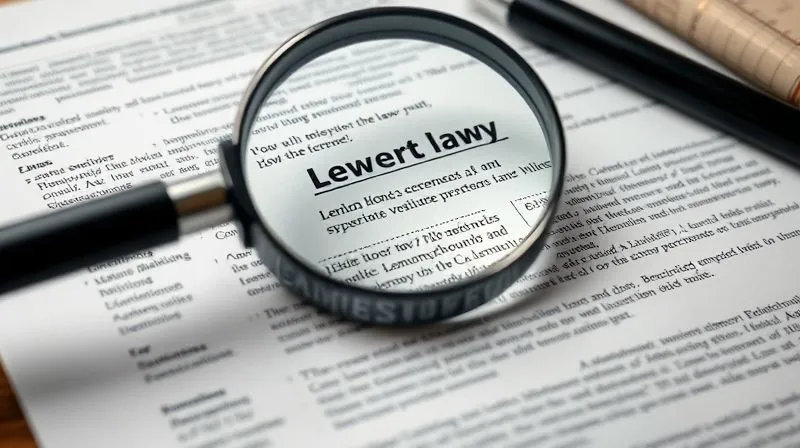
What constitutes 'reasonable' isn't universal. Each state's lemon law has its own specific thresholds. For example, some states might define it as three or four attempts for the same defect, or a cumulative total of 30 days out of service within a certain period (e.g., the first 12-24 months or 12,000-24,000 miles). Other states might have different provisions for safety-related defects, requiring fewer attempts.
It is absolutely crucial to know your state's specific lemon law statutes. This is your primary weapon. Without this foundational knowledge, you're fighting blind. I always advise clients to read their state's lemon law thoroughly or consult with an attorney specializing in this area. Ignorance of these specific thresholds is exactly what manufacturers exploit.
Strategy 1: Meticulous Documentation – Your Undeniable Evidence
In lemon law cases, the adage 'if it's not documented, it didn't happen' rings profoundly true. Manufacturers thrive on ambiguity and a lack of concrete evidence. Your ability to present an irrefutable paper trail is often the single most powerful tool you possess to counter their 'reasonable attempts' defense.
The Power of the Paper Trail: What to Document
- Every Repair Order: Keep every single repair invoice, service record, and work order. Ensure they clearly state the date the vehicle was brought in, the exact complaint, the diagnosis, the work performed, and the date of pick-up.
- Detailed Communications Log: Maintain a log of every phone call, email, or letter exchanged with the dealer or manufacturer. Note the date, time, who you spoke with, what was discussed, and any promises made.
- Personal Journal of Defects: Keep a journal detailing the symptoms of the defect, when they occur, under what conditions, and any attempts you made to resolve them (e.g., calling roadside assistance). Photos and videos of the defect in action (e.g., dashboard warning lights, unusual noises) are incredibly compelling.
- Correspondence with Manufacturer: Document any direct communication with the manufacturer, especially 'final repair attempt' letters or demands for buyback/replacement.
Pro Tip: When dropping off your vehicle for repair, always ensure your complaint is written down precisely as you describe it. Do not let the service advisor generalize or downplay the issue. If the repair order doesn't accurately reflect your complaint, insist on a correction before signing.
"The manufacturer's 'reasonable attempts' defense crumbles when faced with a mountain of irrefutable, organized evidence. Your documentation isn't just paper; it's your story, meticulously recorded and legally binding."
Strategy 2: Proving 'Substantial Impairment' Beyond Doubt
A common manufacturer tactic is to concede that a defect exists but argue it's not 'substantial' enough to trigger lemon law protections. They might claim the issue is merely an inconvenience or a minor cosmetic flaw. This is where your detailed documentation and a clear understanding of your vehicle's functionality become critical.
Demonstrating Impact on Use, Value, or Safety
You need to articulate precisely how the defect impacts your vehicle. Consider these angles:
- Use: Does the defect prevent you from driving the vehicle reliably? Does it make certain features inoperable? (e.g., a faulty navigation system, non-functioning AC in extreme weather, intermittent engine stalls).
- Value: Would a reasonable buyer pay less for your vehicle knowing about this defect? Has the persistent issue caused rapid depreciation? (e.g., a notorious transmission problem known to affect resale value).
- Safety: This is often the strongest argument. Does the defect pose a risk to you, your passengers, or other drivers? (e.g., braking issues, steering problems, sudden loss of power, faulty airbags).
According to a Federal Trade Commission (FTC) consumer guide on auto purchases, consumers have rights against unfair or deceptive practices, which can include misrepresenting a vehicle's condition or repair history. This broader consumer protection framework supports the idea that a vehicle's fundamental functionality and safety are paramount.
Case Study: The Intermittent Braking System
Case Study: How Sarah Countered a 'Minor Issue' Claim
Sarah purchased a new SUV that, after a few months, began exhibiting an intermittent braking issue. The brakes would occasionally feel spongy and lose effectiveness, especially at lower speeds. She took the car to the dealership three times. Each time, they 'could not replicate the issue' or claimed it was a minor sensor glitch and performed a software update. The manufacturer argued it wasn't a 'substantial impairment' because it wasn't consistently reproducible.
Sarah, following my advice, meticulously documented every instance: the date, time, speed, road conditions, and how the braking felt. She even managed to capture a short video of the brake pedal sinking unusually far without significant deceleration. During her fourth visit, armed with this evidence and a comprehensive log, her attorney presented the case. The combination of documented repair attempts (even those where the dealer claimed 'no fault found' but still performed work) and clear evidence of a safety-related defect forced the manufacturer to concede. Sarah ultimately received a buyback.
Strategy 3: Leveraging the 'Last Chance' Repair Demand
Many state lemon laws incorporate a 'final repair attempt' or 'last chance' provision. This is a powerful tool you can use to formally put the manufacturer on notice and solidify your claim against their 'reasonable attempts' defense. It shifts the burden and creates a clear timeline.
Formal Notice and Its Impact
- Send a Certified Letter: After a specified number of failed repair attempts (check your state law), send a formal certified letter directly to the manufacturer (not just the dealer). State that you believe your vehicle is a lemon due to specific, persistent defects.
- Demand a Final Repair Opportunity: Clearly state that you are providing them one final opportunity to repair the defect(s) within a specified timeframe (e.g., 7-10 business days).
- State Your Intention: Inform them that if the repair is unsuccessful, or if they fail to make the repair within the timeframe, you will pursue all available remedies under your state's lemon law (buyback, replacement, or cash settlement).
This formal letter serves several critical purposes. It creates an undeniable record of your communication and intent. It also often triggers a more serious response from the manufacturer's corporate legal team, as they know you are serious about pursuing your rights. This step is often a prerequisite for arbitration or litigation.
Strategy 4: The Role of Expert Witnesses and Independent Inspections
Sometimes, despite your meticulous documentation, the manufacturer will continue to deny the existence or severity of the defect, or dispute the number of 'true' repair attempts. This is where bringing in an independent expert can dramatically strengthen your position and dismantle their defense.
Independent Diagnosis and Testimony
An independent, certified mechanic or automotive engineer can:
- Confirm the Defect: Provide an unbiased diagnosis of the persistent problem, often identifying the root cause that the dealership may have overlooked or intentionally obscured.
- Assess Impairment: Offer an expert opinion on how the defect impacts the vehicle's use, value, or safety, adding significant weight to your 'substantial impairment' argument.
- Counter Manufacturer Claims: Directly refute any technical arguments made by the manufacturer about the nature of the defect or the efficacy of their repair attempts.
While this incurs additional cost, the investment can be invaluable, especially in complex cases. An expert's testimony can be the tipping point that convinces a court or arbitrator that the manufacturer has indeed had a 'reasonable number of attempts' and failed.

Strategy 5: Engaging a Specialized Lemon Law Attorney
This is arguably the most crucial strategy. While you can certainly begin the process on your own, the complexities of lemon law, especially when countering sophisticated manufacturer defenses, often require expert legal guidance. A specialized lemon law attorney doesn't just know the law; they know the manufacturers' playbooks.
How Legal Counsel Elevates Your Claim
- Navigating State-Specific Laws: An attorney understands the nuances of your state's lemon law, including the precise definition of 'reasonable attempts,' statutory deadlines, and required notification procedures.
- Expert Negotiation: They can effectively negotiate with manufacturer representatives, often securing favorable settlements (buyback, replacement, or cash compensation) without the need for litigation. They understand the true value of your claim.
- Litigation Expertise: If negotiation fails, a lawyer can represent you in arbitration or court, presenting your evidence, cross-examining manufacturer witnesses, and arguing your case compellingly.
- Cost Recovery: Many state lemon laws include a 'fee-shifting' provision, meaning if you win your case, the manufacturer may be required to pay your attorney's fees. This makes legal representation often highly accessible.
As marketing guru Seth Godin often says, "The market rewards those who show up." In lemon law, showing up with a seasoned attorney demonstrates you are serious and prepared to go the distance. This alone can often accelerate a resolution.
Here's a comparison of common scenarios and how legal counsel can impact outcomes:
| Scenario | Manufacturer's Stance | Consumer Burden | Outcome Probability |
|---|---|---|---|
| DIY Approach (No Attorney) | Likely to stonewall, deny, or offer lowball settlement | High; must understand complex law, gather evidence, negotiate | Low success rate, often settles for less than deserved |
| With Specialized Lemon Law Attorney | More likely to engage seriously, negotiate in good faith | Low; attorney handles legal aspects, evidence, negotiation | High success rate, better chance of full buyback/replacement/fair settlement |
Beyond the 'Reasonable Attempts': Identifying Bad Faith
In some egregious cases, the manufacturer's actions go beyond simply denying a claim based on 'reasonable attempts.' They may engage in bad faith practices, which can further strengthen your case and potentially lead to additional damages. This is a complex area where legal expertise is paramount.
What Constitutes Bad Faith?
Bad faith can manifest in several ways:
- Repeated 'No Problem Found' (NPF): Consistently returning the vehicle with the same complaint listed as NPF, despite clear evidence of the defect.
- Misrepresenting Repairs: Claiming repairs were made when they were not, or performing superficial repairs without addressing the root cause.
- Unreasonable Delays: Intentionally delaying repairs or communication to run out statutory deadlines.
- Destroying Evidence: Altering repair orders or internal documents.
Proving bad faith requires a strong evidentiary foundation and often, the discovery process in litigation. It's a serious accusation that can add significant leverage to your claim, but it needs to be handled by experienced legal professionals. For further reading on consumer protection against unfair practices, the Federal Trade Commission's consumer website is an excellent resource.

Frequently Asked Questions (FAQ)
Question? What if the manufacturer claims each repair attempt was for a 'different' problem, even if the symptoms are similar?
Detailed answer: This is a very common tactic. Your meticulous documentation is key here. If the underlying cause or system is the same (e.g., multiple electrical issues all stemming from a faulty wiring harness), an attorney can argue that these are not truly 'different' problems but manifestations of a single, persistent defect. An independent expert witness can also be invaluable in connecting these seemingly disparate issues to a common fault. The focus should be on the 'substantial defect' itself, not just the symptom.
Question? I'm past my state's lemon law mileage/time limits. Do I have any options?
Detailed answer: Not necessarily. While state lemon laws have specific limits, you might still have recourse under federal warranty law (Magnuson-Moss Warranty Act) or through state consumer protection statutes. These laws often have longer statutes of limitations and can still provide remedies for breach of warranty. An attorney can assess if these alternative avenues apply to your situation, especially if the defect appeared within the warranty period but repairs extended beyond the lemon law's strict limits.
Question? Can I still claim lemon law if I've continued to drive the vehicle?
Detailed answer: Yes, generally you can. Most lemon laws allow for a 'usage offset,' meaning if you receive a buyback, the manufacturer can deduct a reasonable amount for the miles you've driven. However, continuing to drive the vehicle does not automatically invalidate your claim, especially if you have no alternative transportation. The crucial factor remains the persistent, unrepairable defect and your attempts to have it fixed.
Question? What if the manufacturer offers a cash settlement instead of a buyback or replacement?
Detailed answer: This is a common outcome, especially when the manufacturer wants to avoid the cost and publicity of a formal buyback. Whether to accept a cash settlement depends on various factors: the amount offered, the severity of the defect, your willingness to keep the vehicle (potentially with a disclosed defect), and your attorney's advice. An attorney can help you evaluate if the offer is fair and adequate compensation for your inconvenience and the vehicle's diminished value.
Question? How long does a typical lemon law case take?
Detailed answer: The timeline can vary significantly. Simple cases with clear-cut evidence and a responsive manufacturer might resolve in a few months. More complex cases, especially those requiring arbitration or litigation, could take anywhere from 6 months to over a year. Factors like the manufacturer's willingness to negotiate, court dockets, and the complexity of the defect all play a role. An experienced lemon law attorney can provide a more realistic estimate based on the specifics of your case.
Key Takeaways and Final Thoughts
Navigating a lemon law claim can feel like an uphill battle against a giant corporation, especially when they deploy the 'reasonable number of attempts' defense. However, with the right knowledge, preparation, and expert guidance, you absolutely can prevail. Remember these critical steps:
- Know Your State Law: Understand the specific thresholds for 'reasonable attempts' in your jurisdiction.
- Document Everything: Your paper trail is your most potent weapon against manufacturer denials.
- Prove Substantial Impairment: Clearly articulate how the defect impacts your vehicle's use, value, or safety.
- Utilize Formal Notices: Leverage 'last chance' letters to solidify your claim and force a response.
- Consider Expert Assistance: Independent inspections and specialized legal counsel significantly enhance your chances of success.
I've seen countless consumers, initially overwhelmed, achieve successful resolutions by applying these strategies. Your rights as a consumer are protected, and you don't have to face this challenge alone. Be persistent, be prepared, and empower yourself with the information and support needed to hold manufacturers accountable for their defective products. The journey may be challenging, but the justice you seek is within reach.
Recommended Reading
- 5 Steps: How to Challenge a Proposed Federal Rule Impacting Your Business
- 7 Proven Defense Strategies to Prevent Bail Revocation for Repeat Offenders
- 5 Critical Steps: Disclosing Your Invention Without Losing Patent Rights
- 5 Legal Steps: Addressing Staff-on-Student Harassment Claims Effectively
- Unmasking Negligence: How to Prove Your Product Liability Claim & Win Justice




Comments
Leave a comment below. Your email will not be published. Required fields marked with *