


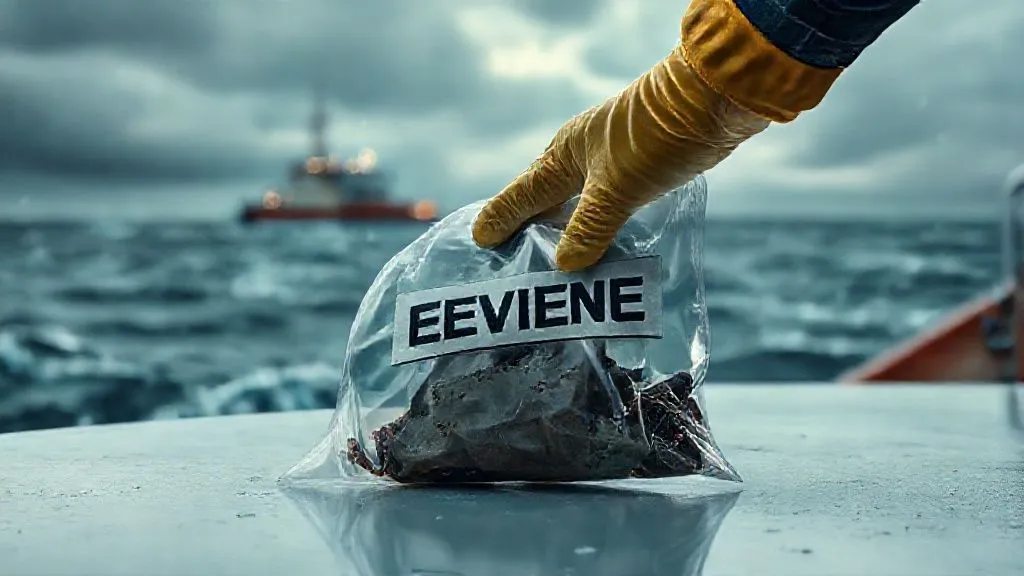
How to Preserve Critical Evidence After Maritime Accidents?
For over two decades in maritime law, I've witnessed firsthand the devastating impact that the loss or improper handling of evidence can have on a maritime accident case. It's not just about winning or losing; it's about justice, accountability, and preventing future incidents. I’ve seen countless strong claims crumble, not due to a lack of initial merit, but because critical evidence, the very backbone of the case, was either overlooked, improperly documented, or, tragically, intentionally or unintentionally destroyed.
The maritime environment presents unique challenges to evidence preservation. The sea itself is a relentless eraser, currents scatter debris, weather degrades materials, and the sheer scale and complexity of modern vessels mean that vital clues can be literally submerged or buried under layers of operational data. This ephemeral nature of evidence, coupled with the immediate post-accident chaos, creates a perfect storm where crucial information can vanish, leaving victims, owners, and insurers in an impossible position.
This guide isn't just a theoretical exercise; it's a distillation of practical wisdom gained from years of navigating these treacherous legal waters. I will provide you with a comprehensive, actionable framework, complete with expert insights and real-world considerations, designed to equip you with the knowledge to effectively preserve critical evidence after maritime accidents, ensuring the integrity of any subsequent investigation or legal proceeding.
The Immediate Aftermath: Securing the Scene and Initial Documentation
When a maritime accident occurs, the immediate aftermath is often a maelstrom of urgency, panic, and operational demands. However, it is precisely in this critical window that the most vital evidence can be secured or irrevocably lost. My first piece of advice is always: prioritize safety, but never lose sight of the paramount importance of evidence.
Prioritizing Safety and Welfare
Before any evidence collection can begin, the safety of all personnel, the vessel, and the environment must be paramount. This includes search and rescue operations, damage control to prevent further harm or sinking, and pollution mitigation. Only once immediate threats are contained can a structured approach to evidence preservation commence.
Establishing Control and Limiting Access
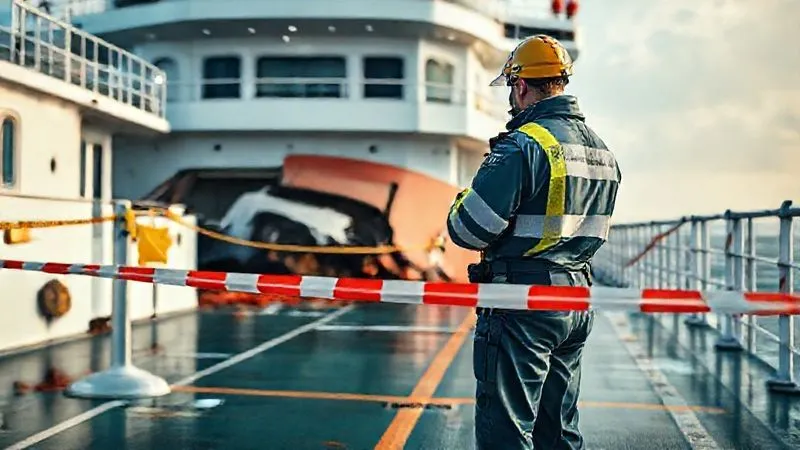
Once the immediate danger is addressed, the next step is to secure the accident scene. This means establishing clear boundaries and limiting access to only essential personnel. Uncontrolled access can lead to evidence contamination, alteration, or even accidental destruction.
Expert Insight: "Treat the accident scene like a crime scene. Every touch, every movement, every person adds a layer of potential contamination or alteration. Strict control is non-negotiable for maintaining evidentiary integrity."
Key initial steps for securing the scene include:
- Designate a Scene Coordinator: A single, responsible individual who oversees all activities related to the accident scene.
- Establish a Perimeter: Clearly mark off the affected areas, preventing unauthorized entry.
- Record Personnel Access: Maintain a log of everyone who enters and exits the secured area, noting their purpose and time.
- Initial Photographic Documentation: Before anything is moved, take comprehensive photographs and videos of the entire scene from various angles, capturing the overall context and specific damage.
The Critical First 24-48 Hours: A Race Against Time
The period immediately following a maritime accident, particularly the first 24 to 48 hours, is often the most crucial for evidence preservation. This is when perishable evidence is most vulnerable, and key decisions must be made under immense pressure.
Notifying Authorities and Legal Counsel
Prompt notification of relevant authorities (e.g., flag state, coastal state, port state control, classification societies, P&I clubs, and insurers) is not just a legal obligation but a strategic imperative for evidence preservation. These entities often have specific requirements for reporting and investigation, and their early involvement can facilitate a more structured evidence collection process. Simultaneously, engaging legal counsel experienced in maritime law is vital. They can guide the entire process, ensuring compliance with international and local regulations, and advising on legal strategy from the outset.
Initiating the Vessel’s Internal Investigation
While external authorities will conduct their investigations, the vessel owner or operator must initiate an internal investigation immediately. This involves deploying a dedicated team to the scene, often comprising marine superintendents, technical experts, and legal representatives. Their primary goal is to secure and document all available evidence before it degrades or is inadvertently lost.
Here’s an actionable sequence for the first 24-48 hours:
- Secure All Logbooks and Records: This includes bridge logbooks, engine room logbooks, oil record books, GMDSS logs, official logbooks, maintenance records, and any other pertinent ship's documents. Ensure they are dated, signed, and no entries are altered or removed.
- Isolate and Download VDR/SVDR Data: The Voyage Data Recorder (VDR) is the maritime equivalent of an aircraft's black box. It records bridge audio, radar images, VHF communications, and various vessel parameters. Its data loop is finite, often 12 hours for a VDR and 30 days for a S-VDR, meaning older data is overwritten. Isolating and downloading this data immediately is paramount.
- Preserve Electronic Navigational Data: This includes Electronic Chart Display and Information Systems (ECDIS) logs, GPS data, AIS (Automatic Identification System) data, and radar recordings. These systems often store track histories and critical navigational parameters that can reconstruct the accident sequence.
- Photograph and Video Document Everything: Beyond the initial scene, meticulously document all damage, equipment status, cargo condition, and environmental factors. Use high-resolution cameras, ensure date and time stamps, and include scale references.
- Identify and Segregate Damaged Components: Any physical part suspected of malfunction or damage should be carefully removed, tagged, photographed, and stored securely to prevent further deterioration or tampering.
- Begin Witness Identification and Initial Statements: Identify all crew members and any other individuals who witnessed the accident or have relevant information. Begin taking preliminary, non-leading statements, focusing on facts and observations.
Documenting the Physical Evidence: What to Look For
Physical evidence tells a story, often a very clear one, if you know how to read it. My experience has taught me that no detail is too small when it comes to documenting the tangible aspects of a maritime accident.
Vessel Damage and Debris
The most obvious physical evidence is often the damage to the vessel itself. This includes hull breaches, structural deformation, paint transfers, and any imprints from contact. It's crucial to document not just the damage but also its nature – direction of impact, force, and any specific characteristics that might identify the other party or cause. Collecting debris, paint chips, or foreign materials found on the vessel after a collision can be crucial forensic evidence.
Equipment Malfunctions and Maintenance Records
Beyond collision damage, inspect all relevant equipment for signs of malfunction or failure. This could include steering gear, propulsion systems, navigational instruments, life-saving appliances, and cargo handling equipment. Document their status, any error messages, and their last known operational state. Crucially, cross-reference these findings with the vessel’s maintenance records, defect logs, and class survey reports. A history of recurring issues or neglected maintenance can be highly significant.
Cargo Condition and Securing
If cargo is involved, its condition and securing arrangements are critical. Document any shifts, damage, or loss of cargo. This includes photographs of cargo securing arrangements both before and after the incident, if possible. The nature of the cargo, its stowage plan, and any dangerous goods declarations are also vital pieces of evidence.
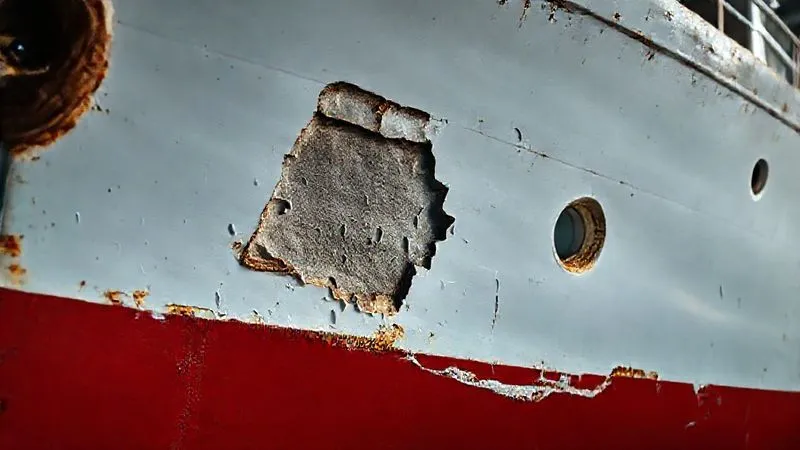
Expert Insight: "Photography is your silent witness. Take multiple shots from different angles, close-ups, and wide shots. Use a scale for every close-up. Don't rely on memory; the camera captures unbiased reality."
Capturing Digital and Navigational Data: The Silent Witnesses
In the age of interconnected systems, digital data often holds the most objective and irrefutable evidence. Ignoring or mishandling this data is akin to throwing away the key to your entire case.
Voyage Data Recorders (VDRs) – The Black Boxes of the Sea
As mentioned, the VDR is paramount. It captures a wealth of information including radar images, bridge audio, VHF communications, speed, heading, rudder angle, engine RPM, and more. Modern VDRs often have a 12-hour recording loop, meaning data is continuously overwritten. For Simplified VDRs (S-VDRs), the storage period can be 30 days. The critical action is to save the data immediately by activating the 'save' function or physically isolating the unit. Failure to do so can lead to the loss of irreplaceable data. For detailed guidelines, refer to the International Maritime Organization (IMO) regulations on VDRs.
Electronic Chart Display and Information Systems (ECDIS)
ECDIS systems record the vessel’s track, waypoints, navigational warnings, and operator inputs. This data can reconstruct the vessel’s exact movements leading up to the accident, including course alterations, speed changes, and alarm acknowledgements. Similar to VDRs, this data needs to be downloaded and secured promptly.
AIS Data and Satellite Tracking
Automatic Identification System (AIS) data provides real-time position, course, speed, and vessel identification for all AIS-equipped vessels. This external data can corroborate or contradict VDR/ECDIS data and is invaluable for reconstructing collision scenarios. Satellite tracking systems also provide continuous position reports, offering an additional layer of verification. These data sources are often maintained by third parties and require prompt requests for preservation.
Here's a breakdown of critical digital data types and their preservation methods:
| Data Type | Information Stored | Preservation Method | Urgency |
|---|---|---|---|
| Voyage Data Recorder (VDR) | Bridge audio, radar, VHF, vessel parameters | Immediate download/isolation | High (overwrites quickly) |
| ECDIS/Electronic Logs | Navigational track, operator inputs, alarms | Download and backup | High (can be overwritten/deleted) |
| Engine Room Logs/PMS Data | Engine performance, machinery status, maintenance | Secure physical/digital logs | Medium (critical for mechanical failures) |
| GMDSS Logs | Distress communications, safety calls | Secure physical/digital logs | Medium (legal/operational significance) |
| AIS/Satellite Tracking | Vessel position, course, speed (external) | Request from third-party providers | High (can be purged by providers) |
Interviewing Crew and Witnesses: Gathering Human Testimony
While digital data provides objective facts, human testimony offers crucial context, intentions, and perspectives that no machine can capture. However, witness statements are highly susceptible to psychological factors and external influences, making their collection a delicate art.
Best Practices for Witness Statements
The goal is to obtain clear, factual accounts while minimizing bias. Ideally, statements should be taken as soon as possible after the event, when memories are freshest. They should be conducted by a neutral party, preferably legal counsel or an independent investigator, in a calm and private environment. Avoid leading questions and allow the witness to narrate their experience in their own words. All statements should be signed and dated by the witness, affirming their accuracy.
Psychological Factors in Witness Recall
It's important to understand that memory is reconstructive, not a perfect recording. Stress, trauma, and the passage of time can significantly alter recollections. Multiple interviews over time, while potentially revealing inconsistencies, can also help solidify core facts. Furthermore, group discussions should be avoided before individual statements are taken, as they can lead to 'memory conformity' where witnesses inadvertently align their stories. For more on the complexities of witness testimony, consider research from institutions like the American Psychological Association on memory and trauma.
Case Study: How the M/V Horizon Avoided a Costly Claim
The M/V Horizon, a bulk carrier, was involved in a minor collision with a fishing vessel in congested waters. Initial reports from the fishing vessel claimed extensive damage and crew injury due to the Horizon's reckless maneuvering. However, thanks to the Horizon's proactive legal team, individual, non-leading statements were immediately taken from all bridge crew members, the lookout, and even an off-duty engineer who had a vantage point. These statements, consistently detailing the Horizon's adherence to COLREGs and attempts to avoid the fishing vessel, coupled with VDR data, provided a comprehensive picture. The fishing vessel's crew, interviewed later by their own counsel, had less consistent accounts. The meticulous and early collection of human testimony, corroborating the digital evidence, was instrumental in demonstrating the Horizon's due diligence and significantly reducing the claim against them. This resulted in a swift and favorable out-of-court settlement, saving millions in potential litigation costs.
Expert Involvement and Specialized Investigations
Maritime accidents are inherently complex, often requiring specialized knowledge beyond the scope of a general investigator. Bringing in the right experts early can be a game-changer for preserving and interpreting evidence.
Marine Surveyors and Naval Architects
These professionals are critical for assessing damage, determining the cause of structural failure, and reconstructing collision dynamics. A marine surveyor can meticulously document vessel damage, cargo condition, and pollution. A naval architect can analyze hull stresses, stability, and design parameters relevant to the incident. Their reports provide authoritative, technical evidence that is often indispensable in legal proceedings.
Forensic Experts (Metallurgy, Data Forensics)
Depending on the nature of the accident, more specialized forensic experts may be required. A metallurgist can examine fractured components to determine if material fatigue or defect contributed to a failure. Data forensic experts are crucial for extracting, verifying, and analyzing complex digital data from VDRs, ECDIS, and other electronic systems, ensuring its integrity and admissibility. Their expertise is vital for interpreting raw data into actionable evidence.
Expert Insight: "Choosing your experts is as important as choosing your legal team. They must be independent, highly credentialed, and possess the communication skills to explain complex technical findings clearly to a lay audience, including a judge or jury."
Maintaining the Chain of Custody: Ensuring Admissibility
Evidence is only as good as its provenance. In maritime law, the 'chain of custody' is a critical legal principle that ensures the integrity and admissibility of evidence in court. Breaking this chain can render even the most compelling evidence useless.
Documentation Protocols
Every piece of evidence collected, whether physical or digital, must be meticulously documented from the moment it is discovered. This includes: who found it, when, where, how it was collected, and its condition at the time of collection. Each transfer of custody, from one person or location to another, must also be recorded. This unbroken record proves that the evidence presented in court is the same evidence collected at the scene, untampered with.
Secure Storage and Handling
Physical evidence should be stored in secure, controlled environments to prevent degradation, contamination, or theft. This often means sealed containers, temperature-controlled facilities, and restricted access. Digital evidence requires equally stringent security measures, including encrypted storage, secure servers, and regular backups, with access logs maintained. The goal is to demonstrate that the evidence has been protected from any possibility of alteration.
A typical chain of custody log might look like this:
| Item No. | Description | Date/Time Collected | Collected By | Location Collected | Condition | Transferred To | Date/Time Transferred | Storage Location |
|---|---|---|---|---|---|---|---|---|
| 1 | Damaged rudder stock fragment | 2023-10-27 14:30 UTC | Cpt. J. Smith | Engine Room, Main Deck Starboard | Bent, fractured, paint transfer | M. Jones (Surveyor) | 2023-10-28 09:00 UTC | Secured warehouse, locked container |
| 2 | VDR data download (USB drive) | 2023-10-27 16:15 UTC | Eng. A. Lee | Bridge, VDR unit | Sealed, encrypted file | S. Khan (Legal Counsel) | 2023-10-28 11:30 UTC | Secure server, encrypted folder |
| 3 | Crew Statement: OOW B. Green | 2023-10-27 18:00 UTC | S. Khan (Legal Counsel) | Ship's Office | Signed, dated document | File storage | 2023-10-29 10:00 UTC | Law firm secure archives |
Navigating International Regulations and Jurisdictions
Unlike land-based accidents, maritime incidents often involve multiple jurisdictions, complex international conventions, and varying national laws. Understanding this intricate web is crucial for effective evidence preservation and ensuring legal compliance.
IMO, SOLAS, MARPOL Implications
International Maritime Organization (IMO) conventions like SOLAS (Safety of Life at Sea) and MARPOL (Marine Pollution) set global standards for safety, security, and environmental protection. An accident may trigger obligations under these conventions, including specific reporting requirements and investigation protocols. Evidence related to non-compliance with these conventions can be pivotal in determining liability and potential penalties.
Flag State and Coastal State Requirements
Every vessel operates under the laws of its 'flag state' (the country where it is registered), which has primary jurisdiction over the vessel. However, if an accident occurs in the territorial waters or exclusive economic zone of a 'coastal state,' that nation also asserts jurisdiction. This often leads to parallel investigations and potentially conflicting demands for evidence. A deep understanding of these overlapping jurisdictions, as outlined in frameworks like the UN Convention on the Law of the Sea (UNCLOS), is essential to ensure all legal obligations for evidence preservation are met.
Preventing Spoliation and Understanding Legal Implications
Spoliation of evidence is the intentional, reckless, or negligent withholding, altering, or destruction of evidence relevant to a legal proceeding. It carries severe consequences in maritime law, often leading to adverse inferences against the party responsible for the spoliation.
Intentional vs. Accidental Spoliation
While intentional spoliation is a deliberate act to conceal or destroy evidence, accidental spoliation can occur through negligence, ignorance, or a failure to implement proper preservation protocols. Both can have detrimental effects on a case. For example, overwriting VDR data due to a lack of immediate action, or scrapping a damaged component without proper documentation, could be considered accidental spoliation.
Consequences of Evidence Destruction
The legal consequences of spoliation are significant. Courts can impose sanctions, including monetary penalties, striking pleadings, or, most damagingly, issuing adverse inference instructions to a jury. An adverse inference means the court or jury is instructed to assume that the destroyed evidence would have been unfavorable to the party who destroyed it. This can effectively cripple a legal defense or claim.
Expert Insight: "The duty to preserve evidence arises the moment an incident occurs or litigation is reasonably foreseeable. Ignorance of this duty is rarely an acceptable defense. Proactivity is your best defense against claims of spoliation."
Frequently Asked Questions (FAQ)
What if the accident occurs in international waters? Even in international waters, specific flag state and international conventions (like UNCLOS) dictate reporting and investigation requirements. Your flag state has primary jurisdiction, but coastal states affected by the incident may also assert jurisdiction if there's an impact on their interests (e.g., pollution). Evidence preservation protocols remain largely the same, but the legal framework for proceedings becomes more complex, often involving arbitration or multi-jurisdictional litigation.
Can crew members refuse to give statements? Crew members generally have a duty to cooperate with their employer's internal investigation. However, they also have rights, especially if they are potential witnesses or subjects of an investigation by authorities. If there's a risk of self-incrimination, they may seek legal counsel. It's crucial that any statements taken are voluntary, non-coercive, and that crew members understand their rights. Legal counsel should always be involved in the interview process to ensure fairness and admissibility.
How long should evidence be preserved? The preservation period for evidence is typically until all potential legal proceedings, including appeals, are fully concluded. This can span several years. For critical digital data like VDR recordings, it's advisable to preserve them indefinitely in secure archives. Physical evidence should be stored until its relevance is exhausted or a specific court order permits its disposal. When in doubt, err on the side of longer preservation.
What's the role of a P&I Club in evidence preservation? Protection and Indemnity (P&I) Clubs are crucial. They provide insurance coverage for third-party liabilities and often have an extensive network of correspondents, surveyors, and lawyers worldwide. Upon notification of an accident, a P&I Club will typically deploy resources immediately to assist with evidence preservation, appoint local experts, and provide legal guidance. Engaging your P&I Club early is a vital step in securing your position. You can find more information on their role at major P&I Clubs like Gard.
Are social media posts considered evidence? Yes, absolutely. Any public or even private (if legally accessed) social media posts, videos, or images related to the incident, the vessel, or the individuals involved can be considered evidence. This includes crew members' posts, bystander videos, or news reports. These can provide valuable context, corroborate other evidence, or, conversely, undermine credibility. It's important to monitor and preserve such digital footprints, though collection must adhere to privacy laws.
Key Takeaways and Final Thoughts
The landscape of maritime accidents is fraught with legal and operational complexities, and the preservation of critical evidence is not merely a procedural step; it is the cornerstone of justice and accountability. As a veteran in this field, I cannot overstate the importance of a proactive, meticulous, and legally informed approach.
- Act Immediately: The first few hours are the most critical for securing perishable evidence.
- Prioritize Safety, Then Preserve: Ensure personnel safety and environmental protection, but swiftly transition to evidence collection.
- Document Everything: From physical damage to digital logs and witness statements, leave no stone unturned.
- Secure Digital Data: VDRs, ECDIS, and AIS data are objective truth-tellers; preserve them without delay.
- Maintain Chain of Custody: Rigorous documentation ensures evidence admissibility in court.
- Engage Experts Early: Marine surveyors, naval architects, and forensic specialists provide invaluable technical insights.
- Understand Jurisdictions: Navigate the complexities of international and national maritime laws.
- Prevent Spoliation: Be acutely aware of the duty to preserve and the severe consequences of failure.
Remember, in the aftermath of a maritime accident, the sea is unforgiving, and memories fade. But with diligent and expert-guided evidence preservation, you can ensure that the truth remains clear, providing the foundation for a fair investigation, robust defense, or successful claim. Your preparedness today dictates the strength of your position tomorrow. Be ready.
Recommended Reading
- LLC to C-Corp: 7 Tax-Smart Steps to Avoid Penalties During Conversion
- Preventing Bias: Legally Mitigate Discrimination in School Choice Admissions
- Challenging Arbitrary Permit Denials: Your 7-Step Legal Roadmap
- 5 Crucial Strategies: Navigating EIA Legal Hurdles with Confidence
- 5 Critical Steps: Managing PFAS Contamination in Real Estate Acquisitions
Comments
Leave a comment below. Your email will not be published. Required fields marked with *