



How to Recover Payment from a Bankrupt General Contractor?
For over two decades in real estate and construction law, I've witnessed the devastating ripple effect when a general contractor (GC) declares bankruptcy. It’s not just a financial spreadsheet entry; it’s often the sudden, gut-wrenching realization for subcontractors, suppliers, and even property owners that their hard-earned money, their materials, and their labor might vanish into the abyss of insolvency. I’ve seen companies teeter on the brink, and some even fold, because a major GC client couldn't meet its obligations.
The problem is profound: you've delivered your services, invested your capital, and now the entity responsible for your payment is legally protected from immediate collection. This isn't merely an inconvenience; it can be an existential threat to your business, jeopardizing payroll, future projects, and your very reputation. The legal intricacies of bankruptcy, especially in construction, are daunting, often leaving creditors feeling helpless and overwhelmed.
But helplessness is not your only option. My experience has taught me that while challenging, recovering payment from a bankrupt general contractor is often possible, provided you act swiftly, strategically, and with expert guidance. In this definitive guide, I'll walk you through the essential steps, legal frameworks, and proactive measures I've honed over years of practice, offering you a clear, actionable pathway to secure your financial interests and navigate this complex landscape. We’ll cover everything from immediate legal actions to long-term preventive strategies, ensuring you’re equipped not just to recover, but to thrive.
Understanding the Bankruptcy Landscape: What Happens When a GC Folds?
Before we dive into recovery tactics, it's crucial to grasp the immediate legal environment created by a general contractor's bankruptcy. This isn't just about them running out of money; it's a formal legal process with profound implications for all creditors, including you.
The Immediate Aftermath: Freezing Assets and Automatic Stay
The moment a GC files for bankruptcy, a powerful legal injunction known as the 'automatic stay' comes into effect. This stay immediately halts most collection activities against the debtor. This means you can't sue them, send collection letters, or attempt to repossess equipment without court permission. It’s designed to give the debtor breathing room and ensure an orderly distribution of assets among all creditors, rather than a free-for-all.
"In the complex world of construction, a general contractor's bankruptcy isn't just a financial hiccup; it's a seismic event that can send shockwaves through every subcontractor, supplier, and even owner involved in a project."
Understanding the type of bankruptcy filed is also critical. Generally, you'll encounter two main types:
- Chapter 7 (Liquidation): The GC's assets are sold off by a trustee, and the proceeds are distributed to creditors according to a strict hierarchy. The business typically ceases to exist.
- Chapter 11 (Reorganization): The GC continues to operate, often under court supervision, and proposes a plan to repay its debts over time. This offers a chance for the business to survive, but repayment might be significantly delayed or reduced.
Your strategy will vary significantly depending on which chapter the GC has filed under, making initial fact-finding paramount.
Step 1: Act Swiftly – Time is Your Most Critical Asset
When you hear whispers, or receive formal notification, that a general contractor is in financial distress or has filed for bankruptcy, every second counts. Procrastination is the enemy of recovery in these situations.
Immediate Due Diligence: Gathering Documentation
Your first, most urgent task is to compile every piece of documentation related to your work with the GC. This forms the bedrock of your claim and will be indispensable for any legal action or negotiation. Do not underestimate the importance of meticulous record-keeping.
- All Contracts and Subcontracts: Retrieve the signed agreements, including all amendments, change orders, and specifications. Pay close attention to payment terms, dispute resolution clauses, and any clauses related to insolvency or default.
- Invoices and Payment Applications: Gather every invoice, payment application, and statement of account you've submitted to the GC, clearly showing amounts due, dates, and services rendered. Highlight any outstanding balances.
- Proof of Work Performed and Materials Delivered: Collect daily reports, time sheets, delivery receipts, photographs of completed work, inspection reports, and any other evidence demonstrating that you fulfilled your contractual obligations.
- Correspondence: Compile all emails, letters, and faxes exchanged with the GC, especially those related to payment issues, project delays, or concerns about their financial stability.
- Lien Waivers and Releases: Keep records of any lien waivers you've provided, ensuring they accurately reflect payments received and do not inadvertently waive your rights for unpaid work.

Having these documents organized and readily accessible will save you invaluable time and legal fees down the line. It also demonstrates your professionalism and strengthens your position as a credible creditor.
Step 2: Identify and Secure All Potential Security Interests
While the automatic stay might seem like a brick wall, certain security interests can provide a pathway through or around it. These are your most powerful tools for recovery.
The Power of Mechanics' Liens: Your Primary Weapon
In my experience, a properly executed mechanics' lien is often the single most effective tool for subcontractors and suppliers. It grants you a security interest in the property itself, not just against the bankrupt GC. This means your claim is against the owner's property, which can often be paid even if the GC is insolvent.
- Understand State-Specific Requirements: Mechanics' lien laws vary significantly by state, governing notice requirements, filing deadlines, and enforcement procedures. Missing a deadline by even a day can invalidate your lien.
- File a Notice of Intent to Lien (if required): Many states require you to send a preliminary notice or notice of intent to lien to the owner and GC within a specific timeframe after starting work or first providing materials.
- Timely Filing of the Lien Affidavit: Once the project is completed or you cease work, you have a limited window (e.g., 60, 90, or 120 days) to formally record your lien with the county recorder's office. This document details the amount owed and the property it's against.
- Enforce the Lien: If the lien isn't paid, you typically have another statutory period (e.g., one year) to file a lawsuit to foreclose on the lien. This is where the lien's power truly lies, as it can compel the owner to pay to clear their title.
Payment Bonds: An Often-Overlooked Lifeline
For public projects (federal, state, or municipal), and sometimes larger private projects, payment bonds are a critical layer of protection. These bonds, typically issued by a surety company, guarantee that subcontractors and suppliers will be paid even if the general contractor defaults or goes bankrupt. The federal Miller Act mandates payment bonds for most federal construction projects over a certain value, and most states have their own 'Little Miller Acts' for state and local projects.
If a payment bond exists, your claim is against the surety company, a third party, rather than the bankrupt GC. This is a significant advantage. Again, strict notice requirements and deadlines apply, often requiring written notice to the surety within 90 days of your last work or material delivery. Don't let these deadlines pass.
Step 3: Navigating the Bankruptcy Court: Filing Your Proof of Claim
Even with security interests, you'll almost certainly need to engage with the bankruptcy court directly to assert your claim. This involves understanding the 'automatic stay' and filing a 'proof of claim.'
Understanding the "Automatic Stay" and Its Exceptions
As mentioned, the automatic stay is powerful. It stops most collection efforts. However, it's not absolute. For example, while you might not be able to *enforce* a mechanics' lien during the stay, you can often still *perfect* it (i.e., file it) if the state's lien deadlines are still running. This is a critical distinction and underscores the need for expert legal advice.
The Importance of a Timely and Accurate Proof of Claim
To be considered for payment in a bankruptcy case, you must file a formal document called a 'Proof of Claim' with the bankruptcy court. This document notifies the court and the trustee of your claim and its amount. The court will set a 'bar date' – a deadline by which all proofs of claim must be filed. Missing this deadline almost always means you forfeit your right to payment from the bankruptcy estate.
- Obtain the Official Form: Use the official 'Proof of Claim' form provided by the bankruptcy court.
- Detail Your Claim: Clearly state the amount owed, the basis for the claim (e.g., services rendered, materials supplied), and attach all supporting documentation (contracts, invoices, evidence of work).
- Designate as Secured or Unsecured: If you have a mechanics' lien or payment bond claim, clearly designate your claim as 'secured.' This significantly improves your chances of recovery compared to an unsecured claim.
- File Before the Bar Date: Ensure your proof of claim is filed with the court and served on the appropriate parties well before the bar date. Electronic filing is common.
For more detailed information on the bankruptcy process, I often refer clients to resources like the U.S. Courts bankruptcy section, which provides comprehensive guides.
Step 4: Exploring Alternative Payment Avenues and Project Funds
Beyond direct claims against the GC or the property, there might be other sources of funds available, particularly if the project itself is ongoing or had specific payment structures.
Direct Payments from the Owner: The "Joint Check" Agreement
In some cases, if the project owner is still holding funds intended for the GC, you might be able to negotiate a 'joint check' agreement. This is an arrangement where the owner issues a check payable to both the bankrupt GC and you, ensuring you receive your portion directly. While the automatic stay might make this challenging initially, a bankruptcy court might approve such an arrangement if it helps the project complete or if the owner has an interest in ensuring subcontractors are paid to avoid further disruptions or liens.
Unpaid Retainage and Trust Fund Statutes
Many construction contracts include a 'retainage' clause, where a percentage of each payment is withheld until project completion to ensure satisfactory work. If the owner is still holding retainage for the project, those funds might be accessible. You'll need to assert your claim to these funds, often arguing that they were specifically for your work.
"Many states have 'trust fund' statutes that designate payments received by a general contractor for subcontractor work as trust funds, legally obligating the GC to pass them on. These can be powerful tools."
Furthermore, some states have specific 'trust fund' statutes in their construction lien laws. These laws stipulate that funds paid to a general contractor for the benefit of subcontractors and suppliers are held 'in trust' for those parties. If the GC diverts these funds for other purposes, it can be considered a breach of trust, potentially allowing you to pursue a claim against the GC's principals personally, which can sometimes bypass the corporate shield and even certain bankruptcy protections.
Step 5: Assessing Preference Claims and Fraudulent Transfers
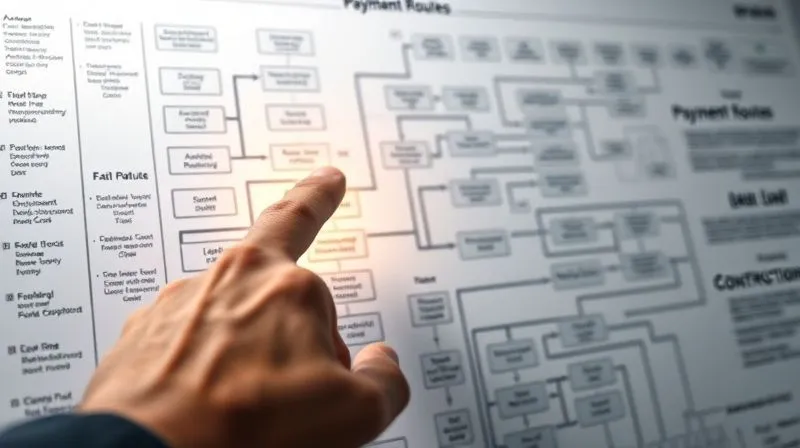
Bankruptcy law includes provisions to prevent debtors from unfairly favoring certain creditors or hiding assets before filing. These are known as 'preference claims' and 'fraudulent transfers,' and they can sometimes allow the bankruptcy trustee to recover funds that were paid out by the GC prior to bankruptcy, which could then be distributed to all creditors.
What is a Preference? Recouping Funds from the GC
A 'preference' occurs when a debtor pays a creditor shortly before filing for bankruptcy, giving that creditor an advantage over others. Generally, if the GC paid you within 90 days before filing for bankruptcy (or one year for 'insiders' like family members or partners), the bankruptcy trustee might demand that you return that payment to the bankruptcy estate. While this sounds counterintuitive, it's designed to ensure fairness among all creditors. There are defenses to preference claims, such as payments made in the 'ordinary course of business' or 'new value' provided after the payment.
Identifying Fraudulent Transfers: When Assets Disappear
A 'fraudulent transfer' involves the GC transferring assets (e.g., equipment, property, cash) to another party without receiving fair value in return, with the intent to defraud creditors or if the GC was already insolvent. This often happens when a GC senses impending bankruptcy and tries to move assets to a related entity or a friend. The look-back period for fraudulent transfers is typically longer than for preferences, often two years under federal bankruptcy law, and even longer under state law.
Case Study: Phoenix Builders' Last-Minute Asset Shift
I recall a challenging situation with 'Phoenix Builders,' a general contractor that, sensing imminent bankruptcy, attempted to transfer significant assets to a newly formed, related entity. Subcontractors, having been advised to monitor unusual financial activities, quickly identified these 'fraudulent transfers.' Through diligent legal action, we were able to challenge these transfers in bankruptcy court, ultimately recovering a portion of the funds for the affected subs. This proactive vigilance saved many from total loss.
Step 6: Leverage Legal Counsel: The Indispensable Partner
While I've outlined key strategies, navigating bankruptcy and construction law simultaneously is incredibly complex. Attempting to do so without specialized legal counsel is akin to performing surgery on yourself – possible, but highly inadvisable and fraught with risk.
Why a Specialized Construction Attorney is Non-Negotiable
An attorney specializing in construction law with experience in bankruptcy proceedings brings invaluable expertise:
- Navigating State and Federal Laws: They understand the intricate interplay between state mechanics' lien laws, federal bankruptcy code, and specific construction statutes.
- Ensuring Compliance: They will ensure all notices, filings, and deadlines are met precisely, preventing critical errors that could invalidate your claim.
- Maximizing Recovery: They can identify all potential avenues for recovery (liens, bonds, trust funds, preference defenses) and pursue them aggressively.
- Negotiating with Trustees and Creditors: They can effectively negotiate with the bankruptcy trustee, other creditors, and even the project owner on your behalf.
- Protecting Your Rights: They will represent your interests in court, challenging improper actions by the debtor or other creditors.
As the American Bar Association often emphasizes, specialized legal knowledge is paramount in complex fields. This is particularly true when your business's financial health is on the line.
Step 7: Proactive Measures – Preventing Future Payment Recovery Nightmares
The best defense against a bankrupt general contractor is a robust offense that starts long before any financial distress arises. Prevention is always better, and far less costly, than cure.
Due Diligence on GCs: Before You Sign
Before you enter into any contract, conduct thorough due diligence on the general contractor:
- Financial Health Check: Request financial statements, credit reports, and bank references. Look for signs of instability or excessive debt.
- References: Contact other subcontractors, suppliers, and previous clients to gauge their payment practices and project management.
- Bonding Capacity: Inquire about their bonding capacity and reputation with surety companies. A GC that struggles to get bonded might be a red flag.
- Legal History: Check for past lawsuits, judgments, or liens filed against them.
Robust Contract Clauses: Your First Line of Defense
Your contract is your primary protection. Ensure it includes clauses that safeguard your payment rights:
- Clear Payment Terms: Specify payment schedules, retainage terms, and penalties for late payments.
- Lien Rights Protection: Include language that explicitly preserves your right to file mechanics' liens and does not require you to waive those rights prematurely.
- Conditional Payment Clauses: Understand the difference between 'pay-if-paid' and 'pay-when-paid' clauses. 'Pay-if-paid' clauses are risky, making your payment contingent on the GC getting paid by the owner. 'Pay-when-paid' clauses generally mean you'll be paid eventually, even if the GC faces delays.
- Right to Information: Include a clause allowing you to request information about the project's payment status from the owner.
- Joint Check Agreements: Where appropriate, negotiate for joint check agreements upfront, especially for materials suppliers.
| Clause Type | Risk Profile | Subcontractor Benefit |
|---|---|---|
| Pay-When-Paid | Lower Risk (GC still pays eventually) | Payment assured, eventually |
| Pay-If-Paid | High Risk (GC only pays if paid by owner) | Payment contingent on owner, higher risk for sub |
| Joint Check Agreement | Moderate Risk | Direct payment from owner, bypasses GC |

Step 8: Understanding the Hierarchy of Creditors
Finally, it's important to understand where you stand in the pecking order of creditors in a bankruptcy case. This hierarchy dictates who gets paid first and often determines your ultimate recovery.
Secured vs. Unsecured Creditors: Where Do You Stand?
At the top are secured creditors. These are creditors who have a legal right to a specific asset of the debtor (e.g., a bank with a mortgage on property, or you, if you have a valid mechanics' lien against the project property). Secured creditors are typically paid from the sale of their collateral before anyone else. This is why a mechanics' lien is so powerful – it elevates you from a general creditor to a secured one.
Unsecured creditors, on the other hand, have no specific collateral. This includes most suppliers without liens, credit card companies, and contractors without specific security interests. They are at the bottom of the payment hierarchy and often receive only a small fraction of what they are owed, if anything at all, after secured and priority claims are satisfied.
Administrative Claims and Priority Debts
Between secured and general unsecured creditors are various categories of 'priority' claims. These include:
- Administrative Claims: These are debts incurred by the bankruptcy estate itself after the filing, such as legal fees for the trustee or professional fees. These are typically paid first.
- Priority Unsecured Claims: Certain types of unsecured debts are given priority by law, such as employee wages, certain taxes, and sometimes specific types of trust fund claims.
| Creditor Type | Priority Level | Recovery Likelihood |
|---|---|---|
| Secured (with lien) | High | Good, tied to specific asset |
| Administrative (post-petition services) | Very High | Often paid in full |
| Priority Unsecured (e.g., wages) | Medium-High | Better than general unsecured |
| General Unsecured (no lien) | Low | Often pennies on the dollar, if anything |
Understanding this hierarchy underscores why proactive measures, like securing your claim with a mechanics' lien or payment bond, are not just good practice but essential for maximizing your recovery when a general contractor goes bankrupt.
Frequently Asked Questions (FAQ)
Question? Can I still file a mechanics' lien after the GC files for bankruptcy?
Answer: Yes, in most jurisdictions, you can still file or perfect a mechanics' lien even after a general contractor files for bankruptcy, provided your state's statutory deadlines for filing have not yet expired. The act of filing (or 'perfecting') a lien is generally considered an exception to the automatic stay, as it merely records a pre-existing right rather than initiating a collection action. However, enforcing or foreclosing on that lien will typically require permission from the bankruptcy court (a 'motion for relief from stay'). It's crucial to consult with an attorney immediately to ensure compliance with both state lien laws and federal bankruptcy rules, as missing deadlines can be fatal to your claim.
Question? What's the difference between a preference claim and a fraudulent transfer?
Answer: While both involve the bankruptcy trustee seeking to recover funds or assets, they address different types of transactions. A 'preference claim' arises when the bankrupt general contractor paid a specific creditor (you, for instance) shortly before filing for bankruptcy (typically within 90 days, or one year for insiders), giving that creditor an unfair advantage over others. The payment itself was legitimate, but its timing is problematic in bankruptcy. A 'fraudulent transfer,' on the other hand, involves the GC transferring assets without receiving fair value in return, with the intent to defraud creditors, or when they were already insolvent. This often involves moving assets to related parties or selling them for significantly less than market value. The look-back period for fraudulent transfers is usually longer than for preferences.
Question? How long does the payment recovery process typically take in bankruptcy?
Answer: The payment recovery process in bankruptcy is rarely swift. It can range from several months to several years, depending on the complexity of the bankruptcy estate, the type of bankruptcy (Chapter 7 vs. Chapter 11), the number and type of creditors, and the amount of assets available. Chapter 7 liquidations can sometimes be resolved faster if there are few assets, but Chapter 11 reorganizations, involving a plan for repayment, can stretch on for years. Your attorney will be able to provide a more realistic timeline based on the specifics of the GC's case, but patience and persistence are key.
Question? Should I continue working on a project if the GC files for bankruptcy?
Answer: This is a critical and complex question. Generally, once a GC files for bankruptcy, the automatic stay prevents you from terminating your contract solely due to the bankruptcy filing. However, you also don't want to continue incurring costs if you won't be paid. It's imperative to stop work immediately and seek legal advice. Your attorney can help you understand your contractual rights, whether the contract can be 'assumed' or 'rejected' by the bankruptcy trustee, and how to protect yourself from further losses. Continuing to work without clear assurances and court approval can put you at significant financial risk, as new work might be considered an administrative claim, which has high priority, but only if properly authorized.
Question? What if the GC was bonded? How does that help?
Answer: If the general contractor was bonded, particularly with a payment bond, this is a significant advantage. A payment bond is a three-party agreement where a surety company guarantees payment to subcontractors and suppliers if the GC defaults on its payment obligations, including due to bankruptcy. Your claim is then directed against the solvent surety company, rather than the bankrupt GC's estate. This often bypasses the complexities of bankruptcy court entirely. However, you must adhere strictly to the notice requirements and deadlines stipulated in the bond itself and by applicable state or federal law (e.g., the Miller Act for federal projects). Failure to provide timely notice to the surety can invalidate your claim against the bond.
Key Takeaways and Final Thoughts
The bankruptcy of a general contractor is undoubtedly a stressful and potentially devastating event for any subcontractor or supplier. However, as I've aimed to illustrate, it is not an insurmountable obstacle to payment recovery. With the right knowledge, proactive measures, and expert legal guidance, you can significantly improve your chances of securing the funds you are rightfully owed.
- Act Immediately: Time is your biggest adversary. Gather all documentation and seek legal counsel the moment you suspect financial distress.
- Secure Your Interests: Prioritize filing mechanics' liens and making claims against payment bonds. These are your strongest shields.
- Engage with Bankruptcy Court: File an accurate and timely Proof of Claim to ensure your voice is heard in the proceedings.
- Explore All Avenues: Look beyond the obvious for recovery, including direct payments from owners or trust fund claims.
- Prevention is Paramount: Implement robust due diligence and strong contractual clauses to protect yourself from future risks.
Remember, while the legal landscape is complex, you don't have to navigate it alone. Partnering with an experienced construction law attorney is an investment that can save your business from significant financial loss. By understanding your rights, acting decisively, and leveraging the available legal tools, you can emerge from the challenge of a bankrupt general contractor with your financial health intact and your business poised for future success. Stay vigilant, stay informed, and most importantly, stay proactive.
Recommended Reading
- Can Drug Addiction Be a Defense? Unlocking Its Impact on Criminal Cases
- ESG Regulations & Corporate Legal Strategy: 7 Key Impacts to Know
- FERPA Breach? 7 Steps to Handle Student Data Incidents & Protect Your Institution
- HOA Pet Breed Restrictions: Can They Really Ban Your Dog?
- 5 Legal Steps: Recovering Crew Wages from Abandoned Vessels Abroad




Comments
Leave a comment below. Your email will not be published. Required fields marked with *