


What to do when renewable energy project faces grid interconnection issues?
For over 15 years, navigating the intricate landscape of environmental and energy law, I've witnessed firsthand the immense potential of renewable energy projects. Yet, I've also seen promising ventures stall, sometimes for years, due to a single, often underestimated challenge: grid interconnection issues. It's a problem that can turn a green light into a red tape nightmare, costing developers millions and delaying our collective transition to a sustainable future.
The pain points are palpable: escalating costs from delays, uncertain timelines, complex technical requirements, and a bureaucratic maze that can frustrate even the most seasoned professionals. Developers often find themselves caught between ambitious project goals and an aging, often unprepared, electrical grid infrastructure. The dream of clean power can quickly become ensnaring in a web of studies, permits, and unforeseen upgrades.
In this definitive guide, I will share my insights and provide a robust framework for understanding, anticipating, and decisively acting when your renewable energy project faces grid interconnection issues. We'll delve into actionable strategies, real-world analogies, and expert advice to help you not just survive, but thrive, through these complex challenges. My goal is to equip you with the knowledge to transform potential roadblocks into manageable pathways, ensuring your project reaches its full operational potential.
Understanding the Grid Interconnection Landscape: A Complex Web
The electrical grid is a marvel of engineering, but it's also a highly intricate, often antiquated, system not originally designed for the distributed, intermittent nature of many modern renewable energy sources. When a renewable project, be it a large-scale solar farm or a community wind turbine array, seeks to connect, it essentially asks the grid to accommodate a new, dynamic power producer. This request triggers a cascade of technical and regulatory reviews.
The Regulatory Maze: FERC, State, and Local Nuances
The regulatory framework governing grid interconnection is multi-layered. At the federal level, the Federal Energy Regulatory Commission (FERC) plays a crucial role, particularly for projects interconnecting to the interstate transmission system or those impacting wholesale markets. FERC Orders, like Order No. 2003 and more recently Order No. 2023, establish standardized procedures and agreements. However, state Public Utility Commissions (PUCs) often set their own rules for projects connecting to distribution grids or within state boundaries, sometimes varying significantly from federal guidelines. Add to this local permitting and zoning requirements, and you have a truly complex regulatory environment.
Navigating this maze requires not just legal acumen but also a deep understanding of the specific jurisdiction your project falls under. I've seen projects falter because developers underestimated the power of state-specific rules or failed to engage local authorities early enough. It's not just about compliance; it's about strategic engagement.
For more detailed information on FERC's role in interconnection, I highly recommend reviewing their official resources: FERC Interconnection Resources.
Technical Challenges: Capacity, Stability, and Reliability
Beyond regulations, the technical hurdles are formidable. The grid has finite capacity. If your project proposes to inject power into a segment of the grid that is already congested or lacks sufficient transmission lines, it will require costly upgrades. Grid stability is another major concern. Intermittent renewables can introduce voltage fluctuations or frequency deviations, which grid operators must manage to prevent blackouts. Reliability studies assess how your project will impact the grid's ability to consistently deliver power.
In my experience, developers often focus heavily on their project's generation capacity but less on its impact on grid stability. This oversight can lead to unexpected requirements for advanced inverters, reactive power compensation, or even synchronous condensers, all of which add significant costs and complexity. Understanding these technical nuances early can save you from costly surprises down the line. The U.S. Energy Information Administration (EIA) provides comprehensive data on grid infrastructure and renewable energy integration trends, which underscores these challenges: EIA Grid Integration Overview.

Proactive Planning: Your First Line of Defense
The best defense against interconnection issues is a strong offense, meaning meticulous proactive planning. This isn't just about filling out forms; it's about strategic foresight and engagement.
Early Engagement with Utilities and RTOs/ISOs
One of the most critical steps I advise is early, informal engagement with the interconnecting utility or the relevant Regional Transmission Organization (RTO) or Independent System Operator (ISO). Before you even submit your formal application, schedule preliminary discussions. These conversations can provide invaluable insights into potential bottlenecks, known grid constraints in your project area, and the utility's specific requirements or preferences. They can also help you understand their queue, their typical timelines, and any upcoming grid upgrades that might benefit or hinder your project.
Key takeaway: A friendly, collaborative relationship built early can smooth out many wrinkles later. Don't wait for formal processes to begin dialogue.
Comprehensive Site Assessment and Grid Impact Studies
A thorough site assessment extends beyond just solar irradiance or wind speeds. It must include a preliminary grid impact analysis. This involves understanding the nearest substation, its capacity, the condition of transmission and distribution lines, and any known upgrade plans. While formal studies will come later, a pre-application assessment can help you identify red flags, potential upgrade costs, and even alternative interconnection points that might be less problematic.
Consider engaging an independent grid consultant early on. Their expertise can help you model potential scenarios and estimate the scope of necessary upgrades, providing crucial data for your financial modeling and project planning. This initial investment can prevent much larger financial shocks later.
Navigating the Interconnection Queue: Strategy and Diligence
Once you submit your application, your project enters the interconnection queue. This is often where projects face their most significant delays and cost uncertainties. Strategic navigation is paramount.
Understanding Queue Position and Study Processes
Your position in the queue is critical; it generally dictates the order in which studies are conducted. Be prepared for a multi-stage study process:
- Feasibility Study: A high-level overview of potential impacts and required upgrades.
- System Impact Study (SIS): A more detailed analysis of the project's impact on grid reliability and stability.
- Facilities Study (FS): Determines the specific upgrades needed for your project to interconnect safely and reliably.
Financial Security and Milestones: Avoiding Pitfalls
Interconnection agreements often require financial security (e.g., letters of credit, bonds) to cover the costs of network upgrades. These requirements escalate as the project progresses through the studies. Understand these financial milestones thoroughly. Missing a deadline or failing to provide adequate security can lead to your project being withdrawn from the queue. I've seen projects with solid technical foundations collapse because they couldn't meet these financial obligations at critical junctures.
Pro Tip: Factor these financial security requirements into your project's overall budget and financing strategy from day one. Don't let them become an afterthought.
| Phase | Typical Duration | Key Activities |
|---|---|---|
| Application & Screening | 1-3 months | Initial review, queue position assignment, deposit payment |
| Feasibility Study | 2-4 months | High-level impact assessment, preliminary cost estimates |
| System Impact Study (SIS) | 4-8 months | Detailed technical analysis, identification of required upgrades |
| Facilities Study (FS) | 6-12 months | Design of specific upgrades, final cost estimates, interconnection agreement drafting |
| Construction & Energization | 6-24+ months | Utility-side construction, project-side construction, testing, commissioning |
Legal and Regulatory Advocacy: When Rules Get in the Way
Sometimes, the issues aren't just technical or procedural; they're systemic, rooted in outdated regulations or utility practices. This is where legal and regulatory advocacy becomes crucial.
Leveraging State and Federal Policies
Many states have renewable portfolio standards (RPS) or other clean energy mandates that can be leveraged. If your project aligns with these broader policy goals, you might find allies in state energy offices or environmental agencies. Advocacy can involve participating in stakeholder meetings, submitting comments on proposed rulemakings, or even engaging in formal complaints if a utility is demonstrably acting unfairly or in violation of existing rules.
According to a report by the National Renewable Energy Laboratory (NREL), proactive engagement in state regulatory proceedings can significantly de-risk renewable energy projects by shaping favorable interconnection rules. "The costs and timelines associated with interconnection are often the greatest single barrier to renewable energy deployment," states one NREL analyst in their recent publication on grid modernization efforts. Understanding and influencing these policy environments is a powerful tool.
You can find valuable insights into state-level policies here: NREL State Interconnection Policies.
Dispute Resolution and Appeals Processes
If negotiations with the utility reach an impasse, or if you believe the utility's requirements are unjust or discriminatory, formal dispute resolution or appeals processes may be necessary. This could involve filing a complaint with FERC, your state PUC, or pursuing arbitration as specified in the interconnection agreement. These processes are complex and often require specialized legal expertise. Having counsel experienced in energy regulatory disputes can be the difference between success and prolonged frustration.
My advice: Always explore collaborative solutions first, but be prepared to escalate if necessary. Knowing your rights and the available avenues for recourse is essential for protecting your project's interests.
Technical Solutions and System Upgrades: Creative Problem Solving
Not all grid issues require fighting the system; many can be addressed through innovative technical solutions or by strategically contributing to necessary system upgrades.
Grid Modernization and Smart Grid Technologies
The grid is evolving. Technologies like advanced inverters, SCADA systems, and distributed energy resource management systems (DERMS) can help integrate renewables more smoothly. If your project can incorporate these "smart grid" capabilities, it might mitigate some of the stability concerns utilities have, potentially reducing the scope or cost of traditional upgrades. Proposing these solutions as part of your interconnection application demonstrates foresight and a commitment to grid reliability.
Energy Storage Integration: A Game Changer
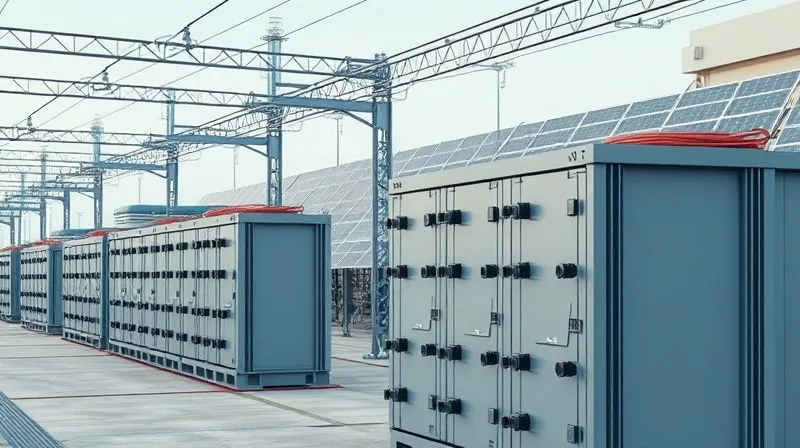
Battery energy storage systems (BESS) are rapidly becoming a go-to solution for interconnection challenges. By storing excess renewable generation and dispatching it when needed, BESS can firm up intermittent power, provide ancillary services (like frequency regulation and voltage support), and even defer or reduce the need for costly transmission upgrades. Integrating storage can often transform a challenging interconnection into a viable one, making your project more attractive to grid operators.
I recently worked on a project where a developer was facing a multi-year delay and tens of millions in transmission upgrade costs. By integrating a significant battery storage component, they were able to mitigate the grid impact, reduce the required upgrades substantially, and accelerate their interconnection timeline by over a year. It was a testament to how creative technical solutions can unlock projects.
Power Purchase Agreements (PPAs) and Commercial Considerations
The financial implications of interconnection issues often ripple through your Power Purchase Agreement (PPA). It's crucial to address these risks contractually.
Negotiating Interconnection Costs in PPAs
PPAs should clearly define who is responsible for interconnection costs – both direct (e.g., substation upgrades) and indirect (e.g., curtailment risk). While developers typically bear their direct interconnection costs, the allocation of network upgrade costs can be a point of negotiation. Ensure there are clear provisions for how cost overruns or unexpected upgrade requirements will be handled. I always advise clients to include clauses that allow for PPA adjustments or termination if interconnection costs exceed a predefined threshold, protecting the project's financial viability.
Managing Project Schedules and Financial Risks
Interconnection delays inevitably impact project schedules, which in turn affect financial models, debt covenants, and tax equity timelines. Your PPA should include robust force majeure clauses that specifically address grid-related delays beyond the developer's control. Liquidated damages for delayed commercial operation should also be carefully considered, with carve-outs for interconnection-related issues. Proactive risk management in your PPA can prevent catastrophic financial penalties.
Expert Insight: "A PPA is not just a revenue agreement; it's a risk allocation document. When it comes to grid interconnection, a poorly drafted PPA can turn a minor delay into a project killer. Always ensure your PPA accurately reflects the potential for interconnection challenges and allocates those risks fairly."
Building Strategic Partnerships: Collaboration is Key
You don't have to face interconnection issues alone. Building a strong team and fostering collaborative relationships can significantly improve your chances of success.
Engaging with Industry Associations and Stakeholders
Industry associations (e.g., SEIA, AWEA, specific state renewable energy groups) are invaluable resources. They often lobby for improved interconnection policies, share best practices, and can provide a platform for collective action against systemic issues. Participating in these groups keeps you informed about emerging trends, policy changes, and successful strategies employed by other developers. It's about strengthening the renewable energy community's voice.
Working with Experienced Legal and Technical Counsel
This cannot be overstated. Engaging legal counsel with deep expertise in environmental and energy law, specifically renewable energy and grid interconnection, is paramount. They can help interpret complex regulations, draft robust interconnection agreements, negotiate with utilities, and represent you in regulatory proceedings. Similarly, a skilled technical consultant specializing in grid integration can perform crucial studies, model impacts, and propose innovative solutions. This team is your shield and sword in the interconnection battle.
I recall a complex case where a developer was facing an exorbitant charge for a transmission upgrade that seemed disproportionate to their project's size. By bringing in a specialized technical consultant, we were able to demonstrate to the utility that a less costly, alternative solution was technically feasible and would still maintain grid reliability. This collaborative, expert-driven approach saved the project millions and ensured its viability.

Case Study: The "Sunstone Solar" Project's Battle with Grid Congestion
How Sunstone Solar Overcame a Major Interconnection Hurdle
Sunstone Solar, a developer of a 100 MW solar project in a rapidly growing but transmission-constrained region, faced a daunting challenge. Their initial interconnection study indicated a need for over $50 million in network upgrades, primarily to alleviate congestion on a nearby 230 kV transmission line. This cost made the project financially unviable under its existing PPA.
Instead of abandoning the project, Sunstone Solar implemented a multi-pronged strategy:
- Re-evaluation of Interconnection Point: They engaged an independent grid consultant to identify alternative, less congested interconnection points, even if slightly further away. This led to a revised proposal that shifted the interconnection to a stronger part of the grid.
- Strategic Energy Storage Integration: Simultaneously, they explored integrating a 20 MW / 80 MWh battery storage system. The storage was designed to absorb power during peak solar generation and discharge during evening peaks, effectively smoothing out their output and reducing the impact on the congested line.
- Regulatory Advocacy: Their legal team, working with local industry associations, advocated for state-level policy changes that incentivized hybrid solar-plus-storage projects, highlighting the grid benefits.
- Negotiated PPA Amendment: With the revised technical solution, they successfully renegotiated their PPA to reflect the reduced interconnection costs and the enhanced reliability offered by the storage component.
- Lesson 1: Don't accept initial study results as final; always seek alternative technical solutions.
- Lesson 2: Energy storage can be a powerful tool for mitigating interconnection challenges.
- Lesson 3: Leverage regulatory advocacy to create a more favorable environment for your project.
Frequently Asked Questions (FAQ)
Q: How long does the typical grid interconnection process take for a utility-scale renewable project? A: The timeline can vary dramatically based on project size, location, and utility backlog. For utility-scale projects, the formal study process alone (Feasibility, SIS, FS) can take anywhere from 12 to 36 months, sometimes longer. Add construction time for network upgrades, and the total process from application to commercial operation can easily span 3 to 5 years. Early engagement and proactive management are crucial for minimizing these timelines.
Q: What are the biggest cost drivers in grid interconnection? A: The primary cost drivers are network upgrades required to accommodate the new generation. These can include upgrading substations, reinforcing or building new transmission lines, or installing reactive power compensation equipment. The costs are highly site-specific and depend on the existing grid infrastructure's capacity and condition at the point of interconnection. Financial security requirements (deposits, letters of credit) also represent significant capital outlays.
Q: Can a project be forced to pay for upgrades that benefit other projects or the entire grid? A: Yes, this is a common point of contention. Under FERC's "participant funding" principle, an interconnecting generator is responsible for the costs of upgrades necessary to reliably interconnect their project. However, for "network upgrades" that provide broader benefits to the transmission system, FERC rules often allow for cost allocation mechanisms where a portion of these costs might be socialized or recovered over time. This is a complex area, often requiring legal expertise to navigate and negotiate fair cost allocations.
Q: What role do state-level policies play in interconnection, especially if FERC governs federal transmission? A: State-level policies are critical, especially for projects connecting to the distribution grid (below 69 kV) or those whose impacts are primarily within a single state's jurisdiction. State Public Utility Commissions (PUCs) often set their own interconnection rules, study requirements, and cost allocation methodologies for distributed generation. While FERC focuses on wholesale transmission, state policies directly impact a vast number of renewable energy projects and can offer expedited processes or specific incentives.
Q: What is "curtailment risk" and how does it relate to interconnection? A: Curtailment risk refers to the possibility that your renewable energy project may be ordered by the grid operator to reduce its output, or even shut down, due to grid congestion, oversupply, or reliability concerns. While some curtailment is normal, excessive curtailment can severely impact a project's revenue. Interconnection studies identify potential curtailment risks, and often, grid upgrades are designed to mitigate this. Robust PPA clauses and, increasingly, integrated energy storage are key strategies to manage and reduce curtailment risk.
Key Takeaways and Final Thoughts
Navigating grid interconnection issues is undeniably one of the most challenging aspects of renewable energy project development. Yet, it's a challenge that can be overcome with the right blend of foresight, technical prowess, legal strategy, and collaborative spirit. As I've seen over my career, projects that succeed are those where developers treat interconnection not as an afterthought, but as a core, integrated part of their development strategy.
- Proactive Engagement: Start dialogues with utilities and regulators early.
- Thorough Due Diligence: Conduct comprehensive site and grid impact assessments.
- Strategic Queue Management: Understand and diligently track your progress through study phases.
- Legal & Regulatory Acumen: Leverage policies and be prepared for advocacy or dispute resolution.
- Innovative Solutions: Explore energy storage and smart grid technologies to mitigate impacts.
- Robust Commercial Agreements: Ensure PPAs adequately address interconnection risks and costs.
- Expert Partnerships: Build a strong team of legal and technical specialists.
The transition to a clean energy future depends on our ability to integrate these vital projects into our existing infrastructure seamlessly. By adopting the strategies outlined here, you're not just solving a problem for your project; you're contributing to the broader evolution of a more resilient, sustainable grid. Stay diligent, stay informed, and remember that every hurdle overcome brings us closer to a truly renewable world. Your project's success is a critical step in that journey.
Recommended Reading
- 7 Legal Steps to Terminate Employee Benefits During Layoffs
- 5 Legal Pillars: Expelling Students Without Due Process Violations
- 5 Expert Strategies: Countering 'Reasonable Attempts' in Lemon Law Claims
- Navigating CWA: 5 Steps to Determine Isolated Wetland Jurisdiction
- 5 Signs of Unlawful Permit Denial: Your Rights Under Administrative Law





Comments
Leave a comment below. Your email will not be published. Required fields marked with *