



What to do when unexpected title issues threaten property acquisition?
For over two decades in real estate law, I've witnessed the profound excitement of a property acquisition swiftly turn into a nightmare when an unexpected title issue surfaces. It's a moment of unsettling discovery – that perfect parcel of land or dream home might not be as clear-cut as it seemed, casting a long shadow over your investment and future plans.
The pain points are palpable: potential financial loss, agonizing delays, and the emotional toll of uncertainty. Imagine being days away from closing, only to find an undisclosed easement, an unreleased lien, or an heir claiming a stake. These aren't just minor inconvenibilities; they are significant legal hurdles that can derail an entire transaction and leave you feeling helpless.
But here's the crucial insight I've gained: unexpected title issues, while daunting, are often resolvable with the right approach and expert guidance. In this definitive guide, I will share the actionable frameworks, crucial steps, and expert strategies I've honed over years of navigating complex real estate transactions. You'll learn not just what to do, but how to proactively manage, negotiate, and ultimately overcome these challenges to secure your property acquisition.
Understanding the Landscape: Common Title Issues You Might Encounter
Before we delve into solutions, it's vital to recognize the various forms a title issue can take. My experience has shown that preparedness begins with awareness.
Unreleased Liens and Encumbrances
These are claims against the property, often for unpaid debts. Common examples include mechanics' liens for unpaid construction work, tax liens, or judgment liens from court cases. Even if a debt has been paid, if the lien wasn't properly released in public records, it remains a cloud on the title.
Easements and Rights-of-Way
An easement grants someone else the right to use a portion of your property for a specific purpose, such as utility companies accessing power lines or a neighbor having a right-of-way across your land. These can significantly impact your property's use and value if not properly disclosed or understood.
Boundary Disputes and Encroachments
Sometimes, property lines are not where everyone assumes they are. An encroachment occurs when a structure (like a fence or garage) from an adjacent property extends onto yours, or vice-versa. These issues often arise from old, inaccurate surveys or informal agreements that were never legally formalized.
Errors in Public Records
Clerical errors, misspellings, or incorrect legal descriptions in deeds, mortgages, or other public records are surprisingly common. These seemingly minor errors can create major headaches, questioning the legal chain of ownership.
Probate Issues and Undisclosed Heirs
If a previous owner passed away without a clear will or if their estate was not properly settled, an heir could emerge claiming an interest in the property. This is particularly challenging when the chain of title involves multiple generations or complex family trees.
Forged Documents or Fraud
While less common, instances of forged deeds or fraudulent transfers do occur. These can be incredibly difficult to detect without a meticulous title search and often require extensive legal action to resolve.
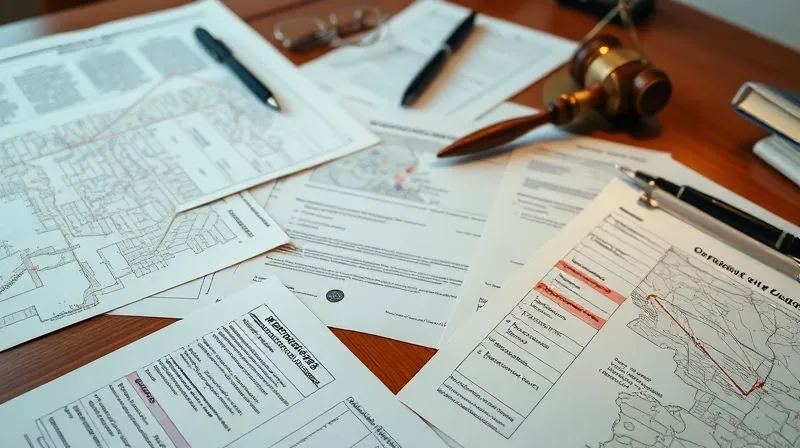
The Immediate Aftermath: What to Do First When a Title Issue Emerges
Discovering a title issue can feel like a punch to the gut. My first piece of advice is always the same: don't panic. Rational, calculated steps are your best defense.
- Stop, Breathe, and Assess: Avoid making hasty decisions. Take a moment to understand the specific nature of the issue as presented by your title company or attorney.
- Review Your Title Commitment: Your title commitment document, issued by the title company, outlines what they are willing to insure and lists any known exceptions or defects. This is your roadmap to understanding the problem.
- Communicate with All Parties: Inform your real estate agent, the seller, and your lender immediately. Transparency is key to finding a resolution.
- Document Everything: Keep a meticulous record of all communications, documents, and timelines related to the title issue. This will be invaluable later.
In my experience, the clock starts ticking the moment a title issue is identified. Procrastination only amplifies the problem, potentially jeopardizing your closing date and increasing costs. Act swiftly, but with informed caution.
Assembling Your A-Team: The Professionals You Need
You cannot navigate complex title issues alone. Building a strong team of experienced professionals is paramount. This is where your investment in expertise truly pays off.
Your Real Estate Attorney – The Linchpin
This is non-negotiable. A seasoned real estate attorney specializing in property acquisition and title defects is your primary advocate. They will interpret the title commitment, advise on legal implications, negotiate on your behalf, and, if necessary, pursue litigation. I've seen countless situations where a good attorney saved a deal that seemed dead in the water.
Title Company & Title Examiner – Your Investigative Arm
The title company conducts the title search and issues the title insurance. Their title examiner is the detective who uncovers the issues. Work closely with them to understand the origin and scope of the defect. They often have resources and historical data that are critical for resolution.
Surveyor – The Boundary Expert
If the issue involves boundaries, easements, or encroachments, a professional land surveyor is indispensable. Their official survey can legally define property lines and identify physical encroachments, providing the factual basis for resolution.
Other Specialists (e.g., Environmental Consultants, Probate Attorneys)
Depending on the specific title issue, you might need additional experts. For environmental liens, a consultant might be required. For probate-related issues, an attorney specializing in estate law may be necessary to clear the title.

Strategic Negotiation & Resolution: Navigating the Path Forward
Once the issue is understood and your team is assembled, the focus shifts to resolution. This often involves negotiation and strategic problem-solving.
Negotiation Tactics with the Seller
Many title issues can be resolved by the seller. Your attorney can negotiate for the seller to:
- Cure the Defect: The seller might agree to take the necessary legal steps to clear the title (e.g., pay off a lien, obtain a release, file a quiet title action).
- Offer a Price Reduction: If the defect cannot be easily cured, or if it diminishes the property's value, you might negotiate a reduction in the purchase price to compensate for the issue or the cost of future resolution.
- Place Funds in Escrow: For issues that can be resolved post-closing but require time (e.g., obtaining a lien release), a portion of the seller's proceeds can be held in escrow until the title is cleared.
Working with the Title Company for Indemnity or Cure
Your title company, particularly if you have title insurance (which you absolutely should), plays a critical role. They may:
- Insure Over the Defect: For minor, low-risk issues, the title company might agree to insure you against the defect, essentially taking on the risk.
- Assist in Curing the Defect: They have an interest in a clean title and may assist in obtaining releases or filing necessary paperwork.
Escrow Holds and Contract Adjustments
A well-drafted purchase agreement should include contingencies for title defects. If not, your attorney can negotiate an amendment to the contract to address the issue, including extended closing dates, escrow holdbacks, or seller responsibilities.
The goal in negotiation is not to 'win' at all costs, but to find a mutually agreeable solution that protects your investment and allows the transaction to proceed. Flexibility and creative problem-solving are invaluable here.
Here's a comparison of common resolution strategies:
| Strategy | Description | Pros | Cons |
|---|---|---|---|
| Seller Cure | Seller takes legal steps to remove the defect. | Clean title at closing, minimal buyer effort. | Can cause significant delays, seller cooperation needed. |
| Price Reduction | Buyer receives a discount to compensate for defect. | Faster resolution, buyer controls future fix. | Buyer assumes risk and cost of future resolution. |
| Escrow Holdback | Funds held post-closing until defect is cleared. | Allows closing on time, incentivizes seller to fix. | Requires careful escrow agreement, potential for disputes. |
| Title Insurance Endorsement | Title company insures buyer against certain defects. | Often quick, provides financial protection. | Does not remove the defect, only insures against loss from it. |
Legal Avenues: When Litigation Becomes Necessary
While negotiation is always the preferred first step, there are times when legal action is the only path to clearing a title. This is where your attorney's expertise in litigation becomes critical.
Quiet Title Actions
A quiet title action is a lawsuit filed to establish clear ownership of a property. This is a common remedy when there are multiple potential claimants, ambiguous deeds, or disputes over property boundaries. The court's judgment legally resolves all claims and declares who the rightful owner is, clearing the cloud on the title.
Actions for Specific Performance
If a seller refuses to cure a title defect that they are contractually obligated to resolve, or if they attempt to back out of the sale due to a solvable title issue, you might pursue an action for specific performance. This compels the seller to fulfill their contractual obligations, including clearing the title and proceeding with the sale.
Breach of Contract Claims
If the title issue constitutes a breach of the purchase agreement, and specific performance isn't feasible or desired, you might pursue a claim for damages. This can compensate you for losses incurred due to the seller's inability or refusal to deliver clear title.

Case Study: Turning a Title Nightmare into a Successful Acquisition
Case Study: The Unrecorded Easement in 'The Lakeside Retreat'
I recall a client, let's call her Sarah, who was acquiring a beautiful lakeside property. Days before closing, a title search revealed an unrecorded utility easement across a significant portion of the backyard, granting the local water authority rights to access and maintain a pipeline. This easement was not disclosed by the seller and severely impacted Sarah's plans for a new deck and landscaping.
Initially, Sarah was devastated, ready to walk away. Her real estate agent felt the deal was dead. However, my firm immediately engaged with the title company and the water authority. We discovered the easement was very old, predating many public records, and the pipeline was largely defunct and rarely accessed.
Our Action Plan:
- Verification: We obtained detailed maps and historical records from the water authority, confirming the easement's exact location and its minimal impact in recent decades.
- Negotiation: We negotiated with the seller for a significant price reduction, acknowledging the diminished value and the potential future inconvenience.
- Title Insurance Endorsement: Critically, we worked with the title company to obtain an endorsement on Sarah's owner's title insurance policy. This endorsement specifically insured Sarah against any financial loss should the water authority ever exercise its rights under the easement in a way that significantly impacted her property's use or value.
- Contract Amendment: An amendment was drafted, outlining the price reduction, the title insurance endorsement, and an extended due diligence period for Sarah to confirm her comfort level.
The Outcome: Sarah, armed with clear information, a financial concession, and robust title insurance protection, decided to proceed. She acquired her dream lakeside retreat, fully aware of the easement but financially protected and compensated. This case exemplifies how understanding the nuance of the issue, proactive negotiation, and leveraging title insurance can salvage a seemingly doomed acquisition.
Proactive Measures: Minimizing Future Risks
While this article focuses on resolving existing issues, I always advise clients on how to prevent them. Proactivity is your best defense against unexpected title problems.
Thorough Due Diligence from the Outset
This cannot be overstated. A comprehensive due diligence period allows your attorney and title company ample time to conduct thorough title searches, surveys, and property investigations. Don't rush this critical phase.
Understanding Your Title Insurance Policy
Owner's title insurance is not just a formality; it's a vital protection against undiscovered defects. Understand what your policy covers and what it excludes. While it doesn't prevent title issues, it provides financial indemnity and often covers legal defense costs if a claim arises post-closing. According to the American Land Title Association (ALTA), title insurance protects against financial loss from defects in title to real property.
The Value of a Strong Purchase Agreement
Ensure your purchase agreement is robust and includes clear contingencies related to title. It should specify the seller's obligation to deliver clear title and outline remedies if defects are found. A well-drafted contract is your first line of defense.
The Financial Implications: Costs, Delays, and Mitigations
Unexpected title issues don't just cause headaches; they often hit your wallet. Understanding these financial impacts is crucial.
Potential Costs
- Legal Fees: Attorneys' fees for negotiation, research, and potential litigation can accumulate quickly.
- Survey Fees: If a new survey is required to resolve boundary disputes, this is an additional expense.
- Title Insurance Premiums: While a one-time cost, it's an upfront investment that protects against future losses.
- Lost Opportunity Costs: Delays can mean missing out on other investment opportunities or incurring additional costs like extended lock-in rates for mortgages.
Mitigating Financial Impact
Early detection and swift action are the best mitigators. A proactive attorney can often resolve issues more cost-effectively than reacting to an escalated problem. Negotiating with the seller for cost-sharing or price reductions, as discussed, is another key strategy.
According to a report by the National Association of Realtors, unexpected delays, often due to title issues, are a leading cause of transaction fall-throughs, highlighting the financial and emotional toll on both buyers and sellers.
Here's a simplified breakdown of potential financial considerations:
| Cost Factor | Impact | Mitigation |
|---|---|---|
| Legal Fees | High (variable based on complexity) | Early engagement with attorney, clear communication. |
| Survey Costs | Medium (if required) | Ensure seller provides recent survey, negotiate cost sharing. |
| Extended Loan Lock-in Fees | Medium (due to delays) | Communicate with lender, negotiate extensions. |
| Lost Opportunity | High (difficult to quantify) | Swift action, clear resolution strategy. |
The Emotional Toll: Managing Stress and Expectations
Beyond the legal and financial aspects, I've seen the significant emotional toll title issues can take. The excitement of buying property can quickly turn into frustration, anxiety, and even anger.
It's important to acknowledge these feelings. Recognize that this is a common challenge in real estate. Maintain open lines of communication with your team, and lean on their expertise. Set realistic expectations about timelines; some title issues can be resolved quickly, while others may take months, especially if litigation is involved. Patience and perseverance are your allies.
Frequently Asked Questions (FAQ)
Can I still acquire the property if a title issue is unresolvable? In some rare cases, if the issue is severe and uncurable (e.g., a property is entirely landlocked without an easement, and no right-of-way can be established), you may not be able to acquire it, or it may not be advisable. However, most issues are resolvable with the right legal strategy, negotiation, or title insurance endorsement. Your attorney will advise on the feasibility and risk.
How long do title disputes typically take to resolve? The timeline varies significantly. Simple issues like obtaining a lien release might take a few days or weeks. More complex issues involving multiple parties, boundary disputes requiring surveys, or probate can take several months. Litigation, such as a quiet title action, can extend to a year or more. Patience is key, but your attorney will strive for the quickest resolution.
What's the difference between a title search and title insurance? A title search is the investigative process of examining public records to determine and confirm a property's legal ownership and identify any encumbrances. Title insurance, on the other hand, is an indemnity policy that protects the buyer (and lender) against financial loss from defects in title that were not discovered during the title search or that arise later. You need both.
Who typically pays for resolving title issues? This is often a point of negotiation. Generally, the seller is obligated to deliver clear, marketable title. Therefore, the seller often bears the cost of resolving issues like unreleased liens or obtaining necessary releases. However, for certain issues or as part of a negotiated settlement, the buyer might contribute, or a price reduction might be offered in lieu of the seller paying for the fix.
Is it possible for a title issue to emerge after closing? Yes, absolutely. This is precisely why owner's title insurance is so crucial. While a thorough title search aims to uncover all issues, hidden defects can sometimes surface later, such as a previously unknown heir, a forged document that went undetected, or an error in public records. Your owner's title insurance policy provides protection in such scenarios.
Key Takeaways and Final Thoughts
Navigating unexpected title issues during a property acquisition can be one of the most stressful experiences in real estate. However, based on my extensive experience, it is a challenge that can almost always be overcome with the right strategy and a formidable team. Remember these critical takeaways:
- Don't Panic, Act Decisively: Early detection and swift, informed action are your best allies when what to do when unexpected title issues threaten property acquisition.
- Assemble Your Expert Team: A skilled real estate attorney, a diligent title company, and potentially a surveyor are indispensable.
- Strategic Negotiation is Key: Explore options with the seller and title company, including cure, price reduction, or escrow holdbacks.
- Understand Your Protections: Title insurance is your financial safeguard against unforeseen post-closing issues.
- Proactive Due Diligence: A thorough initial investigation minimizes the risk of surprises down the line.
Property acquisition is a significant investment, and safeguarding that investment means being prepared for the unexpected. By understanding the common pitfalls and equipping yourself with the knowledge and professional support outlined here, you can confidently face and resolve title challenges, ensuring your path to clear ownership. Your dream property is within reach, even if the road to it has a few unexpected bumps.
Recommended Reading
- What To Do After a Workplace Investigation: Your Essential Guide
- Agency Bypassing Formal Rulemaking? 7 Steps to Challenge Unlawful Action
- Unveiling Medical Malpractice Settlement Amounts: What You Need to Know
- Elderly Care Crisis: What Happens If No Power of Attorney?
- 5 Urgent Steps: Quickly Clear Probate Title Defects & Sell Fast




Comments
Leave a comment below. Your email will not be published. Required fields marked with *