



How to Legally Justify Targeting Decisions in Asymmetric War?
For over two decades in the intricate world of international law and armed conflict, I’ve witnessed firsthand the profound complexities faced by military commanders and their legal advisors. The traditional battlefields, with their clear lines and uniformed combatants, have largely given way to asymmetric engagements where the enemy often melts into civilian populations, blurring the very distinctions upon which the Law of Armed Conflict (LOAC) is built.
This evolving landscape presents an immense challenge: how do we uphold humanitarian principles and legally justify targeting decisions when the adversary deliberately exploits civilian presence and infrastructure? The stakes are astronomically high, not just for operational success and troop safety, but for maintaining international legitimacy, preventing war crimes, and ultimately, preserving the moral compass of those who serve.
In this definitive guide, I will share the frameworks, principles, and practical considerations that I, and many of my colleagues, have relied upon to navigate these treacherous legal waters. You will gain actionable insights into applying International Humanitarian Law (IHL) in asymmetric contexts, understand the critical role of legal advisors, and discover strategies for robust documentation and accountability.
Understanding the Core Principles of International Humanitarian Law (IHL)
The bedrock of any targeting decision, regardless of the nature of the conflict, remains International Humanitarian Law. These fundamental principles, often codified in treaties like the Geneva Conventions and their Additional Protocols, are non-negotiable.
The Principle of Distinction
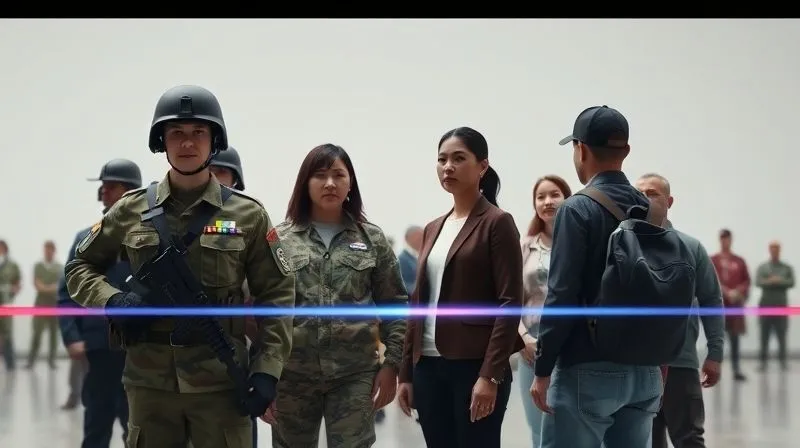
The principle of distinction is arguably the most fundamental tenet of IHL, requiring parties to an armed conflict to distinguish between combatants and civilians, and between military objectives and civilian objects. In asymmetric warfare, this is exceptionally difficult.
When dealing with non-state armed groups, who often do not wear uniforms or openly carry arms, identifying who is a legitimate target and who is a protected civilian becomes a daily, life-or-death challenge. I’ve seen this lead to immense operational stress and increased risk for both military personnel and civilians.
- Assess Status: Determine if an individual is a combatant, a member of an organized armed group, or a civilian taking direct part in hostilities. The latter loses civilian protection for the duration of their direct participation.
- Observe Conduct: Look for overt actions that indicate direct participation, such as carrying weapons, engaging in hostile acts, or performing command and control functions.
- Contextual Intelligence: Rely on robust, real-time intelligence to understand the individual's role, affiliations, and intent within the broader operational environment.
- Presume Civilian Status: In cases of doubt, individuals must be presumed to be civilians and therefore protected from attack. This presumption is a cornerstone of IHL.
The Principle of Proportionality
Even when a target is a legitimate military objective, the principle of proportionality dictates that an attack is prohibited if it is expected to cause incidental loss of civilian life, injury to civilians, or damage to civilian objects that would be excessive in relation to the concrete and direct military advantage anticipated. This is not about achieving zero harm, which is often impossible in conflict, but about avoiding *excessive* harm.
This principle requires a careful balancing act, and it’s where many legal advisors spend significant time. It demands a forward-looking assessment, requiring commanders to anticipate potential civilian harm and weigh it against the expected military gain.
- Identify Military Advantage: Clearly articulate the concrete and direct military advantage expected from the attack. This must be specific, not vague or generalized.
- Estimate Civilian Harm: Assess the anticipated incidental civilian casualties, injuries, and damage to civilian objects. This requires good intelligence and careful analysis of the target's surroundings.
- Conduct the Balance: Compare the anticipated military advantage with the expected civilian harm. If the harm is expected to be excessive, the attack must be cancelled, suspended, or re-planned to reduce civilian harm.
- Document Rationale: Record the assessment process, the factors considered, and the ultimate decision. This documentation is vital for accountability.
Proportionality is not a precise mathematical equation, but a good faith assessment of what is excessive in relation to the concrete and direct military advantage anticipated. It requires judgment, experience, and a deep commitment to humanitarian principles.
The Principle of Precaution
The principle of precaution obliges parties to an armed conflict to take all feasible precautions to avoid, and in any event to minimize, incidental loss of civilian life, injury to civilians, and damage to civilian objects. This is an active, ongoing obligation, not a passive one.
- Target Verification: Take all feasible measures to verify that targets are military objectives and not civilians or civilian objects.
- Choice of Weapons and Methods: Select weapons and methods of attack that minimize incidental harm to civilians.
- Warnings: Give effective advance warning of attacks which may affect the civilian population, unless circumstances do not permit.
- Targeting Cycle Review: Continuously review the targeting cycle from intelligence gathering to post-strike assessment to identify and implement further precautions.
Navigating the Nuances of Asymmetric Conflict
Asymmetric conflicts amplify the challenges of applying IHL. The very nature of the adversary—often non-state actors embedded within the civilian population—forces a re-evaluation of how these core principles are practically implemented.
Defining Legitimate Military Objectives (LMOs)
In traditional warfare, military objectives are usually clear: enemy tanks, barracks, airfields. In asymmetric warfare, the lines blur. A command center might be in a residential building, a weapons cache in a mosque, or a fighter might be indistinguishable from a civilian. This requires meticulous intelligence and a strict adherence to the definition of an LMO.
An object is a military objective if, by its nature, location, purpose, or use, it makes an effective contribution to military action and its total or partial destruction, capture, or neutralization, in the circumstances ruling at the time, offers a definite military advantage. Dual-use objects, which serve both civilian and military purposes, are particularly contentious and require rigorous assessment.
| Characteristic | Symmetric Conflict | Asymmetric Conflict |
|---|---|---|
| Combatant Identification | Clear uniforms, hierarchical structures | Blended identities, non-uniformed, dispersed cells |
| Military Objective | Traditional military bases, supply lines | Command centers in civilian structures, dual-use infrastructure |
| Operating Environment | Front lines, open battlefields | Urban areas, civilian populations |
The 'Human Shields' Dilemma
One of the most morally and legally challenging aspects of asymmetric warfare is the deliberate use of human shields by non-state actors. When an adversary intentionally places military assets or personnel among civilians to deter attack, it creates a horrific dilemma for the attacking force.
It's crucial to remember that the party using human shields is committing a war crime. However, the presence of human shields does not absolve the attacking force of its IHL obligations. The principles of proportionality and precaution still apply, albeit with heightened scrutiny. An otherwise legitimate military objective does not become immune from attack solely because human shields are present, but the anticipated civilian harm must still not be excessive in relation to the concrete and direct military advantage. This often means delaying or cancelling strikes, or finding alternative means to achieve the military objective.
Continuous Review and Dynamic Assessment
Targeting decisions in asymmetric warfare are rarely static. The operational environment can change in minutes, necessitating dynamic assessment and continuous review. What was a legitimate target moments ago might become problematic due to new intelligence, civilian movement, or a change in the adversary's posture.
This demands sophisticated intelligence gathering, rapid analysis, and constant communication between operational commanders and their legal advisors. The 'fog of war' is thicker in urban asymmetric environments, making real-time, accurate information paramount for legal compliance.

The Role of Legal Advisors in the Targeting Cycle
In my experience, military legal advisors are not merely bureaucratic hurdles; they are indispensable enablers of lawful and effective operations. Their role is to provide timely, accurate, and independent legal advice throughout the targeting cycle, ensuring compliance with IHL and minimizing legal and reputational risks.
I’ve often been asked to review targeting packages, sometimes under immense pressure, to ensure every ‘i’ is dotted and every ‘t’ crossed. This process is complex and requires deep expertise.
- Initial Assessment: Review intelligence to confirm the target's status as a legitimate military objective and assess potential civilian presence.
- Proportionality Review: Conduct an independent assessment of the anticipated military advantage versus expected civilian harm, challenging assumptions if necessary.
- Feasible Precautions Check: Advise on all feasible precautions that can be taken to minimize civilian harm, including weapon choice, timing, and specific tactics.
- Weapons Review: Ensure the proposed weapons system is appropriate for the target and compliant with IHL, avoiding indiscriminate weapons.
- Rules of Engagement (ROE) Application: Confirm the proposed action aligns with the applicable ROE, which often incorporate IHL principles.
- Post-Strike Assessment: Participate in reviews to assess compliance and identify lessons learned, especially in cases of unintended civilian harm.
For more detailed insights into the customary rules of IHL, I frequently refer to the ICRC's Customary IHL database, which provides comprehensive research on state practice.
The expertise of legal advisors extends beyond mere compliance; they are critical in shaping ethical decision-making and fostering a culture of adherence to the law. As highlighted in various studies on modern military operations, such as those often found in publications like Chatham House reports, their integration into operational planning is a hallmark of professional armed forces.
Documentation, Transparency, and Accountability
Robust documentation is not just good practice; it's a legal imperative. Every targeting decision, especially in asymmetric warfare, must be supported by a clear, defensible audit trail. This is your shield against accusations and your testament to adherence to the law.
Establishing an Audit Trail
I cannot stress enough the importance of meticulous record-keeping. From initial intelligence reports to the final strike authorization, every step should be documented. This includes:
- Intelligence assessments of target status and civilian presence.
- Proportionality assessments, including the estimated civilian harm and anticipated military advantage.
- Records of feasible precautions taken or considered.
- Legal advice provided and decisions made by commanders.
- Post-strike assessments, including any battle damage assessment (BDA) and civilian harm assessment (CHA).
This audit trail is crucial for internal reviews, potential investigations, and demonstrating compliance to external bodies.
Post-Strike Review and Investigations
Even with the best intentions and rigorous legal review, incidents of unintended civilian harm can occur. When they do, prompt, thorough, and transparent investigations are paramount. These investigations serve several critical purposes:
- Determining facts and circumstances surrounding the incident.
- Assessing compliance with IHL and ROE.
- Identifying lessons learned to improve future operations.
- Holding individuals accountable if violations occurred.
Case Study: Navigating a Complex Urban Strike
Consider a fictional scenario: Coalition Alpha intelligence identifies a high-value commander of the insurgent group 'Phoenix Cell' operating from the third floor of a multi-story residential building in a densely populated district of 'Veridia City'. The commander is known to be planning an imminent attack on Coalition forces.
The legal team immediately flags the high risk of civilian harm. Intelligence confirms the building is primarily residential, but also shows recent patterns of Phoenix Cell fighters entering and exiting, indicating its temporary use for military purposes. After extensive surveillance, it's determined that the commander's presence constitutes a legitimate military objective due to his direct and effective contribution to military action and the imminent threat he poses.
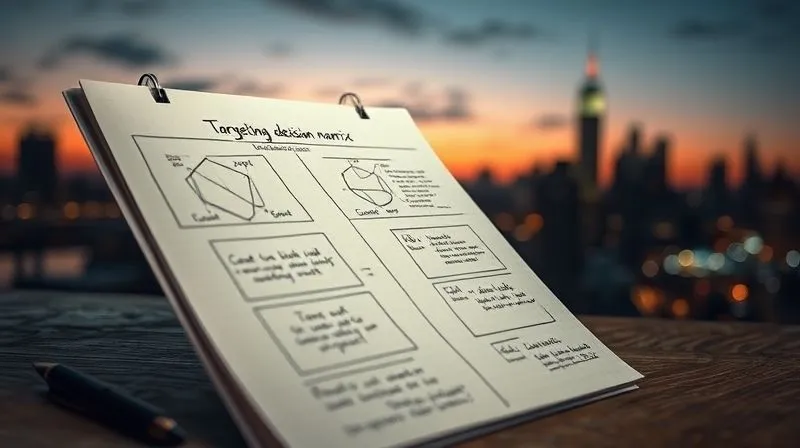
The proportionality assessment becomes critical. The military advantage of neutralizing this commander is deemed high, potentially saving numerous lives of Coalition personnel and civilians. However, the risk of civilian casualties from a conventional strike is also high. The legal advisor and commander explore alternative methods:
- Delaying the strike: Waiting for the commander to move to a less populated area. This is deemed too risky given the imminence of his planned attack.
- Precision Munitions: Selecting the smallest, most precise munition capable of achieving the objective, minimizing collateral damage radius.
- Timing: Planning the strike for a time when civilian presence is lowest, such as late at night, and issuing warnings to nearby residents through local channels where feasible.
After a rigorous multi-hour review, including multiple intelligence updates and legal consultations, the strike is authorized with maximum precautions. Post-strike assessment confirms the commander's neutralization and minimal civilian casualties, which were within the anticipated and deemed proportionate threshold. This diligent process, meticulously documented, allowed Coalition Alpha to legally justify its targeting decision and demonstrate its adherence to IHL, even in a highly challenging environment.
Beyond the Battlefield: Strategic and Reputational Considerations
Adherence to IHL and the ability to legally justify targeting decisions in asymmetric war extends far beyond the immediate battlefield. It has profound strategic and reputational implications that can dictate the long-term success or failure of a mission.
Maintaining International Legitimacy
In today's interconnected world, military actions are under constant scrutiny. Compliance with IHL is fundamental to maintaining international legitimacy, fostering alliances, and securing diplomatic support. Violations, or even perceived violations, can severely damage a nation's standing, leading to sanctions, loss of trust, and isolation.
Organisations like the UN Office for the Coordination of Humanitarian Affairs (OCHA) regularly publish reports on civilian protection, which underscore the importance of strict adherence to IHL. Failing to meet these standards can have lasting repercussions on a state's foreign policy and its ability to act on the global stage.
Countering Propaganda and Disinformation
Non-state actors often wage an information war alongside their kinetic operations, exploiting any perceived IHL violation to fuel propaganda and recruit new members. Transparent and legally sound operations, backed by robust documentation, are the most effective counter-narrative.
By clearly demonstrating adherence to IHL, forces can undermine enemy narratives, maintain the trust of affected populations, and protect their own personnel from accusations of war crimes. This is a critical aspect of modern conflict, often referred to as 'lawfare' and information operations, a topic frequently explored in academic journals such as the Journal of Conflict & Security Law.
Future Challenges and Evolving Interpretations
The landscape of armed conflict is constantly evolving, presenting new challenges for IHL and its application. Emerging technologies, coupled with the persistent nature of asymmetric threats, demand continuous legal and ethical discourse.
The Impact of New Technologies
The advent of artificial intelligence (AI) in targeting processes, autonomous weapons systems, and advanced cyber capabilities raises complex questions. How do principles like distinction and proportionality apply when decisions are partly or wholly delegated to machines? Who bears responsibility for IHL violations in such scenarios?
These are not hypothetical questions; they are current dilemmas that require proactive legal and policy development. The international community, legal scholars, and military planners must work together to ensure that IHL remains relevant and effective in an increasingly technologically advanced battlespace.
The Persistent Challenge of Non-State Actors
Despite decades of experience, the challenge of non-state armed groups continues to evolve. Their adaptability, decentralized structures, and willingness to disregard IHL necessitate continuous refinement of legal interpretations and operational practices. The need to legally justify targeting decisions in asymmetric war will only grow in importance.
Maintaining a clear and consistent legal framework, while adapting to the realities of modern conflict, is crucial for preserving the integrity of IHL and protecting civilians caught in the crossfire.
Frequently Asked Questions (FAQ)
Question: Does the concept of 'imminent threat' change in asymmetric warfare? Answer: While the core concept of an 'imminent threat' remains fundamental – requiring an objective assessment of an immediate and direct danger – its application in asymmetric warfare can be more complex. With non-state actors, 'imminence' may need to account for their operational patterns, which often involve dispersed cells and longer planning cycles. However, this does not permit pre-emptive strikes based on mere suspicion or generalized threats. The threat must still be credible, identifiable, and objectively assessed as impending, ensuring that targeting decisions remain firmly grounded in credible intelligence and IHL principles.
Question: How do you assess military advantage when targeting a low-value insurgent but with high civilian risk? Answer: This presents a classic proportionality dilemma. The military advantage derived from targeting a low-value insurgent must be concrete, direct, and specifically tied to the anticipated outcome. If the expected incidental civilian harm (loss of life, injury, or damage) is deemed excessive in relation to that specific, often minor, military advantage, then the strike would be disproportionate and therefore prohibited. Commanders are obligated to seek alternative means, delay the strike, or even forgo it entirely if the civilian harm cannot be mitigated to an acceptable, proportionate level.
Question: Can civilian infrastructure ever be a legitimate military objective in asymmetric war? Answer: Yes, but under very strict conditions. Civilian infrastructure can become a legitimate military objective if, by its nature, location, purpose, or use, it makes an effective contribution to military action, and its total or partial destruction, capture, or neutralization offers a definite military advantage. This is particularly relevant for 'dual-use' objects like bridges, communication networks, or power grids that could be repurposed by an adversary for military logistics or command. However, even if it loses its civilian protection, the principles of proportionality and precaution must still be rigorously applied, ensuring that the anticipated civilian harm is not excessive.
Question: What if the enemy deliberately operates from protected sites like hospitals or schools? Answer: If a protected site, such as a hospital or school, is used for military purposes (e.g., as a command post, weapons storage, or firing position), it can lose its protected status and become a legitimate military objective. However, even in such circumstances, the attacking force still has stringent obligations under IHL. The principles of proportionality and precaution continue to apply, meaning all feasible precautions must be taken to avoid or minimize civilian harm, and the anticipated military advantage must not be excessive compared to the expected civilian casualties or damage to the protected site. The burden of proof for military use rests with the attacker.
Question: Is it always necessary to issue a warning before an attack? Answer: IHL mandates that effective advance warning be given of attacks which may affect the civilian population, unless circumstances do not permit. In asymmetric warfare, this can be extremely challenging due to the enemy's integration within civilian areas and the risk of compromising the mission or endangering attacking forces. However, efforts must still be made through feasible means like leaflets, radio broadcasts, or other communication channels when possible, demonstrating a genuine commitment to minimize civilian harm. The 'unless circumstances do not permit' clause is not a blanket exemption but a recognition of operational realities.
Key Takeaways and Final Thoughts
Navigating the legal complexities of targeting decisions in asymmetric warfare is arguably one of the most demanding aspects of modern armed conflict. It requires not only a deep understanding of International Humanitarian Law but also sound judgment, ethical fortitude, and an unwavering commitment to protecting human life.
- IHL Principles are Paramount: The principles of distinction, proportionality, and precaution are the non-negotiable pillars guiding all targeting decisions.
- Asymmetry Demands Heightened Scrutiny: The unique challenges of asymmetric conflict necessitate meticulous intelligence, dynamic assessment, and rigorous application of IHL.
- Legal Advisors are Indispensable: Integrating legal counsel throughout the targeting cycle is crucial for ensuring compliance, mitigating risk, and enabling lawful operations.
- Documentation and Transparency are Key: A robust audit trail and commitment to accountability are essential for legitimacy and defending against legal challenges.
- Continuous Adaptation is Necessary: As warfare evolves with new technologies and adversaries, so too must our legal interpretations and operational practices.
As an industry specialist, I've seen that prioritizing legal compliance is not a hindrance to military effectiveness; it is, in fact, foundational to long-term strategic success and moral authority. By consistently upholding IHL, even in the most challenging asymmetric environments, we not only protect civilians but also safeguard the integrity of our armed forces and the principles we strive to defend. Our commitment to these laws reflects our humanity, even in the crucible of war. For further understanding of international legal mechanisms, I recommend exploring resources from institutions like the International Criminal Court (ICC).
Recommended Reading
- 7 Proven Steps: How to Stop Elder Financial Exploitation by Caregivers
- Unlock M&A Success: Your Essential Guide to Legal Advisory for Mergers and Acquisitions
- Protect Your Innovation: How to Secure IP in Multiple Countries
- EB-5 Project Failure? 5 Crucial Steps Before Green Card Approval
- 7 Critical Steps: Uncover Hidden IP Risks in Tech M&A Due Diligence




Comments
Leave a comment below. Your email will not be published. Required fields marked with *