



How to Navigate Complex Title IX Sexual Assault Investigations
For over 15 years in higher education law, I've seen firsthand the profound impact and inherent complexities of Title IX sexual assault investigations. These are not merely administrative procedures; they are deeply personal, often traumatic, and incredibly high-stakes processes that can shape a student's future, a faculty member's career, and an institution's reputation.
The labyrinthine nature of campus policies, coupled with evolving federal regulations, can leave anyone involved feeling overwhelmed, confused, and vulnerable. Whether you are a complainant seeking justice, a respondent facing serious allegations, or an institution striving for fairness and compliance, the path forward is rarely clear and often fraught with emotional and legal pitfalls.
In this definitive guide, I will share my expert insights and provide actionable frameworks to help you understand, prepare for, and ultimately navigate complex Title IX sexual assault investigations. We'll delve into the procedural nuances, discuss critical rights, explore evidence strategies, and offer guidance on securing a fair and just resolution.
Understanding the Landscape: What is Title IX and Why it Matters
At its core, Title IX of the Education Amendments of 1972 is a federal civil rights law that prohibits discrimination on the basis of sex in any education program or activity receiving federal financial assistance. While its initial focus was often on equal opportunities in sports, its application has expanded significantly, particularly concerning sexual harassment and sexual assault in educational settings. For colleges and universities, Title IX compliance is not optional; it’s a legal imperative with severe consequences for non-adherence.
The Department of Education's Office for Civil Rights (OCR) oversees Title IX enforcement, and its guidance, particularly the regulatory changes implemented in 2020, has fundamentally reshaped how institutions must respond to reports of sexual harassment, including sexual assault. These regulations mandate specific processes, timelines, and due process protections for both complainants and respondents, aiming to ensure fairness and consistency.
The stakes couldn't be higher. For individuals, the outcome of a Title IX investigation can mean expulsion, suspension, loss of scholarships, damage to reputation, or a denial of justice. For institutions, mishandling these cases can lead to costly litigation, loss of federal funding, and irreparable harm to their standing within the academic community and with prospective students. My experience has taught me that a proactive and informed approach is the only way to safeguard all interests involved.
Initial Response: First Steps After an Allegation or Report
The immediate aftermath of a sexual assault report or allegation is a critical period that can set the tone for the entire investigation. Hasty decisions or uninformed actions can inadvertently compromise one's position. My advice, regardless of your role, is to act deliberately and strategically.
For Complainants: Your priority is your safety and well-being. Seek medical attention if needed, and consider reporting to law enforcement in addition to the university. Document everything: dates, times, locations, specific acts, and any communication related to the incident. Reach out to campus support services—counseling, victim advocacy, or the Title IX Coordinator—immediately. They can provide vital emotional support, explain your rights, and help you understand your options without obligating you to proceed with a formal complaint.
For Respondents: If you are accused, you have the right to know the nature of the allegations. Do not engage with the complainant, other witnesses, or discuss the case on social media. This can be misconstrued as retaliation or intimidation and can severely prejudice your case. Preserve any relevant communications, digital records, or witness information. Your primary immediate action should be to seek legal counsel specializing in Title IX defense. An experienced advisor can help you understand the allegations, your rights, and prepare your initial response.
In my experience, the biggest mistake individuals make at this stage is either saying too much or saying nothing at all without proper guidance. Every word can be scrutinized, so thoughtful communication is paramount.
Both parties should understand that the university has an obligation to respond promptly and effectively to reports of sexual harassment. This often involves interim measures, such as no-contact orders or changes in housing/classes, designed to ensure safety and prevent further harassment. These measures are not findings of responsibility but rather temporary arrangements.
The Investigation Process: From Report to Fact-Finding
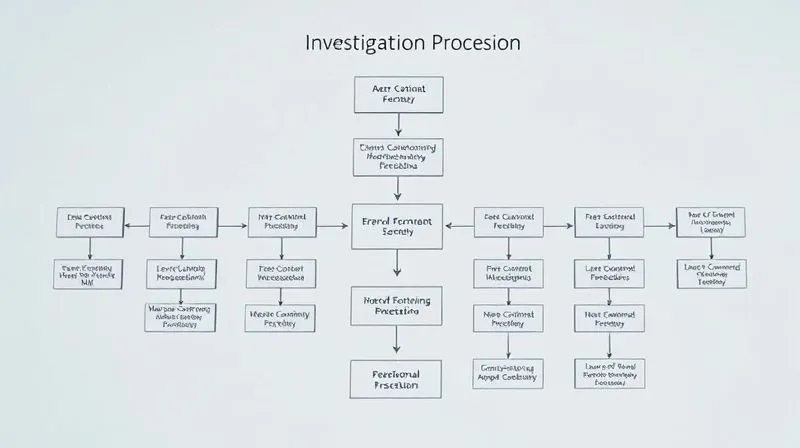
Once a formal complaint is filed, the university's Title IX office initiates a structured investigation. This process is designed to gather facts, assess credibility, and determine if a violation of the institution's sexual harassment policy has occurred. I've witnessed countless variations, but the core steps remain consistent across most compliant institutions.
- Assignment of Investigator(s): The Title IX Coordinator will assign one or more trained, unbiased investigators to the case. It's crucial that these individuals have no conflicts of interest.
- Notice of Allegations: Both parties receive a written notice detailing the allegations, the specific policy sections allegedly violated, and their rights throughout the process. This notice is often the first formal indication of the investigation's scope.
- Evidence Gathering: Investigators will conduct interviews with the complainant, respondent, and any relevant witnesses. They will also collect and review all submitted evidence, including digital communications, medical records (with consent), and other relevant documentation.
- Opportunity to Review Evidence: A critical due process protection, both parties and their advisors must be given an opportunity to review all evidence directly related to the allegations, including interview notes and submitted documents. This review period is essential for preparing responses and identifying inconsistencies.
- Response to Evidence: Following the evidence review, parties are typically given a chance to submit a written response, clarifying their positions, addressing discrepancies, and pointing out additional areas for investigation.
Throughout this phase, maintaining open and honest communication with your advisor is vital. They can help you prepare for interviews, formulate your responses, and ensure that your perspective is clearly and accurately represented. Remember, the investigator's role is to be a neutral fact-finder, not an advocate for either party.
Rights and Protections: Ensuring Due Process for All Parties
A cornerstone of Title IX regulations, particularly the 2020 amendments, is the emphasis on robust due process protections for both the complainant and the respondent. I cannot stress enough the importance of understanding and asserting these rights. They are not merely bureaucratic formalities; they are safeguards against unfairness and erroneous outcomes.
For Both Parties:
- Right to an Advisor: Both parties have the right to have an advisor of their choice present at all meetings and proceedings. This advisor can be an attorney and can directly conduct cross-examination during a live hearing.
- Right to Written Notice: You must receive written notice of the allegations, the investigation process, and any scheduled meetings or hearings.
- Right to Review Evidence: Before any hearing or determination, you must have an equal opportunity to inspect and review all evidence gathered.
- Right to Present Evidence and Witnesses: You have the right to present relevant evidence and identify witnesses to support your position.
For Complainants: You have the right to supportive measures, such as changes in academic schedules, housing, or employment, designed to restore or preserve equal access to education without unreasonable burden. You also have the right to be free from retaliation for reporting.
For Respondents: You have the right to a presumption of innocence. The burden of proof rests with the institution, which must establish responsibility by a preponderance of the evidence (more likely than not) or clear and convincing evidence, depending on the institution's policy. You also have the right to cross-examine adverse witnesses through your advisor during a live hearing.
Case Study: The Importance of Advisor-Assisted Cross-Examination
I recall a particularly challenging case involving a graduate student, 'Alex' (respondent), accused of non-consensual sexual contact. The university's initial investigation report relied heavily on the complainant's detailed account and a corroborating witness who claimed to have overheard a crucial conversation. However, during the evidence review, Alex's advisor noticed inconsistencies in the witness's timeline that were not fully explored by the investigator.
During the live hearing, Alex's advisor, leveraging the right to cross-examination, meticulously questioned the witness. Through a series of precise questions, the advisor exposed significant gaps in the witness's memory and ultimately revealed that the overheard conversation was about a different event entirely. This critical piece of cross-examination, facilitated by an experienced advisor, effectively undermined a key part of the institution's evidence, leading to a finding of 'not responsible' for Alex. This case vividly illustrates that procedural rights, when expertly utilized, are paramount in ensuring a fair outcome.
Evidence and Documentation: Building a Strong Position
The outcome of a Title IX investigation often hinges on the quality and persuasiveness of the evidence presented. I've guided many through the daunting task of gathering, organizing, and presenting information effectively. It's not just about having evidence; it's about presenting it in a clear, compelling, and legally sound manner.
Types of Evidence:
- Testimonial Evidence: This includes statements from the complainant, respondent, and witnesses. Credibility is key here. Investigators assess consistency, plausibility, and any biases.
- Documentary Evidence: Digital communications (texts, emails, social media posts), journal entries, academic records, photographs, and video recordings. These can provide objective insights into timelines, communications, and states of mind.
- Physical Evidence: Medical records, forensic reports (e.g., SANE exam results), police reports, and any physical items related to the incident.
- Expert Testimony: In some complex cases, opinions from medical, psychological, or forensic experts might be relevant, though less common in campus-level investigations.
When preparing your evidence, focus on relevance and authenticity. Every piece of evidence should directly support your narrative or refute the opposing party's claims. Organize documents chronologically and create a clear index. For testimonial evidence, anticipate potential questions and prepare clear, concise answers. Avoid speculation or emotional appeals; stick to the facts.
According to the U.S. Department of Education's 2020 Title IX regulations, institutions must allow parties to present evidence and witnesses, and they cannot restrict the ability of an advisor to ask relevant questions during cross-examination. This underscores the importance of a thorough and well-prepared evidentiary submission.
| Evidence Type | Examples | Importance |
|---|---|---|
| Digital Communications | Texts, emails, social media posts | Context, intent, timeline |
| Witness Statements | Affidavits, interview transcripts | Corroboration, differing perspectives |
| Physical Evidence | Medical records, police reports | Tangible proof, external validation |
| Academic/Behavioral Records | Attendance, disciplinary history | Pattern of behavior, credibility |
The Hearing: Presentation, Cross-Examination, and Decision-Making
For many, the live hearing is the most intimidating phase of the Title IX process. Under the 2020 regulations, a live hearing is generally required for formal complaints involving sexual harassment where credibility is at issue. This is where the factual record is solidified, and decision-makers assess the evidence and testimony presented.
Preparing for the Hearing:
- Know Your Story: Whether you are a complainant or respondent, be prepared to present your narrative clearly and consistently. Practice articulating key events and details.
- Anticipate Questions: Work with your advisor to anticipate questions from the decision-maker(s) and cross-examination questions from the opposing advisor.
- Understand Cross-Examination: This is conducted directly by your advisor (not you) and is limited to relevant questions about the allegations. Your advisor's role is to challenge the credibility of statements or evidence, or to elicit information favorable to your position.
- Identify Key Evidence: Be ready to refer to specific documents or testimony to support your points.
The decision-maker(s) – often a single Title IX decision-maker or a panel – are responsible for determining whether the policy was violated based on the evidence presented. They evaluate the credibility of all parties and witnesses, weighing all relevant information. Their decision must be issued in writing and include the findings of fact, conclusions regarding policy application, and the rationale for the outcome.
A common misconception is that the hearing is a traditional courtroom trial. While it shares some adversarial elements, it is an administrative process with distinct rules. Having an advisor who understands these specific nuances is non-negotiable.
The decision-maker's role is to apply the evidence to the institution's policy. They are not necessarily looking for a criminal standard of proof but rather whether it is 'more likely than not' (preponderance of the evidence) or 'clear and convincing' (a higher standard, if adopted by the institution) that a violation occurred. This distinction is critical for understanding the burden of proof.
Appeals and Beyond: What Happens After a Decision
A finding of responsibility or non-responsibility doesn't always mark the end of the process. Title IX regulations mandate that institutions offer an appeal process for certain grounds. Understanding these grounds and how to pursue an appeal is crucial if you believe the decision was flawed.
Common Grounds for Appeal:
- Procedural Error: A significant error in the investigation or hearing process that materially affected the outcome (e.g., denial of a right, bias).
- New Evidence: New, relevant evidence that was not reasonably available at the time of the determination and could affect the outcome.
- Conflict of Interest/Bias: The Title IX Coordinator, investigator(s), or decision-maker(s) had a conflict of interest or bias that affected the outcome.
The appeal process typically involves submitting a written statement outlining the grounds for appeal and supporting documentation. The institution will then review the appeal, often by a separate appellate officer or panel, and issue a decision. Appeals are generally not opportunities to re-litigate the entire case but rather to challenge specific aspects of the original decision-making process.
If the campus process, including appeals, is exhausted and you remain dissatisfied, other avenues may exist. This could include filing a complaint with the U.S. Department of Education's Office for Civil Rights (OCR), or, in some cases, pursuing civil litigation. These external options have their own complexities and should be explored with an attorney specializing in Title IX or civil rights law.

The Emotional Toll and Self-Care: Prioritizing Well-being
I've observed countless individuals endure the Title IX process, and one undeniable truth is the immense emotional and psychological toll it takes on everyone involved. Whether you are a complainant reliving trauma, a respondent grappling with serious accusations, or a witness caught in the middle, the stress can be profound. Prioritizing your mental and emotional well-being is not a luxury; it's a necessity.
Strategies for Self-Care:
- Seek Professional Support: Campus counseling services or external therapists can provide a safe space to process emotions, develop coping strategies, and manage stress.
- Lean on Your Support System: Confide in trusted friends, family, or mentors who can offer emotional backing without interfering with the investigation.
- Maintain Healthy Routines: Despite the chaos, try to maintain regular sleep, exercise, and eating habits. These foundational elements significantly impact your resilience.
- Limit Exposure: Avoid excessive news consumption about Title IX or engaging in social media discussions about your case. Protect your mental space.
- Understand the Limits of Your Control: Focus on what you can control – providing accurate information, cooperating with your advisor – and try to let go of what you cannot.
Institutions are generally required to provide supportive measures to complainants and, in some cases, to respondents to ensure their continued access to education. These are distinct from disciplinary actions and are designed to mitigate the impact of the alleged conduct. Don't hesitate to request these services if you need them. Remember, navigating complex Title IX sexual assault investigations is a marathon, not a sprint, and your well-being is paramount to enduring the journey.

The Role of an Advisor or Attorney: Why Expert Guidance is Crucial
While Title IX regulations permit individuals to choose any advisor, including friends or family, I consistently advise retaining an experienced attorney specializing in Title IX law. The complexities of these investigations are simply too high, and the stakes too significant, to navigate them without expert legal guidance.
An effective Title IX advisor or attorney brings several critical advantages:
- Procedural Expertise: They understand the intricate campus policies, federal regulations, and the nuances of the investigation and hearing process. They can identify procedural errors and ensure your rights are protected.
- Evidence Strategy: They can assist in gathering, organizing, and presenting evidence effectively, ensuring its relevance and admissibility according to campus rules.
- Interview Preparation: They will prepare you for interviews with investigators, helping you articulate your narrative clearly and avoid common pitfalls.
- Cross-Examination Skill: During a live hearing, their ability to conduct effective cross-examination of adverse witnesses is invaluable for challenging credibility and eliciting favorable testimony.
- Emotional Buffer: They can serve as a crucial buffer, allowing you to focus on your well-being while they handle the legal and procedural demands.
When selecting an advisor, look for someone with a proven track record in Title IX cases, a deep understanding of higher education law, and a compassionate yet assertive approach. As NCHERM Group (National Center for Higher Education Risk Management) consistently emphasizes, proper training and expertise are vital for all parties involved in Title IX matters. Their expertise is not just about legal defense; it's about strategic advocacy within a unique administrative framework.
Frequently Asked Questions (FAQ)
Question: Can I remain anonymous when reporting a sexual assault under Title IX? Answer: While you can make an anonymous report, it often limits the institution's ability to take disciplinary action against the alleged perpetrator, as they may not be able to gather enough information or provide due process. However, the institution is still obligated to assess the report for potential systemic issues and provide supportive measures. For a formal investigation, your identity typically needs to be known to the Title IX office.
Question: What is the difference between an informal resolution and a formal investigation? Answer: A formal investigation follows a prescribed process culminating in a hearing and a formal determination of responsibility. An informal resolution is a voluntary process (if suitable and agreed upon by both parties) that seeks to resolve the complaint without a full investigation and hearing, often through mediation or restorative justice, and does not involve disciplinary action against the respondent. Informal resolutions are generally not appropriate for cases involving allegations of sexual assault.
Question: How long does a typical Title IX investigation take? Answer: The duration can vary significantly depending on the complexity of the case, the number of witnesses, and the responsiveness of the parties. While federal guidance often suggests a target of 60-90 calendar days from the formal complaint to the notice of determination, extensions are common and must be communicated to the parties with good cause.
Question: Can I bring an attorney to my Title IX hearing? Answer: Yes, under the 2020 Title IX regulations, both parties have the right to have an advisor of their choice, who may be an attorney, present at all meetings and proceedings. Crucially, your advisor, not you, conducts cross-examination during a live hearing.
Question: What if I disagree with the final decision of a Title IX investigation? Answer: You typically have the right to appeal the decision based on specific, limited grounds such as procedural error, new evidence that was not reasonably available, or conflict of interest/bias by the decision-makers. The appeal process is usually outlined in your institution's Title IX policy. If campus remedies are exhausted, external options like an OCR complaint or civil litigation may be considered, but these are complex and require legal consultation.
Key Takeaways and Final Thoughts
Navigating complex Title IX sexual assault investigations is undeniably one of the most challenging experiences individuals can face within a higher education setting. The legal, emotional, and academic repercussions are profound, demanding a strategic, informed, and resilient approach.
- Understand Your Rights: Be intimately familiar with the due process protections afforded to you as a complainant or respondent.
- Act Deliberately and Document Everything: Initial actions and meticulous record-keeping are foundational to a strong position.
- Leverage Expert Guidance: An experienced Title IX attorney or advisor is not just helpful; they are often indispensable for ensuring fairness and navigating procedural intricacies.
- Prioritize Well-being: The emotional toll is significant; seek support and practice self-care throughout the process.
- Prepare for Each Stage: From investigation to hearing and potential appeals, anticipate the steps and prepare thoroughly.
I hope this guide empowers you with the knowledge and confidence to approach these investigations with clarity and purpose. While the path may be arduous, remember that informed action and steadfast advocacy are your most potent tools. Seek out qualified professionals, lean on your support systems, and know that a fair process, though challenging, is achievable when you understand how to navigate its complexities.
Recommended Reading
- 7 Legal Steps: How to Trace Hidden Marital Assets in Complex Divorce
- How to Legally Mitigate Corporate Carbon Emission Liability Risk: 5 Core Pillars
- Easement Blocking Development? 7 Steps to Reclaim Your Property
- Contested Divorce Trial: How to Prepare and Win Your Case
- Athlete Scandal & Brand: 7 Legal Steps to Mitigate Impact & Restore Trust




Comments
Leave a comment below. Your email will not be published. Required fields marked with *